EN
EN



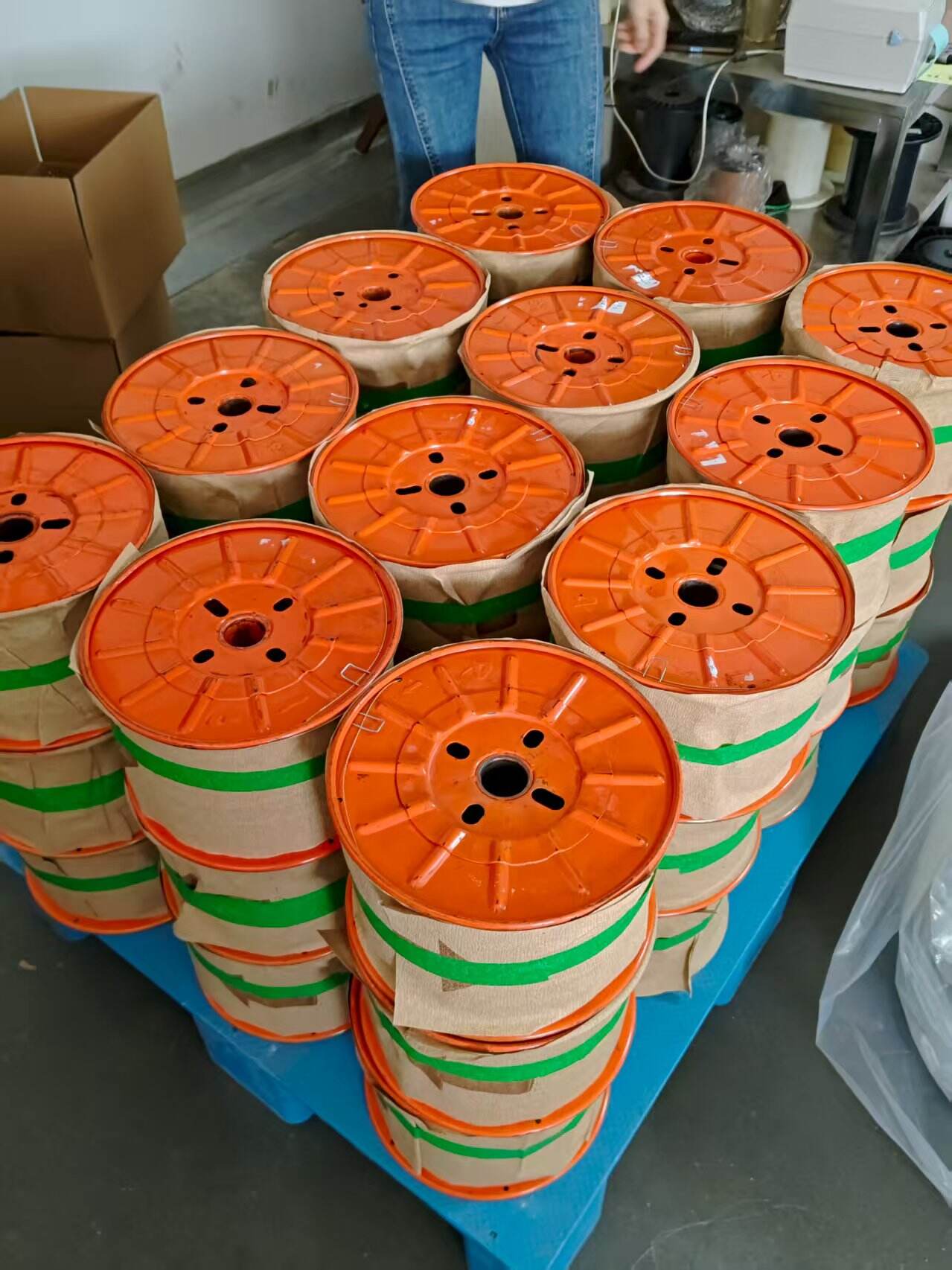
Power transmission infrastructure demands materials that deliver exceptional performance under the most challenging conditions. Engineers and utility companies constantly seek innovative solutions that combine strength, conductivity, and cost-effectiveness. Among the advanced conductor technologies emerging in modern electrical systems, brass clad steel stranded wire represents a significant breakthrough in power grid applications. This specialized conductor technology offers unique advantages that distinguish it from traditional copper and aluminum alternatives, making it an increasingly popular choice for demanding electrical installations.
Fundamental Construction and Manufacturing Excellence
Advanced Metallurgical Process
The manufacturing process of brass clad steel stranded wire involves sophisticated metallurgical techniques that ensure optimal bonding between the steel core and brass coating. This process begins with high-grade steel wire that undergoes precise surface preparation to achieve maximum adhesion. The brass cladding is applied through controlled electroplating or hot-dip coating methods, creating a uniform layer that provides excellent corrosion resistance and enhanced electrical properties. Quality control measures throughout manufacturing ensure consistent thickness and adherence of the brass layer.
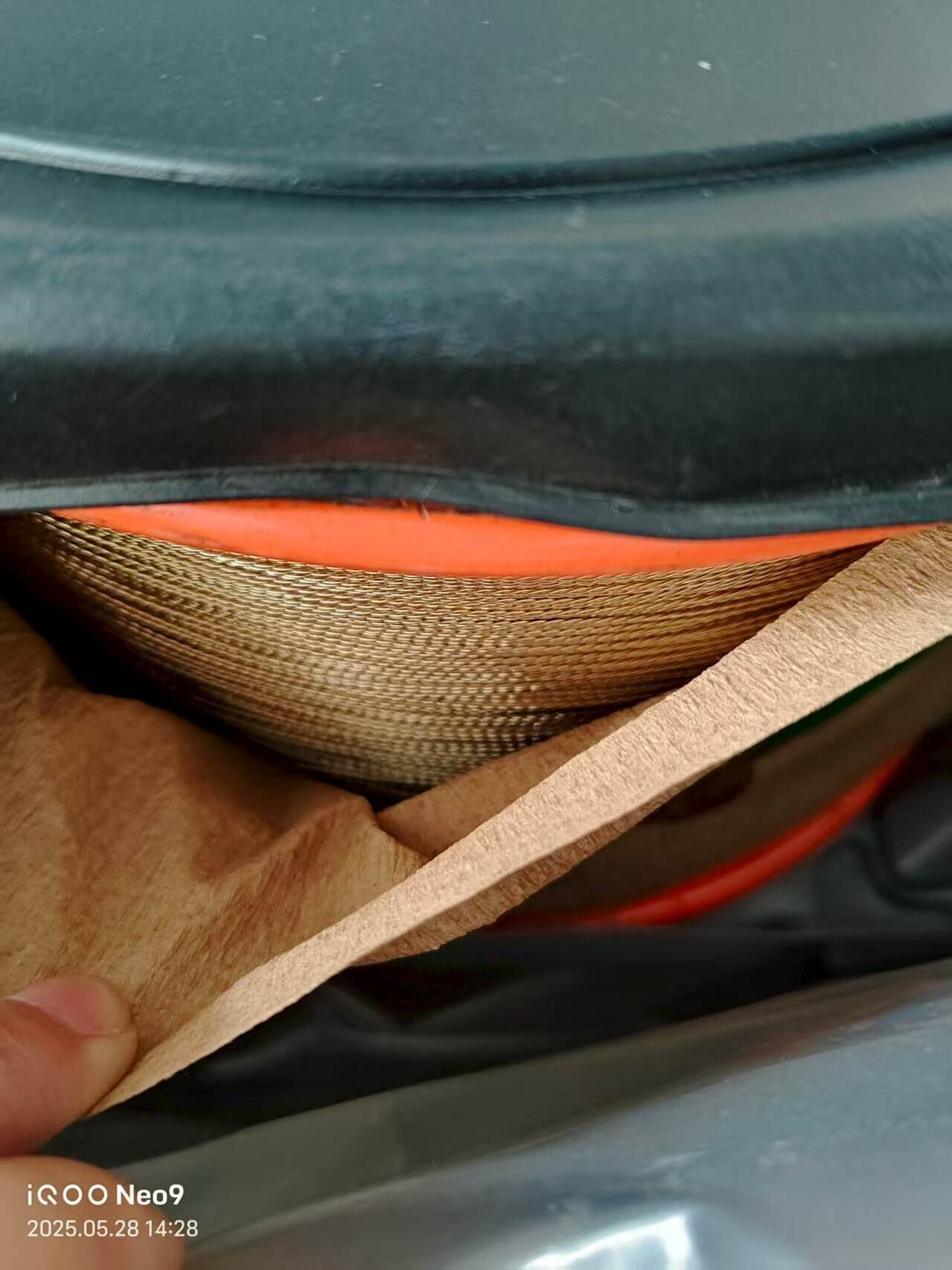
Modern production facilities utilize advanced automation systems to maintain precise control over coating thickness, wire diameter, and tensile strength characteristics. The stranding process involves carefully calculated twisting patterns that optimize flexibility while maintaining structural integrity. Temperature control during manufacturing prevents intermetallic compound formation that could compromise performance. These rigorous manufacturing standards result in conductors that meet or exceed international specifications for power transmission applications.
Material Composition Benefits
The unique combination of steel core strength and brass surface properties creates conductors with exceptional mechanical and electrical characteristics. Steel provides superior tensile strength compared to pure copper, enabling longer spans and reduced support structure requirements. The brass cladding offers excellent conductivity while providing natural corrosion resistance in various environmental conditions. This dual-material approach optimizes performance characteristics that single-metal conductors cannot achieve.
The brass layer typically contains copper and zinc in proportions that maximize conductivity while maintaining corrosion resistance. This composition allows for excellent soldering and termination characteristics, simplifying installation procedures. The steel core maintains its structural properties even under extreme temperature variations, ensuring long-term reliability. Material testing protocols verify that these composite conductors maintain their specified properties throughout their operational lifespan.
Superior Performance Characteristics
Enhanced Conductivity Properties
Brass clad steel stranded wire delivers impressive electrical conductivity that rivals traditional copper conductors while offering additional benefits. The brass surface provides excellent current-carrying capacity, with conductivity levels typically ranging from 20% to 40% IACS depending on the specific alloy composition. This conductivity level proves sufficient for most power transmission applications while delivering significant cost advantages over pure copper alternatives. The stranded configuration further enhances current distribution and reduces skin effect losses at higher frequencies.
Temperature coefficient characteristics of these conductors remain stable across wide operating ranges, ensuring consistent performance in varying climatic conditions. The brass surface maintains low contact resistance at connection points, reducing energy losses and heating at terminations. Advanced manufacturing techniques ensure uniform current distribution across individual strands, maximizing the effective cross-sectional area for current flow. These electrical properties make brass clad steel stranded wire suitable for medium to high-voltage applications.
Mechanical Strength Advantages
The steel core construction provides exceptional tensile strength that significantly exceeds traditional conductor materials. Ultimate tensile strength values typically range from 1200 to 1600 MPa, allowing for extended spans between support structures. This high strength-to-weight ratio enables more efficient tower spacing and reduces overall installation costs. The stranded configuration distributes mechanical stress evenly, preventing stress concentration points that could lead to premature failure.
Fatigue resistance characteristics of these conductors prove superior to solid wire alternatives, making them ideal for applications subject to wind-induced vibrations or thermal cycling. The flexibility provided by stranded construction facilitates installation while maintaining structural integrity under load. Creep resistance properties ensure minimal sag increase over time, maintaining proper clearances throughout the conductor's service life. These mechanical advantages translate to reduced maintenance requirements and extended operational reliability.
Environmental Durability and Corrosion Resistance
Atmospheric Corrosion Protection
The brass cladding provides exceptional protection against atmospheric corrosion, significantly extending conductor lifespan in challenging environments. This natural corrosion resistance stems from the formation of protective oxide layers that prevent further degradation. Coastal installations benefit particularly from this protection, as brass demonstrates superior resistance to salt spray and marine atmospheres compared to unprotected steel. Field testing has shown minimal corrosion after decades of exposure in harsh coastal conditions.
Industrial environments containing sulfur compounds, chlorides, and other corrosive elements pose minimal threat to properly manufactured brass clad steel stranded wire. The brass surface forms stable compounds that resist further attack, maintaining both electrical and mechanical properties. Regular inspection protocols reveal that these conductors maintain their original specifications even after extended exposure to industrial atmospheres. This durability reduces replacement costs and improves system reliability in demanding applications.
Temperature Cycling Performance
Thermal expansion and contraction cycles that occur in power transmission systems create significant stress on conductor materials. Brass clad steel stranded wire demonstrates excellent performance under these conditions due to compatible thermal expansion coefficients between the steel core and brass cladding. This compatibility prevents delamination or cracking that could compromise conductor integrity. Temperature cycling tests confirm that these conductors maintain their specifications through thousands of thermal cycles.
High-temperature performance characteristics exceed those of many alternative conductor materials, with continuous operating temperatures reaching 200°C or higher depending on specific applications. The brass cladding maintains its protective properties even at elevated temperatures, ensuring long-term corrosion resistance. Thermal shock resistance proves superior to brittle materials, preventing failure during rapid temperature changes. These thermal properties make brass clad steel stranded wire suitable for demanding power transmission applications.
Cost-Effectiveness and Economic Benefits
Initial Investment Considerations
While initial material costs of brass clad steel stranded wire may appear higher than some alternatives, comprehensive cost analysis reveals significant economic advantages. The superior strength characteristics enable reduced support structure requirements, lowering overall installation costs. Extended spans between towers or poles reduce the number of structures needed, providing substantial savings in foundation work and land acquisition. Installation efficiency improves due to lighter weight compared to equivalent copper conductors.
Transportation costs decrease significantly due to the favorable strength-to-weight ratio of these conductors. Reduced shipping weights translate to lower freight charges and simplified handling requirements. Storage and inventory management become more efficient due to improved durability and reduced special handling requirements. These factors combine to offset higher initial material costs through reduced total project expenses.
Long-Term Operational Savings
Maintenance requirements for brass clad steel stranded wire installations prove minimal compared to alternative conductor technologies. The inherent corrosion resistance eliminates the need for protective coatings or frequent replacement cycles. Reduced maintenance translates to lower operational costs and improved system availability. Field experience demonstrates service lives exceeding 30 years with minimal degradation in challenging environments.
Energy transmission efficiency remains stable throughout the conductor's service life due to the stable electrical properties of the brass cladding. Reduced line losses contribute to operational savings over the system's lifetime. The reliability of these conductors reduces outage costs and improves customer satisfaction. Insurance premiums may decrease due to the improved reliability and reduced fire risk associated with these advanced conductors.
Installation and Application Advantages
Simplified Installation Procedures
The flexibility and handling characteristics of brass clad steel stranded wire significantly simplify installation procedures compared to rigid alternatives. Stranded construction allows for easier routing through conduits and around obstacles during installation. The improved flexibility reduces installation time and labor costs while minimizing the risk of conductor damage during handling. Standard termination techniques work effectively with these conductors, requiring no special tools or procedures.
Splicing and termination procedures follow established industry practices, with the brass surface providing excellent soldering and crimping characteristics. Connection reliability improves due to the stable surface properties of brass, which resist oxidation and maintain low contact resistance over time. Installation crews require minimal additional training to work with these conductors effectively. Quality assurance during installation becomes more straightforward due to the visible brass surface that clearly indicates proper installation.
Versatile Application Range
Power distribution systems benefit from the versatile performance characteristics of brass clad steel stranded wire across various voltage levels. Medium-voltage applications particularly benefit from the combination of adequate conductivity and superior mechanical properties. High-voltage transmission lines utilize these conductors where mechanical strength requirements exceed the capabilities of traditional materials. Industrial installations appreciate the corrosion resistance and reliability in challenging environments.
Grounding systems represent another important application where the corrosion resistance and mechanical strength prove valuable. The brass surface provides excellent electrical contact while the steel core delivers the mechanical strength needed for ground electrode applications. Railway electrification systems benefit from the durability and conductivity characteristics of these specialized conductors. Telecommunications applications utilize smaller gauges where electromagnetic compatibility and signal integrity requirements are critical.
FAQ
What makes brass clad steel stranded wire different from copper-clad steel wire
Brass clad steel stranded wire differs from copper-clad steel primarily in the cladding material composition and resulting properties. While copper-clad steel uses pure copper as the outer layer, brass cladding consists of copper and zinc alloy, typically containing 60-70% copper. This composition provides enhanced corrosion resistance in certain environments, particularly those containing sulfur compounds where pure copper might be susceptible to tarnishing. The brass cladding also offers improved soldering characteristics and maintains stable electrical properties over extended periods. Additionally, brass clad versions often demonstrate superior resistance to stress corrosion cracking in specific environmental conditions.
How does the conductivity of brass clad steel stranded wire compare to pure copper
Brass clad steel stranded wire typically achieves 20-40% IACS conductivity, compared to pure copper's 100% IACS rating. While this represents lower absolute conductivity, the practical impact depends on specific application requirements and cross-sectional area considerations. The superior mechanical strength allows for larger conductor sizes that can compensate for reduced conductivity per unit area. In many power transmission applications, the slightly reduced conductivity proves acceptable when weighed against significant cost savings and improved mechanical performance. The stranded construction also helps optimize current distribution and reduce losses in AC applications.
What environmental conditions are best suited for brass clad steel stranded wire applications
Brass clad steel stranded wire performs exceptionally well in marine environments, industrial atmospheres containing sulfur compounds, and areas with significant temperature cycling. The brass cladding provides natural corrosion resistance against salt spray, making it ideal for coastal installations. Industrial environments with chemical exposure benefit from the brass surface's resistance to various corrosive agents. Areas experiencing extreme temperature variations take advantage of the compatible thermal expansion properties between steel and brass. Underground installations also benefit from the corrosion resistance, particularly in soils with varying pH levels or moisture content.
What are the typical applications where brass clad steel stranded wire provides the most value
Brass clad steel stranded wire delivers maximum value in applications requiring both electrical performance and mechanical strength under challenging conditions. Power transmission lines spanning long distances benefit from the high tensile strength enabling extended spans between support structures. Grounding systems in corrosive environments utilize the superior corrosion resistance and mechanical durability. Industrial power distribution systems appreciate the reliability in harsh operating conditions. Railway electrification projects value the combination of conductivity, strength, and environmental resistance. Telecommunications ground systems benefit from the stable electrical properties and long-term reliability these conductors provide.
Table of Contents
- Fundamental Construction and Manufacturing Excellence
- Superior Performance Characteristics
- Environmental Durability and Corrosion Resistance
- Cost-Effectiveness and Economic Benefits
- Installation and Application Advantages
-
FAQ
- What makes brass clad steel stranded wire different from copper-clad steel wire
- How does the conductivity of brass clad steel stranded wire compare to pure copper
- What environmental conditions are best suited for brass clad steel stranded wire applications
- What are the typical applications where brass clad steel stranded wire provides the most value