EN
EN


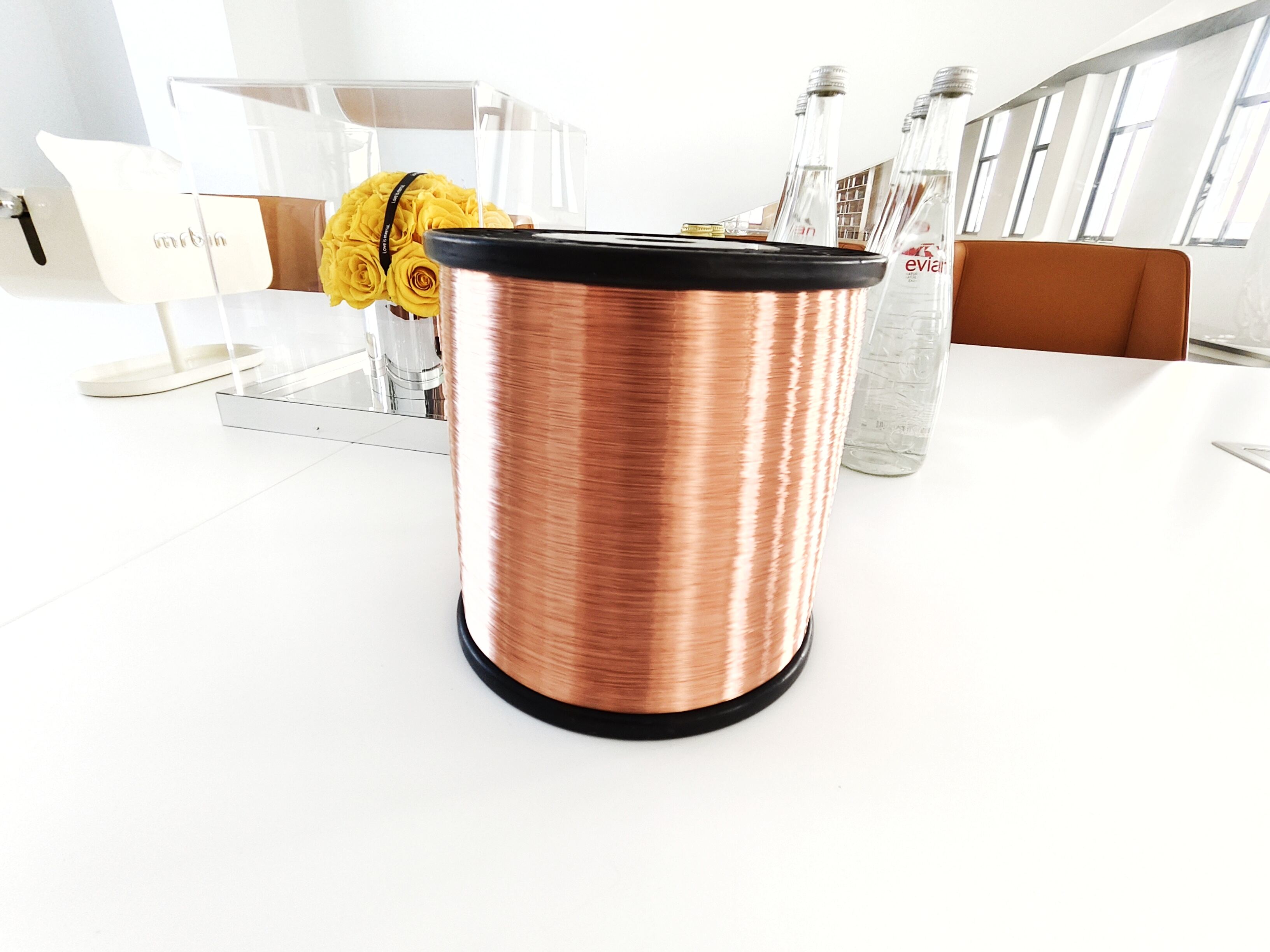
Outdoor electrical installations demand materials that can withstand harsh environmental conditions while maintaining optimal performance over extended periods. Among the various conductor options available, copper clad aluminum magnesium wire has emerged as a superior solution for challenging outdoor applications. This advanced conductor technology combines the conductivity benefits of copper with the lightweight properties of aluminum, enhanced by magnesium for improved durability. The unique metallurgical composition of this wire type addresses critical challenges faced in outdoor electrical systems, including corrosion resistance, thermal cycling, and mechanical stress tolerance.
Material Composition and Structural Advantages
Multi-Layer Metallurgical Design
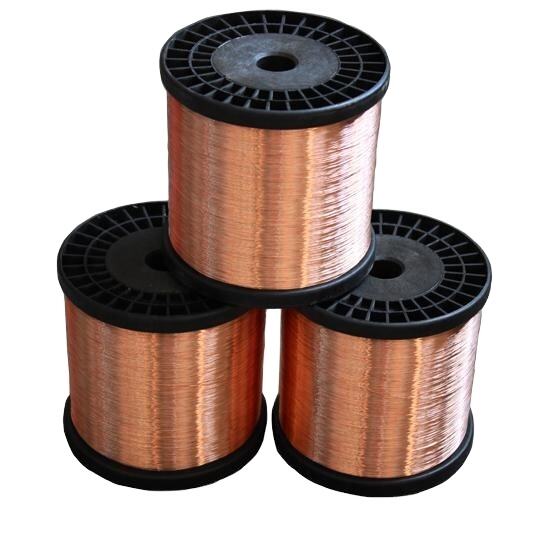
The fundamental strength of CCAM wire lies in its sophisticated multi-layer construction that integrates three distinct metals in a carefully engineered configuration. The aluminum-magnesium core provides exceptional strength-to-weight ratio while the copper cladding ensures superior electrical conductivity and corrosion protection. This metallurgical bonding creates a synergistic effect where each material contributes its best properties without compromising the overall performance. The copper layer thickness is precisely controlled to optimize both electrical characteristics and mechanical durability, typically ranging from 10% to 40% of the total conductor diameter depending on specific application requirements.
The magnesium content in the aluminum core significantly enhances the mechanical properties of the conductor, particularly its tensile strength and fatigue resistance. This addition transforms standard aluminum into a high-performance alloy capable of withstanding repeated mechanical stress cycles common in outdoor installations. The resulting conductor exhibits improved sag characteristics under varying temperature conditions, reducing the risk of line failures due to thermal expansion and contraction. Manufacturing processes ensure complete metallurgical bonding between layers, eliminating potential delamination issues that could compromise long-term reliability.
Enhanced Electrical Performance Characteristics
The electrical performance of CCAM wire in outdoor applications surpasses that of conventional aluminum conductors while approaching the conductivity levels of pure copper systems. The copper cladding provides a low-resistance path for electrical current, particularly important for skin effect considerations in AC applications. This design maintains excellent current-carrying capacity while reducing overall system weight by approximately 30% compared to equivalent copper conductors. The improved conductivity translates to reduced power losses, enhanced system efficiency, and lower operational costs over the conductor's service life.
Temperature coefficient characteristics of CCAM wire demonstrate superior stability across wide temperature ranges encountered in outdoor environments. The conductor maintains consistent electrical properties from extreme cold conditions to high-temperature scenarios, ensuring reliable power transmission regardless of seasonal variations. This thermal stability is particularly crucial for overhead power lines, underground cable systems, and exposed electrical installations where temperature fluctuations can significantly impact conductor performance. The balanced thermal expansion properties minimize stress on connection points and reduce maintenance requirements.
Corrosion Resistance and Environmental Protection
Advanced Corrosion Prevention Mechanisms
Outdoor electrical conductors face constant exposure to moisture, salt spray, industrial pollutants, and other corrosive elements that can rapidly degrade conventional materials. CCAM wire addresses these challenges through its inherent corrosion resistance properties derived from the copper cladding layer. Copper naturally forms a protective patina when exposed to atmospheric conditions, creating a stable oxide layer that prevents further oxidation and maintains conductor integrity. This protective mechanism is particularly effective in marine environments, coastal installations, and industrial areas with high pollution levels.
The galvanic compatibility between copper and aluminum in CCAM wire is carefully controlled through the manufacturing process and metallurgical bonding techniques. Unlike simple mechanical combinations of dissimilar metals, the molecular-level bonding in CCAM wire prevents galvanic corrosion that typically occurs at the interface between different metallic materials. This engineered compatibility extends the service life of outdoor installations significantly, reducing replacement frequency and maintenance costs. The conductor maintains its protective properties even when subjected to repeated wet-dry cycles, freeze-thaw conditions, and chemical exposure common in outdoor environments.
UV Radiation and Weather Resistance
Prolonged exposure to ultraviolet radiation can degrade many electrical materials, particularly insulation systems and conductor surfaces. CCAM wire demonstrates exceptional resistance to UV-induced degradation through its metallic construction and surface characteristics. The copper cladding layer provides natural protection against photodegradation while maintaining its electrical and mechanical properties under continuous solar exposure. This resistance is crucial for overhead power lines, solar installation wiring, and other applications where direct sunlight exposure is unavoidable.
Weather resistance extends beyond UV protection to include performance under extreme weather conditions such as ice loading, wind stress, and thermal shock. The mechanical properties of CCAM wire enable it to withstand significant ice accumulation without permanent deformation or failure. Wind-induced vibrations, which can cause fatigue failures in conventional conductors, are better tolerated due to the enhanced fatigue resistance of the aluminum-magnesium core. These characteristics make CCAM wire particularly suitable for exposed outdoor installations in regions with severe weather patterns.
Mechanical Durability and Installation Benefits
Superior Tensile Strength and Flexibility
The mechanical properties of CCAM wire represent a significant advancement over traditional conductor materials, offering improved tensile strength while maintaining necessary flexibility for installation and service. The aluminum-magnesium alloy core provides exceptional strength-to-weight ratio, enabling longer spans in overhead applications and reducing support structure requirements. This strength enhancement translates to improved sag performance under various loading conditions, including ice, wind, and temperature variations. Installation crews benefit from the conductor's ability to withstand pulling tensions during cable placement without permanent deformation or property degradation.
Flexibility characteristics of CCAM wire facilitate easier handling during installation while maintaining structural integrity under service conditions. The conductor can navigate complex routing paths, tight bends, and confined spaces common in outdoor electrical installations. This flexibility reduces installation time and labor costs while minimizing the risk of conductor damage during placement. The balanced mechanical properties ensure that the wire maintains its designed electrical characteristics even after exposure to installation stresses, providing reliable long-term performance.
Fatigue Resistance and Service Life Extension
Outdoor electrical installations are subject to continuous mechanical stresses from thermal cycling, wind loading, and system vibrations that can lead to fatigue failures in conventional conductors. CCAM wire addresses these challenges through enhanced fatigue resistance properties derived from its advanced metallurgical composition. The conductor maintains its mechanical and electrical properties through millions of stress cycles, significantly extending service life compared to standard aluminum or copper conductors. This improved fatigue resistance is particularly valuable in overhead power lines, where aeolian vibration and conductor galloping can cause premature failures.
Service life extension translates directly to reduced lifecycle costs for outdoor electrical systems through decreased replacement frequency and maintenance requirements. The conductor's ability to maintain performance characteristics over extended periods reduces system downtime and associated costs. Long-term reliability studies demonstrate that CCAM wire installations maintain their design parameters for decades under proper installation and environmental conditions. This longevity makes the conductor an economically attractive choice for critical outdoor electrical infrastructure where reliability and durability are paramount considerations.
Applications and Performance in Harsh Environments
Overhead Power Distribution Systems
CCAM wire has proven particularly effective in overhead power distribution applications where conductors face direct exposure to environmental extremes. The combination of reduced weight, enhanced strength, and superior corrosion resistance makes it ideal for spanning longer distances with fewer support structures. Utility companies report improved system reliability and reduced maintenance requirements when upgrading from conventional conductors to CCAM wire. The conductor's performance in coastal environments with salt spray exposure demonstrates exceptional durability, maintaining electrical and mechanical properties where traditional materials would show significant degradation.
Installation advantages in overhead applications include easier handling due to reduced weight and improved pulling characteristics during construction. The conductor's ability to maintain consistent sag under varying temperature conditions reduces the need for frequent adjustments and minimizes clearance violations. These properties are particularly valuable in distribution systems where aesthetic considerations and space limitations require careful conductor selection. The improved electrical efficiency of CCAM wire also contributes to reduced line losses and improved voltage regulation in distribution networks.
Underground and Direct Burial Applications
Underground electrical installations present unique challenges including soil corrosion, moisture exposure, and mechanical loading from ground settlement and frost action. CCAM wire demonstrates superior performance in these demanding conditions through its corrosion resistance and mechanical durability properties. The conductor maintains its integrity in various soil conditions, including highly alkaline or acidic environments that can rapidly degrade conventional materials. Direct burial applications benefit from the conductor's resistance to electrochemical corrosion and its ability to withstand soil movement and settling stresses.
Installation benefits in underground applications include improved pulling characteristics through conduit systems and reduced installation stress on connection points. The conductor's flexibility facilitates navigation through underground infrastructure while its mechanical strength prevents damage during installation. Long-term performance in underground environments shows maintained electrical properties and structural integrity, reducing the likelihood of costly excavation and replacement operations. These characteristics make CCAM wire particularly suitable for underground distribution systems, industrial installations, and critical infrastructure applications where reliability is essential.
FAQ
What is the typical service life of CCAM wire in outdoor applications?
CCAM wire typically demonstrates a service life of 30-50 years in outdoor applications when properly installed and maintained. The actual service life depends on specific environmental conditions, installation practices, and operational parameters. In harsh coastal or industrial environments, CCAM wire significantly outperforms conventional aluminum conductors, often extending service life by 50-100% compared to standard materials. Regular inspection and maintenance practices can further extend the operational life of CCAM wire installations.
How does CCAM wire compare to traditional copper and aluminum conductors in outdoor durability?
CCAM wire offers superior outdoor durability compared to aluminum conductors while approaching the performance characteristics of copper at a reduced weight and cost. The corrosion resistance exceeds that of aluminum through the copper cladding protection, while the mechanical strength surpasses copper conductors of equivalent current-carrying capacity. The combination provides optimal balance of electrical performance, mechanical durability, and economic value for outdoor applications where long-term reliability is critical.
What environmental conditions can affect CCAM wire performance?
While CCAM wire demonstrates exceptional environmental resistance, extreme conditions such as continuous exposure to highly concentrated acids, prolonged submersion in saltwater, or exposure to specific industrial chemicals may affect long-term performance. Temperature extremes beyond design specifications, excessive mechanical loading, and improper installation practices can also impact conductor performance. However, under normal outdoor environmental conditions including UV exposure, temperature cycling, moisture, and typical atmospheric pollutants, CCAM wire maintains excellent performance characteristics.
Are there specific installation considerations for maximizing CCAM wire durability?
Proper installation practices are essential for maximizing CCAM wire durability in outdoor applications. Key considerations include appropriate pulling tensions during installation, proper connection techniques using compatible materials, adequate support spacing, and protection of connection points from moisture ingress. Avoiding sharp bends that exceed manufacturer specifications, using proper cable protection in areas subject to mechanical damage, and ensuring proper grounding practices contribute to optimal long-term performance. Following manufacturer installation guidelines and industry standards ensures maximum durability and service life.
Table of Contents
- Material Composition and Structural Advantages
- Corrosion Resistance and Environmental Protection
- Mechanical Durability and Installation Benefits
- Applications and Performance in Harsh Environments
-
FAQ
- What is the typical service life of CCAM wire in outdoor applications?
- How does CCAM wire compare to traditional copper and aluminum conductors in outdoor durability?
- What environmental conditions can affect CCAM wire performance?
- Are there specific installation considerations for maximizing CCAM wire durability?