EN
EN



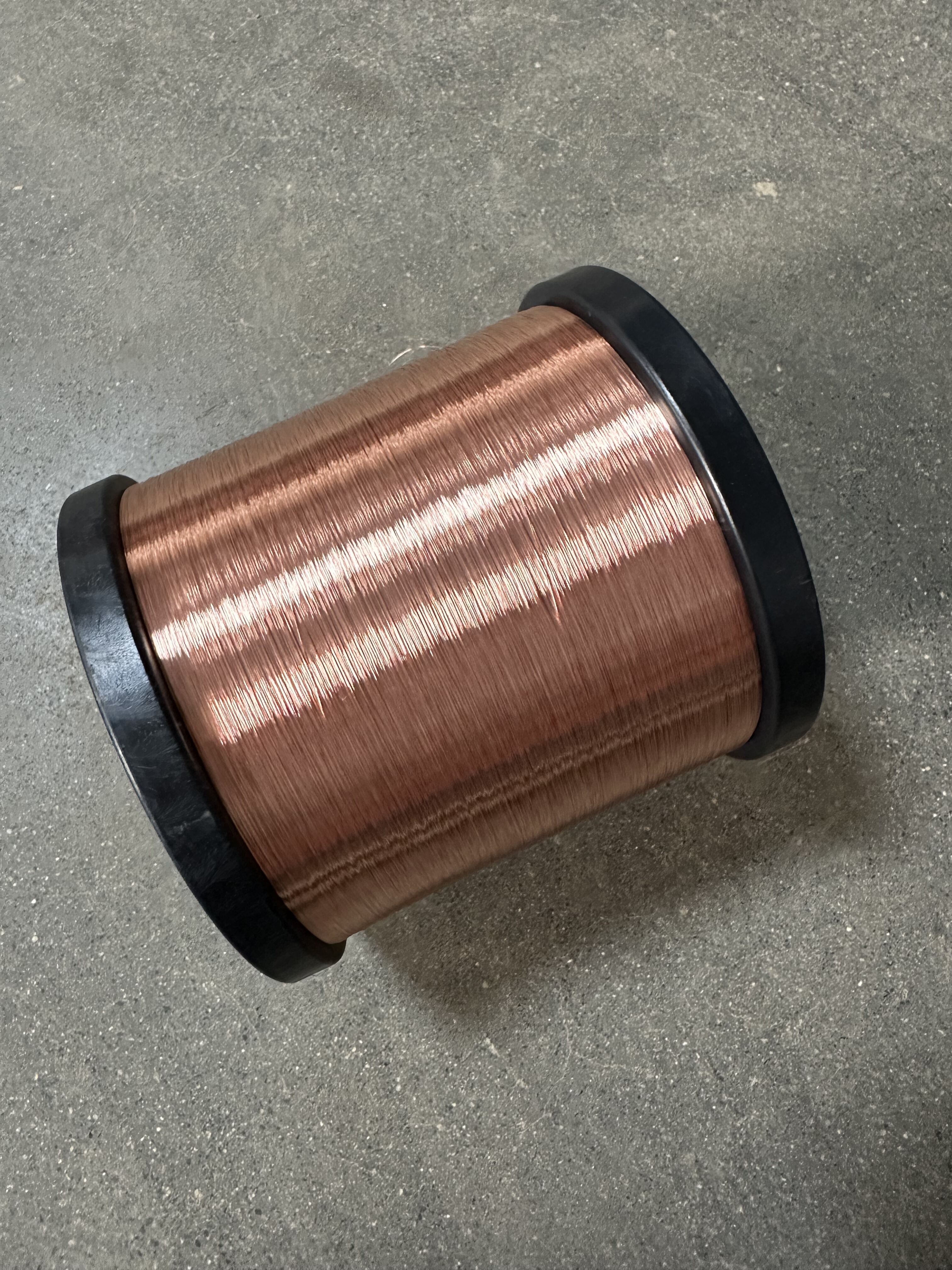
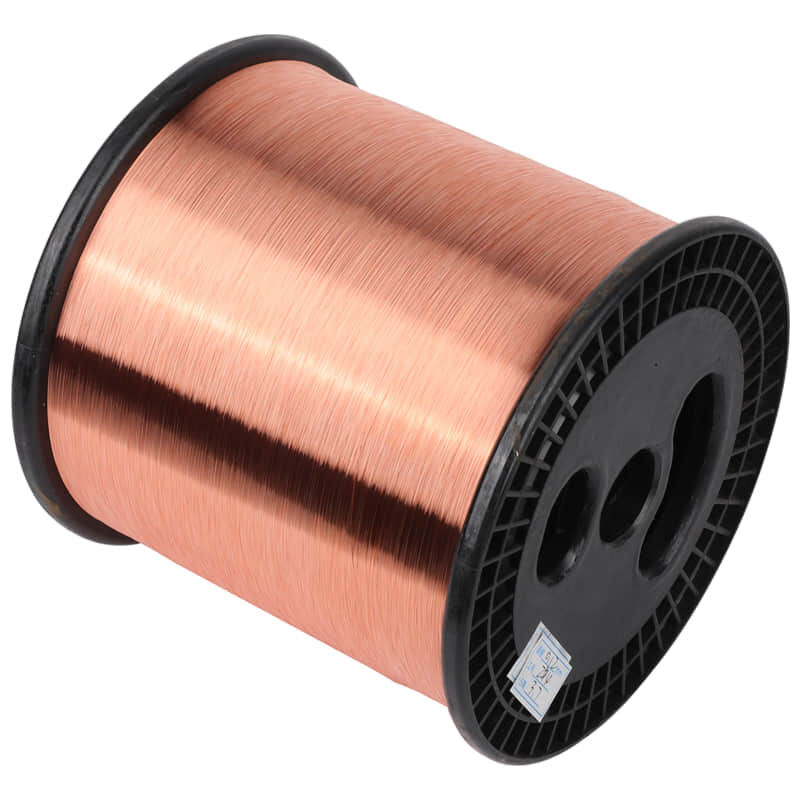
Underground cabling systems require materials that can withstand harsh environmental conditions while maintaining excellent electrical performance. Among the most reliable solutions for these demanding applications is copper clad steel, a composite material that combines the superior conductivity of copper with the mechanical strength of steel. This innovative material has revolutionized underground infrastructure by offering enhanced durability, cost-effectiveness, and performance characteristics that traditional materials cannot match. The increasing adoption of copper clad steel in underground cabling reflects its ability to meet stringent industry requirements while providing long-term reliability in challenging subsurface environments.
Superior Corrosion Resistance Properties
Enhanced Protection Against Underground Elements
The underground environment presents numerous challenges that can compromise the integrity of traditional cabling materials. Moisture, soil chemicals, and varying pH levels create corrosive conditions that rapidly degrade conventional conductors. Copper clad steel addresses these challenges through its unique construction, where the copper coating provides excellent corrosion resistance while the steel core maintains structural integrity. This dual-layer protection system ensures that underground installations remain functional for decades without requiring frequent maintenance or replacement.
The protective copper layer acts as a sacrificial barrier, preventing moisture and corrosive elements from reaching the steel core. This design philosophy extends the operational lifespan of underground cabling systems significantly compared to bare steel alternatives. Field studies have demonstrated that properly installed copper clad steel conductors can maintain their performance characteristics for over 50 years in challenging underground conditions, making them an ideal choice for critical infrastructure projects.
Chemical Stability in Diverse Soil Conditions
Different geographical regions present varying soil compositions that can affect conductor performance over time. Alkaline soils, acidic conditions, and high salt content environments all pose unique challenges to underground cabling systems. Copper clad steel demonstrates remarkable chemical stability across these diverse conditions, maintaining its electrical and mechanical properties regardless of soil composition. The copper cladding provides natural resistance to oxidation and chemical reactions that would otherwise compromise system reliability.
Testing in various soil types has shown that copper clad steel maintains consistent performance metrics even in the most challenging environments. This chemical stability translates to reduced maintenance requirements and lower total cost of ownership for underground cabling projects, making it an economically attractive solution for infrastructure developers and utility companies.
Exceptional Mechanical Strength and Durability
High Tensile Strength for Installation Demands
Underground cable installation often involves pulling conductors through conduits, trenches, and challenging terrain configurations. These installation processes place significant mechanical stress on the conductors, requiring materials with exceptional tensile strength. Copper clad steel offers superior mechanical properties compared to pure copper conductors, with tensile strengths that can exceed 60,000 PSI depending on the steel core composition and manufacturing process.
The high tensile strength of copper clad steel enables longer cable runs without intermediate pulling points, reducing installation complexity and costs. This mechanical advantage becomes particularly important in urban underground installations where access points are limited and installation windows are constrained. The ability to handle high pulling tensions without stretching or breaking ensures that installation schedules remain on track and reduces the risk of costly delays.
Resistance to Ground Movement and Settlement
Underground installations must withstand various forms of ground movement, including thermal expansion, soil settlement, and seismic activity. The mechanical properties of copper clad steel provide excellent resistance to these environmental stresses, maintaining conductor integrity even when subjected to significant ground movements. The steel core provides the necessary strength to resist stretching and breaking, while the copper cladding ensures continued electrical performance.
Long-term monitoring of copper clad steel installations in seismically active regions has demonstrated the material's ability to maintain system functionality even after significant ground disturbances. This resilience reduces the risk of service interruptions and emergency repairs, contributing to overall system reliability and reduced maintenance costs over the conductor's operational lifetime.
Cost-Effective Performance Benefits
Reduced Material Costs Compared to Pure Copper
The economic advantages of copper clad steel become apparent when considering both initial material costs and long-term performance benefits. While maintaining the electrical characteristics necessary for effective signal transmission, copper clad steel typically costs 30-50% less than equivalent pure copper conductors. This cost reduction stems from the efficient use of copper as a cladding material rather than as the entire conductor composition.
The cost savings associated with copper clad steel extend beyond simple material procurement. The reduced weight compared to solid copper conductors translates to lower shipping costs, easier handling during installation, and reduced structural support requirements. These secondary cost benefits accumulate throughout the project lifecycle, making copper clad steel an economically attractive option for large-scale underground cabling projects.
Lower Installation and Maintenance Expenses
The superior mechanical properties of copper clad steel contribute to reduced installation costs through faster deployment and fewer installation complications. The material's resistance to damage during installation reduces waste and rework requirements, while its compatibility with standard installation equipment eliminates the need for specialized tools or procedures. These factors combine to reduce overall project timelines and associated labor costs.
Maintenance requirements for copper clad steel installations are significantly lower than traditional alternatives due to the material's inherent durability and corrosion resistance. The extended service life means fewer replacement cycles and reduced system downtime for maintenance activities. This reliability translates to lower total cost of ownership and improved return on investment for infrastructure projects.
Excellent Electrical Performance Characteristics
Optimal Conductivity for Signal Transmission
The electrical performance of underground cabling systems directly impacts signal quality, transmission efficiency, and system reliability. Copper clad steel provides excellent electrical conductivity through its copper cladding, which carries the majority of electrical current due to the skin effect phenomenon. This design ensures that signal transmission quality remains high while benefiting from the mechanical advantages of the steel core.
At typical operating frequencies used in underground cabling applications, copper clad steel demonstrates electrical performance that closely matches pure copper conductors. The depth of current penetration in most applications remains within the copper cladding layer, ensuring optimal conductivity while maintaining the structural benefits of the steel core. This performance characteristic makes copper clad steel particularly suitable for power distribution, telecommunications, and data transmission applications.
Frequency Response and Signal Integrity
Modern underground cabling systems must support a wide range of frequencies and signal types, from low-frequency power transmission to high-frequency data communications. Copper clad steel demonstrates excellent frequency response characteristics across this spectrum, maintaining signal integrity even in challenging underground environments. The copper cladding provides the necessary conductive path for high-frequency signals while the steel core adds mechanical stability.
Testing has shown that copper clad steel conductors maintain consistent impedance characteristics and minimal signal distortion across their operational frequency range. This performance stability ensures reliable data transmission and communication system performance, making copper clad steel an excellent choice for critical underground infrastructure applications where signal integrity cannot be compromised.
Environmental Sustainability Advantages
Resource Efficiency and Material Conservation
The construction of copper clad steel represents an efficient use of natural resources by maximizing the benefits of copper while minimizing its consumption. By using copper as a cladding material rather than the entire conductor, copper clad steel reduces the demand for this valuable resource while maintaining essential electrical properties. This resource efficiency aligns with sustainability goals and helps manage the environmental impact of large infrastructure projects.
The manufacturing process for copper clad steel utilizes established metallurgical techniques that minimize waste and energy consumption. The bonding process between copper and steel creates a permanent molecular connection that ensures long-term performance without the need for additional coatings or treatments. This manufacturing efficiency contributes to the overall environmental benefits of choosing copper clad steel for underground applications.
Lifecycle Environmental Impact
The extended service life of copper clad steel installations significantly reduces their environmental impact compared to shorter-lived alternatives. Fewer replacement cycles mean reduced material consumption, lower transportation requirements, and decreased installation disturbances over the system's lifetime. This longevity makes copper clad steel an environmentally responsible choice for underground cabling projects.
At the end of their service life, copper clad steel conductors can be recycled through established metal recovery processes. Both the copper cladding and steel core retain their value and can be reclaimed for use in new products. This recyclability closes the material loop and contributes to circular economy principles in infrastructure development.
Installation and Compatibility Advantages
Standard Equipment Compatibility
One of the practical advantages of copper clad steel is its compatibility with existing installation equipment and procedures used for conventional conductors. Installation crews can utilize familiar tools and techniques without requiring specialized training or equipment modifications. This compatibility reduces project complexity and minimizes the learning curve associated with adopting new materials.
The dimensional stability and handling characteristics of copper clad steel closely match those of traditional conductors, ensuring that existing conduit systems, pulling equipment, and installation hardware remain fully compatible. This seamless integration capability makes copper clad steel an attractive retrofit option for system upgrades and expansions.
Termination and Connection Reliability
Proper termination and connection techniques are critical for maintaining system performance and reliability in underground applications. Copper clad steel is compatible with standard termination hardware and connection methods used for copper conductors, ensuring reliable electrical connections without specialized components. The copper cladding provides an excellent surface for mechanical and compression connections.
Long-term connection reliability is enhanced by the corrosion resistance of the copper cladding, which maintains clean contact surfaces and prevents degradation at termination points. This reliability reduces the risk of connection failures and associated system outages, contributing to overall system dependability in critical underground applications.
FAQ
How long does copper clad steel last in underground applications
Copper clad steel conductors typically provide reliable service for 50 years or more in underground applications when properly installed. The corrosion-resistant copper cladding protects the steel core from environmental degradation, while the mechanical strength of the steel ensures structural integrity over extended periods. Field experience and accelerated testing confirm that copper clad steel maintains its electrical and mechanical properties throughout this extended service life, making it an excellent long-term investment for underground infrastructure.
What soil conditions are suitable for copper clad steel installation
Copper clad steel demonstrates excellent performance across a wide range of soil conditions, including acidic, alkaline, and high-salt environments. The copper cladding provides natural resistance to chemical reactions with soil components, while proper installation techniques can address specific environmental challenges. Most standard soil conditions pose no significant concerns for copper clad steel installations, though severe conditions may require additional protective measures or specialized installation procedures.
Can copper clad steel be used for high-frequency applications
Yes, copper clad steel is well-suited for high-frequency applications due to the skin effect phenomenon, where current flows primarily through the outer copper layer. The copper cladding provides excellent conductivity for high-frequency signals while the steel core adds mechanical strength without significantly impacting electrical performance. This makes copper clad steel an effective choice for telecommunications, data transmission, and other high-frequency underground applications.
What maintenance is required for underground copper clad steel installations
Copper clad steel installations typically require minimal maintenance due to their corrosion resistance and mechanical durability. Routine inspections of accessible termination points and periodic system testing are generally sufficient to ensure continued performance. The materials inherent resistance to environmental degradation eliminates the need for frequent maintenance interventions, reducing long-term operational costs and system downtime compared to other conductor materials.