EN
EN



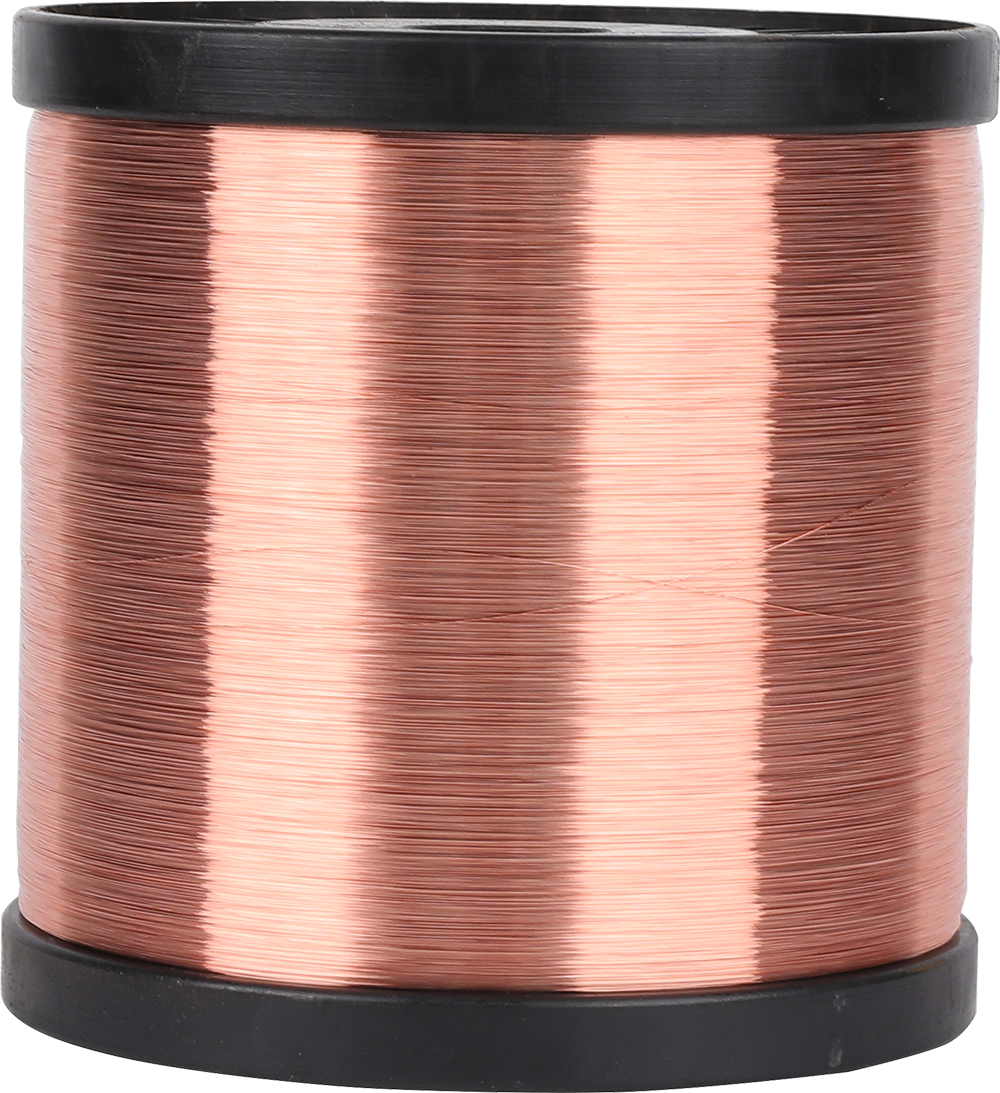
Copper clad steel represents one of the most innovative and cost-effective solutions in modern electrical and telecommunications applications. This composite material combines the strength and durability of steel with the superior conductivity properties of copper, creating a versatile product that serves multiple industries worldwide. Understanding where copper clad steel is most commonly used helps engineers, contractors, and procurement professionals make informed decisions about material selection for their specific projects.
The unique properties of copper clad steel make it an ideal choice for applications requiring both mechanical strength and electrical conductivity. The steel core provides exceptional tensile strength and resistance to environmental factors, while the copper cladding ensures excellent electrical performance. This combination results in a material that outperforms traditional alternatives in many demanding applications, offering superior value and longevity.
Grounding and Earthing Systems
Power Generation Facilities
Power plants and electrical generation facilities represent one of the largest markets for copper clad steel applications. These installations require robust grounding systems capable of handling massive electrical loads while maintaining structural integrity under extreme conditions. The steel core provides the mechanical strength necessary to withstand environmental stresses, while the copper coating ensures optimal electrical conductivity for safety and operational efficiency.
Nuclear power facilities, coal-fired plants, and renewable energy installations all rely heavily on copper clad steel for their grounding infrastructure. The material's resistance to corrosion and its ability to maintain conductivity over extended periods make it particularly valuable in these critical applications. Additionally, the cost savings compared to solid copper conductors make copper clad steel an economically attractive option for large-scale installations.
Industrial Manufacturing Plants
Manufacturing facilities across various industries utilize copper clad steel for comprehensive grounding systems that protect both equipment and personnel. Chemical processing plants, steel mills, and automotive manufacturing facilities all depend on reliable earthing systems to prevent electrical hazards and ensure smooth operations. The durability of copper clad steel makes it ideal for these harsh industrial environments where traditional materials might fail prematurely.
The installation of copper clad steel grounding systems in industrial settings often involves complex networks spanning large areas. The material's flexibility allows for easier installation while maintaining the structural integrity needed for long-term performance. This combination of practical benefits makes it the preferred choice for industrial electrical contractors and facility managers.
Telecommunications Infrastructure
Cell Tower Construction
The telecommunications industry extensively uses copper clad steel in cell tower construction and supporting infrastructure. These installations require materials that can withstand extreme weather conditions while providing reliable electrical performance for signal transmission and grounding applications. The high tensile strength of the steel core makes it perfect for guy wires and structural supports, while the copper cladding ensures optimal signal integrity.
Modern 5G networks place even greater demands on infrastructure materials, requiring enhanced performance characteristics that copper clad steel readily provides. The material's ability to handle high-frequency signals while maintaining structural stability makes it indispensable for next-generation telecommunications systems. Network providers increasingly rely on copper clad steel to build robust, long-lasting infrastructure that can adapt to evolving technology requirements.
Cable Television Networks
Cable television and broadband internet providers utilize copper clad steel extensively in their distribution networks. The material serves dual purposes in these applications, providing both the structural support needed for aerial installations and the electrical properties required for signal transmission. This versatility reduces installation complexity and overall system costs while improving reliability.
The resistance to environmental degradation makes copper clad steel particularly valuable in cable television applications where long-term reliability is essential. Underground installations benefit from the material's corrosion resistance, while overhead systems take advantage of its mechanical strength. This adaptability across different installation methods contributes to its widespread adoption in the telecommunications sector.
Lightning Protection Systems
Commercial Building Protection
Lightning protection systems for commercial buildings rely heavily on copper clad steel components to provide comprehensive protection against electrical surges. High-rise buildings, shopping centers, and office complexes all require sophisticated lightning rod systems that can safely conduct electrical energy to ground. The combination of strength and conductivity in copper clad steel makes it ideal for these critical safety applications.
Building codes and insurance requirements often specify the use of copper clad steel in lightning protection systems due to its proven performance record. The material's ability to maintain its properties over decades of exposure to weather and environmental conditions ensures long-term protection for building occupants and valuable equipment. This reliability factor makes copper clad steel the standard choice for professional lightning protection installers.
Aviation Industry Applications
Airports and aircraft maintenance facilities utilize copper clad steel for lightning protection systems that safeguard both ground operations and aircraft. These installations must meet stringent aviation safety standards while providing reliable protection in challenging environments. The durability and performance characteristics of copper clad steel make it well-suited for these demanding applications.
Runway lighting systems and air traffic control facilities also benefit from copper clad steel installations that provide both structural support and electrical continuity. The material's consistent performance under varying weather conditions ensures critical aviation systems remain operational when needed most. This reliability factor contributes significantly to overall aviation safety standards.
Railway and Transportation Systems
Rail Infrastructure
Railway systems worldwide depend on copper clad steel for various applications including track bonding, signaling systems, and catenary support structures. The material's ability to conduct electrical current while providing mechanical strength makes it essential for electrified rail systems. Passenger rail networks, freight railways, and urban transit systems all incorporate copper clad steel components in their infrastructure.
High-speed rail networks place particularly demanding requirements on infrastructure materials, and copper clad steel meets these challenges effectively. The material's performance under dynamic loading conditions and its resistance to fatigue make it suitable for high-frequency train operations. Additionally, the reduced maintenance requirements compared to traditional materials provide significant cost savings over the system's operational lifetime.
Highway and Bridge Applications
Transportation infrastructure including highways, bridges, and tunnels utilizes copper clad steel for various electrical and structural applications. Traffic management systems, electronic toll collection equipment, and communication networks all require reliable grounding and electrical connections that copper clad steel provides. The material's resistance to road salt and other environmental contaminants makes it particularly valuable in these applications.
Bridge construction projects often specify copper clad steel for both structural and electrical applications due to its unique combination of properties. The material serves in guy wire applications, grounding systems, and support structures where both strength and conductivity are required. This versatility simplifies construction logistics and reduces overall project costs while ensuring long-term performance.
Marine and Offshore Applications
Port and Harbor Facilities
Marine environments present unique challenges that copper clad steel handles effectively through its corrosion-resistant properties and mechanical strength. Port facilities, docks, and harbor infrastructure rely on copper clad steel for grounding systems, cathodic protection, and structural applications. The material's performance in saltwater environments makes it superior to many traditional alternatives.
Container terminals and cargo handling facilities utilize copper clad steel for electrical systems that must operate reliably in harsh marine conditions. The material's ability to maintain its properties despite constant exposure to salt spray and moisture ensures consistent performance over extended periods. This reliability is crucial for maintaining operational efficiency in busy port facilities.
Offshore Platform Construction
Oil and gas platforms, wind farms, and other offshore installations depend on copper clad steel for critical electrical and structural applications. These environments demand materials that can withstand extreme weather conditions while providing reliable electrical performance. The strength-to-weight ratio of copper clad steel makes it particularly attractive for offshore applications where weight considerations are critical.
Offshore wind energy projects increasingly rely on copper clad steel for tower construction, grounding systems, and electrical interconnections. The material's performance in marine environments combined with its cost-effectiveness makes it an essential component in renewable energy infrastructure development. This application area continues to grow as offshore wind installations expand globally.
FAQ
What makes copper clad steel superior to solid copper wire in grounding applications
Copper clad steel offers superior mechanical strength compared to solid copper while providing comparable electrical conductivity for grounding purposes. The steel core provides tensile strength up to five times greater than solid copper, making it ideal for installations where mechanical stress is a concern. Additionally, copper clad steel typically costs 40-60% less than equivalent solid copper conductors, providing significant cost savings without compromising electrical performance. The corrosion resistance and durability of copper clad steel also result in longer service life and reduced maintenance requirements.
How does copper clad steel perform in high-frequency telecommunications applications
Copper clad steel performs exceptionally well in high-frequency applications due to the skin effect phenomenon, where electrical current travels primarily on the conductor's surface. Since the copper cladding provides the primary conductive path for high-frequency signals, the steel core's lower conductivity has minimal impact on signal integrity. This makes copper clad steel nearly equivalent to solid copper for telecommunications applications while providing superior mechanical properties. The material successfully handles frequencies up to several gigahertz, making it suitable for modern cellular and data transmission systems.
What are the installation considerations for copper clad steel in lightning protection systems
Installation of copper clad steel in lightning protection systems requires careful attention to connection methods and system design to ensure optimal performance. Proper bonding techniques using compatible materials prevent galvanic corrosion and maintain electrical continuity throughout the system. The material should be installed with appropriate bend radius considerations to prevent damage to the copper cladding. Professional installation following industry standards such as NFPA 780 ensures the system provides effective protection while maximizing the service life of copper clad steel components.
Why is copper clad steel preferred over aluminum conductors in many applications
Copper clad steel offers several advantages over aluminum conductors including superior corrosion resistance, higher tensile strength, and better electrical conductivity. While aluminum is lighter and less expensive, copper clad steel provides more reliable long-term performance in demanding environments. The copper cladding prevents oxidation issues common with aluminum conductors, eliminating the need for special connection treatments. Additionally, copper clad steel maintains its electrical and mechanical properties over longer periods, resulting in lower lifecycle costs despite higher initial investment compared to aluminum alternatives.
Table of Contents
- Grounding and Earthing Systems
- Telecommunications Infrastructure
- Lightning Protection Systems
- Railway and Transportation Systems
- Marine and Offshore Applications
-
FAQ
- What makes copper clad steel superior to solid copper wire in grounding applications
- How does copper clad steel perform in high-frequency telecommunications applications
- What are the installation considerations for copper clad steel in lightning protection systems
- Why is copper clad steel preferred over aluminum conductors in many applications