EN
EN



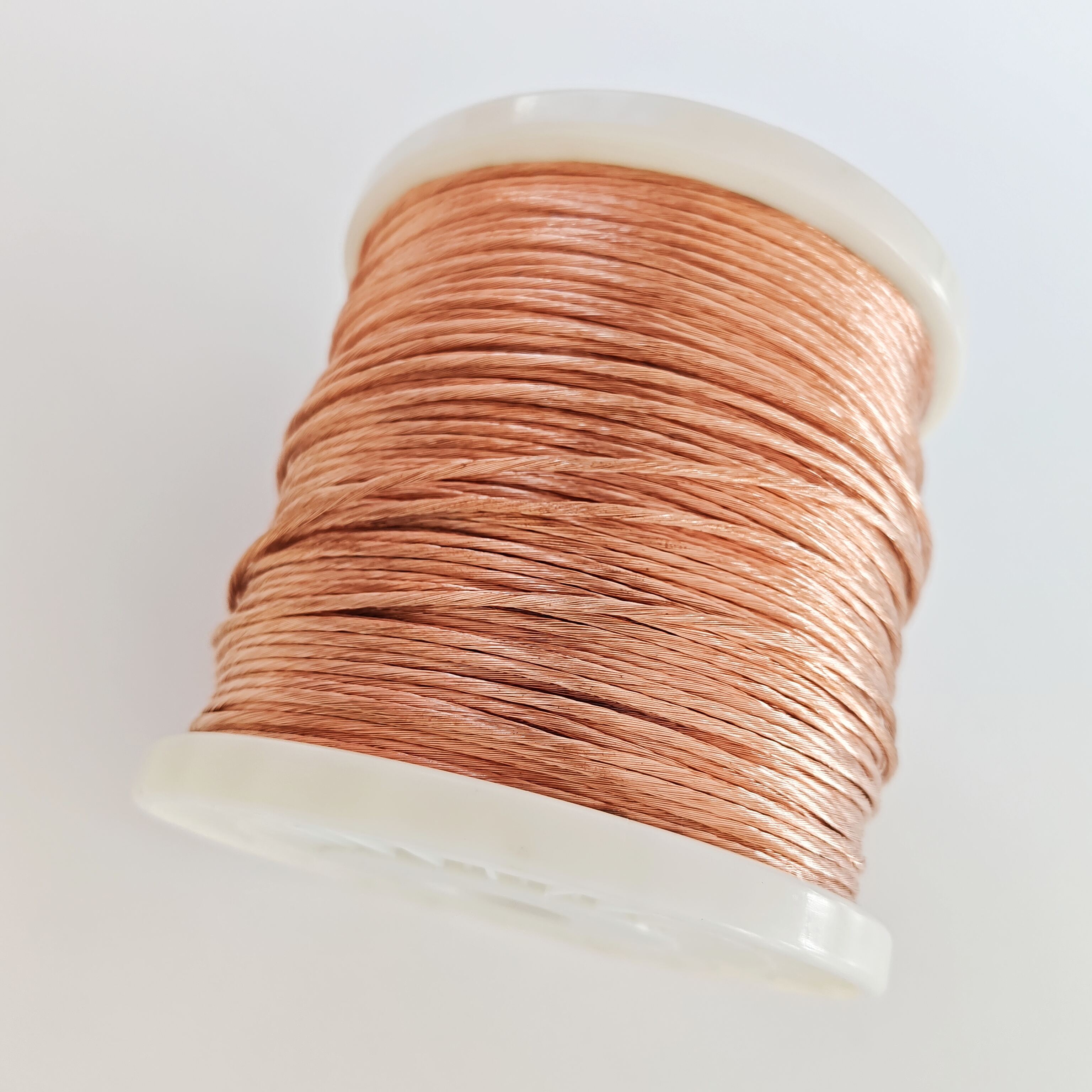
Copper clad steel strand wire represents a revolutionary advancement in electrical and telecommunications infrastructure, combining the superior conductivity of copper with the exceptional strength of steel. This innovative wire technology has transformed industries ranging from power transmission to telecommunications, offering engineers and contractors a reliable solution that delivers both electrical performance and mechanical durability. The unique construction of copper clad steel strand wire makes it an indispensable component in modern electrical systems where traditional copper wire may fall short of meeting demanding mechanical requirements.
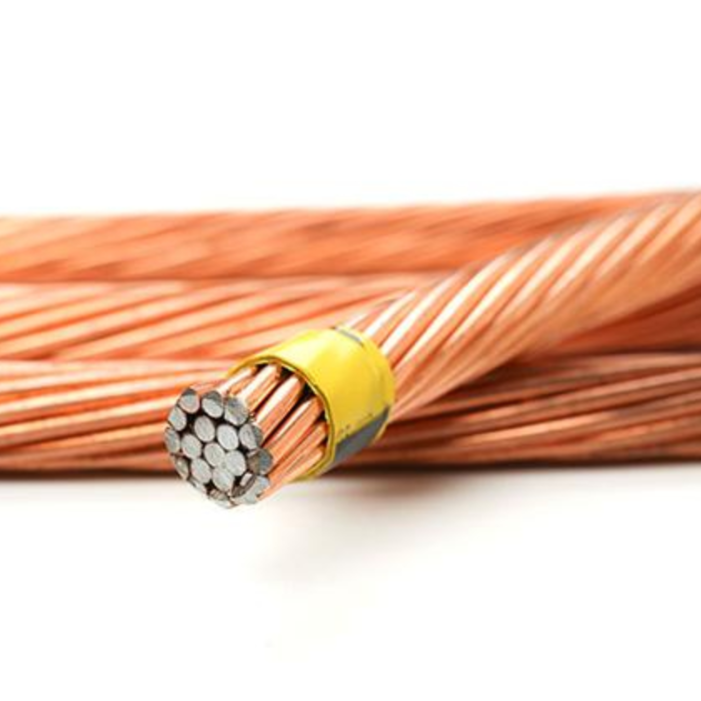
The manufacturing process involves metallurgically bonding a layer of copper to a steel core through specialized techniques that ensure permanent adhesion between the two metals. This process creates a wire that maintains the electrical characteristics essential for signal transmission while providing the tensile strength necessary for overhead installations and challenging environmental conditions. Industries worldwide have embraced copper clad steel strand wire as a cost-effective alternative to solid copper conductors, particularly in applications where weight, strength, and longevity are critical factors.
Electrical Power Transmission Applications
Overhead Power Lines and Distribution Networks
Copper clad steel strand wire serves as the backbone of modern electrical power transmission systems, particularly in overhead power line construction where mechanical strength is paramount. The steel core provides exceptional tensile strength that enables longer spans between supporting structures, reducing installation costs and improving system reliability. Power utility companies increasingly specify copper clad steel strand wire for medium and high-voltage applications where traditional copper conductors would require more frequent support structures due to their lower tensile strength.
The electrical performance of copper clad steel strand wire in power transmission applications closely matches that of solid copper conductors for most frequency ranges encountered in power systems. The copper cladding ensures excellent conductivity for power frequency applications while the steel core maintains structural integrity under ice loading, wind stress, and thermal cycling conditions. This combination makes copper clad steel strand wire particularly valuable in regions with severe weather conditions where conductor failure could result in extended power outages.
Grounding Systems and Earth Connections
Grounding applications represent another critical use for copper clad steel strand wire, where the material's corrosion resistance and electrical conductivity provide superior performance compared to galvanized steel alternatives. The copper cladding protects the steel core from corrosion while maintaining the low resistance path essential for effective grounding systems. Electrical contractors frequently choose copper clad steel strand wire for grounding electrode conductors, equipment grounding, and lightning protection systems due to its longevity and reliable electrical performance.
Installation of copper clad steel strand wire in grounding applications offers significant advantages in terms of system reliability and maintenance requirements. The material's resistance to galvanic corrosion when connected to copper components eliminates many compatibility issues encountered with dissimilar metals in grounding systems. This compatibility extends the service life of grounding installations and reduces the likelihood of ground fault incidents caused by deteriorated connections.
Telecommunications Infrastructure
Overhead Telecommunications Lines
The telecommunications industry has widely adopted copper clad steel strand wire for overhead installations where signal quality and mechanical reliability must coexist. Telephone and data communication lines spanning long distances require conductors that can maintain signal integrity while withstanding environmental stresses including wind, ice, and temperature variations. The steel core provides the mechanical strength necessary for these installations while the copper cladding ensures proper signal transmission characteristics.
Modern telecommunications networks increasingly rely on copper clad steel strand wire for backbone connections between switching centers and distribution points. The material's ability to carry both voice and data signals with minimal attenuation makes it suitable for various telecommunications protocols. Network engineers appreciate the reduced maintenance requirements associated with copper clad steel strand wire compared to traditional copper conductors, particularly in rural and remote installations where access for repairs is challenging and costly.
Cable Television and Broadband Networks
Cable television and broadband internet infrastructure extensively utilize copper clad steel strand wire in coaxial cable construction and distribution systems. The center conductor in many coaxial cables employs copper clad steel strand wire to provide both the electrical performance required for high-frequency signal transmission and the mechanical strength needed for cable pulling and installation processes. This application demonstrates the versatility of copper clad steel strand wire in supporting modern communication technologies.
Broadband network operators benefit from the cost-effectiveness of copper clad steel strand wire in building extensive distribution networks. The material's performance characteristics support high-speed data transmission while reducing material costs compared to solid copper alternatives. Installation crews also appreciate the improved handling characteristics of copper clad steel strand wire during cable pulling operations, where the additional strength reduces the likelihood of conductor damage during installation.
Industrial and Manufacturing Applications
Catenary Systems and Overhead Cranes
Industrial facilities frequently employ copper clad steel strand wire in catenary systems that provide power to mobile equipment such as overhead cranes, hoists, and automated material handling systems. These applications demand conductors that can withstand constant flexing, mechanical stress, and exposure to industrial environments while maintaining reliable electrical contact. The combination of copper's electrical properties and steel's mechanical strength makes copper clad steel strand wire ideal for these demanding applications.
Manufacturing facilities with extensive overhead crane systems rely on copper clad steel strand wire to ensure continuous operation of material handling equipment. The wire's resistance to fatigue failure under repeated flexing extends system uptime and reduces maintenance costs associated with conductor replacement. Industrial engineers specify copper clad steel strand wire for catenary systems where downtime costs associated with electrical failures would be prohibitively expensive.
Welding and Arc Applications
Specialized welding applications utilize copper clad steel strand wire in electrode holders and ground connections where both electrical conductivity and durability are essential. The material's ability to handle high current loads while resisting damage from sparks and heat makes it valuable in industrial welding operations. Welding equipment manufacturers incorporate copper clad steel strand wire into cable assemblies that must withstand harsh industrial environments and frequent handling.
Arc welding processes benefit from the consistent electrical performance of copper clad steel strand wire in ground return circuits and electrode feeds. The material's low resistance characteristics ensure stable arc performance while the steel reinforcement provides mechanical durability in workshop environments where cables are subject to abrasion, impacts, and extreme temperatures. This combination of properties makes copper clad steel strand wire an excellent choice for professional welding applications.
Transportation and Infrastructure
Railway Electrification Systems
Railway electrification projects extensively use copper clad steel strand wire in overhead catenary systems that power electric trains and light rail vehicles. These installations require conductors capable of carrying high currents while spanning considerable distances between support structures. The steel core provides the mechanical strength necessary for overhead installations while the copper cladding ensures efficient power transmission to moving vehicles through pantograph contact systems.
Modern railway systems benefit from the longevity and reliability of copper clad steel strand wire in catenary applications where service interruptions can affect thousands of passengers. The material's resistance to fatigue and corrosion extends the service life of electrification infrastructure, reducing maintenance costs and improving system availability. Railway engineers specify copper clad steel strand wire for both new construction and modernization projects where proven performance and cost-effectiveness are priorities.
Airport and Aviation Ground Systems
Aviation infrastructure utilizes copper clad steel strand wire in ground support systems including runway lighting, navigation aids, and aircraft servicing equipment. These applications require conductors that can withstand exposure to jet fuel vapors, deicing chemicals, and extreme weather conditions while maintaining reliable electrical performance. The corrosion resistance provided by the copper cladding makes copper clad steel strand wire suitable for these challenging aviation environments.
Airport electrical systems depend on copper clad steel strand wire for critical safety systems where failure is not acceptable. Runway approach lighting systems, ground radar installations, and emergency power distribution networks all benefit from the material's combination of electrical performance and environmental resistance. Aviation electricians appreciate the ease of installation and connection associated with copper clad steel strand wire compared to alternative conductor materials.
Marine and Offshore Applications
Shipboard Electrical Systems
Marine electrical installations increasingly specify copper clad steel strand wire for shipboard wiring systems where space, weight, and corrosion resistance are critical factors. The material's strength-to-weight ratio provides advantages in vessel construction while the copper cladding offers superior corrosion resistance in marine environments. Ship designers incorporate copper clad steel strand wire into power distribution systems, lighting circuits, and navigation equipment installations.
Naval and commercial vessels benefit from the reduced maintenance requirements of copper clad steel strand wire compared to traditional marine wiring materials. The combination of mechanical strength and electrical performance makes it suitable for applications ranging from small pleasure craft to large commercial vessels. Marine electricians value the material's compatibility with standard electrical connectors and termination hardware used in shipboard installations.
Offshore Platform Installations
Offshore oil and gas platforms utilize copper clad steel strand wire in electrical systems where exposure to salt spray, high winds, and corrosive environments demands exceptional material performance. These installations require conductors that can maintain electrical integrity while withstanding the mechanical stresses associated with platform movement and environmental loading. The steel core provides structural stability while the copper cladding resists corrosion from marine atmospheric conditions.
Offshore electrical contractors specify copper clad steel strand wire for power distribution, lighting, and control systems on drilling platforms and production facilities. The material's proven performance in marine environments reduces the risk of electrical failures that could compromise platform safety or production operations. Installation teams appreciate the handling characteristics of copper clad steel strand wire during offshore construction projects where working conditions are challenging and material reliability is paramount.
FAQ
How does copper clad steel strand wire compare to solid copper wire in terms of conductivity
Copper clad steel strand wire provides approximately 20-40% of the conductivity of solid copper wire, depending on the copper cladding thickness. For most power frequency applications, this conductivity level is sufficient while providing significantly greater mechanical strength. The reduced conductivity is offset by the material's ability to span longer distances without intermediate supports, making it cost-effective for many installations despite the lower electrical conductivity per unit weight.
What environmental conditions affect the performance of copper clad steel strand wire
Copper clad steel strand wire performs well in most environmental conditions including temperature extremes, humidity, and salt spray exposure. The copper cladding provides corrosion protection for the steel core, extending service life in challenging environments. However, installations in highly acidic or alkaline conditions may require additional protective measures such as specialized coatings or cathodic protection systems to ensure long-term reliability and performance.
Can copper clad steel strand wire be used in high-frequency applications
Copper clad steel strand wire is suitable for high-frequency applications due to the skin effect phenomenon, where high-frequency currents travel primarily in the outer conductor layers. Since the copper cladding provides the primary conduction path for high-frequency signals, the steel core has minimal impact on electrical performance. This makes copper clad steel strand wire effective for telecommunications, RF applications, and other high-frequency uses where mechanical strength is also required.
What are the typical installation considerations for copper clad steel strand wire
Installation of copper clad steel strand wire requires standard electrical installation practices with attention to proper termination techniques to ensure good electrical contact with the copper cladding. Special consideration should be given to expansion joints in long runs due to the different thermal expansion coefficients of copper and steel. Installers should use appropriate connector types designed for copper conductors and follow manufacturer guidelines for bending radius limitations to prevent damage to the copper cladding during installation.
Table of Contents
- Electrical Power Transmission Applications
- Telecommunications Infrastructure
- Industrial and Manufacturing Applications
- Transportation and Infrastructure
- Marine and Offshore Applications
-
FAQ
- How does copper clad steel strand wire compare to solid copper wire in terms of conductivity
- What environmental conditions affect the performance of copper clad steel strand wire
- Can copper clad steel strand wire be used in high-frequency applications
- What are the typical installation considerations for copper clad steel strand wire