EN
EN


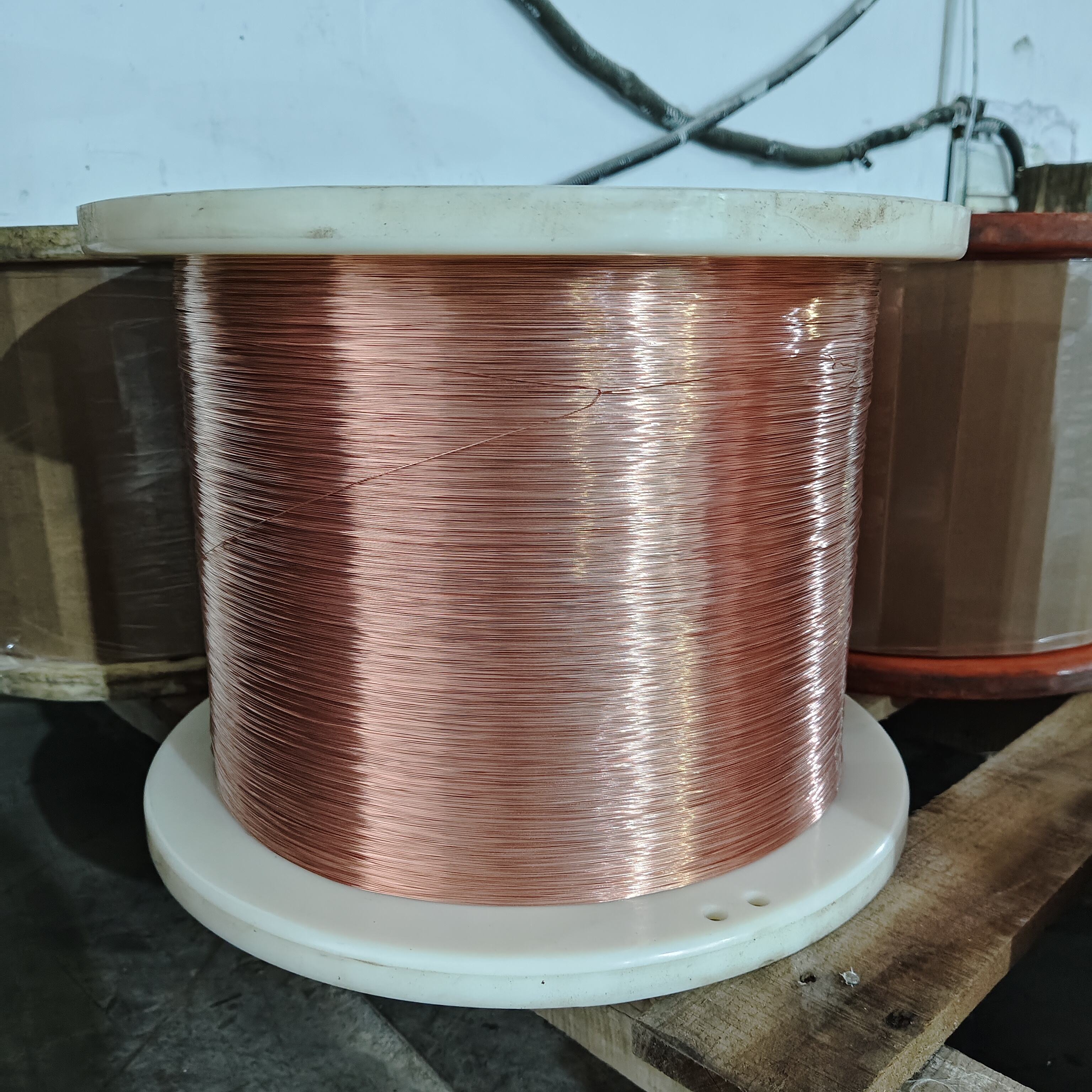
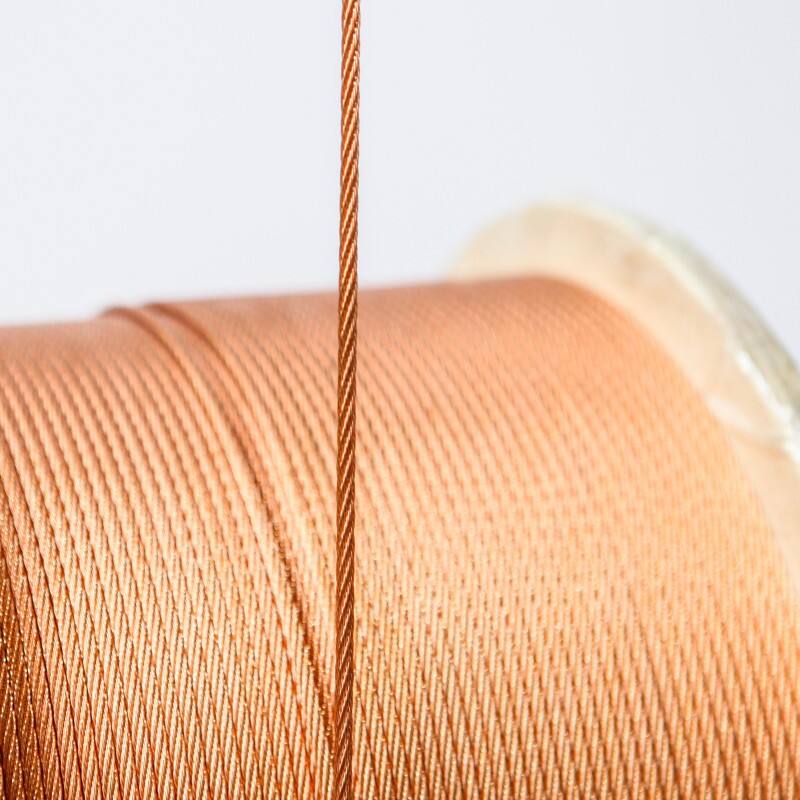
Teknolojia ya uzalishaji wa umeme imebadilika kwa kiasi kikubwa katika miaka iliyopita, na simala ya Enamel imekuja kuwa moja ya sehemu muhimu zaidi katika matumizi ya umeme ya kisasa. Mtambo huu maalum unajumuisha sifa nzuri za uhamishaji wa umeme za shaba au aluminium pamoja na mafuta ya polimea ya juu ya uzalishaji, ikijenga suluhisho la kuvutia kwa matumizi mengi ya viwanda na ya biashara. Ombi la kuzidi la mfumo wa umeme unaofaa katika viwanda vya kila aina limefanya simu ya kupakuliwa kuwa kitu cha lazima kwa watafiti na wazalishaji duniani kote.
Sifa Bora Za Utendaji Wa Umeme
Uhamishaji wa Umeme ulioimarishwa na Sifa za Kupinga
Ufunguo wa msingi wa simu ya kuvuliwa ni utendaji wake bora wa umeme pamoja na sifa za kuvulinwa bora. Msimbu wa shaba au aluminium hutoa uwezo bora wa kusafirisha sasa wakati unavyovulinwa na uvulinaji wa enamel huzuia kutokana kwa umeme na mzunguko mfupi. Kazi hizi mbili huzifanya simu ya kuvuliwa iwe na thamani kubwa hasa katika matumizi yanayohitaji udhibiti wa umeme wa uhakika na utendaji wa mara kwa mara kwa muda mrefu.
Mchakato wa kuzalisha kwa sasa ya kuvuliwa kwa kisasa hufanya upana wa sawa wa nguzo ya kuvulinwa, ambayo kwa kawaida huwaka kati ya 0.02 hadi 0.08 milimita kulingana na mahitaji ya matumizi. Uvulinaji huu wa usahihi hushughulikia nguvu ya dielektriki ya sawa kote kwenye urefu wa simu, ikiruhusu utendaji bora katika matumizi ya volti ya juu. Sifa za kujitoa kwa simu ya kuvuliwa ya ubora huzungumzika kwa ustahili katika mabadiliko ya joto, ikiruhusu tabia ya umeme ya inayotarajwa katika mazingira ya kufanya kazi tofauti.
Ulinzi dhidi ya Kutengua kwa Volti
Kuondoka kwa kipimo cha enamel kinatumika kama kikomo cha kushirikiana dhidi ya kupasuka kwa voltage, ikilinda sia ya mtunzaji na vipengele vya mazingira kutoka kwa mapungufu ya umeme. Simu ya kipimo cha enamel cha daraja la juu inaweza kubeba voltage kutoka 500V hadi mara nyingi za kilovolts, kulingana na daraja la uchujio na ukuwaji wa kipimo. Uwezo huu wa kubeba voltage unafanya iwe salama kwa vitransformu vya nguvu, mitambo ya umeme, na vifaa vingine vya voltage ya juu ambapo usalama wa uchujio ni muhimu sana.
Unguvu ya dielektriki ya simala ya Enamel huongezeka kadri unene wa mipako unavyoongezeka, na hivyo kuruhusu wahandisi kuchagua vipimo vinavyofaa kwa mahitaji maalum ya volteji. Mbinu za majaribio za hali ya juu huhakikisha kila kundi la waya linakidhi viwango vikali vya kuvunjika kwa volteji kabla ya kusafirishwa, na kuwapa wazalishaji ujasiri katika miundo yao ya mifumo ya umeme.
Usimamizi wa Joto na Uwezo wa Kukabiliana na Joto
Uwezo wa Kufanya Kazi katika Majoto ya Juu
Moja ya faida kubwa zaidi za simu ya kisasa ya kuvaa ni uwezo wake wa kufanya kazi kwa uaminifu katika maji ya juu. Daraja tofauti za uvinyo vina vipimo tofauti vya joto, na simu ya daraja H ya kuvaa inaweza kufanya kazi kwa muda mrefu katika maji hadi 180°C. Uwezo huu wa joto unaruhusu ubunifu wa moto wa ukubwa mdogo na matumizi ya nguvu kubwa ambayo mahitaji ya nafasi huwakilisha usimamizi wa joto kwa ufanisi.
Machapuko ya polyimide na polyesterimide yanayotumika kwa kawaida katika simu ya kuvaa ya kisasa huyatunza sifa zao za uvinyo hata chini ya mzigo wa joto. Ustahili huu wa joto huzuia uvinyo kutengua, ambao unaweza kusababisha mapinduzi ya umeme au kupungua kipindi cha maisha ya vifaa. Waengineeri wanaweza kubuni mitambo kwa dhaqiqia kubwa zaidi wakiotumia simu ya kuvaa inayosimama kwa joto, ikasababisha vifaa vya umeme vinavyofanya kazi kwa ufanisi zaidi na kwa ukubwa mdogo.
Upinzani wa Mabadiliko ya Joto
Panda juu ya utendaji wa kawaida wa joto, waya uliofungwa kwa mafuta hufanya kazi vizuri sana katika kupinga mabadiliko ya joto na hali za kushangaza. Mabadiliko ya haraka ya joto, ambayo ni ya kawaida katika matumizi ya vihuruma na viwanda, yanaweza kusababisha kuongezeka na kupungua ambacho kuhangaisha vifaa vya ufunuo. Waya bora uliofungwa kwa mafuta huweka usimamizi wake wa kimkono na umeme kupitia mizani mingi ya mabadiliko ya joto, ikithibitisha uaminifu wa muda mrefu katika mazingira ya kuzidi.
Urahisi wa malipizi ya mafuta ya kisasa unaruhusu kujitegemea kuongezeka kwa joto bila kuvunjika au kujitengana. Sifa hii ni muhimu sana katika matumizi kama vile moto ya vihuruma vya umeme na mfumo wa nishati ya kudumu, ambapo mabadiliko ya joto ni mara kwa mara na ya kubwa. Uchaguzi mzuri wa sifa za joto za waya uliofungwa kwa mafuta unaweza kukuza muda wa huduma ya vifaa na kupunguza mahitaji ya usimamizi.
Uthabiti wa Kimkono na Faida za Uwasilishaji
Urahisi na Sifa za Kuchukua na Kushughulikia
Mali ya kimechaniki ya simu ya kuvuliwa kuvutia inaifanya iwe na ufanisi mkubwa katika mchakato wa kuvuta kwa kutumia mashine na mpangilio wa mizunguko mingi. Uso wa glasi uliojulikana unaopatia upungufu wa msukumo wakati wa kuvuta, ukiruhusu kasi ya kuvuta ya juu na uvutaji bora zaidi wa mizunguko. Ufanisi huu wa kuchakata huwa na matokeo ya kupunguza gharama za uzalishaji na kuboresha ubora wa bidhaa kwa wazalishaji wa transforma na mitambo.
Simu ya kuvuliwa kuvutia ya kisasa ina uwezo mkubwa wa kuzunguka bila kuharibu uwezo wa kuvulinia, ikiruhusu radii za kuzunguka ndogo ambazo zinahitajika katika michakato ya umeme ya ukubwa mdogo. Kuvulinia kina uwezo wa kuzuia kuchomwa na kuchomwa wakati wa kushughulikia na kwanza, ukidumisha ubora wa kuvulinia wote kwenye mchakato wa uzalishaji. Mali hizi ya kimechaniki ni muhimu sana katika mazingira ya uzalishaji wa kiasi kikubwa ambapo vifaa vya kushughulikia simu vinapaswa kufanya kazi kwa kasi bora zaidi.
Mali ya Kuvunja na Kujumlisha
Mifumo ya kuvisha waya ya kipekee inajumuisha mafuta ya kuvisha yanayoweza kushikiana, ambayo inawezesha uwezo wa kufunga waya kwa njia ya kujishtakia. Mafuta haya ya kipekee huamshwa chini ya joto na shinikizo, ikijenga mishikano imara kati ya mzunguko wa waya kila moja bila kutumia mafuta ya kushikiana zaidi au vitu vya kuvisha. Kipengele hiki kinahakikisha kuwa utengenezaji wa mizunguko ni rahisi zaidi na kuboresha ustabiliti ya kimechaniki katika matumizi ambayo yanaweza kusababisha vibarubaru, kama vile katika mabadilisho ya magari na miongozo ya moto ya viwanda.
Unguvu ya kushikiana wa mifumo ya sasa ya waya zilizovishwa inaweza kupita 50 N/cm², ikutoa uhai wa kimechaniki mzuri kwa mizunguko inayotumiwa chini ya nguvu za umeme wakati wa kufanya kazi. Uwezo huu wa kushikiana unapunguza hitaji la miundo ya kushikiana ya ziada, ikiruhusu uboreshaji wa vipande vya umeme vinavyoonekana kama vikubwa na vya uzito mdogo. Wakuzaji wanafaida kutokana na mchakato rahisi wa kujenga na uboreshaji wa uaminifu wa bidhaa wakati wa kutumia teknolojia ya waya zilizovishwa zinazoweza kushikiana.
Unguvu dhidi ya kemikali na ulinzi wa mazingira
U совместимости na Madawa ya Kusonga na Kemikali
Uwezo wa upungufu wa kisasa wa uvimbe wa waya uliofungwa kwa kipanga unahakikisha ulinzi dhidi ya upungufu kutokana na mafuta, maji ya kusafisha, na vitu vingine vya kemia ambavyo vinaweza kupatikana katika mazingira ya viwanda. Ufunguo wa kipanga wa ubora wa juu unapunguza mabadiliko kutokana na mafuta ya transforma, mafuta ya kumfunga, na maji ya kusafisha ambayo yanaweza kukutana na waya wakati wa uendeshaji au usimamizi wa vifaa. Ustahili huu wa kikemia unahakikisha utendaji wa kuvuma kwa umeme kwa njia ya mara kwa mara kote kwenye muda wa huduma ya vifaa.
Mchanganyiko tofauti ya kipanga hutoa kiwango tofauti cha upungufu wa kikemia, ikiruhusu wahandisi kuchagua vipengele vya waya vinavyofaa kwa mazingira maalum ya mazingira. Waya uliofungwa kwa kipanga cha polyesterimide hutoa ulinzi mzuri dhidi ya hydrolysis na mabadiliko ya kikemia, kama vile yale yanayotokana na mazingira ya kujaa kwa unyevu au mazingira ya kikemia inayotaka kuzidhi. Uchaguzi wa mchanganyiko sahihi wa waya uliofungwa kwa kipanga unaweza kuzuia upungufu wa awali wa uvimbe na kuhakikisha kuongezeka kwa uaminifu wa vifaa.
Linda Dhidi Ya Umwamba Na Unyevu
Ukunyeshwa wa upepo unaweza kuharibu sana mambo ya umeme ya vitu vya kuvunjika, lakini malipizi ya waya yenye mchakato wa kisasa yanatoa barabara bora dhidi ya uingiaji wa upepo. Safu ya mchakato iliyojaa na iliyoendelea inazima upepo usiweze kufikia uso wa mtambo, ikidumisha upungufu wa kuvunjika cha umeme na upinzani mkubwa wa kuvunjika hata katika mazingira yenye upepo mingi. Ulinzi huu wa upepo unahitajika sana kwa matumizi ya nje na vifaa vinavyofanya kazi katika mazingira ya mlima ya tropiki.
Ujaribisho wa upinzani wa hydrolysis unaonyesha kwamba waya wenye mchakato wa kisasa hushinda mambo yake ya umeme na ya kimwili baada ya kuwa chini ya mazingira ya upepo kwa muda mrefu. Muundo wa molekuli wa mchakato uliobadilishwa kwa kina unalinda kuharibiwa na maji, ikizima kuchukua na kusofti ambacho kunaweza kuharibu utambulisho wa kuvunjika. Wafanyabiashara wa vifaa wanaweza kuchagua waya wenye mchakato wenye upinzani zaidi wa upepo kwa matumizi ambapo ukunyeshwa wa upepo haupaswi kuepuka.
Ufanisi wa Utengenezaji na Faida za Gharama
Uboreshaji wa Mtiririko wa Uzalishaji
Matumizi ya waya uliojaa kwa mafuta (enameled wire) yanafanya kazi ya kutengeneza vipengele vya umeme kuwa rahisi zaidi kwa kufuta hitaji la kufunika kwa jukwaa la kujifunika au vitu vya kufurahisha kwa kujifunika. Kofia ya kujifunika iliyopo ndani inaruhusu kufunika moja kwa moja waya katika umbali mdogo, kuhakikisha kutumika kwa kupitia ya shaba kwa ufanisi zaidi katika mipaka ya nafasi iliyopatikana. Ufanisi huu unasababisha wiani wa nguvu ya juu na utendaji bora zaidi wa umeme kwa kila kiasi cha kiasi cha kitu kilichotengenezwa.
Vifaa vya kufunika kwa otomati vinafanya kazi kwa ufanisi zaidi na waya uliojaa kwa mafuta kwa sababu ya ukubwa wake unaosimama na uso wake unaofanya kazi vizuri. Kufuta kifurushi cha kujifunika au vifurushi vya kujifunika hupunguza gharama za vitu na muda wa kufanya kazi, kuboresha ufanisi wa uuzaji wa kawaida. Udhibiti wa ubora wa waya uliojaa kwa mafuta wa sasa huzingatia tofauti ndogo ya ukubwa, kuhakikisha udhibiti wa kushusha kwa usahihi na mzira wa kufunika unaosimama ambao unahitajika kwa vipengele vya umeme vya utendaji bora.
Faida za Inbentori na Mnyororo wa Ubunifu
Waya isiyo na waya hurahisisha usimamizi wa hesabu kwa kuchanganya kazi za kondakta na insulation katika bidhaa moja. Watengenezaji wanaweza kupunguza idadi ya aina za vipengele vinavyohitajika kwa ajili ya uzalishaji, kupunguza mahitaji ya uhifadhi na ugumu wa ununuzi. Hali sanifu ya vipimo vya waya isiyo na waya huwezesha upatikanaji wa uhakika kutoka kwa wauzaji wengi, na kutoa urahisi wa mnyororo wa ugavi na fursa za uboreshaji wa gharama.
Muda mrefu wa maisha ya uvinyo wa kuvaa na sifa zake za ustahimilivu zinawawezesha watajiri kudumisha viwango vya hisa kwa njia ya kujitegemea bila shaka juu ya upungufu wa sifa za vitu. Tofauti na baadhi ya vitu vya kuvaa ambavyo vinaweza kuharibika kwa muda, uvinyo wa kuvaa uliohifadhiwa kwa usahihi hushinda sifa zake za umeme na za kiashiria kwa muda mrefu. Ustahimilivu huu hupunguza uchafu na kuboresha ubunifu wa mpango wa uzalishaji kwa watajiri wenye mpango wa uzalishaji unaobadilika.
Ungwana wa Matumizi na Kubakiwa na Sekta
Matumizi ya Mawasha na Mzalishaji
Uwezo wa kufanya mambo mengi ya simu ya kuvuliwa unafanya iwe chaguo la kipekee kwa mizani ya motori na kizalishaji katika viwanda vingi. Kutoka kwa motori ndogo za servo katika vifaa vya otomati, hadi kizalishaji kikubwa cha viwanda, simu ya kuvuliwa inatoa utendaji wa umeme na uaminifu unaohitajika kwa uboreshaji bora wa nguvu. Uwezo wa kuwakilisha kwa usahihi upana wa uvuli unasaidia kuboresha sababu za kujaza panga na vipengele vya utendaji wa umeme na magnetic.
Mashine za vihakiki vya umeme zinawakilisha matumizi ya haraka inayopanua kwa mifumo ya juu ya waya zenye kipimo cha joto, ambapo mahitaji ya usimamizi wa joto na densiti ya nguvu ni haswa ya kuzidi. Uunganisho wa sifa nzuri za joto na uwekaji wa ulinzi unaofaa unafanya waya zenye kipimo cha joto kuwa muhimu kufikia viwango vya ufanisi na uaminifu vinavyohitajika katika matumizi ya vihakiki. Mifumo ya kipimo cha joto ya kisasa iliyoundwa haswa kwa matumizi ya mashine za kusonga inaonyesha utendaji bora chini ya hali za kushughulikia kubwa zinazotokana na mfumo wa nguvu wa vihakiki vya umeme.
Uundaji wa Transformer na Inductor
Watajiri wa mionzi wanategemea sana uvinyo wa kuvaa kwa matumizi ya nguvu na ishara, ambapo utambulisho wa kuvaa na uwezo wa kujikalia kwa joto ni sababu muhimu za ubunifu. Udhibiti wa kina cha kuvaa kwa usahihi unawawezesha watajiri kuboresha ushirikiano wa kuvaa kati ya mzunguko-mzunguko na kati ya safu-safu, kuhakikisha uendeshaji bora chini ya mazingira ya mashakiki ya voltage ya juu. Uwezo wa kujikalia kwa joto wa uvinyo wa kuvaa wa kisasa unawawezesha watajiri kufikia densiti za nguvu za juu zaidi wakijitunza majuto ya kufanya kazi yanayokubalika.
Matumizi ya kizimani cha kifupi kama vile mzunguko wa kuvuta umeme na mabadilisho ya RF yanafaida kutokana na sifa za upungufu wa kuvunjika kwa umeme ya ulinzi wa juu wa waya uliofichwa kwa mafuta ya kisasa. Uso wa mwendo unaofanya kazi kwa urahisi na ukuwepo wa upana mdogo wa ulinzi unapunguza uwezekano wa ukombozi wa kuvunjika kwa umeme na kuboresha utendaji wa kizimani cha kifupi. Sifa hizi zinazofanya waya uliofichwa kwa mafuta kuwa bora sana kwa matumizi ya kielektroniki ya kisasa ambapo ufanisi na usambazaji wa umeme ni mahitaji muhimu ya ubunifu.
Maswali Yanayoulizwa Mara kwa Mara
Ni nini faida kuu za kutumia waya uliofichwa kwa mafuta kuliko aina nyingine za waya?
Simu ya kuvuliwa inatoa faida muhimu nyingi ikiwemo uovulwaji wa ndani ambao unakataza hitaji la vitu vya kuvuliwa vingine, vipawa vya joto vyenye ubora kwa matumizi ya joto kali, uwezo wa kuzunguka kwa urahisi kwa mifumo ya kuzunguka yanayotarajia kazi kubwa, na upinzani wa kemikali kwa hali za mazingira yanayotarajia kazi kubwa. Uunganisho wa vipawa hivi katika bidhaa moja hutoa faida kubwa za uzalishaji na utendaji kuliko wale wa kawaida wenye mfumo wa kuvuliwa tofauti.
Jinsi ya kipimo cha joto kinavyoathiri chaguzi ya simu ya kuvuliwa
Kiwango cha joto ni muhimu sana katika kuchagua simu ya kuvuliwa kwa sababu inaamua joto la juu zaidi la kushughulikia kwa muda mrefu bila kuharibika kwa uvuli. Simu ya daraja la A inashughulikia hadi 105°C, daraja la E hadi 120°C, daraja la B hadi 130°C, daraja la F hadi 155°C, na daraja la H hadi 180°C. Viwango vya juu zaidi vya joto vinawezesha miundo ya upepo wa chini na wiani wa nguvu wa juu zaidi lakini kwa kawaida hujumuisha gharama za vitu vya juu zaidi, kuhitaji uchambuzi wa uhandisi wa makini ili kutekelezwa usawa wa gharama-na-utendaji.
Vyanzo gani vinavyoathiri kuchaguliwa kwa u thicknes ya uvuli wa simu ya kuvuliwa
Uchaguzi wa u thickness wa kujifunza unategemea voltage ya kazi, hali za mazingira, mahitaji ya stress ya kimekaniki, na vikwazo vya nafasi. Voltage zisizo ya juu zinahitaji kujifunza kizuri zaidi kwa nguvu ya dielektriki ya kutosha, wakati mazingira magumu yanaweza hitaji kuchomwa kizuri zaidi kwa upungufu wa kemikali au upungufu wa kuchomwa kwa msongamano. Matumizi ya kimekaniki yenye kuzunguka kwa ukubwa mdogo au uwepo wa vibarua unafaida kutumia kuchomwa kizuri zaidi na kinachoweza kuzunguka kwa urahisi, ingawa hii inapaswa kupangwa kwa makadirio ya vikwazo vya nafasi katika michoro ya umeme yenye ukubwa mdogo.
Wanajuzi wanaweza kuhakikisha ubora na uaminifu wa waya uliojifunzwa jinsi gani
Uthibitishaji wa ubora wa waya uliofungwa kwa mafuta unahusisha mtihani kamili ikiwemo uthibitishaji wa nguvu ya kuepuka kuvunjika kwa umeme, tathmini ya ukuwepo wa joto, tathmini ya uwezekano wa kuzunguka kwa njia ya kimwili, na uthibitishaji wa uwezekano wa kushindana na kemikali. Watoa huduma wenye sifa nzuri hutoa sertifikati zinazotambulisha mtihani kwa undani na hufanya udhibiti mkali wa uzalishaji ili kuhakikisha ubora wa bidhaa unaopatikana kila wakati. Uchunguzi wa mara kwa mara wa bidhaa zinazosafirishwa na mtihani wa kipindi cha kuhakikisha ubora husaidia wazalishaji kudumisha ubora wa bidhaa na kupata matatizo ya ubora yanayoweza kutokea kabla ya kusababisha mafanikio ya uzalishaji au utendaji wa kawaida.
Orodha ya Maudhui
- Sifa Bora Za Utendaji Wa Umeme
- Usimamizi wa Joto na Uwezo wa Kukabiliana na Joto
- Uthabiti wa Kimkono na Faida za Uwasilishaji
- Unguvu dhidi ya kemikali na ulinzi wa mazingira
- Ufanisi wa Utengenezaji na Faida za Gharama
- Ungwana wa Matumizi na Kubakiwa na Sekta
-
Maswali Yanayoulizwa Mara kwa Mara
- Ni nini faida kuu za kutumia waya uliofichwa kwa mafuta kuliko aina nyingine za waya?
- Jinsi ya kipimo cha joto kinavyoathiri chaguzi ya simu ya kuvuliwa
- Vyanzo gani vinavyoathiri kuchaguliwa kwa u thicknes ya uvuli wa simu ya kuvuliwa
- Wanajuzi wanaweza kuhakikisha ubora na uaminifu wa waya uliojifunzwa jinsi gani