EN
EN



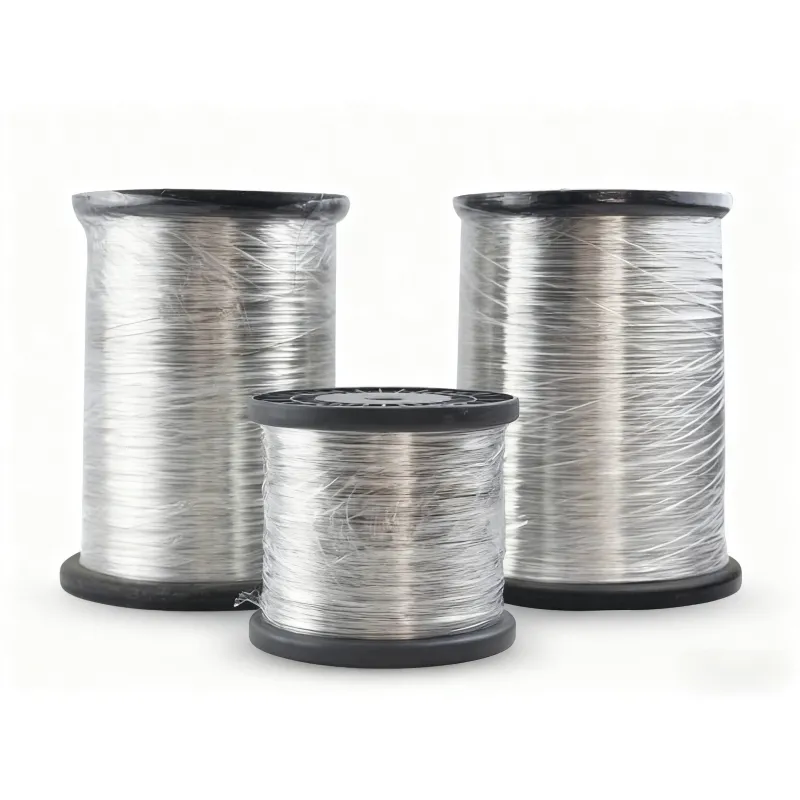
In the world of high-frequency applications and precision audio systems, choosing the right conductor material can make or break your project's performance. While silver plated wire has traditionally been considered the premium choice for RF and audio applications, tin plated copper clad steel wire has emerged as a compelling alternative that offers superior mechanical properties and cost-effectiveness. This comprehensive analysis examines the performance characteristics, applications, and trade-offs between different wire plating options to help engineers make informed decisions for their specific requirements.
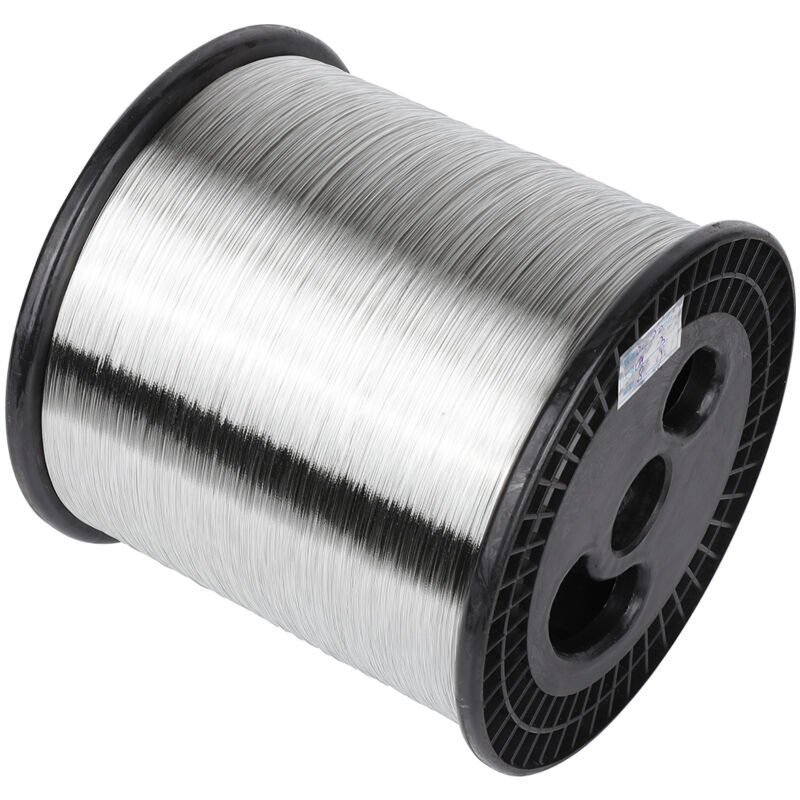
The selection of wire plating materials involves complex considerations that extend beyond simple conductivity measurements. Modern electronic systems demand conductors that can maintain signal integrity while withstanding mechanical stress, environmental conditions, and manufacturing processes. Understanding the unique properties of each plating option enables engineers to optimize their designs for specific performance criteria and operational requirements.
Understanding Wire Plating Technologies
Silver Plating Characteristics
Silver plating has long been recognized for its exceptional electrical conductivity, making it the preferred choice for many high-frequency applications. The noble metal properties of silver provide excellent resistance to oxidation and corrosion, ensuring consistent electrical performance over extended periods. Silver's conductivity rating of approximately 106% IACS makes it the most conductive pure metal available for commercial applications.
However, silver plating comes with significant cost implications and mechanical limitations. The expense of silver as a raw material directly impacts manufacturing costs, particularly in high-volume production scenarios. Additionally, silver's relative softness can lead to mechanical deformation under stress, potentially affecting connection reliability in demanding applications.
Tin Plating Advantages
Tin plated copper clad steel wire represents a balanced approach to conductor design that addresses many limitations of traditional silver plating. The tin plating provides excellent solderability and corrosion resistance while maintaining adequate electrical performance for most applications. With a conductivity rating of approximately 15% IACS, tin offers sufficient performance for many RF and audio applications where the mechanical advantages outweigh the conductivity trade-off.
The steel core construction of tin plated copper clad steel wire delivers exceptional tensile strength and durability compared to pure copper alternatives. This mechanical robustness makes it ideal for applications involving frequent flexing, vibration, or mechanical stress. The copper cladding ensures excellent electrical characteristics while the steel core provides structural integrity that copper alone cannot match.
Performance Analysis in RF Applications
High-Frequency Behavior
In RF applications, the skin effect phenomenon becomes increasingly important as frequency increases. At high frequencies, current flow concentrates near the conductor surface, making the plating material's properties more critical than the core conductor material. This characteristic allows tin plated copper clad steel wire to compete effectively with silver plated alternatives in many RF applications.
The skin depth at typical RF frequencies means that most current flow occurs within the first few micrometers of the conductor surface. Properly applied tin plating can provide adequate conductivity for these surface currents while offering superior mechanical properties and cost advantages. Testing has shown that tin plated copper clad steel wire performs admirably in applications up to several gigahertz when properly designed and manufactured.
Signal Integrity Considerations
Signal integrity in RF systems depends on multiple factors beyond simple conductivity measurements. The consistency of impedance characteristics, resistance to electromagnetic interference, and long-term stability all contribute to overall system performance. Tin plated copper clad steel wire offers excellent impedance control due to its consistent geometry and material properties.
The steel core provides dimensional stability that can be crucial in maintaining consistent electrical characteristics over time and temperature variations. This stability can actually improve signal integrity compared to softer conductor materials that may deform under mechanical stress or thermal cycling. The result is more predictable performance in demanding RF environments.
Audio Application Performance
Audiophile Considerations
In high-end audio applications, conductor selection often involves subjective performance criteria alongside measurable electrical characteristics. While silver plated wire has traditionally been favored for its superior conductivity, tin plated copper clad steel wire offers unique advantages that can enhance audio system performance in specific applications.
The mechanical stability of tin plated copper clad steel wire can reduce microphonic effects that sometimes plague audio systems using softer conductor materials. Vibration-induced signal variations can be minimized through the use of mechanically robust conductors, potentially improving audio clarity and reducing noise floor in sensitive applications.
Professional Audio Requirements
Professional audio environments often subject cables to harsh treatment including frequent coiling, uncoiling, and mechanical stress. The durability advantages of tin plated copper clad steel wire become particularly valuable in these applications where reliability and longevity are paramount. The reduced maintenance requirements and longer service life can offset any minor performance differences in many professional scenarios.
The excellent solderability of tin plating also provides advantages in professional audio applications where field repairs and modifications are common. Tin's compatibility with standard soldering processes ensures reliable connections that maintain their integrity over time, reducing the likelihood of intermittent connections that can plague audio systems.
Cost-Benefit Analysis
Material Cost Considerations
The economic advantages of tin plated copper clad steel wire become apparent when analyzing both material costs and total cost of ownership. Silver's precious metal pricing creates significant cost pressures, particularly in high-volume applications where material costs directly impact product competitiveness. Tin plating offers substantial cost savings while maintaining acceptable performance characteristics for many applications.
The steel core construction of tin plated copper clad steel wire also provides material efficiency advantages. The higher strength-to-weight ratio means that smaller wire gauges can often be used to achieve the same mechanical performance, further reducing material costs and weight in the final product. This efficiency can be particularly valuable in aerospace and automotive applications where weight reduction is critical.
Manufacturing and Processing Benefits
Manufacturing processes often favor the mechanical properties of tin plated copper clad steel wire over softer silver plated alternatives. The increased tensile strength allows for higher processing speeds and reduces the likelihood of wire breaks during automated manufacturing operations. This improved manufacturability can reduce production costs and improve yield rates in high-volume manufacturing environments.
The durability of tin plated copper clad steel wire also translates to reduced handling damage during shipping and installation. The mechanical robustness means less waste due to damaged product and fewer field failures related to mechanical stress. These factors contribute to improved total cost of ownership even in applications where initial material costs are similar.
Application-Specific Recommendations
RF System Applications
For RF applications operating below 10 GHz, tin plated copper clad steel wire often provides the optimal balance of performance and cost. The mechanical advantages become particularly important in mobile and portable RF systems where mechanical stress and vibration are common. The consistent impedance characteristics and durability make it an excellent choice for antenna feeds and interconnects in demanding environments.
In fixed RF installations where mechanical stress is minimal and maximum conductivity is required, silver plated wire may still offer advantages. However, the cost differential often makes tin plated copper clad steel wire the more practical choice for many commercial applications where the performance difference is marginal compared to the cost savings achieved.
Audio System Integration
Professional audio installations benefit significantly from the durability and reliability of tin plated copper clad steel wire. The reduced maintenance requirements and improved mechanical properties make it ideal for touring applications and fixed installations subject to environmental stress. The excellent solderability ensures reliable connections that maintain their integrity over extended service periods.
High-end residential audio systems may benefit from tin plated copper clad steel wire in applications where mechanical stability is important, such as turntable tonearm wiring or speaker connections subject to vibration. The reduced microphonic sensitivity can actually improve performance in these mechanically sensitive applications compared to softer conductor alternatives.
FAQ
How does tin plated copper clad steel wire compare to silver plated wire in terms of conductivity
Tin plated copper clad steel wire typically offers conductivity around 30-40% that of silver plated wire. However, due to the skin effect in high-frequency applications, this difference becomes less significant as most current flow occurs near the surface where the plating material properties dominate. For many RF and audio applications, the conductivity of tin plated copper clad steel wire is more than adequate to maintain signal integrity while providing superior mechanical properties.
What are the main mechanical advantages of tin plated copper clad steel wire
The steel core construction provides exceptional tensile strength, typically 2-3 times that of pure copper wire. This increased strength translates to better resistance to mechanical stress, reduced stretching under tension, and improved durability in flexing applications. The mechanical robustness makes tin plated copper clad steel wire ideal for applications involving frequent handling, vibration, or environmental stress while maintaining consistent electrical performance.
Is tin plated copper clad steel wire suitable for high-frequency applications
Yes, tin plated copper clad steel wire performs well in high-frequency applications up to several gigahertz when properly designed. The skin effect at high frequencies means that current flow is concentrated near the conductor surface, making the tin plating the primary factor in electrical performance. Proper impedance control and consistent geometry ensure excellent high-frequency characteristics while providing mechanical advantages over traditional alternatives.
What cost savings can be expected when switching from silver to tin plated copper clad steel wire
Material cost savings typically range from 60-80% when switching from silver plated to tin plated copper clad steel wire, depending on current precious metal pricing. Additional savings come from reduced manufacturing waste due to improved mechanical properties, lower shipping costs due to reduced weight, and decreased maintenance requirements due to improved durability. The total cost of ownership advantage can be even more significant when considering the entire product lifecycle including installation and service requirements.
Table of Contents
- Understanding Wire Plating Technologies
- Performance Analysis in RF Applications
- Audio Application Performance
- Cost-Benefit Analysis
- Application-Specific Recommendations
-
FAQ
- How does tin plated copper clad steel wire compare to silver plated wire in terms of conductivity
- What are the main mechanical advantages of tin plated copper clad steel wire
- Is tin plated copper clad steel wire suitable for high-frequency applications
- What cost savings can be expected when switching from silver to tin plated copper clad steel wire