EN
EN



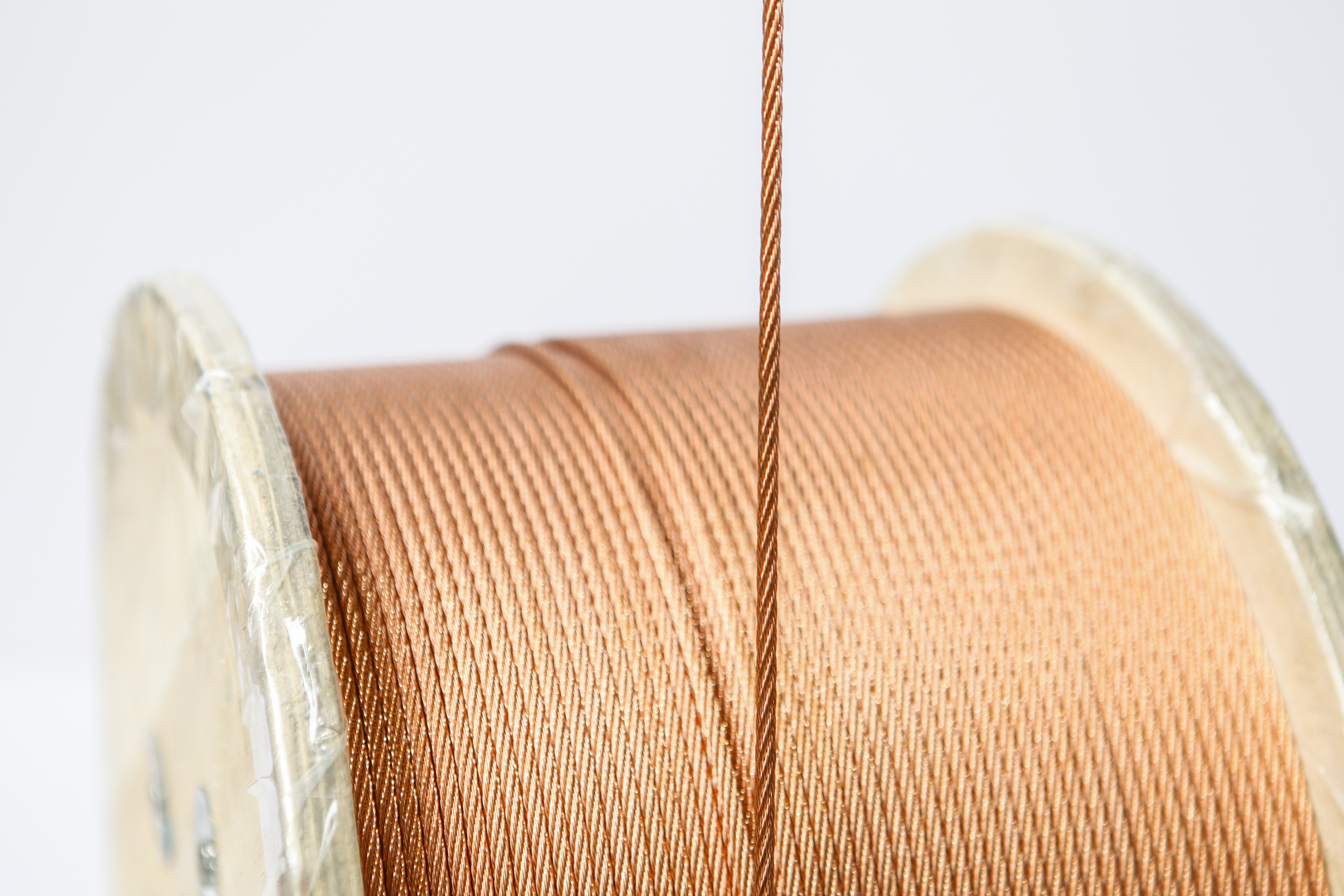
In the realm of electrical engineering and manufacturing, selecting the right conductor material can make the difference between a reliable, efficient system and one prone to failures. Enameled wire has emerged as the gold standard for coil and transformer applications across industries ranging from automotive to renewable energy. This specialized conductor combines the excellent electrical properties of copper or aluminum with a thin, durable insulation coating that provides superior performance in demanding applications. Understanding why enameled wire outperforms traditional alternatives requires examining its unique construction, thermal properties, and operational advantages in modern electrical systems.
Superior Insulation Properties of Enameled Wire
Advanced Polymer Coating Technology
The foundation of enameled wire performance lies in its sophisticated insulation system, which typically consists of multiple layers of polymer coatings applied through precision manufacturing processes. These coatings, often based on polyurethane, polyester, or polyimide materials, provide exceptional dielectric strength while maintaining minimal thickness. The thin profile of enameled wire insulation allows for higher conductor density within coils and transformers, maximizing space utilization without compromising electrical safety. Modern manufacturing techniques ensure uniform coating thickness and complete coverage, eliminating weak points that could lead to electrical breakdown under operational stress.
The chemical composition of these insulation coatings is engineered to resist various environmental factors that commonly affect electrical systems. Moisture resistance prevents degradation in humid conditions, while chemical stability ensures long-term performance even when exposed to cleaning solvents or industrial atmospheres. The smooth surface finish of quality enameled wire also reduces the accumulation of contaminants that could compromise insulation integrity over time, contributing to extended service life and reduced maintenance requirements.
Thermal Performance and Heat Dissipation
Thermal management represents a critical advantage of enameled wire in transformer and coil applications, where heat generation during operation can significantly impact performance and longevity. The thin insulation coating provides excellent thermal conductivity compared to traditional wire insulation methods, allowing for more efficient heat transfer from the conductor to the surrounding environment. This improved heat dissipation capability enables higher current densities and more compact designs without risking thermal damage to the insulation system.
Temperature rating classifications for enameled wire typically range from Class 130 to Class 240, with specialized formulations capable of withstanding even higher temperatures for extreme applications. The thermal stability of modern enameled wire insulation systems ensures consistent electrical properties across wide temperature ranges, preventing performance degradation that could affect transformer efficiency or coil inductance values. This thermal reliability makes enameled wire particularly valuable in applications where ambient temperatures vary significantly or where high-power operation generates substantial heat loads.
Manufacturing Advantages and Quality Control
Precision Winding Capabilities
The smooth, uniform surface of enameled wire facilitates precise winding operations that are essential for creating high-quality coils and transformers. The consistent diameter and surface finish allow automated winding equipment to achieve tight, uniform turns with minimal variation in spacing or tension. This precision translates directly into improved electrical performance, as consistent turn-to-turn spacing ensures predictable inductance values and reduces the risk of electrical stress concentrations that could lead to premature failure.
The flexibility of enameled wire also contributes to manufacturing efficiency by allowing complex winding patterns and tight bend radii without risking insulation damage. This characteristic is particularly valuable in applications requiring intricate coil geometries or where space constraints demand creative winding solutions. The ability to achieve consistent, repeatable winding patterns with enameled wire reduces manufacturing variability and improves product quality control across production runs.
Quality Assurance and Testing Standards
Modern enameled wire production incorporates rigorous quality control measures that ensure consistent performance characteristics across different batches and production runs. Comprehensive testing protocols evaluate insulation integrity through high-voltage breakdown tests, thermal aging assessments, and mechanical stress evaluations. These standardized testing procedures, often based on international specifications such as IEC or NEMA standards, provide manufacturers with reliable performance data for design optimization and application selection.
Continuous monitoring during the manufacturing process allows for real-time adjustments to coating thickness, curing temperatures, and other critical parameters that affect final product quality. Advanced quality control systems can detect microscopic defects or variations that might compromise long-term reliability, ensuring that only enameled wire meeting strict specifications reaches end users. This commitment to quality control has established enameled wire as a trusted solution for mission-critical applications where failure is not an option.
Electrical Performance Benefits
Enhanced Current Carrying Capacity
The thin insulation profile of enameled wire allows for maximum conductor cross-sectional area within given space constraints, resulting in superior current carrying capacity compared to traditionally insulated conductors. This advantage becomes particularly significant in high-power applications where every square millimeter of conductor area contributes to overall system efficiency. The reduced insulation thickness also minimizes the thermal barrier between the conductor and the surrounding environment, enabling better heat dissipation and supporting higher continuous current ratings.
The excellent electrical properties of enameled wire insulation contribute to minimal dielectric losses, maintaining high efficiency even in high-frequency applications. The low dielectric constant and loss tangent of modern insulation materials ensure that energy losses due to insulation characteristics remain negligible, allowing designers to focus optimization efforts on other system parameters. This electrical efficiency translates directly into reduced operating costs and improved environmental performance across the operational lifetime of transformers and coils.
Reduced Parasitic Effects
The uniform, thin insulation coating of enameled wire minimizes parasitic capacitance between adjacent turns in coil windings, reducing unwanted electrical interactions that can affect circuit performance. This characteristic is particularly valuable in high-frequency applications where parasitic effects can significantly impact impedance characteristics and signal integrity. The consistent dielectric properties of enameled wire insulation also contribute to predictable parasitic effects, allowing designers to accurately model and compensate for these influences during the design phase.
Inter-turn insulation provided by enameled wire coating eliminates the need for additional insulating materials between individual turns, reducing both material costs and manufacturing complexity. The self-insulating nature of enameled wire simplifies coil construction while maintaining excellent electrical isolation between turns, even under high-voltage stress conditions. This design simplification reduces potential failure points and improves overall system reliability while supporting more compact construction techniques.
Cost-Effectiveness and Long-Term Value
Material Cost Optimization
While the initial cost of enameled wire may exceed that of some alternative conductor options, the total cost of ownership typically favors enameled wire due to its superior performance characteristics and reduced system complexity. The high conductor density achievable with enameled wire reduces the amount of magnetic core material required in transformers, offsetting wire costs through savings in other system components. Additionally, the improved efficiency of systems using enameled wire generates ongoing operational savings through reduced energy losses over the product lifetime.
The manufacturing advantages of enameled wire also contribute to cost-effectiveness by reducing labor requirements and improving production yields. The ease of handling and winding enameled wire reduces processing time and minimizes the risk of manufacturing defects that could result in scrap or rework costs. These manufacturing efficiencies allow producers to offer competitive pricing while maintaining healthy profit margins, making enameled wire an attractive option for cost-conscious applications.
Maintenance and Reliability Considerations
The robust insulation system of enameled wire contributes to extended service intervals and reduced maintenance requirements in transformer and coil applications. The chemical resistance and mechanical durability of modern insulation coatings minimize degradation from environmental exposure, reducing the frequency of inspection and replacement cycles. This reliability translates into reduced downtime costs and improved system availability, particularly important in industrial applications where equipment failure can result in significant production losses.
Long-term reliability testing demonstrates that properly specified enameled wire can maintain performance characteristics for decades under normal operating conditions. The stable electrical properties and resistance to aging effects ensure consistent system performance throughout the operational lifetime, reducing the need for performance adjustments or component replacements. This longevity makes enameled wire particularly attractive for applications where accessibility for maintenance is limited or where replacement costs are high due to system complexity.
Application-Specific Advantages
Transformer Applications
In power transformer applications, enameled wire enables the construction of compact, efficient designs that meet modern energy efficiency standards while maintaining competitive costs. The high conductor density achievable with enameled wire allows designers to maximize copper utilization within available core windows, improving power-to-weight ratios and reducing material costs. The excellent thermal properties of enameled wire support higher power densities without compromising operational reliability or service life expectations.
Distribution transformers particularly benefit from the moisture resistance and environmental stability of enameled wire insulation systems. The ability to withstand temperature cycling, humidity exposure, and contamination without performance degradation makes enameled wire ideal for outdoor installations where environmental conditions can be challenging. The consistent electrical properties of enameled wire also support predictable transformer performance across varying load conditions and ambient temperatures.
Electric Motor and Generator Coils
Motor and generator applications place unique demands on conductor materials, including resistance to mechanical vibration, thermal cycling, and chemical exposure from lubricants or cleaning solvents. Enameled wire meets these challenges through its flexible insulation system that can accommodate movement and expansion without cracking or delaminating. The smooth surface finish also resists contamination accumulation that could compromise insulation performance in industrial environments.
The high-temperature capability of specialized enameled wire formulations enables motor designs that operate at higher power densities or in elevated ambient temperatures without requiring additional cooling systems. This capability is particularly valuable in automotive applications where space constraints and cost pressures demand maximum performance from compact motor designs. The reliability of enameled wire insulation also supports extended service intervals and reduced maintenance requirements in industrial motor applications.
Environmental and Sustainability Considerations
Eco-Friendly Manufacturing Processes
Modern enameled wire production has evolved to incorporate environmentally responsible manufacturing processes that minimize waste generation and energy consumption. Advanced coating application techniques reduce material usage while improving coating uniformity, decreasing both raw material costs and environmental impact. Solvent recovery systems and closed-loop processes minimize emissions and waste generation during production, supporting sustainability goals while maintaining product quality standards.
The longevity and reliability of enameled wire contribute to environmental sustainability by reducing replacement frequency and associated material consumption over product lifetimes. Systems utilizing enameled wire typically exhibit extended service lives compared to alternatives, reducing the environmental impact associated with manufacturing replacement components. The recyclability of copper and aluminum conductors also supports circular economy principles by enabling material recovery at end-of-life.
Energy Efficiency Benefits
The superior electrical performance of enameled wire directly contributes to improved energy efficiency in electrical systems, supporting global efforts to reduce energy consumption and environmental impact. The low resistance characteristics of properly designed enameled wire systems minimize I²R losses, while the excellent insulation properties reduce dielectric losses that can impact system efficiency. These efficiency improvements accumulate over operational lifetimes to generate significant energy savings.
In renewable energy applications such as wind generators and solar inverters, the reliability and efficiency of enameled wire components contribute to improved energy harvest and reduced maintenance requirements. The ability of enameled wire to perform consistently under varying environmental conditions ensures maximum energy generation while minimizing system downtime that could reduce renewable energy production.
FAQ
What temperature ratings are available for enameled wire applications
Enameled wire is available in multiple temperature classes ranging from Class 130 (130°C continuous operation) to Class 240 (240°C continuous operation) and beyond for specialized applications. The temperature rating depends on the insulation material composition, with polyurethane systems typically providing Class 130-155 performance, polyester systems offering Class 155-180 capability, and polyimide formulations supporting Class 220-240 operation. Selection of appropriate temperature rating should consider both continuous operating temperature and peak temperature excursions during system operation.
How does enameled wire compare to other insulation methods in terms of space utilization
Enameled wire provides superior space utilization compared to traditional insulation methods due to its thin, uniform coating that typically measures only 0.02-0.06mm in total thickness. This minimal insulation thickness allows for conductor fill factors of 70-85% in typical coil applications, compared to 50-65% achievable with served fiber or tape-wrapped insulation systems. The improved space utilization enables more compact designs or higher power densities within existing envelope constraints.
What quality standards govern enameled wire manufacturing and testing
Enameled wire manufacturing and testing are governed by international standards including IEC 60317 series, NEMA MW series, and JIS C3202 standards that specify construction requirements, test methods, and performance criteria. These standards define critical parameters such as insulation thickness, dielectric strength, thermal endurance, and mechanical properties. Compliance with these standards ensures consistent quality and interchangeability between different manufacturers while providing users with reliable performance specifications for design purposes.
Can enameled wire be used in outdoor applications exposed to weather conditions
Modern enameled wire formulations are specifically designed to withstand outdoor environmental conditions including UV radiation, moisture, temperature extremes, and atmospheric contaminants. Weather-resistant grades incorporate UV stabilizers and moisture-resistant polymer chemistries that maintain insulation integrity under prolonged outdoor exposure. However, application-specific evaluation is recommended to ensure selected enameled wire grades meet the specific environmental challenges of each installation, and additional protection measures may be required for extreme conditions.
Table of Contents
- Superior Insulation Properties of Enameled Wire
- Manufacturing Advantages and Quality Control
- Electrical Performance Benefits
- Cost-Effectiveness and Long-Term Value
- Application-Specific Advantages
- Environmental and Sustainability Considerations
-
FAQ
- What temperature ratings are available for enameled wire applications
- How does enameled wire compare to other insulation methods in terms of space utilization
- What quality standards govern enameled wire manufacturing and testing
- Can enameled wire be used in outdoor applications exposed to weather conditions