EN
EN



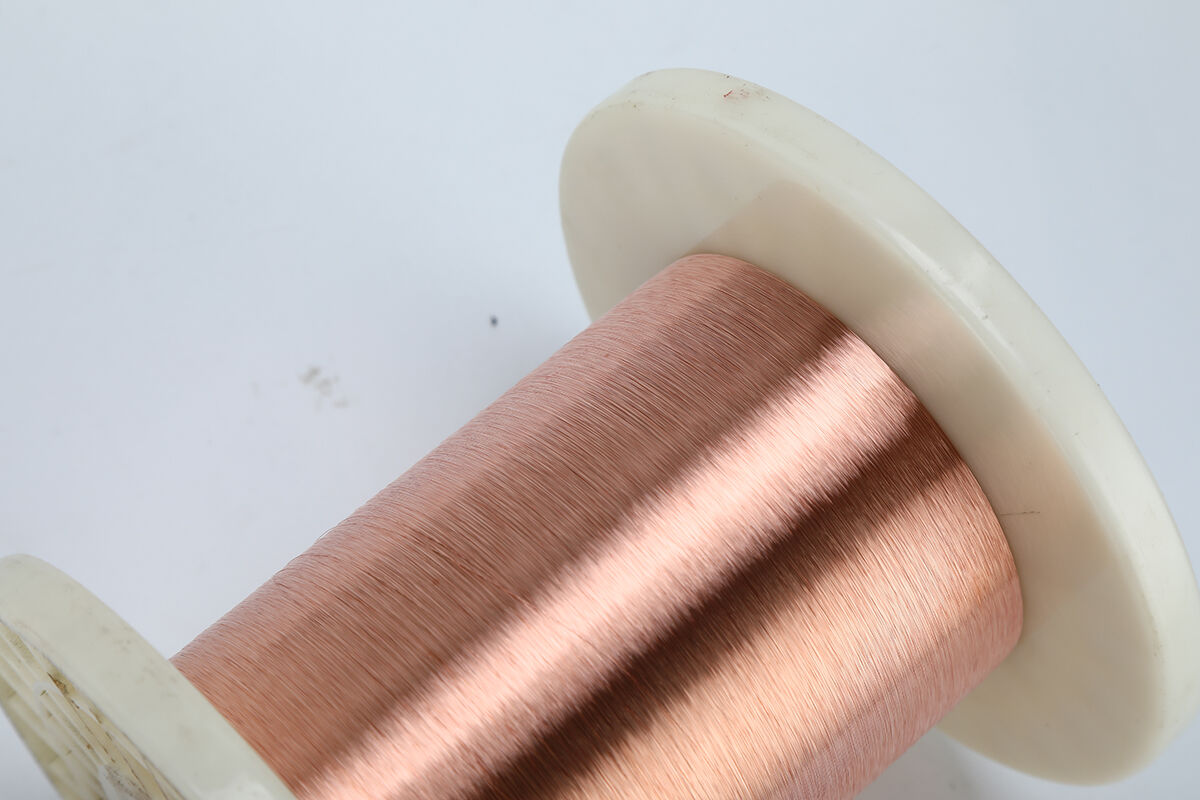
Professional electricians consistently prioritize reliability and performance in their wiring solutions. Among the various conductor options available, copper clad steel wire has emerged as a preferred choice for numerous electrical applications. This specialized conductor combines the superior conductivity of copper with the mechanical strength of steel, creating an optimal solution for demanding electrical installations. Understanding why electricians gravitate toward this innovative wiring solution reveals the practical advantages that drive professional decisions in the electrical industry.
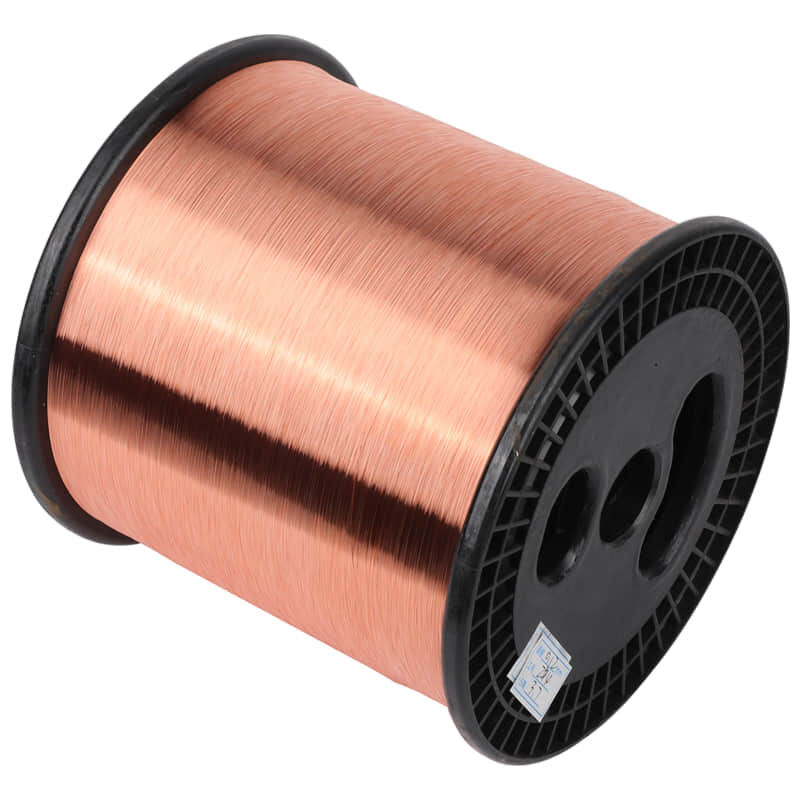
Engineering Excellence in Conductor Design
Structural Composition and Manufacturing Process
The manufacturing process of copper clad steel wire involves sophisticated metallurgical techniques that ensure optimal bonding between copper and steel components. The steel core provides exceptional tensile strength, while the copper cladding maintains excellent electrical conductivity throughout the conductor. This dual-layer construction method creates a wire that outperforms traditional single-material conductors in multiple performance categories. Modern production facilities utilize advanced welding and drawing processes to achieve consistent quality and dimensional accuracy in every strand of copper clad steel wire.
Quality control measures during manufacturing ensure that the copper layer maintains proper thickness and adhesion to the steel substrate. The bonding process creates a metallurgical interface that prevents delamination under stress or temperature variations. These stringent manufacturing standards result in a conductor that maintains its electrical and mechanical properties throughout extended service life. Professional electricians appreciate the consistency and reliability that comes from properly manufactured copper clad steel wire products.
Material Properties and Performance Characteristics
The unique material combination in copper clad steel wire delivers superior performance across multiple parameters compared to conventional conductors. The steel core provides approximately four times the tensile strength of pure copper wire, while the copper cladding ensures conductivity levels that meet or exceed industry standards. This combination allows for longer spans between support points and reduces the risk of conductor failure due to mechanical stress. Temperature cycling and environmental exposure have minimal impact on the performance characteristics of properly manufactured copper clad steel wire.
Corrosion resistance represents another significant advantage of this conductor technology. The copper cladding protects the steel core from environmental exposure while maintaining the electrical interface required for proper system operation. Laboratory testing demonstrates that copper clad steel wire maintains its performance characteristics even after extended exposure to challenging environmental conditions including salt spray, humidity, and temperature extremes.
Technical Advantages for Electrical Applications
Enhanced Mechanical Strength and Durability
Mechanical strength represents a critical factor in wire selection for many electrical applications. The steel core in copper clad steel wire provides exceptional tensile strength that allows installations in challenging environments where pure copper conductors might fail. This enhanced strength translates to reduced sag in overhead applications and improved resistance to mechanical damage during installation and service. Professional electricians recognize that this additional strength margin provides both immediate installation benefits and long-term reliability advantages.
Fatigue resistance in copper clad steel wire exceeds that of conventional conductors due to the supportive steel structure. Repeated stress cycles from wind loading, thermal expansion, and mechanical vibration have reduced impact on overall conductor integrity. This improved fatigue performance extends service life and reduces maintenance requirements in dynamic applications. The combination of strength and flexibility makes copper clad steel wire suitable for applications where conventional conductors might experience premature failure.
Electrical Performance and Conductivity
Despite the steel core component, copper clad steel wire maintains excellent electrical conductivity through its copper cladding layer. The skin effect at higher frequencies ensures that current flow occurs primarily in the copper portion of the conductor, maintaining low resistance characteristics. This phenomenon makes copper clad steel wire particularly effective for high-frequency applications and power transmission systems. Electrical testing confirms that properly designed copper clad steel wire meets or exceeds conductivity requirements for most electrical applications.
Impedance characteristics of copper clad steel wire provide consistent electrical performance across various installation configurations. The controlled geometry and material properties result in predictable impedance values that facilitate system design and installation planning. Professional electricians appreciate the electrical predictability that copper clad steel wire offers, particularly in applications requiring precise impedance control or matching.
Cost Effectiveness and Economic Benefits
Material Cost Optimization
Economic considerations play a significant role in conductor selection for electrical projects. Copper clad steel wire offers substantial cost savings compared to solid copper conductors while maintaining essential performance characteristics. The steel core component costs significantly less than copper, reducing overall material expenses for large-scale installations. These cost advantages become particularly pronounced in applications requiring substantial conductor quantities such as power distribution systems and telecommunications infrastructure.
Long-term economic benefits of copper clad steel wire extend beyond initial material costs. The enhanced mechanical properties reduce the likelihood of conductor failure and associated replacement costs. Lower maintenance requirements and extended service life contribute to improved total cost of ownership over the system lifecycle. Professional electricians factor these economic advantages into their project planning and material selection processes.
Installation and Labor Efficiency
Installation characteristics of copper clad steel wire contribute to reduced labor costs and improved project efficiency. The enhanced strength allows for longer pulls and reduced intermediate support requirements, streamlining the installation process. Reduced weight compared to equivalent solid copper conductors simplifies handling and reduces physical stress on installation crews. These practical advantages translate to faster installation times and lower overall project costs.
Compatibility with standard electrical connectors and termination hardware ensures that copper clad steel wire integrates seamlessly into existing electrical systems. No special tools or techniques are required for termination, allowing electricians to work efficiently using familiar procedures and equipment. This compatibility factor eliminates the learning curve associated with specialty conductor materials and reduces the risk of installation errors.
Specialized Applications and Use Cases
Telecommunications and Data Systems
Telecommunications applications represent a significant market segment for copper clad steel wire due to its unique combination of electrical and mechanical properties. The strength characteristics allow for longer cable runs between support points while maintaining signal integrity requirements. This capability proves particularly valuable in outdoor telecommunications installations where environmental factors create challenging conditions for conventional conductors. The high-frequency performance of copper clad steel wire makes it suitable for modern broadband and data transmission applications.
Grounding applications in telecommunications systems benefit from the corrosion resistance and mechanical strength of copper clad steel wire. Ground rod connections and system grounding networks utilize this conductor type to ensure reliable electrical connections over extended service periods. The combination of conductivity and durability makes copper clad steel wire an ideal choice for critical grounding applications where system reliability cannot be compromised.
Power Distribution and Transmission
Power distribution systems increasingly utilize copper clad steel wire for overhead and underground applications. The mechanical strength allows for increased span lengths in overhead installations, reducing the number of support structures required. Underground applications benefit from the corrosion resistance and mechanical durability that copper clad steel wire provides in challenging soil conditions. These applications demonstrate the versatility and performance advantages that make this conductor type attractive to electrical professionals.
Substation and switchyard applications utilize copper clad steel wire for bus connections and equipment grounding systems. The combination of high current carrying capacity and mechanical strength makes it suitable for these demanding applications. Installation flexibility and compatibility with standard hardware simplify integration into existing electrical infrastructure. Professional electricians value the reliability and performance consistency that copper clad steel wire provides in critical power system applications.
Quality Standards and Industry Compliance
Manufacturing Standards and Certifications
Quality assurance in copper clad steel wire manufacturing involves adherence to strict industry standards and testing protocols. International standards organizations have established specifications that govern dimensional tolerances, material composition, and performance requirements. Manufacturing facilities must demonstrate compliance with these standards through regular testing and third-party certification processes. Professional electricians rely on these quality standards to ensure that copper clad steel wire products meet or exceed application requirements.
Testing procedures for copper clad steel wire include mechanical strength verification, electrical conductivity measurement, and adhesion testing between copper and steel components. These comprehensive testing protocols ensure consistent product quality and performance reliability. Documentation and traceability requirements provide accountability throughout the manufacturing and distribution process. Electricians can specify certified products with confidence in their performance and reliability characteristics.
Installation Standards and Best Practices
Industry installation standards provide guidance for proper handling and installation of copper clad steel wire in various applications. These standards address bending radius requirements, termination procedures, and environmental considerations that affect long-term performance. Compliance with installation standards ensures that the inherent advantages of copper clad steel wire are fully realized in practical applications. Professional electricians understand that proper installation practices are essential for achieving optimal system performance and reliability.
Training and certification programs help electricians understand the specific requirements and best practices for copper clad steel wire installations. These educational resources cover material handling, termination techniques, and troubleshooting procedures specific to this conductor type. Proper training ensures that installation quality meets industry standards and manufacturer recommendations. The availability of comprehensive training resources supports widespread adoption of copper clad steel wire technology in the electrical industry.
Environmental Considerations and Sustainability
Material Recycling and Environmental Impact
Environmental responsibility increasingly influences conductor selection decisions in the electrical industry. Copper clad steel wire offers environmental advantages through reduced copper consumption while maintaining electrical performance requirements. The steel component can be recycled through standard steel recycling processes, while the copper cladding retains its value for copper recycling operations. This dual recyclability provides end-of-life value and reduces environmental impact compared to other conductor alternatives.
Manufacturing processes for copper clad steel wire utilize energy-efficient production techniques that minimize environmental impact. Advanced metallurgical processes reduce waste generation and improve material utilization efficiency. These environmental considerations align with industry sustainability goals and support green building initiatives. Professional electricians increasingly consider environmental factors in their material selection processes, making copper clad steel wire an attractive option for environmentally conscious projects.
Longevity and Reduced Replacement Requirements
Extended service life characteristics of copper clad steel wire contribute to reduced environmental impact through decreased replacement frequency. The enhanced mechanical and corrosion resistance properties result in longer service intervals and reduced maintenance requirements. This longevity reduces the environmental burden associated with conductor replacement and disposal over the system lifecycle. Electricians appreciate that specifying durable materials like copper clad steel wire supports both economic and environmental objectives.
Resource efficiency benefits extend to reduced installation materials and supporting infrastructure requirements. The enhanced strength characteristics allow for optimized support structure spacing and reduced material requirements for installation hardware. These efficiency gains translate to reduced environmental impact for complete electrical installations. The combination of performance, durability, and resource efficiency makes copper clad steel wire an environmentally responsible choice for electrical professionals.
FAQ
How does copper clad steel wire compare to solid copper wire in electrical applications
Copper clad steel wire provides comparable electrical conductivity to solid copper wire while offering significantly enhanced mechanical strength. The steel core increases tensile strength by approximately 400% compared to solid copper, allowing for longer spans and improved mechanical reliability. Cost advantages of copper clad steel wire can reach 30-40% compared to equivalent solid copper conductors. Installation benefits include reduced weight and improved handling characteristics during installation procedures.
What applications benefit most from copper clad steel wire technology
Telecommunications systems, overhead power distribution, and grounding applications represent the primary markets for copper clad steel wire. These applications benefit from the combination of electrical conductivity and mechanical strength that this conductor type provides. Outdoor installations and environmentally challenging applications particularly benefit from the enhanced corrosion resistance and mechanical durability. Any application requiring long conductor runs or reduced support structure requirements can benefit from copper clad steel wire characteristics.
Are there any limitations or considerations when using copper clad steel wire
Proper termination procedures must be followed to ensure reliable electrical connections with copper clad steel wire. The steel core requires consideration during cutting and stripping operations to prevent damage to the copper cladding. Compatibility with existing electrical hardware should be verified, although most standard connectors work effectively with this conductor type. Temperature cycling and thermal expansion characteristics may differ slightly from solid copper conductors in some applications.
How do quality standards ensure reliable performance of copper clad steel wire
Industry standards specify material composition, dimensional tolerances, and performance requirements for copper clad steel wire products. Third-party testing and certification processes verify compliance with these standards throughout the manufacturing process. Quality control procedures include adhesion testing, conductivity verification, and mechanical strength validation. Professional electricians can rely on certified products to meet specified performance requirements and provide reliable service throughout their intended lifecycle.
Table of Contents
- Engineering Excellence in Conductor Design
- Technical Advantages for Electrical Applications
- Cost Effectiveness and Economic Benefits
- Specialized Applications and Use Cases
- Quality Standards and Industry Compliance
- Environmental Considerations and Sustainability
-
FAQ
- How does copper clad steel wire compare to solid copper wire in electrical applications
- What applications benefit most from copper clad steel wire technology
- Are there any limitations or considerations when using copper clad steel wire
- How do quality standards ensure reliable performance of copper clad steel wire