EN
EN



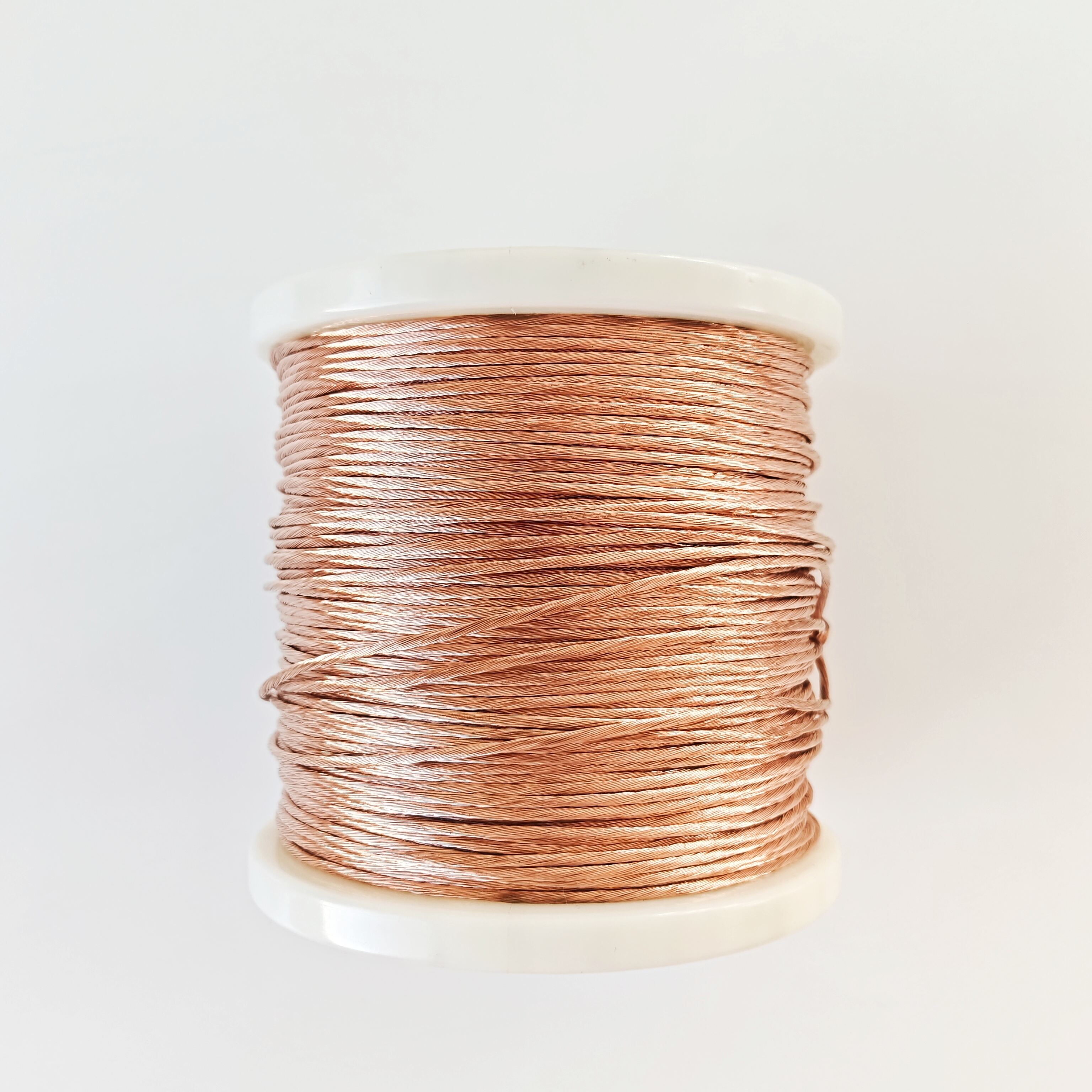
When selecting electrical conductors for outdoor applications, engineers and contractors must carefully evaluate materials that can withstand harsh environmental conditions while maintaining reliable performance. Among the various options available, copper clad steel wire has emerged as a compelling solution that combines the superior conductivity of copper with the strength and durability of steel. This unique composite construction offers significant advantages for outdoor installations, making it an increasingly popular choice across telecommunications, power distribution, and grounding applications.
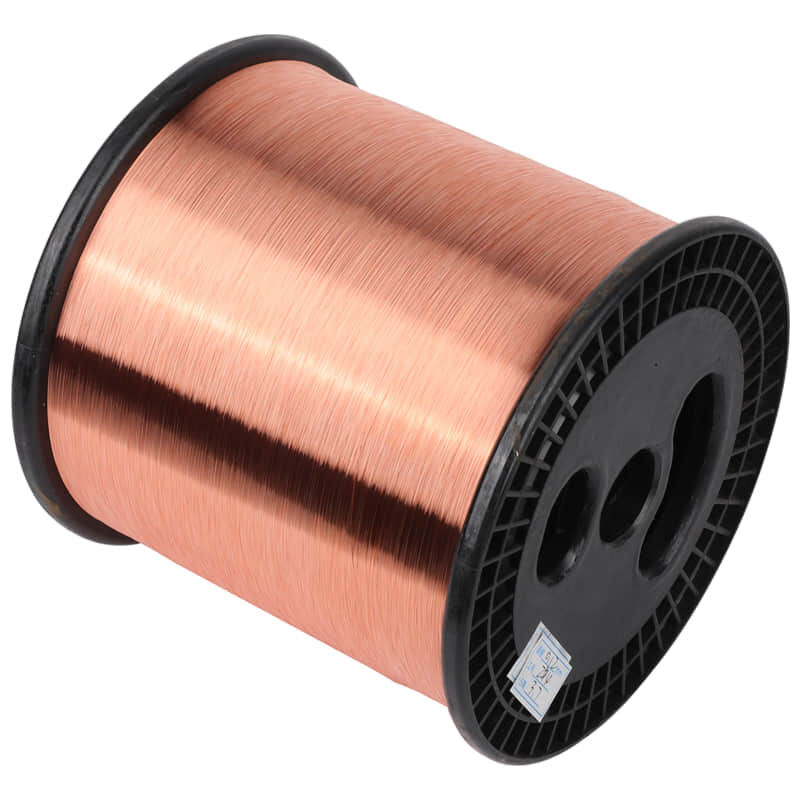
The outdoor environment presents numerous challenges that conventional conductors struggle to address effectively. Temperature fluctuations, moisture exposure, UV radiation, and mechanical stress from wind and ice loading can severely impact conductor performance and longevity. Traditional copper wire, while offering excellent electrical properties, may lack the mechanical strength required for demanding outdoor installations. Steel wire provides strength but compromises conductivity. However, copper clad steel wire addresses these limitations through its innovative bi-metallic construction.
Understanding Copper Clad Steel Wire Construction
Bi-Metallic Design Principles
The fundamental advantage of copper clad steel wire lies in its sophisticated construction methodology. This conductor consists of a high-strength steel core that provides exceptional tensile strength and mechanical durability. Surrounding this steel core is a metallurgically bonded copper cladding that ensures excellent electrical conductivity and corrosion resistance. The bonding process creates a permanent molecular connection between the copper and steel layers, preventing delamination under stress or thermal cycling.
Manufacturing techniques for copper clad steel wire typically involve either electroplating or continuous casting processes. The electroplating method applies copper layers through electrochemical deposition, allowing precise control over cladding thickness. Continuous casting involves surrounding the steel core with molten copper during the drawing process, creating a more integrated metallic bond. Both methods result in conductors that maintain the beneficial properties of each constituent metal while minimizing their individual limitations.
Material Property Optimization
The copper cladding thickness in copper clad steel wire is carefully engineered to balance electrical performance with cost effectiveness. Typical cladding ratios range from 10% to 40% by weight, depending on the specific application requirements. Higher copper content improves conductivity but increases material costs, while lower ratios prioritize strength and economic considerations. This flexibility allows manufacturers to optimize copper clad steel wire for specific outdoor applications and performance criteria.
The steel core composition also plays a crucial role in determining the wire's outdoor suitability. High-carbon steel cores provide maximum tensile strength for applications requiring significant mechanical loading, such as overhead transmission lines. Medium-carbon steel offers a balance between strength and workability, making it suitable for most general outdoor applications. Low-carbon steel cores facilitate easier installation and termination while still providing substantial strength improvements over pure copper conductors.
Environmental Performance Characteristics
Corrosion Resistance Properties
One of the most critical factors determining outdoor conductor suitability is corrosion resistance. Copper clad steel wire excels in this area due to the protective properties of its copper outer layer. Copper naturally forms a protective patina when exposed to atmospheric conditions, creating a self-healing barrier that prevents further oxidation. This patina formation is particularly beneficial in marine environments where salt spray and high humidity create aggressive corrosive conditions.
The galvanic compatibility of copper with various connection hardware and other system components makes copper clad steel wire an excellent choice for outdoor installations. Unlike aluminum conductors that can create galvanic corrosion when connected to dissimilar metals, copper clad steel wire maintains stable connections over extended periods. This compatibility reduces maintenance requirements and improves long-term system reliability in outdoor applications.
Temperature Cycling Resilience
Outdoor conductors must withstand significant temperature variations throughout their service life. Daily temperature swings, seasonal changes, and load-induced heating create thermal stress that can degrade conductor performance. Copper clad steel wire demonstrates excellent thermal stability due to the complementary thermal expansion characteristics of copper and steel. The copper cladding accommodates thermal expansion while the steel core provides dimensional stability.
The thermal conductivity of copper clad steel wire ensures efficient heat dissipation, preventing hot spots that could compromise conductor integrity. This characteristic is particularly important in high-current applications where I²R losses generate substantial heat. The ability to dissipate heat effectively extends conductor life and maintains stable electrical performance under varying load conditions.
Mechanical Strength and Durability
Tensile Strength Advantages
The mechanical properties of copper clad steel wire make it exceptionally well-suited for outdoor applications that demand high tensile strength. The steel core provides tensile strengths typically ranging from 1,200 to 1,800 MPa, significantly higher than pure copper conductors. This strength advantage enables longer spans between support structures, reducing installation costs and improving system aesthetics in overhead applications.
Wind loading, ice accumulation, and thermal expansion forces create substantial mechanical stress on outdoor conductors. Copper clad steel wire resists these forces effectively, maintaining proper sag and tension characteristics throughout its service life. The high strength-to-weight ratio of copper clad steel wire also reduces structural requirements for support systems, offering additional economic benefits in outdoor installations.
Fatigue Resistance Performance
Outdoor conductors experience continuous mechanical stress from wind-induced vibration, thermal cycling, and loading variations. These repetitive stress cycles can cause fatigue failure in conductors with insufficient mechanical properties. Copper clad steel wire demonstrates superior fatigue resistance due to the steel core's ability to withstand repeated loading without degradation.
The copper cladding in copper clad steel wire also contributes to fatigue resistance by providing a smooth, corrosion-resistant surface that reduces stress concentrations. This surface integrity prevents the initiation of fatigue cracks that could propagate through the conductor. Laboratory testing and field experience demonstrate that copper clad steel wire maintains its mechanical properties over millions of stress cycles, ensuring long-term reliability in outdoor environments.
Electrical Performance in Outdoor Applications
Conductivity Characteristics
While copper clad steel wire may not achieve the absolute conductivity of pure copper, it provides excellent electrical performance for most outdoor applications. The copper cladding carries the majority of current flow due to the skin effect, particularly at higher frequencies. This phenomenon concentrates current flow in the outer conductor layers, making the copper cladding the primary current-carrying path.
The electrical resistance of copper clad steel wire varies with frequency and temperature, but remains within acceptable limits for power transmission and communication applications. For DC and low-frequency AC applications, the steel core contributes to current conduction, providing additional current-carrying capacity. At radio frequencies, the skin depth limits current penetration, making the copper cladding thickness the primary factor determining conductivity.
Impedance and Signal Integrity
In communication and data transmission applications, copper clad steel wire maintains excellent signal integrity characteristics. The uniform copper surface provides consistent impedance control, essential for maintaining signal quality over long outdoor runs. The mechanical stability of copper clad steel wire also prevents impedance variations that could occur from conductor movement or deformation.
Lightning protection and electromagnetic compatibility are critical considerations for outdoor conductors. Copper clad steel wire provides excellent lightning dissipation characteristics due to its high current-carrying capacity and low impedance path to ground. The combination of copper conductivity and steel strength makes copper clad steel wire an ideal choice for grounding systems and surge protection applications in outdoor installations.
Installation and Maintenance Considerations
Installation Techniques
The installation of copper clad steel wire in outdoor applications requires specific techniques to maximize its performance advantages. Proper tensioning procedures must account for the different elastic properties of copper and steel, ensuring optimal mechanical loading without exceeding material limits. Installation crews must use appropriate tooling and techniques to prevent damage to the copper cladding during handling and termination.
Splicing and termination methods for copper clad steel wire utilize standard copper connection techniques, providing compatibility with existing hardware and procedures. Compression connectors, welded connections, and mechanical splices all work effectively with copper clad steel wire when properly applied. The key consideration is ensuring adequate contact pressure to maintain low resistance connections while preventing damage to the cladding layer.
Long-Term Maintenance Requirements
One of the significant advantages of copper clad steel wire in outdoor applications is its reduced maintenance requirements compared to other conductor types. The corrosion resistance of the copper cladding minimizes the need for protective coatings or treatments. Regular inspection procedures should focus on connection integrity and mechanical condition rather than conductor degradation.
When maintenance or repairs are required, copper clad steel wire can be handled using standard copper conductor procedures. Replacement sections can be spliced into existing installations without special materials or techniques. The long service life of copper clad steel wire in outdoor environments reduces overall system maintenance costs and improves operational reliability.
Economic Benefits and Cost Analysis
Initial Cost Considerations
While copper clad steel wire may have higher initial costs than pure steel conductors, the total cost of ownership often favors the copper-clad option for outdoor applications. The reduced need for support structures due to higher tensile strength can offset material cost differences. Additionally, the elimination of protective coatings and treatments required by other conductor types reduces overall installation costs.
The standardized connection hardware and installation procedures for copper clad steel wire eliminate the need for special tools or training, reducing labor costs. The compatibility with existing copper infrastructure allows for seamless integration into existing systems without expensive modifications or adaptations.
Lifecycle Cost Benefits
The extended service life of copper clad steel wire in outdoor environments provides significant economic benefits over the system lifecycle. Reduced maintenance requirements, lower failure rates, and improved system reliability translate to lower operational costs. The high scrap value of copper clad steel wire also provides value recovery at the end of service life.
Energy efficiency considerations also favor copper clad steel wire in many outdoor applications. The good electrical conductivity minimizes transmission losses while the mechanical strength allows for optimized system designs. These factors contribute to improved overall system efficiency and reduced operating costs throughout the conductor's service life.
Application-Specific Performance
Telecommunications Infrastructure
In outdoor telecommunications applications, copper clad steel wire provides an ideal balance of electrical and mechanical properties. The conductor's ability to maintain signal integrity over long distances while withstanding environmental stresses makes it particularly suitable for rural and remote installations. The mechanical strength allows for extended spans between poles, reducing infrastructure requirements in challenging terrain.
The electromagnetic compatibility characteristics of copper clad steel wire make it effective for shielding and grounding applications in telecommunications systems. The copper surface provides excellent RF conductivity while the steel core offers the mechanical properties needed for outdoor antenna and tower grounding systems.
Power Distribution Systems
Overhead power distribution systems benefit significantly from the mechanical and electrical properties of copper clad steel wire. The high tensile strength enables longer spans and reduced support structure requirements, particularly important in utility applications where minimizing infrastructure costs is critical. The conductor's ability to handle both mechanical loading and electrical current makes it suitable for combined power and communication lines.
Grounding applications in power systems particularly benefit from copper clad steel wire characteristics. The combination of excellent electrical conductivity and superior corrosion resistance ensures reliable ground paths for decades of service. The mechanical strength also prevents ground conductor damage from frost heave, soil movement, and other environmental factors common in outdoor installations.
FAQ
What is the typical service life of copper clad steel wire in outdoor applications?
Copper clad steel wire typically provides 25-50 years of reliable service in outdoor applications when properly installed and maintained. The actual service life depends on environmental conditions, installation quality, and application requirements. The corrosion-resistant copper cladding and durable steel core contribute to this extended service life, making it a cost-effective choice for long-term outdoor installations.
How does copper clad steel wire perform compared to aluminum conductors in outdoor environments?
Copper clad steel wire offers several advantages over aluminum conductors in outdoor applications, including superior corrosion resistance, better connection reliability, and higher tensile strength. While aluminum may have lower initial costs, copper clad steel wire typically provides better long-term performance and lower maintenance requirements. The choice depends on specific application requirements, environmental conditions, and lifecycle cost considerations.
Can copper clad steel wire be used in direct burial applications?
Yes, copper clad steel wire can be used in direct burial applications with appropriate protection. The copper cladding provides excellent corrosion resistance in soil environments, while the steel core maintains mechanical integrity under ground stress conditions. However, proper installation techniques and consideration of local soil conditions are essential for optimal performance in buried applications.
What special considerations are required when connecting copper clad steel wire to other conductor types?
When connecting copper clad steel wire to other conductor types, standard copper connection procedures should be used to ensure compatibility with the copper cladding. Galvanic compatibility must be considered when connecting to dissimilar metals to prevent corrosion. Proper joint compounds and connection hardware designed for copper applications will ensure reliable long-term connections in outdoor environments.
Table of Contents
- Understanding Copper Clad Steel Wire Construction
- Environmental Performance Characteristics
- Mechanical Strength and Durability
- Electrical Performance in Outdoor Applications
- Installation and Maintenance Considerations
- Economic Benefits and Cost Analysis
- Application-Specific Performance
-
FAQ
- What is the typical service life of copper clad steel wire in outdoor applications?
- How does copper clad steel wire perform compared to aluminum conductors in outdoor environments?
- Can copper clad steel wire be used in direct burial applications?
- What special considerations are required when connecting copper clad steel wire to other conductor types?