EN
EN



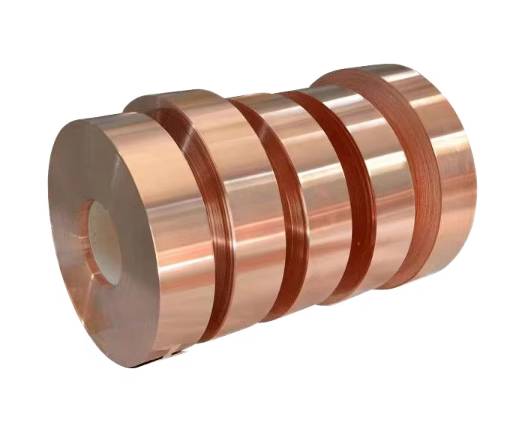
High-frequency transmission systems demand materials that can efficiently conduct electrical signals while maintaining structural integrity and cost-effectiveness. In modern telecommunications and electrical infrastructure, copper clad steel has emerged as a critical material that combines the superior conductivity of copper with the mechanical strength of steel. This innovative composite material addresses the unique challenges faced by engineers when designing transmission systems that operate at frequencies ranging from several megahertz to gigahertz levels. Understanding why copper clad steel is specifically chosen for these applications requires examining its fundamental properties, manufacturing processes, and performance characteristics in high-frequency environments.
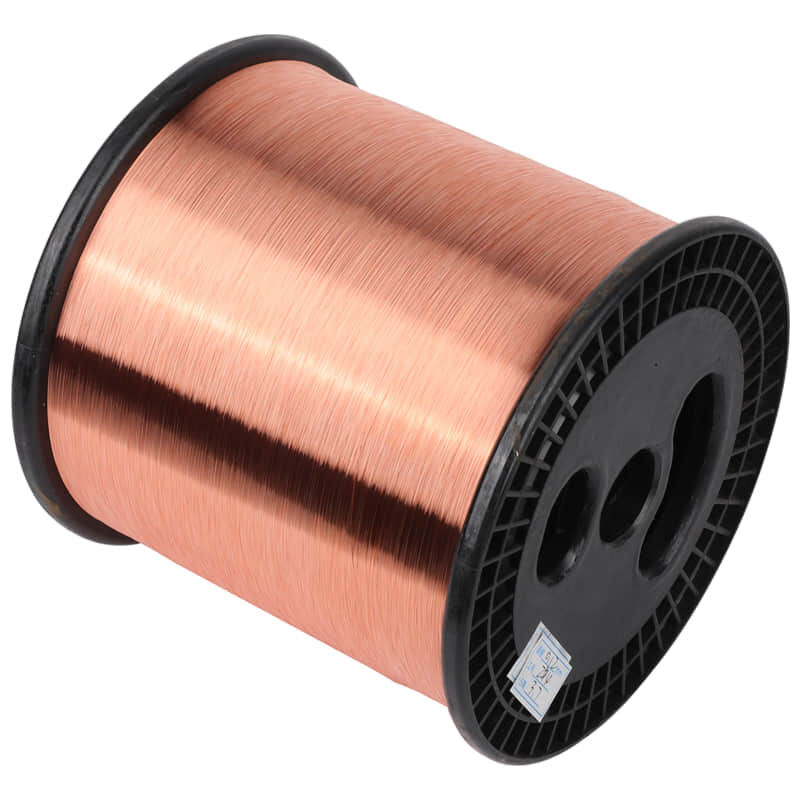
Understanding High-Frequency Transmission Requirements
Signal Integrity and Skin Effect Considerations
High-frequency electrical signals exhibit unique propagation characteristics that directly influence material selection for transmission applications. At elevated frequencies, the skin effect becomes increasingly pronounced, causing current to concentrate near the conductor surface rather than distributing uniformly throughout the cross-section. This phenomenon creates specific requirements for conductor materials, where surface conductivity becomes more critical than bulk conductivity. Copper clad steel leverages this effect by placing highly conductive copper on the outer surface while utilizing steel for structural support in the core.
The depth of current penetration, known as skin depth, decreases proportionally with increasing frequency. For applications operating above 1 MHz, the effective current-carrying region may extend only micrometers into the conductor surface. This characteristic makes copper clad steel particularly effective, as the copper cladding thickness can be optimized to accommodate the specific frequency range of the application while maintaining the mechanical advantages of the steel core.
Electromagnetic Compatibility and Interference Management
Modern high-frequency systems operate in increasingly congested electromagnetic environments where signal integrity and interference management are paramount. Copper clad steel conductors provide excellent electromagnetic compatibility characteristics due to their uniform copper surface, which ensures consistent impedance control and reduces signal reflections. The material's ability to maintain stable electrical properties across wide frequency ranges makes it ideal for broadband transmission applications where multiple signals of different frequencies share the same infrastructure.
The homogeneous copper surface of copper clad steel also contributes to improved shielding effectiveness when used in coaxial cables and other shielded transmission configurations. This characteristic is particularly valuable in high-density installations where crosstalk between adjacent circuits must be minimized to maintain system performance and reliability.
Material Properties and Composition Analysis
Copper Layer Characteristics and Thickness Optimization
The copper cladding in copper clad steel typically ranges from 10% to 40% of the total conductor cross-sectional area, depending on the specific application requirements. This copper layer provides the primary conductive path for high-frequency signals while the steel core contributes mechanical strength and reduces material costs. The thickness of the copper cladding is carefully engineered to exceed the skin depth at the maximum operating frequency, ensuring optimal electrical performance throughout the intended frequency range.
Manufacturing processes such as electroplating, cladding, or co-drawing create a metallurgical bond between the copper and steel layers that ensures reliable electrical contact and mechanical integrity. The quality of this bond directly affects the conductor's performance, as any discontinuities or voids could create impedance variations or signal distortions in high-frequency applications.
Steel Core Properties and Mechanical Advantages
The steel core in copper clad steel provides exceptional tensile strength, typically ranging from 1200 to 1800 MPa, which is significantly higher than pure copper conductors. This mechanical advantage enables longer span lengths in overhead installations and reduces the need for intermediate support structures. The steel core also offers superior resistance to stretching and deformation under mechanical stress, making it ideal for applications where conductors may experience tension, vibration, or thermal cycling.
Temperature coefficient considerations become important in high-frequency applications where thermal stability affects signal timing and phase relationships. Copper clad steel exhibits thermal expansion characteristics that fall between pure copper and steel, providing a compromise that maintains dimensional stability while preserving electrical performance across operating temperature ranges.
Manufacturing Processes and Quality Control
Production Methods and Bonding Techniques
Several manufacturing methods are employed to produce copper clad steel conductors, each offering distinct advantages for different applications. The co-drawing process involves placing a copper tube around a steel rod and drawing both materials simultaneously through progressively smaller dies. This method creates an intimate mechanical bond between the copper and steel while maintaining uniform thickness ratios and consistent electrical properties along the conductor length.
Electroplating represents another common production method where copper is deposited onto a steel substrate through electrochemical processes. This technique allows precise control over copper thickness and surface finish, making it particularly suitable for applications requiring specific impedance characteristics or surface roughness parameters that affect high-frequency performance.
Quality Assurance and Performance Testing
Quality control procedures for copper clad steel intended for high-frequency applications involve comprehensive testing protocols that verify both electrical and mechanical properties. Conductivity measurements using four-point probe techniques ensure that the copper cladding provides adequate current-carrying capacity across the intended frequency spectrum. Adhesion testing verifies the integrity of the copper-steel bond under various stress conditions that may be encountered during installation and operation.
High-frequency performance testing involves measuring parameters such as characteristic impedance, insertion loss, and return loss across the operating frequency range. Time-domain reflectometry and vector network analyzer measurements help identify any impedance discontinuities or manufacturing defects that could affect signal integrity in practical applications.
Applications in Modern Transmission Systems
Telecommunications Infrastructure and Broadband Networks
Telecommunications networks increasingly rely on copper clad steel conductors for various high-frequency applications including coaxial cables for cable television distribution, internet infrastructure, and wireless communication systems. The material's ability to maintain consistent electrical properties across wide frequency bands makes it particularly valuable for broadband applications where multiple services share the same physical infrastructure. Cable television systems operating from 5 MHz to 1 GHz benefit from the stable impedance characteristics and low loss properties of properly designed copper clad steel conductors.
Wireless communication infrastructure, including base station connections and antenna feedlines, utilizes copper clad steel to achieve the mechanical strength required for tower installations while maintaining the electrical performance necessary for efficient signal transmission. The material's resistance to environmental factors such as wind loading and thermal cycling makes it ideal for outdoor installations where reliability is critical.
Power Transmission and Distribution Systems
High-frequency applications in power systems include power line carrier communication, where data signals are transmitted over existing power lines at frequencies typically ranging from 30 kHz to 500 kHz. Copper clad steel conductors in these systems provide the mechanical strength required for overhead power lines while offering sufficient conductivity for both power transmission and high-frequency data communication. The dual-use capability reduces infrastructure costs and complexity while maintaining system reliability.
Smart grid technologies increasingly incorporate high-frequency communication systems for monitoring, control, and automation functions. Copper clad steel enables these advanced capabilities by providing a transmission medium that can simultaneously handle power distribution and high-speed data communication without compromising either function.
Performance Characteristics and Technical Advantages
Electrical Performance in High-Frequency Environments
The electrical performance of copper clad steel in high-frequency applications is primarily determined by the copper cladding properties, which provide the conductive path for signal transmission. At frequencies above the skin effect threshold, the steel core becomes electrically invisible, allowing the conductor to perform similarly to solid copper while maintaining the mechanical advantages of the composite construction. This characteristic enables system designers to achieve optimal electrical performance without sacrificing mechanical reliability or cost-effectiveness.
Impedance control becomes critical in high-frequency transmission systems, where mismatched impedances can cause signal reflections and power loss. Copper clad steel conductors can be manufactured with precise dimensional tolerances that ensure consistent characteristic impedance throughout cable lengths, minimizing signal distortions and maintaining system performance across wide frequency ranges.
Economic and Environmental Benefits
The economic advantages of copper clad steel extend beyond initial material costs to include installation and maintenance considerations. The enhanced mechanical strength allows for longer installation spans and reduced support structure requirements, lowering overall project costs. Additionally, the material's resistance to corrosion and mechanical damage reduces maintenance requirements and extends system service life compared to alternative conductor materials.
Environmental considerations increasingly influence material selection decisions in modern infrastructure projects. Copper clad steel offers improved sustainability by reducing the total copper content required while maintaining electrical performance standards. This reduction in copper usage helps address resource conservation concerns while providing equivalent functionality in high-frequency transmission applications.
Design Considerations and Installation Guidelines
System Integration and Compatibility Factors
Successful implementation of copper clad steel in high-frequency transmission systems requires careful consideration of system-level compatibility factors. Connection methods must ensure reliable electrical contact between the copper cladding and associated hardware such as connectors, terminations, and splices. Proper connection techniques prevent the formation of galvanic couples that could lead to corrosion or increased contact resistance over time.
Thermal management considerations become important in high-power high-frequency applications where conductor heating could affect system performance. The thermal properties of copper clad steel, including heat generation and dissipation characteristics, must be evaluated to ensure adequate cooling and prevent thermal-related performance degradation.
Installation Best Practices and Handling Procedures
Installation procedures for copper clad steel conductors must account for the material's unique characteristics to preserve performance and prevent damage. Bending radius limitations help prevent stress concentrations that could compromise the copper-steel bond or create impedance discontinuities. Proper handling techniques during installation ensure that the copper cladding remains intact and free from nicks or scratches that could affect electrical performance.
Environmental protection measures during and after installation help maintain the long-term performance of copper clad steel systems. Appropriate sealing and weatherproofing techniques prevent moisture ingress that could lead to corrosion or electrical degradation, particularly at connection points and terminations where the steel core may be exposed.
FAQ
What frequency range is suitable for copper clad steel conductors
Copper clad steel conductors are effective for frequencies ranging from several hundred kilohertz to several gigahertz, depending on the copper cladding thickness and application requirements. The skin effect at these frequencies ensures that current flows primarily in the copper layer, making the steel core electrically transparent while providing mechanical strength. For optimal performance, the copper thickness should exceed three skin depths at the maximum operating frequency.
How does copper clad steel compare to solid copper in high-frequency applications
In high-frequency applications where the skin effect is dominant, copper clad steel performs nearly identically to solid copper conductors of equivalent surface area and copper thickness. The steel core does not significantly impact electrical performance since current flows primarily in the outer copper layer. However, copper clad steel offers superior mechanical strength, reduced material costs, and improved installation characteristics compared to solid copper alternatives.
What are the main advantages of using copper clad steel over aluminum conductors
Copper clad steel provides several advantages over aluminum conductors in high-frequency applications, including higher conductivity, better corrosion resistance, and superior mechanical properties. The copper surface eliminates concerns about oxide formation that can affect aluminum connections, while the steel core provides tensile strength that exceeds both aluminum and copper alternatives. Additionally, copper clad steel maintains stable electrical properties across wider temperature ranges than aluminum conductors.
Can copper clad steel be used in both indoor and outdoor high-frequency installations
Yes, copper clad steel is suitable for both indoor and outdoor high-frequency installations when proper protection and installation techniques are employed. The material's corrosion resistance and mechanical strength make it particularly well-suited for outdoor applications where environmental factors such as temperature cycling, moisture, and mechanical stress are concerns. Indoor applications benefit from the material's consistent electrical properties and compatibility with standard connection hardware and installation practices.
Table of Contents
- Understanding High-Frequency Transmission Requirements
- Material Properties and Composition Analysis
- Manufacturing Processes and Quality Control
- Applications in Modern Transmission Systems
- Performance Characteristics and Technical Advantages
- Design Considerations and Installation Guidelines
-
FAQ
- What frequency range is suitable for copper clad steel conductors
- How does copper clad steel compare to solid copper in high-frequency applications
- What are the main advantages of using copper clad steel over aluminum conductors
- Can copper clad steel be used in both indoor and outdoor high-frequency installations