EN
EN



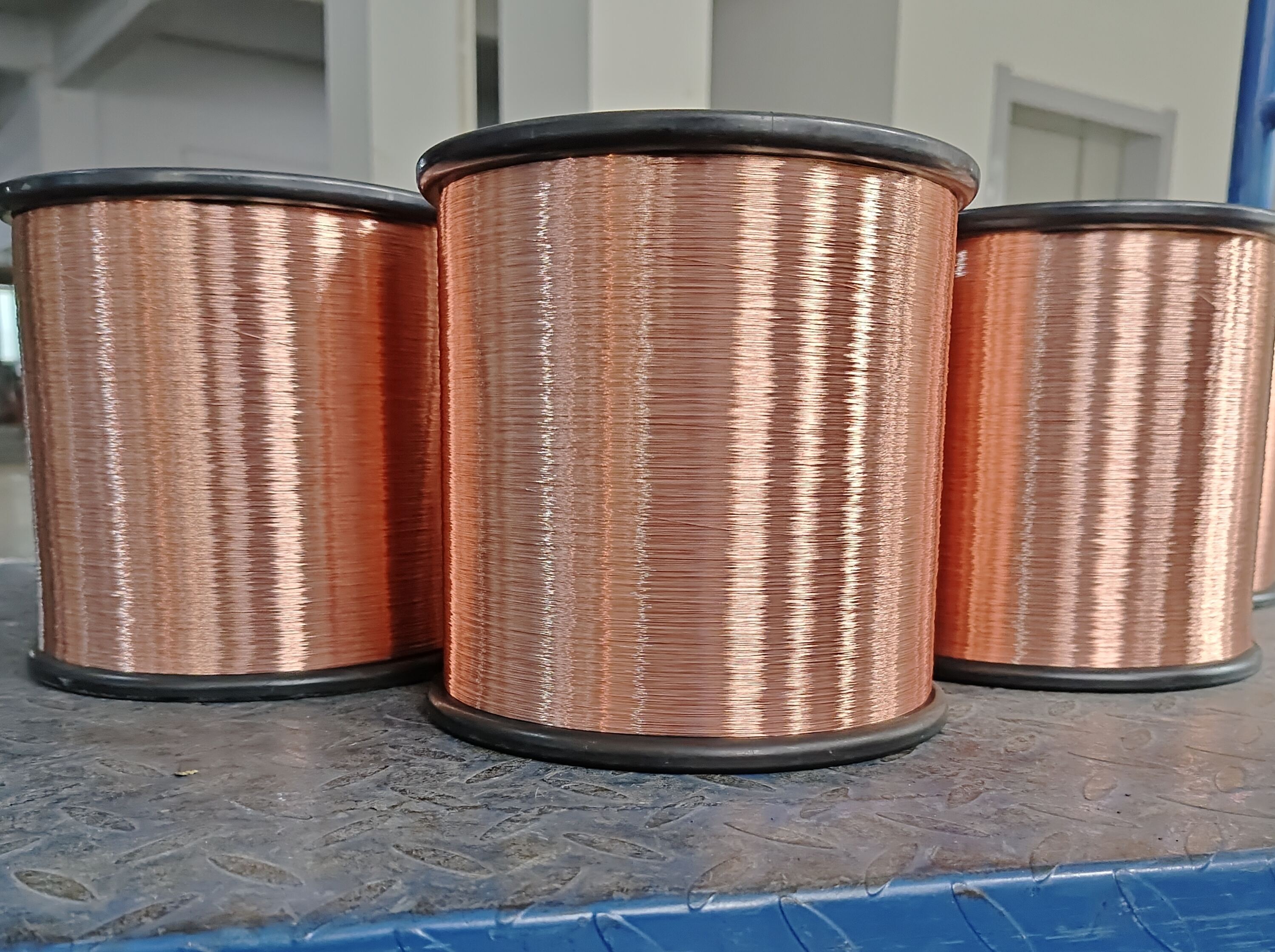
The electrical industry continues to evolve with advanced materials that offer superior performance while maintaining cost-effectiveness. Among these innovations, copper clad aluminum magnesium alloy wire has emerged as a revolutionary solution that combines the excellent conductivity of copper with the lightweight properties of aluminum and magnesium. This specialized wire technology provides manufacturers and engineers with an optimal balance of electrical performance, mechanical strength, and economic efficiency across diverse industrial applications.
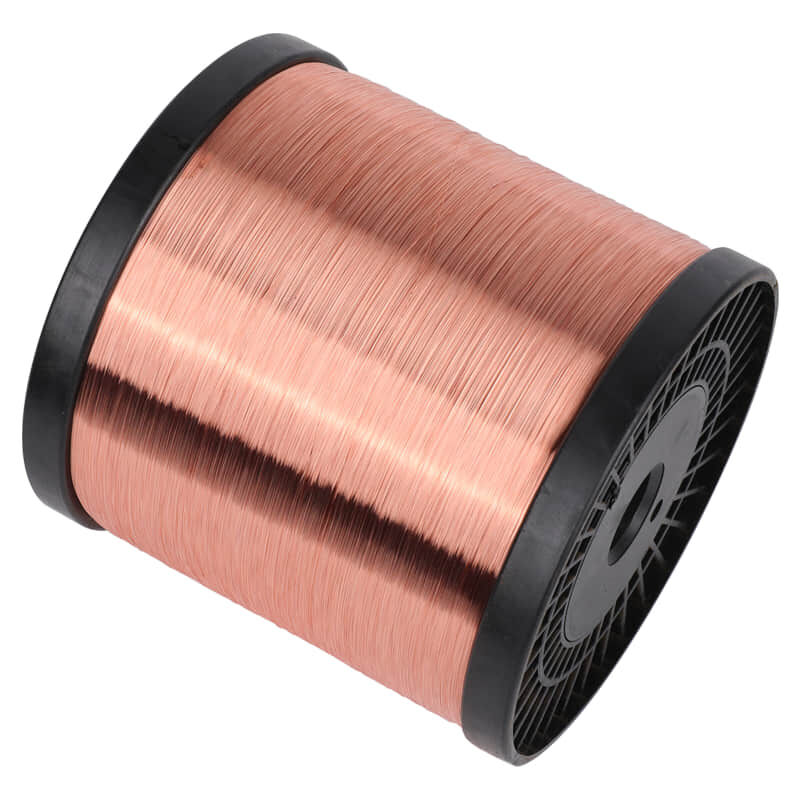
Modern manufacturing processes have enabled the development of sophisticated composite conductors that leverage the unique properties of multiple metals. The copper clad aluminum magnesium alloy wire represents a significant advancement in conductor technology, offering enhanced performance characteristics that make it suitable for demanding electrical applications. This innovative material addresses the growing need for high-performance conductors that can deliver reliable electrical transmission while reducing overall system weight and installation costs.
The integration of magnesium into the aluminum core structure provides additional benefits beyond traditional copper clad aluminum solutions. This three-metal combination creates a conductor with improved mechanical properties, enhanced corrosion resistance, and optimized electrical characteristics. Engineers and project managers increasingly recognize the value of this advanced conductor technology in applications where performance, reliability, and cost-effectiveness are critical factors.
Power Transmission and Distribution Systems
High Voltage Power Lines
In overhead power transmission networks, copper clad aluminum magnesium alloy wire offers significant advantages over conventional conductors. The reduced weight characteristics of this composite material allow for longer spans between transmission towers, reducing infrastructure costs and environmental impact. The copper cladding ensures excellent electrical conductivity at the surface where current density is highest, while the aluminum magnesium core provides structural integrity and weight reduction.
Power utilities have successfully implemented this advanced conductor technology in high-voltage transmission projects, achieving improved efficiency ratings and reduced line losses. The enhanced mechanical properties of the magnesium-enhanced core provide better resistance to wind loading and ice accumulation, critical factors in overhead line design. These characteristics make copper clad aluminum magnesium alloy wire an ideal choice for long-distance power transmission where conductor weight and electrical performance are equally important considerations.
The corrosion resistance properties of this composite conductor extend service life in harsh environmental conditions, reducing maintenance requirements and improving system reliability. Field installations have demonstrated superior performance in coastal environments where salt exposure would typically accelerate conductor degradation. This durability factor contributes to the total cost of ownership advantages that make this technology attractive to utility operators.
Distribution Network Applications
Medium voltage distribution systems benefit from the versatile properties of copper clad aluminum magnesium alloy wire in various configurations. Urban distribution networks require conductors that can handle high current densities while maintaining compact installation profiles. The excellent surface conductivity provided by the copper cladding ensures efficient current flow, while the lightweight core reduces stress on supporting structures and simplifies installation procedures.
Distribution transformers and switchgear applications utilize this advanced conductor technology to achieve improved thermal management and reduced system losses. The enhanced heat dissipation characteristics of the composite material allow for higher current ratings in equivalent conductor sizes. This capability enables system designers to optimize equipment sizing and reduce overall installation footprints while maintaining required performance specifications.
Underground distribution cables incorporating copper clad aluminum magnesium alloy wire provide enhanced pulling characteristics during installation due to reduced weight and improved flexibility. The composite structure maintains dimensional stability under thermal cycling conditions, ensuring reliable long-term performance in buried applications where access for maintenance is limited.
Industrial Manufacturing Applications
Motor and Generator Windings
Electric motor manufacturers have adopted copper clad aluminum magnesium alloy wire for specialized applications where weight reduction is critical without sacrificing electrical performance. Industrial motors used in aerospace, automotive, and marine applications benefit from the superior power-to-weight ratios achieved with this advanced conductor technology. The copper cladding provides excellent connectivity for winding terminations while the lightweight core reduces rotor inertia and improves dynamic response characteristics.
Generator applications in renewable energy systems utilize this composite conductor to achieve improved efficiency ratings and reduced structural requirements. Wind turbine generators particularly benefit from the weight reduction characteristics, as lower generator mass reduces tower loading and foundation requirements. The enhanced fatigue resistance of the magnesium-enhanced aluminum core provides improved reliability under the cyclic loading conditions typical of wind energy applications.
High-frequency motor applications leverage the skin effect properties of copper clad aluminum magnesium alloy wire to achieve optimal current distribution at elevated operating frequencies. The copper surface layer ensures minimal high-frequency losses while the composite core structure provides mechanical stability under thermal cycling conditions. This combination enables motor designers to achieve higher power densities and improved efficiency ratings in compact packaging configurations.
Transformer Manufacturing
Power transformer manufacturers utilize copper clad aluminum magnesium alloy wire in specialized applications where weight considerations are important factors in overall system design. Distribution transformers for mobile applications, including railway and marine systems, benefit from the reduced weight characteristics while maintaining required electrical performance levels. The enhanced mechanical properties of the composite conductor provide improved short-circuit withstand capabilities compared to traditional aluminum conductors.
Dry-type transformer applications take advantage of the improved thermal characteristics of this advanced conductor material. The composite structure provides enhanced heat dissipation properties that allow for higher loading factors or reduced cooling requirements. This thermal management advantage enables transformer designers to achieve more compact designs while maintaining required temperature rise limits and service life expectations.
Specialty transformer applications, including those used in renewable energy systems and industrial processes, benefit from the corrosion resistance properties of copper clad aluminum magnesium alloy wire. The enhanced durability in harsh operating environments reduces maintenance requirements and extends service intervals. These reliability improvements contribute to reduced total cost of ownership and improved system availability in critical applications.
Telecommunications and Data Infrastructure
Coaxial Cable Systems
The telecommunications industry has embraced copper clad aluminum magnesium alloy wire for coaxial cable applications where signal integrity and weight reduction are equally important. The copper cladding provides the required surface conductivity for high-frequency signal transmission while the lightweight core reduces cable weight and installation costs. This composite structure maintains consistent impedance characteristics across wide frequency ranges, essential for modern broadband applications.
Cable television and broadband internet distribution systems utilize this advanced conductor technology to achieve improved signal transmission characteristics over extended distances. The enhanced electrical properties of copper clad aluminum magnesium alloy wire enable longer amplifier spacings in distribution networks, reducing system complexity and maintenance requirements. The improved mechanical properties also provide better resistance to installation damage and environmental stresses.
Satellite communication systems and other high-frequency applications benefit from the stable electrical characteristics of this composite conductor. The magnesium enhancement in the aluminum core provides improved dimensional stability under temperature variations, maintaining consistent electrical properties in demanding operating environments. This stability is critical for maintaining signal quality in precision communication systems.
Data Center Infrastructure
Modern data centers require extensive power distribution systems that can handle high current densities while maintaining compact installation profiles. Copper clad aluminum magnesium alloy wire provides an optimal solution for data center power cables, offering excellent current-carrying capacity with reduced weight and improved installation characteristics. The enhanced thermal properties of the composite material allow for higher loading factors in cable tray installations.
Uninterruptible power system applications in data centers utilize this advanced conductor technology to achieve improved efficiency ratings and reduced system weight. The excellent connectivity properties of the copper cladding ensure reliable connections in critical power systems where downtime must be minimized. The enhanced mechanical properties provide improved reliability under the thermal cycling conditions typical of backup power system operation.
Grounding systems in data centers benefit from the corrosion resistance properties of copper clad aluminum magnesium alloy wire, ensuring long-term reliability in critical infrastructure applications. The composite conductor maintains low resistance connections over extended service periods, essential for maintaining proper grounding system performance and equipment protection capabilities.
Automotive and Transportation Industries
Electric Vehicle Applications
The electric vehicle industry has created significant demand for lightweight conductors that maintain excellent electrical performance. Copper clad aluminum magnesium alloy wire addresses this need by providing substantial weight reduction compared to traditional copper conductors while maintaining required current-carrying capabilities. Vehicle manufacturers utilize this technology in high-voltage battery cables, motor windings, and charging system components where weight reduction directly impacts vehicle range and performance.
Battery management systems in electric vehicles benefit from the reliable electrical characteristics of this composite conductor. The stable resistance properties under temperature variations ensure accurate current sensing and control system operation. The enhanced fatigue resistance of the magnesium-enhanced core provides improved reliability under the vibration and thermal cycling conditions experienced in automotive applications.
Charging infrastructure systems utilize copper clad aluminum magnesium alloy wire to achieve improved portability and installation flexibility in mobile charging units. The reduced weight characteristics enable the development of more portable charging systems while maintaining required power delivery capabilities. The enhanced corrosion resistance properties ensure reliable operation in outdoor charging station installations.
Railway and Transit Systems
Electric railway systems require conductors that can handle high current densities while withstanding mechanical stresses and environmental exposure. Copper clad aluminum magnesium alloy wire provides an ideal solution for traction motor applications where weight reduction improves energy efficiency and reduces wear on track infrastructure. The excellent electrical connectivity properties ensure reliable power transmission in demanding railway operating environments.
Overhead catenary systems benefit from the lightweight characteristics of this advanced conductor technology, reducing mechanical loading on support structures and enabling longer spans between support points. The enhanced fatigue resistance properties provide improved reliability under the dynamic loading conditions experienced in electrified railway systems. These characteristics contribute to reduced maintenance requirements and improved system availability.
Transit system applications, including light rail and subway systems, utilize copper clad aluminum magnesium alloy wire to achieve improved energy efficiency and reduced system weight. The enhanced electrical properties enable more efficient power transmission, reducing energy consumption and operating costs. The improved mechanical characteristics provide better resistance to vibration and thermal cycling in urban transit environments.
FAQ
What are the main advantages of copper clad aluminum magnesium alloy wire over traditional conductors
Copper clad aluminum magnesium alloy wire offers several key advantages including significant weight reduction compared to solid copper conductors while maintaining excellent electrical performance. The copper cladding provides superior surface conductivity and connectivity, while the aluminum magnesium core reduces overall weight by up to sixty percent. Additionally, the composite structure offers enhanced corrosion resistance, improved mechanical properties, and better fatigue resistance compared to standard aluminum conductors, making it ideal for applications where weight, performance, and durability are critical factors.
How does the electrical performance compare to solid copper wire
The electrical performance of copper clad aluminum magnesium alloy wire closely matches that of solid copper wire due to the copper cladding layer where current flow is concentrated. The skin effect phenomenon ensures that current primarily flows through the copper surface layer, particularly at higher frequencies. While the DC resistance may be slightly higher than solid copper, the difference is minimal for most practical applications. The composite structure actually provides advantages in high-frequency applications where the copper cladding optimizes current distribution and reduces losses.
What installation considerations are important for this type of wire
Installation of copper clad aluminum magnesium alloy wire requires attention to proper connection techniques to ensure reliable long-term performance. Connections should be made using appropriate compression fittings or welding techniques designed for composite conductors. The reduced weight characteristics simplify handling and installation procedures, but care must be taken to avoid damage to the copper cladding during installation. Proper support spacing should be calculated based on the mechanical properties of the composite conductor, and thermal expansion considerations should account for the different expansion coefficients of the composite materials.
Is copper clad aluminum magnesium alloy wire suitable for outdoor applications
Yes, copper clad aluminum magnesium alloy wire is well-suited for outdoor applications due to its enhanced corrosion resistance properties. The copper cladding provides excellent protection against environmental exposure, while the magnesium enhancement in the aluminum core improves overall corrosion resistance compared to standard aluminum conductors. The composite structure maintains its electrical and mechanical properties under temperature variations and weather exposure. However, proper installation techniques and appropriate protective measures should be implemented based on specific environmental conditions and application requirements to ensure optimal long-term performance.
Table of Contents
- Power Transmission and Distribution Systems
- Industrial Manufacturing Applications
- Telecommunications and Data Infrastructure
- Automotive and Transportation Industries
-
FAQ
- What are the main advantages of copper clad aluminum magnesium alloy wire over traditional conductors
- How does the electrical performance compare to solid copper wire
- What installation considerations are important for this type of wire
- Is copper clad aluminum magnesium alloy wire suitable for outdoor applications