
 EN
EN


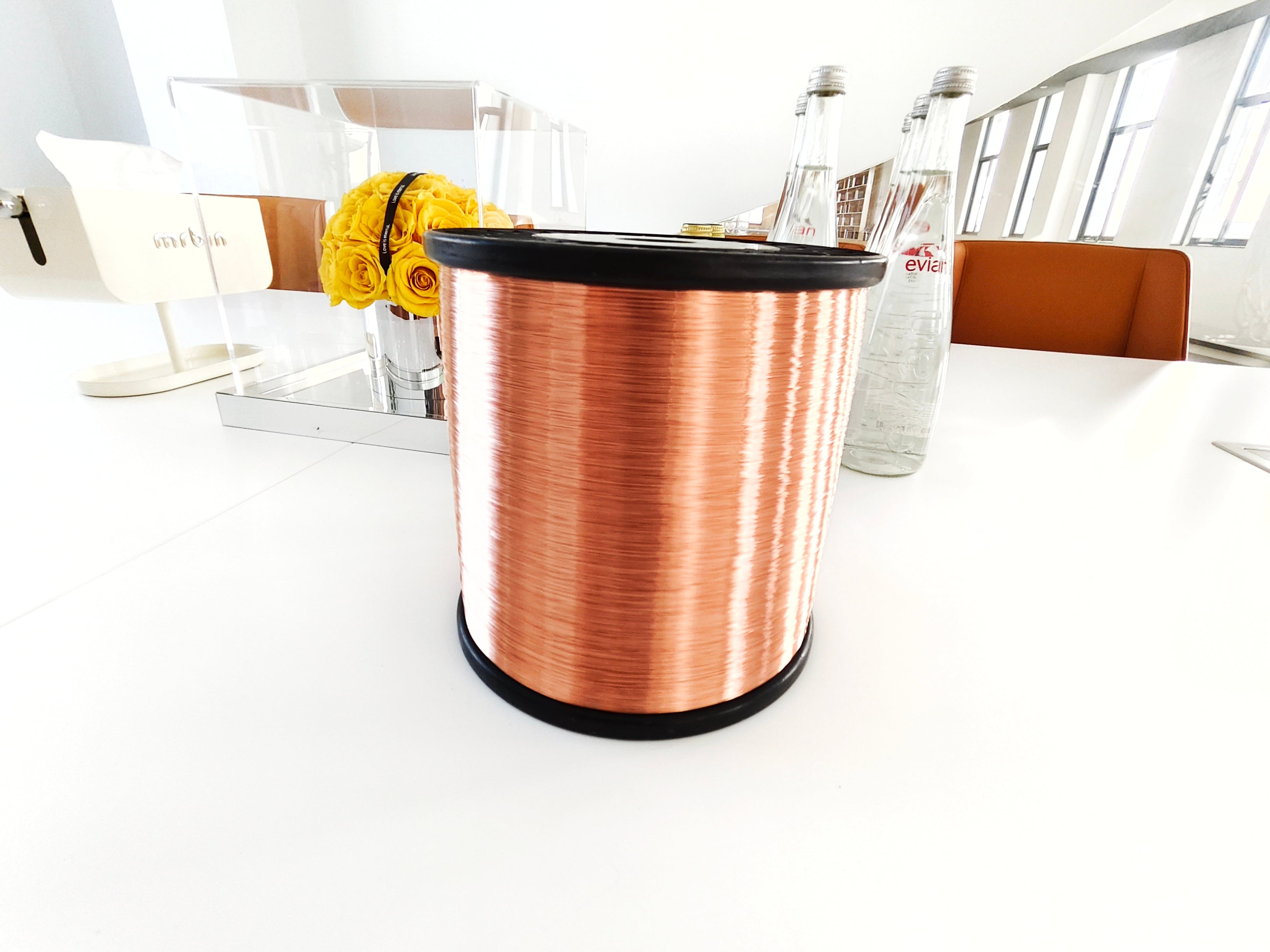
Modern power transmission systems demand materials that combine excellent electrical conductivity with cost-effectiveness and reliability. Among the various conductor options available today, copper clad aluminium wire has emerged as a superior solution for numerous electrical applications. This innovative conductor technology offers the perfect balance between performance and economic efficiency, making it an increasingly popular choice for power transmission projects across diverse industries. The unique construction of copper clad aluminium wire provides electrical engineers and project managers with a versatile solution that addresses many challenges associated with traditional conductor materials.
The development of copper clad aluminium wire represents a significant advancement in conductor technology, addressing the growing need for efficient and economical power transmission solutions. This composite conductor combines the excellent electrical properties of copper with the lightweight characteristics and cost advantages of aluminum, creating a product that outperforms many traditional alternatives in specific applications. Understanding the technical specifications and performance characteristics of copper clad aluminium wire is essential for making informed decisions in power system design and implementation.
Technical Composition and Manufacturing Process
Core Structure and Material Properties
The fundamental design of copper clad aluminium wire consists of an aluminum core surrounded by a thin layer of copper, creating a composite conductor that leverages the beneficial properties of both metals. The aluminum core provides the primary structural foundation while maintaining low weight and cost-effectiveness. The copper cladding ensures superior electrical conductivity at the surface where current flow is most concentrated, particularly important for high-frequency applications where skin effect becomes significant.
Manufacturing processes for copper clad aluminium wire involve sophisticated metallurgical techniques that ensure proper bonding between the copper and aluminum layers. The most common production methods include continuous casting and rolling, electroplating, and cladding processes that create a metallurgical bond between the two metals. These manufacturing techniques ensure that the copper clad aluminium wire maintains consistent electrical and mechanical properties throughout its length, providing reliable performance in demanding applications.
Quality Control and Standards Compliance
Quality assurance in copper clad aluminium wire production involves rigorous testing protocols to verify electrical conductivity, mechanical strength, and bonding integrity between the copper and aluminum components. International standards such as ASTM and IEC specifications provide detailed requirements for copper clad aluminium wire performance characteristics, ensuring consistency across different manufacturers and applications. These standards cover aspects such as conductivity ratios, tensile strength, elongation properties, and corrosion resistance.
Advanced testing methodologies employed during manufacturing include conductivity measurements, pull tests to verify bonding strength, and microscopic examination of the copper-aluminum interface. The copper clad aluminium wire must demonstrate consistent performance across temperature variations and mechanical stress conditions typical of power transmission environments. Quality control protocols also include verification of dimensional accuracy and surface finish requirements that affect both electrical performance and installation procedures.
Electrical Performance Advantages
Conductivity Characteristics and Current Carrying Capacity
The electrical performance of copper clad aluminium wire is fundamentally determined by the copper layer thickness and the overall conductor design. The copper cladding provides excellent conductivity for both direct current and alternating current applications, with the skin effect in AC systems making the copper layer particularly effective. For typical power transmission frequencies, the majority of current flow occurs within the outer copper layer, maximizing the conductor's electrical efficiency while maintaining the weight and cost benefits of the aluminum core.
Current carrying capacity calculations for copper clad aluminium wire must consider both the thermal characteristics of the composite material and the distribution of current between the copper and aluminum components. The aluminum core contributes significantly to the overall current carrying capacity while the copper cladding ensures low resistance and excellent connection reliability. This combination allows copper clad aluminium wire to achieve current ratings comparable to solid copper conductors while maintaining significant weight and cost advantages.
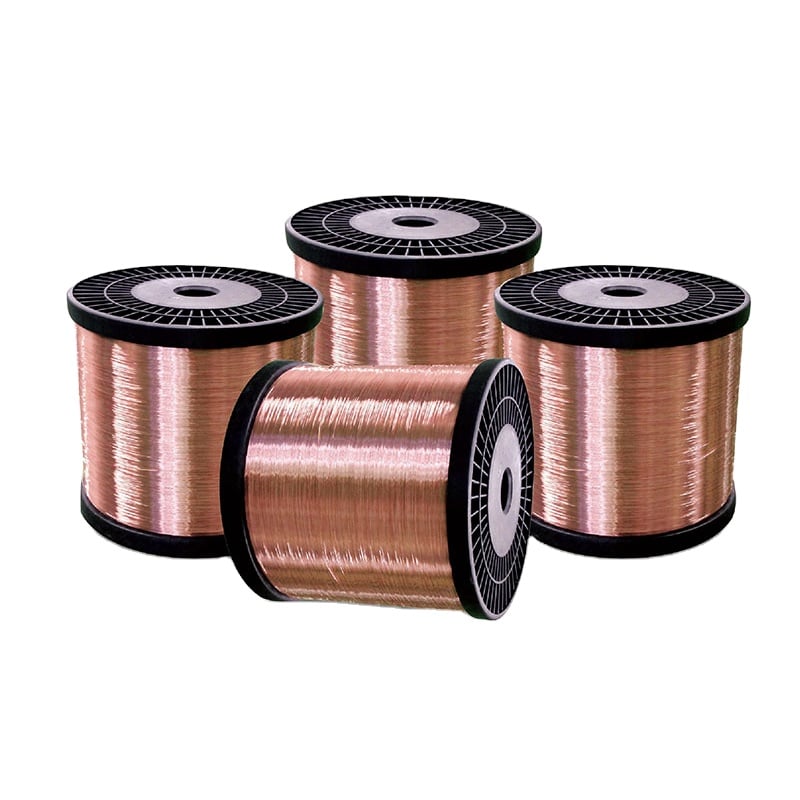
Impedance and Frequency Response
The impedance characteristics of copper clad aluminium wire make it particularly suitable for applications involving variable frequency drives, power electronics, and high-frequency power transmission systems. The copper cladding provides consistent impedance characteristics across a wide frequency range, while the aluminum core contributes to overall conductor stability and mechanical properties. These impedance characteristics are crucial for maintaining power quality and minimizing losses in modern electrical systems.
Frequency response analysis of copper clad aluminium wire demonstrates superior performance compared to aluminum-only conductors, particularly at frequencies where skin effect becomes prominent. The copper surface ensures that high-frequency components of power transmission systems experience minimal resistance increase, maintaining efficiency across diverse operating conditions. This frequency stability makes copper clad aluminium wire an excellent choice for applications involving harmonic-rich electrical environments and variable speed drives.
Economic Benefits and Cost Analysis
Material Cost Advantages
The economic advantages of copper clad aluminium wire become apparent when analyzing both material costs and overall project economics. While copper prices have experienced significant volatility in recent years, aluminum remains relatively stable and cost-effective, making copper clad aluminium wire an attractive alternative to solid copper conductors. The aluminum core typically represents the majority of the conductor volume, resulting in substantial material cost savings compared to equivalent solid copper alternatives.
Cost analysis must also consider the performance characteristics and installation requirements of copper clad aluminium wire compared to other conductor options. The lighter weight of copper clad aluminium wire reduces transportation costs and installation labor requirements, particularly important for large-scale power transmission projects. Additionally, the excellent electrical performance of copper clad aluminium wire often allows for smaller conductor sizes compared to aluminum-only alternatives, further reducing overall project costs.
Lifecycle Cost Considerations
Long-term economic benefits of copper clad aluminium wire include reduced maintenance requirements and improved system reliability compared to some alternative conductor materials. The copper cladding provides excellent corrosion resistance and connection reliability, minimizing the need for frequent maintenance and replacement activities. These reliability factors contribute to lower lifecycle costs and improved return on investment for power transmission infrastructure projects.
Energy efficiency considerations also impact the lifecycle economics of copper clad aluminium wire installations. The excellent conductivity characteristics of the copper layer minimize resistive losses during power transmission, reducing operating costs over the system lifetime. When combined with the initial cost advantages and reduced maintenance requirements, copper clad aluminium wire often provides superior economic performance compared to alternative conductor technologies.
Installation and Compatibility Factors
Connection Methods and Hardware Compatibility
Installation procedures for copper clad aluminium wire require consideration of the composite material properties and appropriate connection techniques. Standard electrical connection hardware designed for copper conductors is generally compatible with copper clad aluminium wire, simplifying installation procedures and reducing the need for specialized components. However, proper installation techniques must account for the different expansion characteristics of copper and aluminum to ensure long-term connection reliability.
Termination procedures for copper clad aluminium wire should follow established practices for copper conductors, taking advantage of the excellent surface conductivity provided by the copper cladding. Proper preparation of conductor ends, appropriate torque specifications, and use of compatible connection hardware ensure reliable electrical connections throughout the system lifetime. The copper surface of copper clad aluminium wire provides excellent solderability and compatibility with various connection methods including compression fittings, mechanical connectors, and welded joints.
Environmental Considerations and Durability
Environmental factors affecting copper clad aluminium wire performance include temperature variations, humidity, corrosive atmospheres, and mechanical stress conditions. The copper cladding provides excellent protection against environmental corrosion while maintaining electrical performance under diverse operating conditions. This environmental resistance makes copper clad aluminium wire suitable for both indoor and outdoor applications across various climate conditions.
Durability testing of copper clad aluminium wire demonstrates excellent performance under thermal cycling, mechanical stress, and environmental exposure conditions typical of power transmission applications. The metallurgical bond between copper and aluminum layers remains stable under normal operating conditions, ensuring consistent electrical and mechanical properties throughout the conductor lifetime. These durability characteristics contribute to the reliability and longevity of power systems utilizing copper clad aluminium wire technology.
Applications and Industry Usage
Power Distribution Systems
Power distribution applications represent one of the primary markets for copper clad aluminium wire, where the combination of electrical performance and economic advantages provides significant benefits. Utility companies and industrial facility operators increasingly specify copper clad aluminium wire for medium voltage distribution systems, taking advantage of reduced material costs while maintaining excellent electrical performance. These applications typically involve voltage levels ranging from 5kV to 35kV where the conductor properties are well-suited to system requirements.
Distribution transformer connections and overhead power lines frequently utilize copper clad aluminium wire due to its favorable weight-to-conductivity ratio and excellent environmental resistance. The reduced weight compared to solid copper alternatives simplifies installation procedures and reduces structural support requirements, particularly important for overhead distribution systems. Additionally, the copper surface provides excellent connection reliability for the frequent connections and terminations required in distribution system applications.
Industrial and Commercial Applications
Industrial facilities with high power requirements often benefit from copper clad aluminium wire installations, particularly in applications involving motor feeders, large electrical loads, and power distribution panels. The excellent current carrying capacity and reduced installation weight make copper clad aluminium wire attractive for industrial applications where both performance and economics are important considerations. Manufacturing facilities, data centers, and commercial buildings represent key markets for this conductor technology.
Specialized applications for copper clad aluminium wire include renewable energy systems, where the combination of performance and cost-effectiveness supports the economic viability of solar and wind power installations. The conductor's excellent electrical characteristics and environmental resistance make it well-suited to the demanding conditions often encountered in renewable energy applications, while the cost advantages support competitive project economics in these price-sensitive markets.
FAQ
What are the main advantages of copper clad aluminium wire over solid aluminum conductors
Copper clad aluminium wire provides significantly improved electrical conductivity compared to solid aluminum conductors, particularly important for AC applications where skin effect concentrates current flow near the conductor surface. The copper cladding offers better corrosion resistance and connection reliability, while maintaining most of the weight and cost advantages associated with aluminum conductors. This combination makes copper clad aluminium wire an excellent compromise between performance and economics.
How does the performance of copper clad aluminium wire compare to solid copper in power transmission applications
In many power transmission applications, copper clad aluminium wire can achieve performance levels very close to solid copper conductors while providing significant cost and weight advantages. The copper surface layer handles the majority of current flow in AC systems due to skin effect, making the aluminum core primarily a structural and cost-saving component. For most practical applications, the performance difference is minimal while the economic benefits are substantial.
What installation considerations are important when working with copper clad aluminium wire
Installation of copper clad aluminium wire should follow standard practices for copper conductors, taking advantage of the excellent surface conductivity and connection compatibility. Proper handling techniques should prevent damage to the copper cladding, and appropriate connection hardware should be used to ensure long-term reliability. The lighter weight compared to solid copper simplifies handling and installation procedures, particularly beneficial for large conductor sizes and overhead applications.
Is copper clad aluminium wire suitable for high-frequency or harmonic-rich electrical environments
Yes, copper clad aluminium wire performs excellently in high-frequency and harmonic-rich environments due to the copper cladding that handles current flow at higher frequencies. The skin effect in AC systems means that high-frequency components primarily flow through the outer copper layer, providing performance characteristics similar to solid copper conductors. This makes copper clad aluminium wire well-suited to applications involving variable frequency drives, power electronics, and other sources of harmonic distortion.
Table of Contents
- Technical Composition and Manufacturing Process
- Electrical Performance Advantages
- Economic Benefits and Cost Analysis
- Installation and Compatibility Factors
- Applications and Industry Usage
-
FAQ
- What are the main advantages of copper clad aluminium wire over solid aluminum conductors
- How does the performance of copper clad aluminium wire compare to solid copper in power transmission applications
- What installation considerations are important when working with copper clad aluminium wire
- Is copper clad aluminium wire suitable for high-frequency or harmonic-rich electrical environments
