
 EN
EN


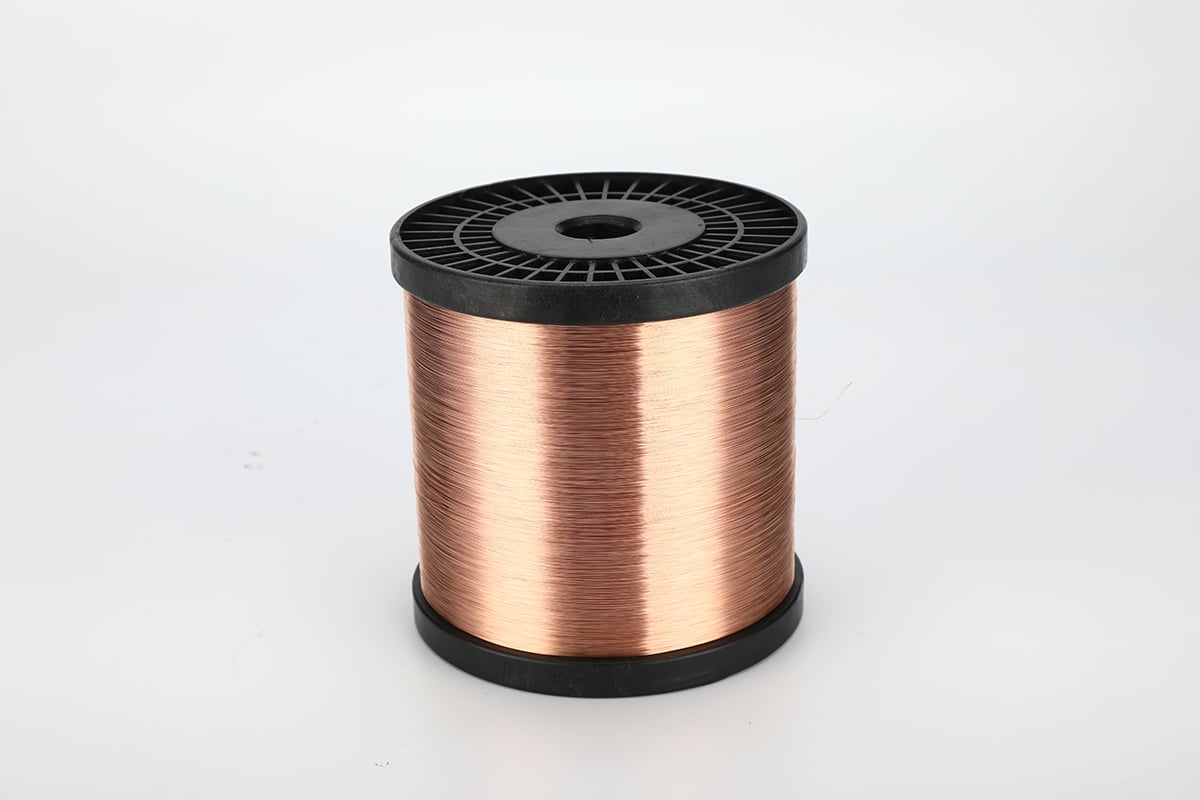
Copper clad aluminium wire represents a revolutionary solution in the electrical industry, combining the excellent conductivity of copper with the lightweight properties and cost-effectiveness of aluminum. This innovative conductor technology has gained significant traction across various applications, from residential wiring systems to high-voltage power transmission networks. Understanding the key characteristics and selection criteria for copper clad aluminium wire is essential for engineers, contractors, and procurement professionals seeking optimal performance and value in their electrical projects.
Understanding Copper Clad Aluminium Wire Technology
Construction and Manufacturing Process
The manufacturing process of copper clad aluminium wire involves sophisticated metallurgical techniques that bond a layer of high-purity copper to an aluminum core. This process typically utilizes either cladding or plating methods, where the copper layer forms a metallurgical bond with the aluminum substrate. The thickness of the copper layer can vary depending on the intended application, but it generally ranges from 10% to 40% of the total conductor cross-sectional area. This construction method ensures that the outer copper layer provides excellent corrosion resistance and superior electrical connectivity, while the aluminum core contributes to weight reduction and cost savings.
Modern production facilities employ continuous casting and rolling processes to achieve uniform copper thickness and consistent electrical properties throughout the wire length. Quality control measures during manufacturing include regular testing of adhesion strength between the copper and aluminum layers, ensuring that the bond remains intact under various mechanical and thermal stress conditions. The resulting copper clad aluminium wire exhibits properties that make it suitable for diverse electrical applications where traditional copper wire might be cost-prohibitive or where weight considerations are paramount.
Electrical Characteristics and Performance
The electrical performance of copper clad aluminium wire depends significantly on the copper-to-aluminum ratio and the quality of the metallurgical bond between the two materials. While the conductivity of this hybrid conductor is lower than pure copper wire, it typically achieves 60-65% of copper's conductivity, which is substantially higher than aluminum wire alone. The copper cladding ensures excellent surface conductivity, which is particularly important for high-frequency applications where skin effect becomes a significant factor in conductor performance.
Temperature coefficient characteristics of copper clad aluminium wire fall between those of pure copper and aluminum, providing stable performance across varying operating temperatures. The thermal expansion properties are carefully engineered to minimize stress at connection points, reducing the risk of loose connections that can lead to overheating and potential safety hazards. Additionally, the copper outer layer provides natural oxidation resistance, maintaining consistent electrical contact over extended service periods without the need for special connection compounds typically required with aluminum conductors.
Key Selection Criteria for Optimal Performance
Application-Specific Requirements
Selecting the appropriate copper clad aluminium wire requires careful consideration of the specific application requirements, including voltage level, current carrying capacity, environmental conditions, and installation constraints. For residential and commercial building wiring, the wire must comply with local electrical codes and standards, which may specify particular conductor types, insulation ratings, and installation methods. In industrial applications, factors such as chemical exposure, vibration resistance, and maintenance accessibility become critical selection parameters that influence the choice of conductor configuration and protective coatings.
Power transmission and distribution applications demand copper clad aluminium wire with specific mechanical properties to withstand wind loading, ice accumulation, and thermal cycling. The selection process must account for the conductor's tensile strength, elongation characteristics, and fatigue resistance to ensure reliable long-term operation. For specialized applications such as aerospace, automotive, or marine environments, additional considerations include weight limitations, corrosion resistance, and compatibility with existing connection systems and installation procedures.
Environmental and Operating Conditions
Environmental factors play a crucial role in determining the suitability of copper clad aluminium wire for specific installations. Moisture exposure, temperature extremes, chemical contamination, and UV radiation can all impact the long-term performance and reliability of the conductor system. In coastal environments or industrial settings with high salt content or corrosive atmospheres, the copper cladding provides enhanced protection compared to bare aluminum conductors, but proper insulation and protective coatings remain essential for optimal performance.
Operating temperature ranges must be carefully evaluated, as thermal cycling can affect the integrity of the copper-aluminum bond and the mechanical properties of the conductor. High-temperature applications may require special consideration of thermal expansion coefficients and potential differential expansion between the copper and aluminum layers. Similarly, low-temperature environments can affect the ductility and flexibility of the conductor, potentially impacting installation procedures and long-term reliability in applications subject to mechanical stress or vibration.
Technical Specifications and Standards Compliance
Industry Standards and Certifications
Compliance with relevant industry standards is fundamental when selecting copper clad aluminium wire for any application. International standards such as IEC, ASTM, and regional specifications like ANSI provide detailed requirements for conductor construction, electrical properties, mechanical characteristics, and testing procedures. These standards ensure consistency in product quality and performance across different manufacturers and provide a basis for comparing alternative conductor options. Certification by recognized testing laboratories validates that the copper clad aluminium wire meets specified performance criteria and safety requirements.
Quality assurance programs implemented by reputable manufacturers include comprehensive testing protocols that verify electrical conductivity, mechanical strength, corrosion resistance, and thermal performance. Third-party testing and certification provide additional confidence in product reliability and can be essential for projects requiring specific compliance documentation. Understanding the applicable standards and certification requirements for your specific application helps ensure that the selected copper clad aluminium wire will meet performance expectations and regulatory requirements throughout its service life.
Physical and Mechanical Properties
The physical dimensions and mechanical properties of copper clad aluminium wire must be carefully matched to the installation requirements and expected service conditions. Conductor diameter, cross-sectional area, and strand configuration all influence the electrical performance, flexibility, and installation characteristics of the wire. Multi-strand constructions provide greater flexibility for applications requiring frequent bending or movement, while solid conductors may be preferred for fixed installations where maximum conductivity is the primary concern.
Tensile strength, elongation at break, and flexibility characteristics determine the wire's ability to withstand installation stresses and long-term mechanical loading. These properties are particularly important in overhead applications where the conductor must support its own weight plus additional loads from ice and wind. The copper-to-aluminum bonding strength must be sufficient to prevent delamination under mechanical stress, thermal cycling, or corrosive conditions that might be encountered during the wire's service life.
Economic Considerations and Cost Analysis
Initial Investment and Material Costs
The economic advantages of copper clad aluminium wire become apparent when considering both initial material costs and long-term operational benefits. While the upfront cost is typically higher than aluminum wire, it remains significantly lower than pure copper conductors of equivalent current-carrying capacity. This cost differential becomes more pronounced in large-scale installations where substantial quantities of conductor material are required, making copper clad aluminium wire an attractive option for cost-conscious projects without compromising electrical performance.
Material cost fluctuations in both copper and aluminum markets can impact the relative economics of different conductor options over time. The hybrid construction of copper clad aluminium wire provides some insulation from extreme price volatility in either metal market, offering more predictable project costs for long-term procurement planning. Additionally, the reduced weight of copper clad aluminium wire compared to copper can result in significant savings in shipping costs, particularly for large projects or installations in remote locations where transportation costs are a major factor.
Lifecycle Cost Benefits
Long-term economic benefits of copper clad aluminium wire extend beyond initial material costs to include reduced installation expenses, lower maintenance requirements, and improved system reliability. The lighter weight of copper clad aluminium wire reduces structural support requirements in aerial installations and simplifies handling during installation, potentially reducing labor costs and installation time. The corrosion resistance provided by the copper cladding minimizes maintenance requirements and extends service life compared to bare aluminum conductors.
Energy efficiency considerations also contribute to the overall economic value proposition of copper clad aluminium wire. While the conductivity is lower than pure copper, the cost savings often justify the slightly higher energy losses in many applications. System designers can optimize the conductor size to achieve the desired efficiency while maintaining cost advantages over copper alternatives. The reduced environmental impact associated with lower copper consumption and the recyclability of both copper and aluminum components provide additional long-term value considerations for environmentally conscious organizations.
Installation Best Practices and Connection Methods
Proper Installation Techniques
Successful installation of copper clad aluminium wire requires adherence to specific techniques that account for the unique properties of this hybrid conductor. Proper handling during installation prevents damage to the copper cladding layer, which could compromise the conductor's corrosion resistance and electrical performance. Installation crews should be trained on appropriate bending radii, pulling tensions, and connection methods specific to copper clad aluminium wire to ensure optimal system performance and longevity.
Temperature considerations during installation are particularly important, as extreme cold can affect the flexibility of the conductor and potentially impact the copper-aluminum bond. Installation procedures should specify appropriate temperature ranges and any special precautions required for cold-weather installations. Similarly, the installation environment should be evaluated for potential contaminants or conditions that could affect the conductor's surface integrity during the installation process.
Connection Systems and Hardware
The selection of appropriate connection hardware and techniques is critical for achieving reliable electrical connections with copper clad aluminium wire. Standard copper connectors are generally suitable due to the copper cladding, but compatibility should be verified for specific applications and environmental conditions. Proper connector installation techniques, including adequate compression or crimping forces, ensure gas-tight connections that will maintain low resistance over time while preventing corrosion at the connection interface.
Special consideration must be given to dissimilar metal connections where copper clad aluminium wire interfaces with other conductor types. Galvanic corrosion prevention measures, such as appropriate joint compounds or isolation methods, may be necessary to ensure long-term connection reliability. Connection hardware selection should also consider the thermal expansion characteristics of copper clad aluminium wire to prevent stress concentration at connection points that could lead to loosening or failure over time.
FAQ
What are the main advantages of copper clad aluminium wire over pure aluminum or copper conductors?
Copper clad aluminium wire offers several key advantages including better conductivity than pure aluminum while maintaining lower cost and weight compared to copper. The copper cladding provides excellent corrosion resistance and allows for standard copper connection methods, eliminating many of the installation and maintenance challenges associated with aluminum conductors. Additionally, it offers improved high-frequency performance due to the copper surface layer and provides better compatibility with existing copper-based electrical systems.
How do I determine the appropriate copper clad aluminium wire size for my specific application?
Selecting the correct wire size involves calculating the required current-carrying capacity based on load requirements, voltage drop considerations, and applicable electrical codes. The ampacity of copper clad aluminium wire is typically rated at approximately 84% of equivalent copper wire, so sizing calculations must account for this difference. Environmental factors such as ambient temperature, installation method, and grouping with other conductors also affect the final size selection and should be considered in conjunction with relevant electrical standards and local code requirements.
What special considerations are needed for connecting copper clad aluminium wire to other conductor types?
When connecting copper clad aluminium wire to dissimilar metals, it's essential to prevent galvanic corrosion by using appropriate transition connectors or joint compounds. The copper cladding allows for standard copper connection methods in most cases, but the aluminum core requires consideration of thermal expansion differences. Proper connector selection, adequate compression forces, and appropriate torque specifications help ensure reliable long-term connections. For critical applications, periodic inspection and maintenance of connections may be recommended to verify continued performance.
How does the performance of copper clad aluminium wire change in high-frequency applications?
In high-frequency applications, copper clad aluminium wire performs exceptionally well due to the skin effect phenomenon, where current flows primarily in the outer conductor surface. Since the copper cladding provides this outer conducting path, the performance approaches that of solid copper wire at higher frequencies. The depth of current penetration decreases with increasing frequency, making the copper surface layer increasingly important for efficient current transmission. This characteristic makes copper clad aluminium wire particularly suitable for RF applications, power transmission at higher frequencies, and certain industrial heating applications.
Table of Contents
- Understanding Copper Clad Aluminium Wire Technology
- Key Selection Criteria for Optimal Performance
- Technical Specifications and Standards Compliance
- Economic Considerations and Cost Analysis
- Installation Best Practices and Connection Methods
-
FAQ
- What are the main advantages of copper clad aluminium wire over pure aluminum or copper conductors?
- How do I determine the appropriate copper clad aluminium wire size for my specific application?
- What special considerations are needed for connecting copper clad aluminium wire to other conductor types?
- How does the performance of copper clad aluminium wire change in high-frequency applications?
