
 EN
EN


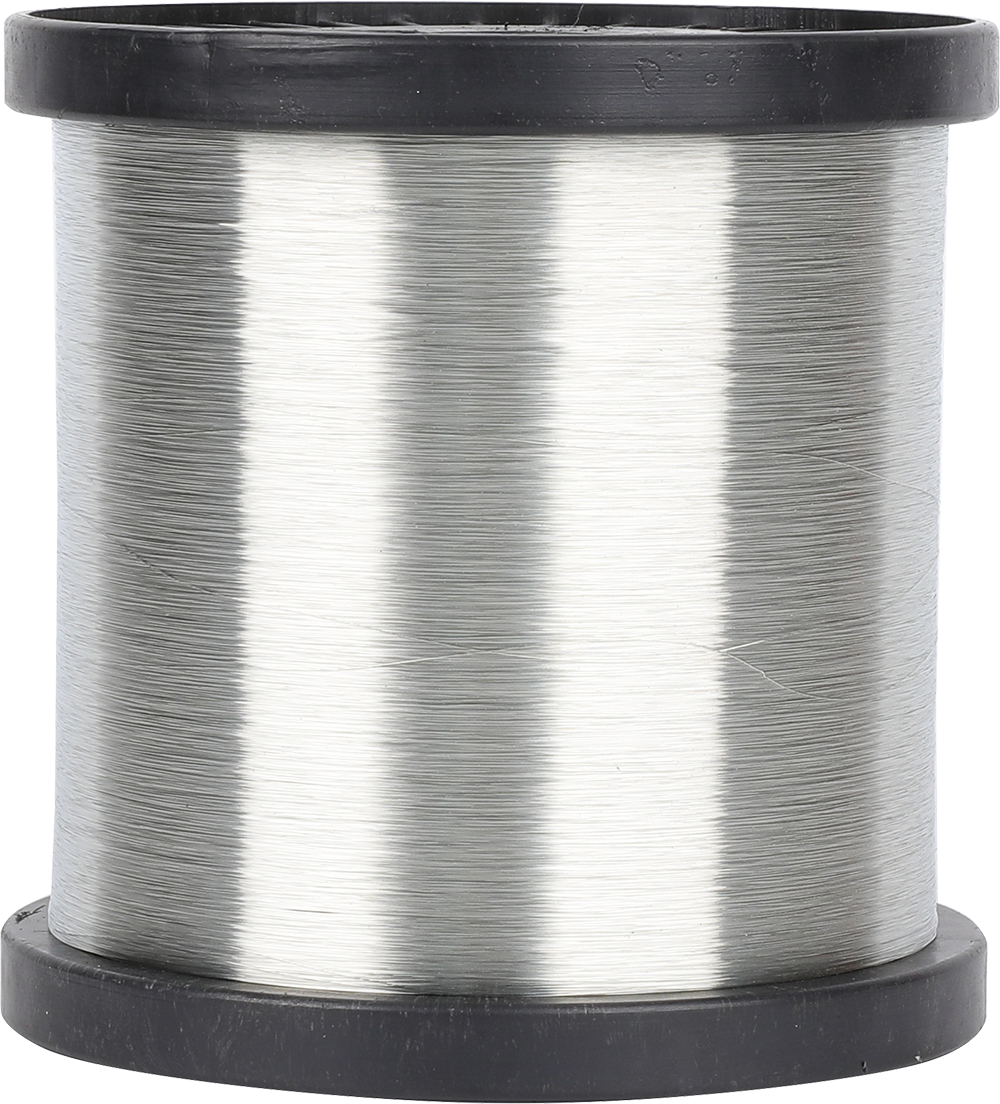
Aluminum-magnesium alloy wire represents a critical advancement in modern electrical and mechanical applications, offering an exceptional combination of lightweight properties, corrosion resistance, and electrical performance. The unique metallurgical composition of AlMg wire creates a material that outperforms traditional aluminum conductors while maintaining cost-effectiveness for industrial applications. Engineering professionals across aerospace, automotive, and electrical industries increasingly rely on this specialized alloy wire to meet demanding performance specifications where both strength and conductivity are paramount.
Understanding AlMg Wire Composition and Properties
Metallurgical Structure of Aluminum-Magnesium Alloys
The fundamental structure of AlMg wire consists of aluminum as the primary matrix with carefully controlled magnesium content ranging from 0.5% to 5.5% by weight. This precise alloying creates a solid solution that enhances the mechanical properties of pure aluminum without significantly compromising its excellent electrical conductivity. The magnesium atoms integrate into the aluminum crystal lattice, creating lattice distortion that strengthens the material through solid solution hardening mechanisms.
Manufacturing processes for high-quality AlMg wire involve controlled cooling rates and thermal treatments that optimize the distribution of magnesium throughout the aluminum matrix. Advanced production facilities utilize continuous casting and drawing techniques that maintain uniform composition and grain structure, ensuring consistent performance characteristics throughout the wire length. These manufacturing standards directly impact the final product's reliability in critical applications.
Key Performance Characteristics
Superior AlMg wire demonstrates remarkable tensile strength improvements compared to pure aluminum, typically achieving 25-40% higher strength values while retaining approximately 60-65% of copper's electrical conductivity. The strength-to-weight ratio of this alloy wire makes it particularly valuable for applications where reducing overall system weight is crucial. Additionally, the natural corrosion resistance of aluminum is enhanced by magnesium additions, creating a material that withstands harsh environmental conditions without protective coatings.
The electrical properties of AlMg wire remain stable across wide temperature ranges, making it suitable for both indoor and outdoor applications. Thermal expansion coefficients are predictable and manageable, allowing engineers to design systems with confidence in long-term performance stability. These characteristics make AlMg wire an ideal choice for overhead transmission lines, underground cables, and specialized electronic applications.
Manufacturing Excellence in AlMg Wire Production
Quality Control Standards and Testing
Leading manufacturers of AlMg wire implement rigorous quality control protocols that encompass every stage of production, from raw material inspection to final product testing. Spectrographic analysis ensures precise magnesium content, while mechanical testing validates tensile strength, elongation, and flexibility parameters. These comprehensive testing procedures guarantee that each wire meets or exceeds international standards for electrical and mechanical performance.
Advanced testing equipment measures electrical conductivity using four-point probe methods, providing accurate resistance values that correlate directly with field performance. Microscopic examination of grain structure reveals the uniformity of alloy distribution, while stress-strain testing confirms mechanical properties under various loading conditions. This multi-layered approach to quality assurance ensures consistent product reliability across different production batches.
Advanced Production Techniques
Modern AlMg wire production utilizes sophisticated drawing processes that achieve precise diameter control while maintaining optimal mechanical properties. Multi-stage drawing operations gradually reduce wire diameter through carefully calibrated dies, work-hardening the material to achieve desired strength characteristics. Temperature control during drawing operations prevents overheating that could compromise the alloy structure or electrical properties.
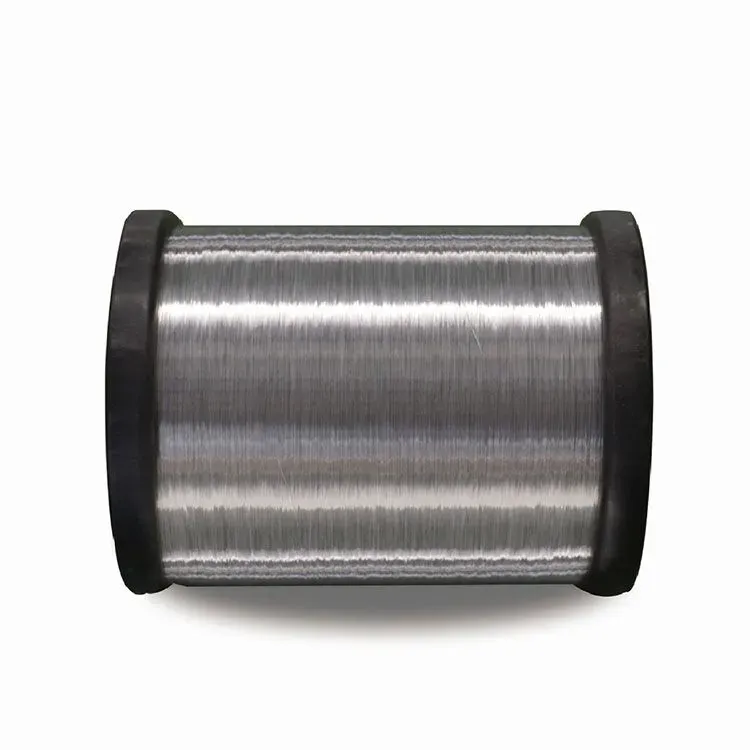
Surface treatment processes enhance the natural corrosion resistance of AlMg wire through controlled oxidation techniques that create uniform protective layers. These treatments improve long-term reliability in outdoor applications while maintaining excellent electrical contact properties at connection points. Quality manufacturers also implement traceability systems that track production parameters for each wire lot, enabling rapid response to any performance issues that may arise in the field.
Applications and Performance Benefits
Electrical Infrastructure Applications
Power transmission and distribution systems benefit significantly from the enhanced properties of AlMg wire, particularly in overhead line construction where weight reduction translates directly to reduced support structure requirements. The improved strength allows for longer spans between towers, reducing installation costs and environmental impact. Utilities worldwide have documented improved system reliability when upgrading from standard aluminum conductors to AlMg wire configurations.
Underground electrical applications also leverage the corrosion resistance advantages of AlMg wire, especially in environments with high moisture content or chemical exposure. The enhanced mechanical properties resist damage during installation and provide better long-term performance in challenging soil conditions. Electrical continuity remains stable over decades of service, reducing maintenance requirements and improving system reliability.
Industrial and Specialty Applications
Manufacturing industries utilize AlMg wire in applications requiring both electrical conductivity and mechanical strength, such as motor windings, transformers, and specialized electronic equipment. The wire's ability to maintain properties across temperature cycles makes it valuable for equipment that experiences frequent heating and cooling. Aerospace applications particularly benefit from the weight reduction and reliability characteristics of high-quality AlMg wire.
Renewable energy systems, including wind turbines and solar panel installations, increasingly specify AlMg wire for both power transmission and grounding applications. The material's resistance to fatigue loading from wind-induced vibrations extends service life compared to traditional conductor materials. Marine applications also benefit from the enhanced corrosion resistance, particularly in salt spray environments where standard aluminum would require additional protection.
Technical Specifications and Selection Criteria
Electrical Performance Parameters
When selecting AlMg wire for specific applications, engineers must consider conductivity requirements in relation to mechanical strength needs. Standard AlMg wire formulations achieve conductivity values between 58-62% IACS (International Annealed Copper Standard), making them suitable for most power transmission applications. Higher magnesium content alloys sacrifice some conductivity for increased strength, while lower magnesium variants prioritize electrical performance.
Temperature coefficient of resistance for AlMg wire remains stable and predictable, allowing accurate calculation of performance under varying operating conditions. Skin effect characteristics at high frequencies match those of pure aluminum, making the alloy suitable for AC power applications. DC resistance measurements provide reliable baseline data for system design and performance monitoring throughout the wire's service life.
Mechanical Strength Considerations
Tensile strength specifications for AlMg wire typically range from 160-220 MPa depending on alloy composition and temper condition. Yield strength values provide important design parameters for applications involving mechanical stress, while elongation percentages indicate the wire's ability to accommodate installation stresses and thermal expansion. These mechanical properties remain stable under normal operating conditions, ensuring long-term reliability.
Fatigue resistance testing demonstrates the superior performance of AlMg wire under cyclic loading conditions compared to pure aluminum conductors. This characteristic proves particularly valuable in overhead applications where wind-induced movement creates repeated stress cycles. Creep resistance at elevated temperatures ensures dimensional stability in high-temperature applications, maintaining electrical contact integrity over extended service periods.
Installation and Handling Best Practices
Proper Installation Techniques
Successful installation of AlMg wire requires attention to specific handling procedures that preserve the material's beneficial properties. Minimum bend radius specifications prevent work-hardening that could lead to premature failure, while proper tension control during installation ensures optimal mechanical and electrical performance. Installation teams must understand the unique characteristics of AlMg wire to avoid damage during handling and positioning.
Connection techniques for AlMg wire applications require compatible materials and proper joint compound applications to prevent galvanic corrosion. Compression connections provide reliable electrical contact while accommodating the thermal expansion characteristics of the alloy. Proper torque specifications ensure adequate contact pressure without over-stressing the wire, maintaining long-term connection reliability.
Storage and Handling Requirements
Proper storage of AlMg wire involves protection from moisture and contamination that could affect surface properties or create corrosion sites. Controlled storage environments maintain the wire's as-manufactured condition until installation, preserving both electrical and mechanical properties. Handling equipment must avoid sharp edges or excessive bending that could create stress concentration points leading to premature failure.
Quality documentation accompanying AlMg wire shipments provides essential information for installation teams, including specific alloy composition, mechanical properties, and recommended installation parameters. This documentation enables proper material verification and ensures compliance with project specifications. Traceability information allows correlation of field performance with manufacturing parameters for continuous improvement initiatives.
FAQ
What makes AlMg wire superior to standard aluminum wire
AlMg wire offers significantly enhanced mechanical strength compared to pure aluminum while maintaining excellent electrical conductivity. The magnesium alloying provides approximately 25-40% higher tensile strength, improved fatigue resistance, and enhanced corrosion protection. These improvements make AlMg wire ideal for demanding applications where both electrical performance and mechanical reliability are critical.
How does temperature affect AlMg wire performance
AlMg wire demonstrates stable electrical and mechanical properties across wide temperature ranges, typically from -40°C to +90°C in standard applications. The temperature coefficient of resistance remains predictable, allowing accurate performance calculations. Thermal expansion characteristics are well-documented and manageable through proper installation techniques, ensuring long-term system reliability.
What are the key considerations for connecting AlMg wire
Proper connections require compatible materials to prevent galvanic corrosion, appropriate joint compounds, and correct installation torques. Compression-type connections typically provide the most reliable long-term performance. Connection hardware should be rated for the specific AlMg alloy being used, and installation procedures must follow manufacturer specifications to ensure optimal electrical and mechanical performance.
How long does AlMg wire typically last in outdoor applications
High-quality AlMg wire in properly designed and installed systems can provide reliable service for 30-50 years or more in outdoor environments. The enhanced corrosion resistance and mechanical properties contribute to extended service life compared to standard aluminum conductors. Regular inspection and maintenance practices can identify any issues early, further extending the operational lifetime of AlMg wire installations.
