
 EN
EN


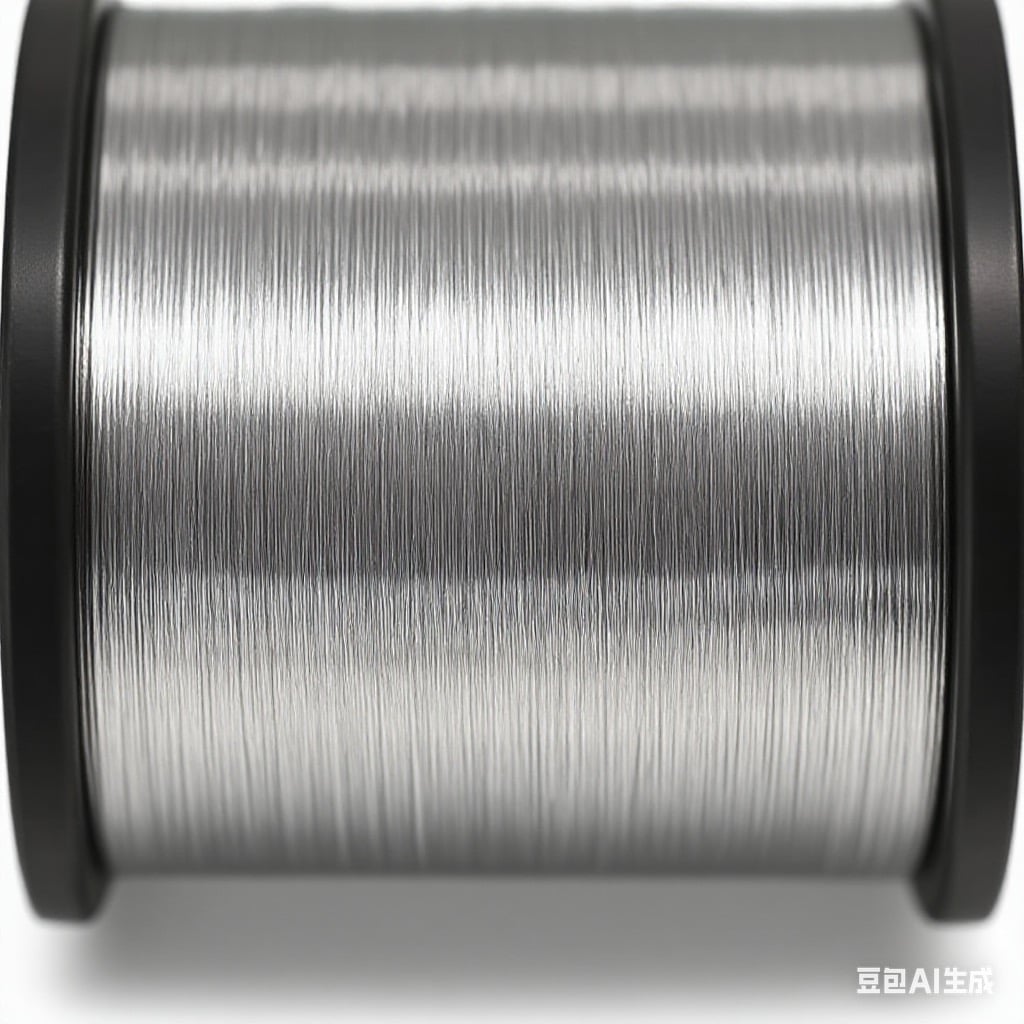
When electrical installations face extreme weather conditions, temperature fluctuations, and corrosive environments, selecting the right conductor becomes critical for long-term performance and safety. TCCS wire represents an innovative solution that combines the electrical conductivity of copper with the strength and corrosion resistance of steel, making it an ideal choice for challenging outdoor applications. This advanced conductor technology offers superior durability while maintaining cost-effectiveness compared to traditional pure copper alternatives.
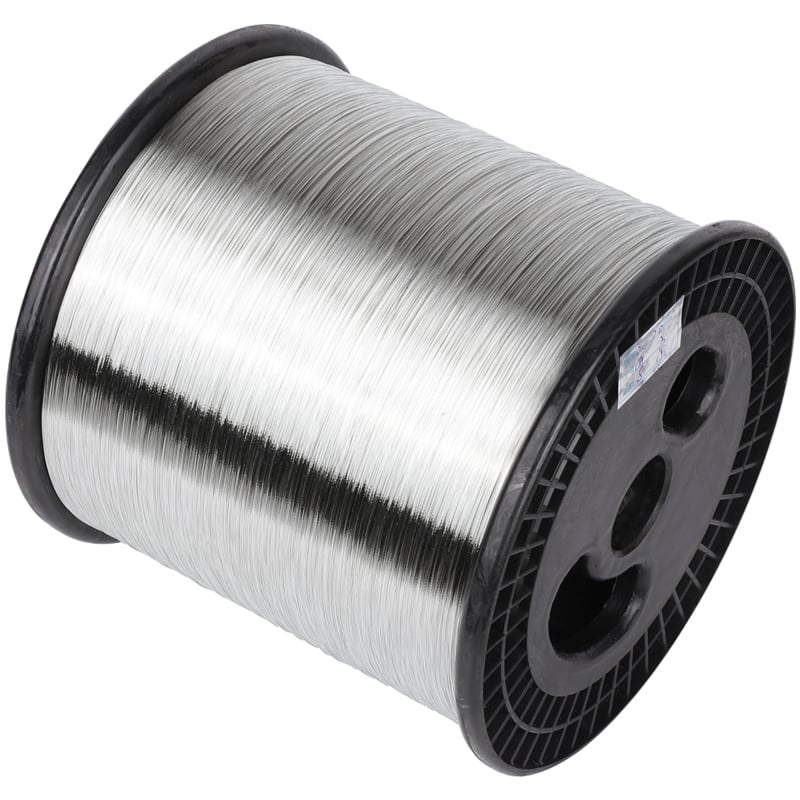
Understanding TCCS Wire Technology
Composition and Manufacturing Process
TCCS wire consists of a high-strength steel core that is completely clad with a layer of tin-plated copper. This unique construction method involves drawing steel wire through a copper tube, then applying controlled heat and pressure to create a metallurgical bond between the two materials. The tin plating on the copper surface provides additional protection against oxidation and enhances solderability for connection purposes.
The manufacturing process ensures that the copper cladding maintains uniform thickness throughout the wire length, typically ranging from 10% to 40% of the total conductor diameter. This precise control guarantees consistent electrical properties while maximizing the mechanical strength provided by the steel core. Quality control measures during production include continuous monitoring of cladding thickness, tensile strength testing, and electrical conductivity verification.
Electrical and Mechanical Properties
The electrical characteristics of TCCS wire depend on the copper cladding percentage, with higher copper content providing better conductivity. Even with reduced copper content compared to solid copper wire, TCCS wire maintains adequate conductivity for most applications while offering significantly improved tensile strength. The steel core provides breaking strengths that can be three to four times higher than equivalent solid copper conductors.
Mechanical properties include excellent flexibility and resistance to fatigue failure under repeated bending cycles. The composite structure allows the wire to withstand mechanical stress without compromising electrical performance, making it particularly suitable for installations where physical durability is paramount. These characteristics make TCCS wire an excellent choice for overhead lines, guy wires, and grounding applications in demanding environments.
Advantages in Harsh Environmental Conditions
Corrosion Resistance and Longevity
The tin plating on TCCS wire provides exceptional protection against atmospheric corrosion, including exposure to salt spray, industrial pollutants, and acidic precipitation. This protective barrier prevents oxidation of the underlying copper layer while maintaining electrical conductivity at connection points. The combination of materials creates a conductor that can withstand decades of exposure to harsh environmental conditions without significant degradation.
Field studies have demonstrated that properly installed TCCS wire systems maintain their electrical and mechanical integrity for 25-30 years in coastal environments where salt corrosion is a primary concern. The tin plating also facilitates superior connections with standard electrical fittings and connectors, ensuring long-term reliability at termination points where failures commonly occur with other conductor types.
Temperature Stability and Thermal Performance
TCCS wire exhibits excellent performance across wide temperature ranges, from extreme cold to high heat conditions typical in outdoor installations. The steel core provides dimensional stability during thermal cycling, preventing the sagging and elongation issues common with pure copper conductors. The coefficient of thermal expansion for TCCS wire falls between that of steel and copper, offering balanced thermal behavior.
In applications where conductors experience direct sunlight and ambient temperature variations, TCCS wire maintains consistent electrical properties without the mechanical stress that can lead to conductor failure. The thermal stability also reduces maintenance requirements and extends service life compared to alternatives that may require periodic re-tensioning or replacement due to thermal effects.
Cost-Effectiveness and Economic Benefits
Material Cost Advantages
The use of a steel core in TCCS wire significantly reduces the amount of copper required compared to solid copper conductors of equivalent current-carrying capacity. This material composition provides substantial cost savings, particularly important when copper prices fluctuate or reach high market values. The economic advantage becomes more pronounced in large-scale installations where conductor costs represent a significant portion of total project expenses.
Installation costs also benefit from the reduced weight of TCCS wire compared to equivalent copper conductors. The lighter weight simplifies handling, reduces shipping costs, and may allow for lighter support structures in overhead applications. These factors contribute to overall project cost reductions that can be particularly significant in utility-scale installations and infrastructure projects.
Lifecycle Cost Analysis
Long-term economic benefits of TCCS wire include reduced maintenance requirements and extended service life compared to conventional conductors in harsh environments. The superior corrosion resistance translates to fewer replacement cycles and lower maintenance intervention costs over the conductor's operational lifetime. Utility companies and industrial facilities report significant savings in maintenance budgets when switching to TCCS wire for challenging applications.
The reliability improvements associated with TCCS wire also reduce the indirect costs related to system downtime and service interruptions. In critical applications where continuity of service is essential, the enhanced durability of TCCS wire provides valuable insurance against unexpected failures that can result in costly emergency repairs and lost productivity.
Installation Considerations and Best Practices
Proper Handling and Installation Techniques
Installing TCCS wire requires attention to specific handling practices to preserve the integrity of the tin plating and ensure optimal performance. During installation, avoid sharp bends or kinks that could damage the cladding layer and create potential corrosion entry points. Use appropriate pulling tensions and guide systems to prevent mechanical damage during cable routing through conduits or along support structures.
Connection techniques for TCCS wire should follow manufacturer recommendations to ensure reliable electrical joints. The tin plating facilitates excellent solderability, but proper surface preparation and flux selection are important for achieving durable connections. Mechanical connections using appropriate compression fittings designed for clad conductors provide reliable alternatives to soldered joints in many applications.
Environmental Considerations and Protection
While TCCS wire offers superior environmental resistance, proper installation practices can further enhance performance and longevity. Ensure adequate drainage at low points to prevent water accumulation, and use appropriate sealants at penetrations and terminations. In areas with extreme environmental conditions, consider additional protective measures such as conduit systems or protective coatings at vulnerable connection points.
Regular inspection schedules should focus on connection points and areas where the wire may be subject to mechanical stress or abrasion. Early detection of any cladding damage allows for preventive maintenance that can extend the conductor's service life and prevent more serious problems from developing over time.
Applications and Industry Use Cases
Telecommunications and Data Infrastructure
TCCS wire finds extensive use in telecommunications infrastructure where reliable grounding and power distribution are essential for maintaining service continuity. Cell tower installations, particularly in coastal areas or industrial zones, benefit from the corrosion resistance and mechanical strength of TCCS wire for guy wires, grounding conductors, and power feeds. The conductors ability to withstand environmental stress while maintaining electrical integrity makes it ideal for critical communication infrastructure.
Data center facilities located in challenging environments also utilize TCCS wire for grounding systems and auxiliary power distribution. The conductors reliability reduces the risk of equipment damage from ground faults or power quality issues, protecting valuable electronic equipment and maintaining operational continuity. Installation in underground applications benefits from the enhanced corrosion resistance when conductors may be exposed to groundwater or soil chemicals.
Utility and Power Distribution Applications
Electric utilities increasingly specify TCCS wire for distribution applications where environmental conditions are severe or where enhanced mechanical properties are required. Rural electrification projects in areas with corrosive soil conditions or extreme weather patterns particularly benefit from the enhanced durability of TCCS wire conductors. The improved strength-to-weight ratio allows for longer spans between support poles, reducing infrastructure costs.
Substation grounding systems represent another key application where TCCS wire provides superior performance compared to conventional copper conductors. The enhanced corrosion resistance ensures reliable fault current paths over extended periods, while the mechanical strength resists damage from soil movement or thermal cycling. These characteristics are particularly valuable in substations located in challenging environments or areas subject to seismic activity.
FAQ
What is the typical lifespan of TCCS wire in outdoor applications
TCCS wire typically provides 25-30 years of reliable service in harsh outdoor environments, significantly longer than conventional copper conductors in similar conditions. The actual lifespan depends on specific environmental factors such as salt exposure, industrial pollutants, and temperature cycling, but the tin-plated copper cladding and steel core construction provides exceptional durability against these challenges.
How does the conductivity of TCCS wire compare to solid copper wire
The conductivity of TCCS wire depends on the copper cladding percentage, typically ranging from 20-40% of solid copper conductivity for standard configurations. While lower than pure copper, this conductivity level is adequate for most grounding and power distribution applications, while providing significantly enhanced mechanical strength and corrosion resistance that solid copper cannot match.
Can TCCS wire be used in direct burial applications
Yes, TCCS wire is well-suited for direct burial applications due to its superior corrosion resistance compared to standard copper conductors. The tin plating provides excellent protection against soil chemicals and moisture, while the steel core offers enhanced mechanical protection against soil movement and settling. Proper installation practices, including appropriate backfill materials, will maximize performance in underground applications.
What special tools or techniques are required for connecting TCCS wire
TCCS wire connections can be made using standard electrical connection methods, including soldering, compression fittings, and mechanical connectors designed for clad conductors. The tin plating actually facilitates easier soldering compared to bare copper, while compression fittings must be properly sized for the specific TCCS wire configuration being used. No special tools beyond standard electrical installation equipment are typically required.
