
 EN
EN


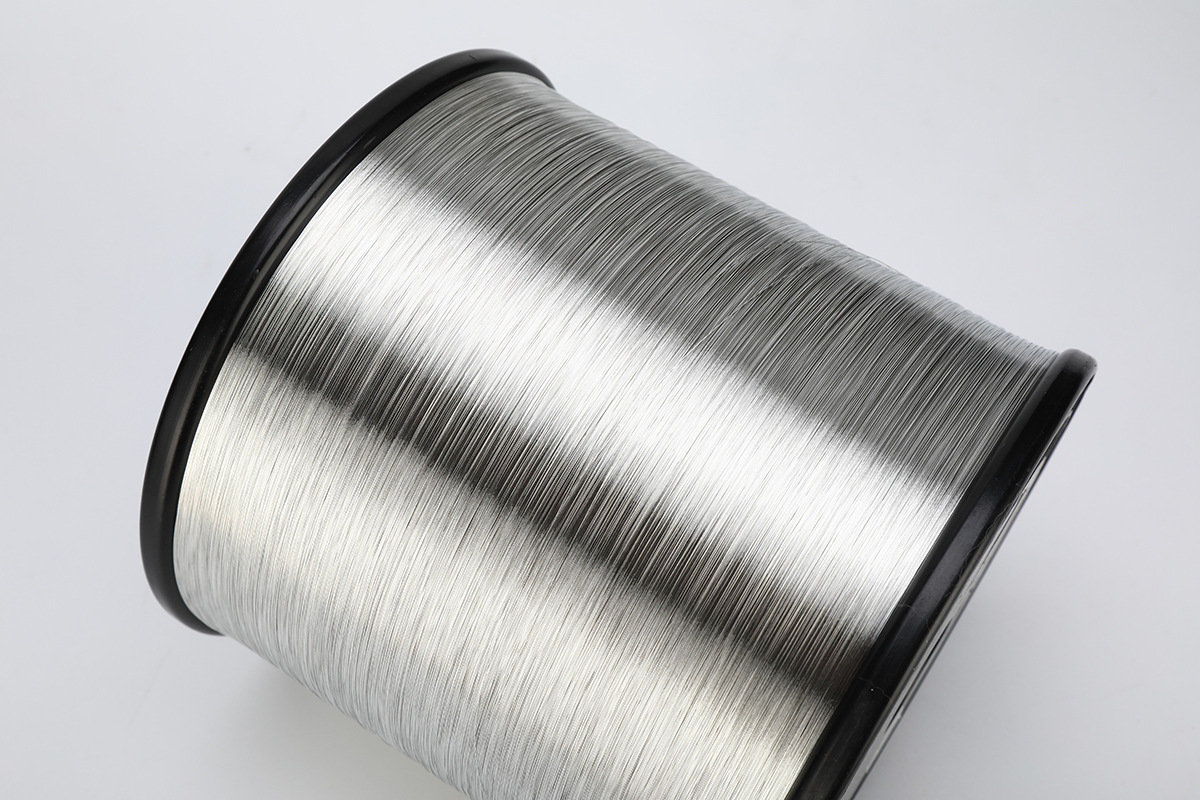
In today's demanding industrial applications, engineers and procurement specialists are constantly seeking wire solutions that deliver exceptional performance while maintaining cost-effectiveness. The emergence of TCCS wire technology has revolutionized how industries approach electrical conductivity challenges, offering a unique blend of copper's excellent electrical properties with steel's mechanical strength. This innovative composite conductor represents a significant advancement in wire technology, addressing the critical needs of modern electrical and telecommunications infrastructure where both performance and durability are paramount.
The manufacturing process behind TCCS wire involves sophisticated metallurgical techniques that ensure optimal bonding between the copper cladding and steel core. This precise engineering creates a conductor that maintains excellent electrical characteristics while providing superior tensile strength compared to traditional copper wires. Industries ranging from telecommunications to power transmission have recognized the substantial benefits of implementing TCCS wire solutions, particularly in applications where environmental factors pose significant challenges to conductor longevity.
Understanding the Composition and Structure of TCCS Wire
Core Steel Foundation and Its Properties
The foundation of TCCS wire lies in its high-quality steel core, which provides exceptional mechanical properties essential for demanding applications. This steel core undergoes rigorous quality control processes to ensure uniform composition and optimal grain structure, resulting in superior tensile strength and flexibility. The steel component typically accounts for the majority of the wire's cross-sectional area, contributing significantly to the overall mechanical performance while maintaining cost-effectiveness compared to solid copper alternatives.
Modern TCCS wire manufacturing utilizes specially formulated steel alloys that offer enhanced corrosion resistance even before the copper cladding application. These steel cores are engineered to withstand various environmental stresses, including temperature fluctuations, mechanical tension, and exposure to moisture. The careful selection of steel grade ensures that the TCCS wire maintains structural integrity throughout its operational lifetime, even under challenging installation and service conditions.
Copper Cladding Technology and Bonding Process
The copper cladding process represents the most critical aspect of TCCS wire manufacturing, requiring precise control of temperature, pressure, and timing parameters. Advanced metallurgical bonding techniques create a molecular-level interface between the copper layer and steel core, ensuring permanent adhesion that cannot separate under normal operating conditions. This bonding process eliminates the risk of delamination that could compromise electrical performance or create potential failure points in the conductor.
The thickness of the copper cladding is carefully engineered to provide optimal electrical conductivity while maintaining economic viability. Typically ranging from 10% to 40% of the total wire diameter, the copper layer ensures that TCCS wire delivers electrical performance comparable to solid copper conductors. This precise copper thickness also contributes to the wire's corrosion resistance, creating a protective barrier that shields the steel core from environmental exposure.
Corrosion Resistance Mechanisms and Performance
Electrochemical Protection Properties
The corrosion resistance of TCCS wire stems from sophisticated electrochemical principles that create multiple layers of protection against environmental degradation. The copper cladding serves as the primary barrier, offering excellent resistance to atmospheric corrosion, moisture, and chemical exposure commonly encountered in industrial environments. This copper layer maintains its protective properties through the formation of a stable oxide layer that actually enhances corrosion resistance over time.
Beyond the physical barrier protection, TCCS wire exhibits galvanic protection characteristics that further enhance its corrosion resistance. The copper cladding acts as a cathodic protection system for the underlying steel core, creating an electrochemical environment that inhibits corrosion initiation and propagation. This dual protection mechanism ensures that even in the unlikely event of minor cladding damage, the steel core remains protected from corrosion, maintaining the structural integrity of the TCCS wire.
Environmental Performance and Testing Standards
Comprehensive testing protocols validate the exceptional corrosion resistance of TCCS wire under various environmental conditions, including salt spray exposure, humidity cycling, and chemical immersion tests. These standardized tests demonstrate that TCCS wire consistently outperforms many alternative conductor materials in harsh environmental conditions. The testing results show minimal degradation even after extended exposure to corrosive environments that would quickly compromise other conductor types.
Field performance data collected from installations in coastal, industrial, and urban environments further confirms the superior corrosion resistance of TCCS wire. These real-world applications demonstrate that TCCS wire maintains its electrical and mechanical properties throughout extended service periods, even in environments with high pollution levels, salt air exposure, or chemical contamination. Such performance validation has led to increased adoption of TCCS wire in critical infrastructure projects where long-term reliability is essential.
Durability Factors and Mechanical Performance
Tensile Strength and Flexibility Characteristics
The exceptional durability of TCCS wire results from its unique combination of materials that provide superior mechanical properties compared to traditional conductor options. The steel core contributes high tensile strength, allowing TCCS wire to withstand significant mechanical stress during installation and throughout its service life. This enhanced strength enables longer spans in aerial applications and reduces the need for additional support structures, resulting in cost savings and improved system reliability.

Flexibility represents another crucial durability factor, as TCCS wire must accommodate thermal expansion, wind loading, and installation stresses without compromising performance. The carefully engineered balance between the steel core and copper cladding ensures optimal flexibility while maintaining structural integrity. This flexibility characteristic makes TCCS wire particularly suitable for applications requiring frequent handling or installation in confined spaces where bending radius limitations are critical considerations.
Fatigue Resistance and Service Life Performance
Long-term durability testing reveals that TCCS wire exhibits exceptional fatigue resistance under cyclic loading conditions commonly encountered in practical applications. The metallurgical bond between copper and steel distributes stress uniformly throughout the conductor cross-section, preventing stress concentration points that could lead to premature failure. This uniform stress distribution mechanism significantly extends the service life of TCCS wire compared to mechanically assembled conductor systems.
Service life projections based on accelerated aging tests and field performance data indicate that properly installed TCCS wire can provide reliable service for decades under normal operating conditions. The inherent durability characteristics of TCCS wire reduce maintenance requirements and replacement costs over the system lifetime. This long-term reliability makes TCCS wire an economically attractive option for infrastructure investments where lifecycle costs are primary considerations.
Applications and Industry-Specific Benefits
Telecommunications Infrastructure Implementation
The telecommunications industry has embraced TCCS wire technology for various applications ranging from grounding systems to antenna feeders, where the combination of electrical performance and mechanical durability is essential. In cellular tower installations, TCCS wire provides reliable grounding conductors that maintain low impedance paths while withstanding environmental stresses including wind, ice, and temperature variations. The corrosion resistance of TCCS wire ensures long-term electrical integrity in these exposed installations.
Data center and telecommunications facility applications benefit significantly from the space-saving characteristics of TCCS wire, as the enhanced mechanical properties allow for more compact cable routing and installation configurations. The reduced weight compared to solid copper alternatives simplifies installation procedures and reduces structural loading requirements. These factors contribute to lower installation costs and improved system reliability in critical telecommunications infrastructure.
Power Transmission and Distribution Systems
Power utility companies have recognized the substantial advantages of incorporating TCCS wire in various transmission and distribution applications, particularly for grounding systems and neutral conductors where corrosion resistance and mechanical strength are paramount. The ability of TCCS wire to maintain electrical performance while providing superior mechanical properties makes it ideal for overhead distribution lines in areas prone to severe weather conditions or environmental contamination.
Substation grounding applications represent another area where TCCS wire delivers exceptional performance, as the harsh electromagnetic environment and potential for soil chemistry variations require conductors that maintain both electrical and mechanical integrity over extended periods. The corrosion resistance properties of TCCS wire ensure reliable ground fault protection throughout the system's operational lifetime, contributing to overall power system safety and reliability.
Manufacturing Quality and Standards Compliance
Production Process Controls and Quality Assurance
The manufacturing of high-quality TCCS wire requires sophisticated process controls that monitor critical parameters throughout the production sequence, ensuring consistent product quality and performance characteristics. Advanced quality management systems track material properties from raw material receipt through final product testing, maintaining detailed documentation that validates conformance to specified requirements. These comprehensive quality controls ensure that every meter of TCCS wire meets or exceeds performance specifications.
Continuous monitoring systems evaluate the copper cladding thickness, bonding integrity, and mechanical properties during production, providing immediate feedback for process optimization. Statistical process control methods identify trends and variations that might affect product quality, enabling proactive adjustments that maintain consistent performance characteristics. This rigorous approach to quality management results in TCCS wire products that deliver predictable performance in demanding applications.
International Standards and Certification Requirements
TCCS wire manufacturing must comply with various international standards that specify performance requirements, testing procedures, and quality management systems applicable to conductor products. These standards ensure that TCCS wire meets minimum performance requirements for electrical conductivity, mechanical strength, and environmental resistance. Compliance with recognized standards provides confidence to specifying engineers and procurement professionals that the product will perform as expected in their specific applications.
Third-party testing and certification programs validate the performance claims made for TCCS wire products, providing independent verification of key characteristics including tensile strength, electrical resistance, and corrosion resistance. These certification programs often require ongoing surveillance testing to ensure continued compliance with applicable standards. The investment in comprehensive testing and certification demonstrates the manufacturer's commitment to product quality and customer satisfaction.
Economic Advantages and Cost-Benefit Analysis
Initial Cost Comparison and Value Proposition
When evaluating the economic advantages of TCCS wire, the initial cost comparison reveals significant benefits compared to solid copper alternatives, particularly in applications requiring substantial conductor quantities. The steel core component allows TCCS wire to achieve comparable electrical performance at a fraction of the cost of solid copper, making it an attractive option for cost-conscious projects without compromising technical requirements. This cost advantage becomes increasingly significant in large-scale installations where conductor costs represent a substantial portion of the total project budget.
The value proposition of TCCS wire extends beyond simple material cost savings to include installation efficiencies and reduced system complexity. The enhanced mechanical properties of TCCS wire often eliminate the need for additional support structures or reinforcement systems, resulting in further cost reductions and simplified installation procedures. These system-level benefits contribute to overall project economics that favor TCCS wire selection over traditional conductor options.
Lifecycle Cost Benefits and Maintenance Savings
Long-term economic analysis reveals that TCCS wire delivers substantial lifecycle cost benefits through reduced maintenance requirements and extended service life compared to alternative conductor technologies. The corrosion resistance and mechanical durability of TCCS wire minimize the need for periodic replacement or repair, reducing both direct costs and system downtime associated with maintenance activities. These reliability benefits are particularly valuable in critical applications where service interruptions result in significant economic consequences.
The extended service life of TCCS wire also provides economic benefits through deferred replacement costs and reduced frequency of system upgrades. Engineering studies indicate that properly specified and installed TCCS wire systems can provide decades of reliable service with minimal maintenance intervention. This longevity characteristic makes TCCS wire an economically attractive investment for infrastructure projects where lifecycle costs are primary decision factors.
FAQ
What is the typical service life of TCCS wire in outdoor applications
TCCS wire typically provides 25-30 years of reliable service in outdoor applications when properly installed and maintained. The copper cladding provides excellent protection against atmospheric corrosion, while the steel core maintains mechanical integrity throughout the service period. Actual service life depends on specific environmental conditions, installation practices, and loading conditions, but field experience consistently demonstrates exceptional longevity compared to alternative conductor technologies.
How does TCCS wire perform in high-frequency applications
TCCS wire performs excellently in high-frequency applications due to the skin effect phenomenon, where high-frequency currents travel primarily in the outer copper layer. The copper cladding provides the necessary conductivity for RF applications, while the steel core contributes minimal impact on high-frequency performance. This makes TCCS wire suitable for antenna systems, grounding applications, and other RF installations where both electrical performance and mechanical strength are required.
What installation considerations are important for TCCS wire systems
Proper installation of TCCS wire requires attention to bending radius limitations, connection methods, and environmental protection measures. The minimum bending radius should not exceed manufacturer specifications to prevent damage to the copper-steel bond. Connections should use appropriate hardware designed for bimetallic conductor systems to prevent galvanic corrosion. Environmental considerations include proper drainage, adequate support spacing, and protection from mechanical damage during and after installation.
How does TCCS wire compare to aluminum conductors in terms of performance
TCCS wire offers superior mechanical strength and corrosion resistance compared to aluminum conductors, while providing better electrical conductivity than aluminum alloy alternatives. The copper cladding eliminates the oxidation concerns associated with aluminum connections, resulting in more reliable long-term electrical performance. Additionally, TCCS wire maintains consistent electrical properties over time, while aluminum conductors may experience increased resistance due to oxide formation and thermal cycling effects.
