
 EN
EN


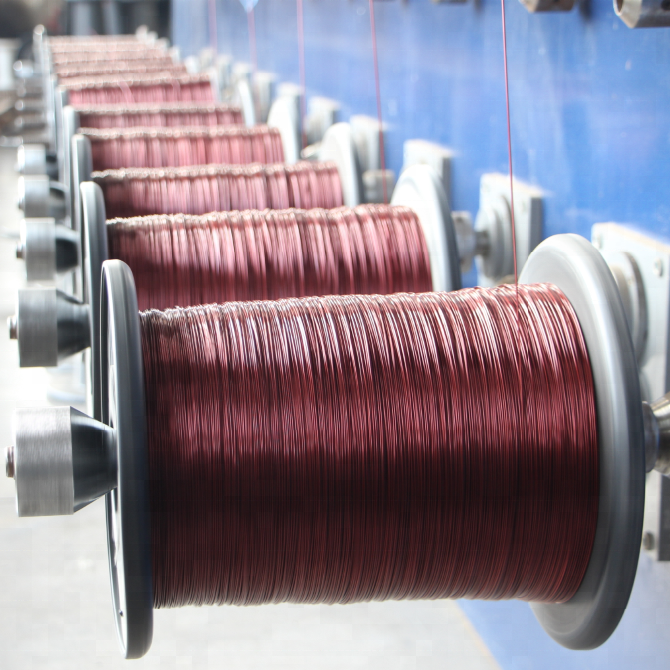
TCCA wire represents a specialized conductor solution that combines the electrical properties of copper with the lightweight characteristics of aluminum, enhanced by a protective tin coating. This innovative wire technology addresses critical challenges in electrical systems where corrosion resistance is paramount. The unique construction of TCCA wire makes it particularly valuable in environments where traditional copper conductors may face degradation from moisture, chemical exposure, or atmospheric conditions.
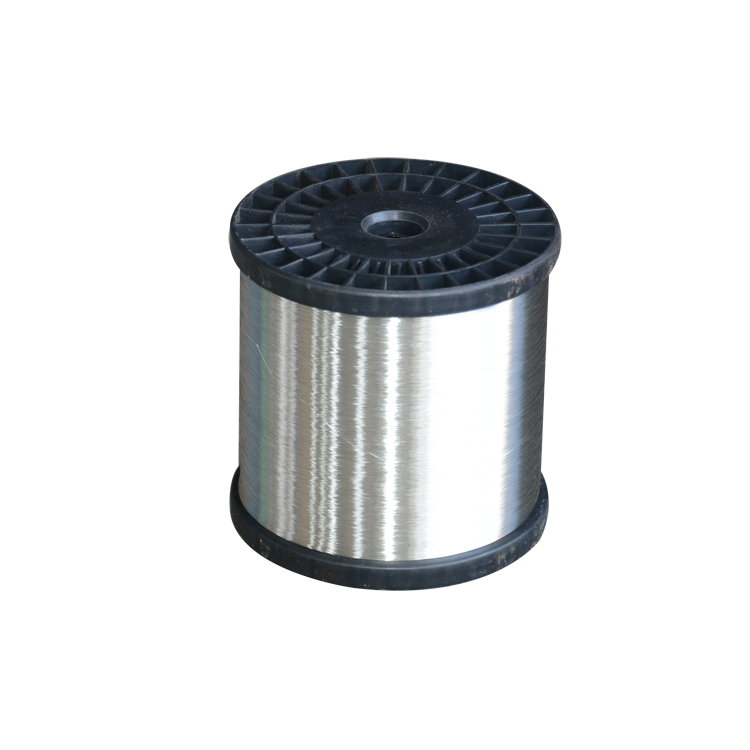
The development of TCCA wire emerged from the need to create cost-effective alternatives to solid copper conductors while maintaining superior performance characteristics. Engineers recognized that aluminum's lighter weight could provide significant advantages in large-scale installations, but pure aluminum presented challenges including oxidation susceptibility and connection reliability issues. The copper cladding solution addressed these concerns by providing excellent conductivity at the surface while the tin plating adds an additional layer of corrosion protection.
Industrial applications increasingly demand conductors that can withstand harsh environmental conditions while maintaining electrical integrity over extended periods. TCCA wire technology responds to these requirements by incorporating multiple protective layers that work synergistically to prevent corrosion initiation and propagation. This multi-layered approach ensures that even if the outer tin coating experiences minor damage, the underlying copper layer continues to provide corrosion resistance and electrical performance.
Understanding TCCA Wire Construction and Materials
Core Aluminum Foundation and Benefits
The aluminum core of TCCA wire serves as the primary structural element, providing the conductor with its lightweight characteristics while maintaining adequate current-carrying capacity. Aluminum's density is approximately one-third that of copper, resulting in significant weight reductions for large-scale wiring installations. This weight advantage becomes particularly important in applications such as overhead power transmission, building wiring systems, and mobile equipment where weight considerations directly impact installation costs and structural requirements.
High-purity aluminum alloys used in TCCA wire construction offer excellent formability and ductility, allowing the wire to maintain flexibility during installation and service. The aluminum core also provides thermal expansion characteristics that closely match those of common building materials, reducing stress concentrations that could lead to connection failures over time. Additionally, aluminum's natural oxide layer, while potentially problematic in some applications, contributes to the overall corrosion resistance when properly managed within the TCCA wire design.
Copper Cladding Layer Properties
The copper cladding on TCCA wire typically comprises 10-15% of the total cross-sectional area, strategically positioned to maximize electrical performance while minimizing material costs. This copper layer provides superior conductivity at the wire surface where electrical connections are made, ensuring reliable contact resistance and long-term connection stability. The bonding between copper and aluminum occurs through specialized manufacturing processes that create metallurgical bonds resistant to separation under normal service conditions.
Copper's natural antimicrobial properties contribute additional benefits in applications where biological contamination might be a concern. The copper cladding also serves as a barrier layer, preventing direct contact between the aluminum core and external environments that might promote galvanic corrosion. This isolation effect is crucial in mixed-metal installations where TCCA wire interfaces with copper terminals, brass fittings, or other dissimilar metals commonly found in electrical systems.
Tin Plating Protection Mechanism
The outermost tin plating layer on TCCA wire provides the primary corrosion resistance mechanism, acting as a sacrificial barrier between the underlying metals and corrosive environments. Tin exhibits excellent resistance to atmospheric corrosion, moisture penetration, and many chemical agents commonly encountered in industrial settings. The tin coating typically ranges from 1-3 micrometers in thickness, providing sufficient protection while maintaining cost-effectiveness.
Tin's electrochemical properties make it particularly suitable for protecting copper-aluminum combinations. Unlike some other plating materials, tin does not create significant galvanic potential differences with either copper or aluminum, minimizing the risk of accelerated corrosion at material interfaces. The tin plating also provides excellent solderability, allowing for reliable connections using standard electrical joining techniques without requiring special surface preparation or flux compositions.
Corrosion Resistance Performance Analysis
Environmental Testing Standards and Results
TCCA wire undergoes rigorous testing according to international standards including ASTM B545, IEC 60228, and various military specifications to validate its corrosion resistance performance. Salt spray testing, conducted per ASTM B117, demonstrates that properly manufactured TCCA wire can withstand over 1000 hours of continuous salt fog exposure without significant degradation of electrical properties. These test results indicate superior performance compared to bare aluminum conductors and competitive performance with solid copper in many environmental conditions.
Accelerated aging tests simulate decades of service exposure in compressed timeframes, allowing engineers to predict long-term TCCA wire performance with confidence. Temperature cycling tests confirm that the multi-layer construction maintains integrity through repeated expansion and contraction cycles that might compromise single-material conductors. Humidity exposure tests validate the tin coating's effectiveness in preventing moisture-induced corrosion, particularly important in marine environments or areas with high atmospheric moisture content.
Chemical Resistance Characteristics
The chemical resistance of TCCA wire depends primarily on the tin plating's interaction with specific chemical environments. Tin demonstrates excellent resistance to weak acids, alkalis, and most organic solvents commonly encountered in industrial facilities. However, strong acids and certain oxidizing agents can compromise the tin coating, potentially exposing the underlying copper layer to chemical attack. Understanding these limitations is crucial for proper application selection and system design.
In petrochemical environments, TCCA wire performs well against hydrocarbon exposure, petroleum distillates, and many process chemicals. The tin coating resists degradation from lubricating oils, hydraulic fluids, and most cleaning solvents used in industrial maintenance operations. This chemical resistance makes TCCA wire suitable for power and control applications in refineries, chemical processing plants, and manufacturing facilities where chemical exposure is unavoidable.
Galvanic Corrosion Prevention
One of the most significant advantages of TCCA wire lies in its ability to minimize galvanic corrosion when connected to dissimilar metals. The tin plating serves as a neutral interface layer, reducing electrochemical potential differences that drive galvanic corrosion processes. This characteristic is particularly valuable in electrical systems where TCCA wire must interface with copper bus bars, brass terminals, or steel enclosures.
Proper installation techniques further enhance the galvanic corrosion resistance of TCCA wire systems. Using compatible connection hardware, appropriate joint compounds, and proper sealing methods creates electrical systems with extended service life even in challenging environments. The reduced galvanic activity also minimizes the formation of corrosion products that could increase connection resistance or create safety hazards in electrical equipment.
Application Areas and Industry Use Cases
Power Distribution and Transmission
TCCA wire finds extensive application in power distribution systems where the combination of light weight, corrosion resistance, and cost-effectiveness provides significant advantages. Overhead distribution lines benefit from the reduced structural loading that TCCA wire enables, allowing for longer spans between poles or lighter-duty support structures. The corrosion resistance proves particularly valuable in coastal areas where salt spray accelerates the degradation of conventional aluminum conductors.
Underground power cables utilizing TCCA wire construction offer improved longevity in challenging soil conditions. The tin plating resists degradation from ground chemicals, moisture, and biological activity that can compromise cable performance over time. Industrial facilities often specify TCCA wire for internal power distribution to take advantage of its corrosion resistance in environments with chemical vapors, high humidity, or temperature extremes.
Marine and Offshore Applications
The marine environment presents one of the most challenging applications for electrical conductors, with constant exposure to salt spray, high humidity, and temperature variations. TCCA wire's multi-layer corrosion protection makes it particularly well-suited for shipboard electrical systems, offshore platforms, and coastal installations. The weight reduction compared to solid copper conductors provides additional benefits in marine applications where payload capacity and stability are critical considerations.
Offshore wind energy systems increasingly utilize TCCA wire for both power transmission and control circuits. The harsh marine environment demands conductors that maintain performance despite continuous exposure to corrosive conditions. TCCA wire's proven track record in these applications demonstrates its reliability and cost-effectiveness compared to exotic alloy alternatives that might provide superior corrosion resistance but at significantly higher costs.
Industrial Process and Manufacturing
Manufacturing facilities often present challenging environments for electrical conductors, with exposure to process chemicals, temperature extremes, and mechanical stresses. TCCA wire's corrosion resistance makes it suitable for power and control applications in chemical processing, metal finishing, food processing, and pharmaceutical manufacturing. The tin plating resists degradation from cleaning chemicals and sterilizing agents commonly used in these industries.
Process control systems benefit from TCCA wire's stable electrical properties and resistance to environmental degradation. Signal integrity remains consistent over extended periods, reducing maintenance requirements and improving system reliability. The cost advantages of TCCA wire compared to solid copper become particularly significant in large industrial installations where thousands of feet of conductor may be required.
Installation Considerations and Best Practices
Connection Techniques and Hardware
Proper connection techniques are essential for realizing the full corrosion resistance potential of TCCA wire systems. Mechanical connections should utilize hardware specifically designed for tin-plated conductors, with appropriate torque specifications to ensure adequate contact pressure without damaging the tin coating. Compression connections often provide superior long-term reliability compared to screw-type terminals, as they create gas-tight joints that exclude moisture and contaminants.
Soldering TCCA wire requires techniques appropriate for tin-plated surfaces, typically using rosin-core solder and avoiding excessive heating that might damage the underlying layers. The tin plating provides excellent solderability, often eliminating the need for aggressive fluxes that might leave corrosive residues. Proper joint design ensures that solder flows completely around the conductor, creating moisture-resistant connections that maintain low resistance over time.
Environmental Protection Methods
While TCCA wire provides inherent corrosion resistance, additional environmental protection measures can extend service life in particularly challenging applications. Appropriate cable jackets, conduit systems, and junction box designs work synergistically with the conductor's corrosion resistance to create comprehensive protection against environmental hazards. Proper drainage and ventilation prevent moisture accumulation that could overwhelm even corrosion-resistant conductors over time.
Sealing compounds and protective coatings at connection points provide additional protection against moisture ingress and chemical exposure. These supplementary protection methods are particularly important in outdoor installations or areas with aggressive atmospheric conditions. Regular inspection and maintenance protocols help identify potential issues before they compromise system performance or safety.
Quality Control and Testing
Installation quality control procedures should verify the integrity of TCCA wire protective coatings and connection quality. Visual inspection can identify obvious defects such as coating damage, improper connections, or environmental contamination. Electrical testing confirms proper connectivity and can identify degraded connections before they become reliability issues.
Long-term monitoring of TCCA wire installations provides valuable data on performance under actual service conditions. Periodic resistance measurements can detect degradation trends, while visual inspections identify areas where additional protection might be beneficial. This monitoring data helps refine installation practices and predict maintenance requirements for future projects.
Comparative Analysis with Alternative Conductor Materials
TCCA Wire versus Solid Copper
When comparing TCCA wire to solid copper conductors, the primary advantages include significant cost savings and weight reduction while maintaining adequate electrical performance for most applications. Solid copper provides superior conductivity and proven long-term reliability, but at a substantial material cost premium that may not be justified in applications where TCCA wire performance is adequate. The corrosion resistance of both materials is generally excellent, with copper developing protective oxide layers over time.
Installation considerations favor TCCA wire in applications where weight is a significant factor, such as overhead installations or mobile equipment. The reduced weight simplifies handling and installation while potentially reducing structural support requirements. However, solid copper may be preferred in high-reliability applications where the additional conductivity and proven track record justify the increased cost.
TCCA Wire versus Bare Aluminum
Bare aluminum conductors offer the lowest material cost and weight, but present significant challenges in terms of oxidation, connection reliability, and galvanic compatibility. TCCA wire addresses these fundamental limitations while maintaining most of aluminum's weight advantages. The copper cladding provides superior connection reliability, while the tin plating eliminates the oxidation issues that plague bare aluminum installations.
Long-term maintenance costs typically favor TCCA wire over bare aluminum despite the higher initial material cost. Reduced connection failures, improved corrosion resistance, and better compatibility with standard electrical hardware result in lower total cost of ownership over the system lifecycle. The improved reliability also reduces safety risks associated with failed connections in critical electrical systems.
Specialized Alloy Alternatives
Various specialized conductor alloys offer superior corrosion resistance in specific environments, but generally at significantly higher costs than TCCA wire. Stainless steel conductors provide excellent corrosion resistance but have higher electrical resistance requiring larger conductor sizes. Nickel-plated conductors offer superior chemical resistance but at material costs that may be prohibitive for many applications.
The selection between TCCA wire and specialized alternatives depends on specific application requirements and economic considerations. In most industrial and commercial applications, TCCA wire provides an optimal balance of performance, cost, and reliability. Extreme environments or critical applications may justify the additional cost of specialized materials, but TCCA wire serves adequately in the majority of corrosion-resistant conductor applications.
Economic Considerations and Lifecycle Analysis
Initial Cost Comparison
TCCA wire typically costs 20-40% less than equivalent solid copper conductors while providing similar electrical performance in most applications. This cost advantage becomes more significant in large installations where conductor material represents a substantial portion of total project costs. The exact cost differential varies based on commodity metal prices, but TCCA wire consistently provides cost advantages over copper-based alternatives.
Project economics often favor TCCA wire when installation costs are considered alongside material costs. The reduced weight simplifies handling and installation, potentially reducing labor requirements and equipment needs. In overhead installations, the weight reduction may allow for less expensive support structures or longer spans between supports, providing additional cost savings beyond the conductor material itself.
Maintenance and Lifecycle Economics
The corrosion resistance of TCCA wire contributes to reduced maintenance requirements compared to bare aluminum conductors, while potentially matching the low maintenance characteristics of solid copper systems. Fewer connection failures and reduced corrosion-related issues translate to lower maintenance costs over the system lifecycle. This is particularly significant in applications where access for maintenance is difficult or expensive.
Lifecycle cost analysis should consider the expected service life of TCCA wire installations, which typically ranges from 25-40 years depending on environmental conditions and installation quality. The combination of lower initial costs and competitive maintenance requirements often results in favorable lifecycle economics compared to both copper and specialized alloy alternatives. These economic advantages make TCCA wire an attractive choice for cost-conscious applications where corrosion resistance is required.
Market Trends and Future Outlook
Growing awareness of TCCA wire capabilities is driving increased adoption across various industries and applications. The combination of cost-effectiveness and performance makes it particularly attractive in developing markets where infrastructure expansion must balance performance requirements with economic constraints. Improved manufacturing processes continue to enhance quality and consistency while maintaining cost advantages.
Technology developments in TCCA wire manufacturing include improved bonding processes, enhanced coating techniques, and quality control methods that further improve reliability and performance. These advances support expanded applications and increased confidence in TCCA wire technology for critical installations. Market growth is expected to continue as more engineers and specifiers become familiar with TCCA wire capabilities and limitations.
FAQ
What is the expected service life of TCCA wire in corrosive environments
TCCA wire typically provides 25-40 years of reliable service in moderately corrosive environments when properly installed and maintained. The actual service life depends on specific environmental conditions, installation quality, and maintenance practices. In particularly harsh environments such as marine or chemical processing applications, service life may be somewhat reduced but still competitive with other conductor options. Regular inspection and maintenance can help identify potential issues early and extend the effective service life.
Can TCCA wire be used in high-temperature applications
TCCA wire can be used in elevated temperature applications up to approximately 90°C (194°F) for continuous operation, depending on the specific insulation system used. The tin plating remains stable at these temperatures, and the copper-aluminum bond maintains integrity under normal thermal cycling conditions. For higher temperature applications, special consideration must be given to the expansion characteristics of the different materials and the potential for accelerated aging of the tin coating. Proper derating may be required for high-temperature installations.
How does TCCA wire perform in direct burial applications
TCCA wire performs well in direct burial applications when used with appropriate cable jackets and burial techniques. The tin plating provides excellent resistance to soil chemicals and moisture that commonly cause degradation in underground installations. Proper installation practices including appropriate backfill materials, burial depth, and drainage consideration help ensure long-term performance. The corrosion resistance of TCCA wire often exceeds that of bare aluminum conductors in underground applications while providing cost advantages over solid copper alternatives.
What are the connection requirements for TCCA wire installations
TCCA wire connections require hardware and techniques appropriate for tin-plated conductors. Mechanical connections should use properly sized hardware with appropriate torque specifications to ensure adequate contact without damaging the coating. The tin plating provides excellent solderability using standard rosin-core solders without requiring special preparation. Antioxidant compounds may be beneficial in some applications, but are often not necessary due to the corrosion-resistant properties of the tin coating. Proper connection techniques are essential for realizing the full performance potential of TCCA wire systems.
