EN
EN



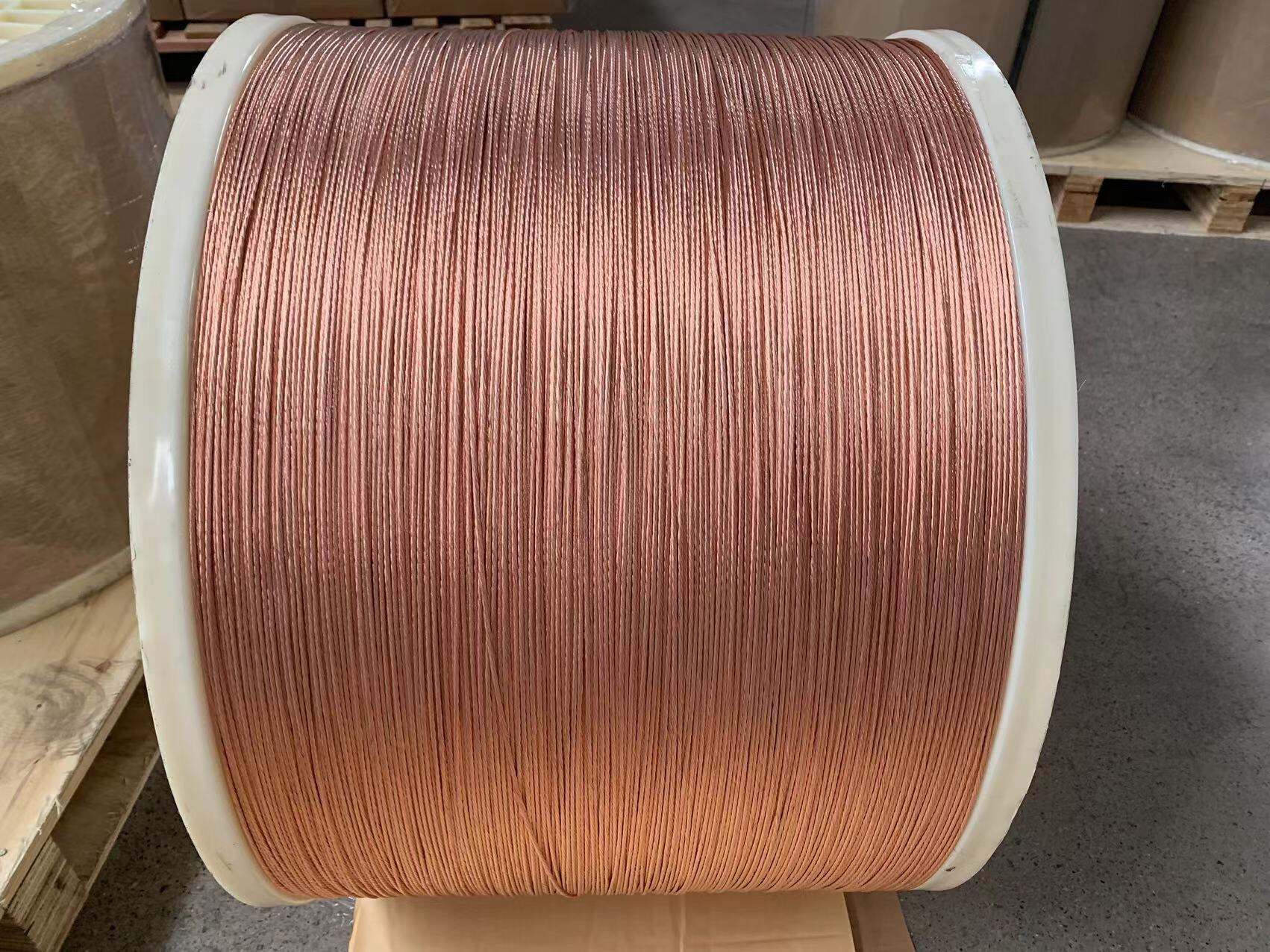
The electrical industry continues to evolve with innovative materials that offer superior performance while maintaining cost-effectiveness. Among these advancements, copper clad aluminum magnesium alloy wire has emerged as a revolutionary solution that combines the excellent conductivity of copper with the lightweight properties of aluminum and the enhanced mechanical strength of magnesium. This advanced conductor technology addresses the growing demand for efficient, durable, and economically viable electrical solutions across various applications.
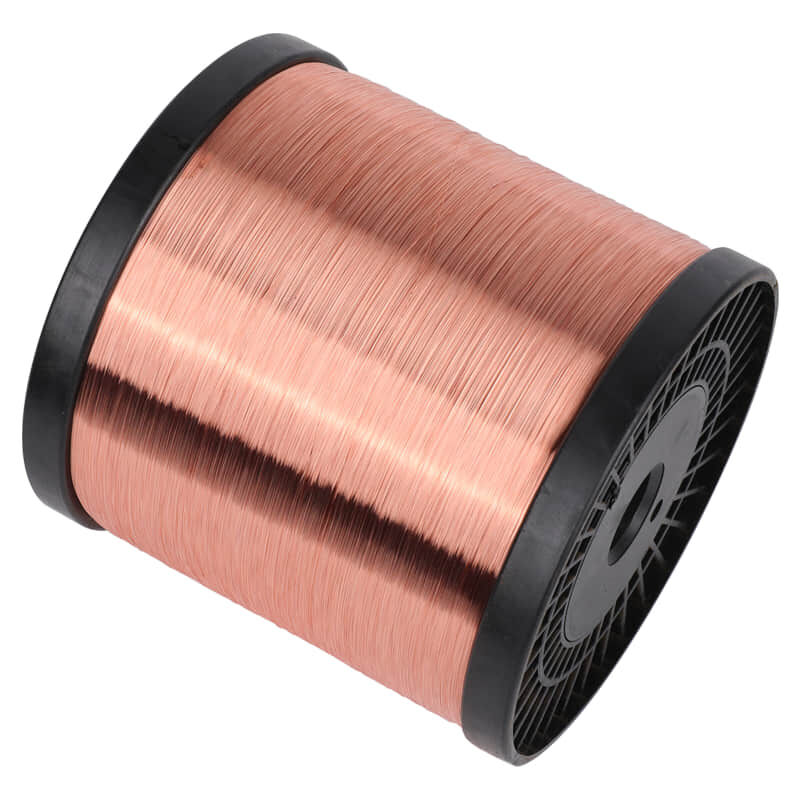
Modern electrical infrastructure requires conductors that can deliver reliable performance under demanding conditions while offering economic advantages. The development of copper clad aluminum magnesium alloy wire represents a significant breakthrough in conductor technology, providing engineers and contractors with a material that meets stringent electrical and mechanical requirements. This innovative wire combines multiple metallic elements to create a conductor with enhanced properties that surpass traditional alternatives in many applications.
Understanding Copper Clad Aluminum Magnesium Alloy Wire Technology
Composition and Manufacturing Process
The manufacturing of copper clad aluminum magnesium alloy wire involves a sophisticated process that creates a metallurgical bond between different metals. The aluminum-magnesium core provides the primary structural foundation, offering excellent weight-to-strength ratio characteristics. The copper cladding is applied through advanced bonding techniques that ensure seamless integration between the metals. This process creates a conductor where each metal contributes its optimal properties to the overall performance.
During production, precise control of temperature, pressure, and bonding parameters ensures consistent quality throughout the wire length. The copper clad aluminum magnesium alloy wire manufacturing process incorporates multiple quality checkpoints to verify conductivity, adhesion strength, and dimensional accuracy. Advanced metallurgical techniques ensure that the interface between the copper and aluminum-magnesium core remains stable under various operating conditions, preventing delamination or performance degradation over time.
Unique Material Properties
The distinctive characteristics of copper clad aluminum magnesium alloy wire stem from the synergistic combination of its constituent materials. The copper outer layer provides excellent electrical conductivity and corrosion resistance, while the aluminum-magnesium core contributes lightweight properties and enhanced mechanical strength. This combination results in a conductor that offers superior performance compared to conventional aluminum or copper-clad aluminum alternatives.
The magnesium content in the aluminum alloy core significantly improves the mechanical properties of the conductor. This enhancement includes increased tensile strength, improved flexibility, and better resistance to mechanical stress during installation and operation. The copper clad aluminum magnesium alloy wire demonstrates exceptional performance in applications requiring both electrical excellence and mechanical durability, making it suitable for demanding industrial and commercial installations.
Performance Advantages and Technical Benefits
Enhanced Electrical Characteristics
The electrical performance of copper clad aluminum magnesium alloy wire surpasses many traditional conductor materials through its optimized design. The copper outer layer ensures excellent conductivity at the surface where most electrical current flows according to the skin effect principle. This design maximizes current-carrying capacity while minimizing resistance losses, resulting in improved energy efficiency and reduced power consumption in electrical systems.
Temperature coefficient characteristics of copper clad aluminum magnesium alloy wire demonstrate superior stability across varying operating conditions. The conductor maintains consistent electrical properties even under temperature fluctuations, ensuring reliable performance in diverse environmental conditions. This stability translates to predictable electrical behavior and enhanced system reliability in critical applications.
Superior Mechanical Properties
The mechanical advantages of copper clad aluminum magnesium alloy wire become evident in installation and long-term operational scenarios. The magnesium-enhanced aluminum core provides exceptional tensile strength while maintaining the lightweight characteristics essential for overhead applications. This combination reduces installation complexity and infrastructure requirements while ensuring long-term mechanical reliability.
Flexibility and bend radius characteristics of copper clad aluminum magnesium alloy wire exceed those of conventional alternatives. The optimized alloy composition allows for easier installation in confined spaces and complex routing requirements without compromising conductor integrity. These mechanical properties translate to reduced installation time, lower labor costs, and improved overall project economics for electrical contractors and system designers.
Applications and Industry Use Cases
Power Transmission and Distribution
In power transmission applications, copper clad aluminum magnesium alloy wire provides an optimal balance of performance and cost-effectiveness. Utility companies increasingly adopt this technology for overhead transmission lines where weight reduction and corrosion resistance are critical factors. The conductor's superior strength-to-weight ratio enables longer spans between support structures, reducing infrastructure costs and environmental impact.
Distribution networks benefit significantly from the enhanced properties of copper clad aluminum magnesium alloy wire. The conductor's excellent electrical characteristics ensure efficient power delivery while the improved mechanical properties provide reliable service under varying weather conditions. These advantages contribute to reduced maintenance requirements and improved system reliability, essential factors in modern electrical distribution infrastructure.
Industrial and Commercial Applications
Manufacturing facilities and commercial buildings utilize copper clad aluminum magnesium alloy wire for various electrical installations. The conductor's combination of electrical performance and mechanical durability makes it ideal for motor feeders, industrial control circuits, and power distribution systems. The weight reduction compared to solid copper conductors simplifies installation in high-rise buildings and complex industrial environments.
Data centers and telecommunications facilities increasingly specify copper clad aluminum magnesium alloy wire for power distribution applications. The conductor's stable electrical characteristics and excellent EMI shielding properties ensure reliable operation of sensitive electronic equipment. These facilities benefit from the reduced weight and improved installation flexibility while maintaining the electrical performance required for critical operations.
Economic and Environmental Benefits
Cost-Effectiveness Analysis
The economic advantages of copper clad aluminum magnesium alloy wire extend beyond initial material costs to encompass total project economics. While maintaining comparable electrical performance to solid copper, this advanced conductor typically offers significant cost savings that impact overall project budgets. The material cost reduction, combined with installation efficiencies, creates compelling economic advantages for various electrical projects.
Long-term operational costs also favor copper clad aluminum magnesium alloy wire installations. The conductor's excellent corrosion resistance and mechanical stability result in reduced maintenance requirements and extended service life. These factors contribute to lower total cost of ownership over the conductor's operational lifetime, making it an attractive choice for budget-conscious projects without compromising performance standards.
Environmental Impact and Sustainability
Environmental considerations increasingly influence conductor selection decisions, and copper clad aluminum magnesium alloy wire offers several sustainability advantages. The reduced copper content compared to solid copper conductors helps conserve this valuable natural resource while maintaining excellent electrical performance. This resource efficiency aligns with sustainable construction practices and environmental stewardship objectives.
The lightweight properties of copper clad aluminum magnesium alloy wire contribute to reduced transportation energy requirements and lower carbon footprint during project execution. Installation efficiency improvements also translate to reduced energy consumption during construction activities. These environmental benefits support green building initiatives and sustainability goals while delivering superior technical performance.
Installation and Design Considerations
Proper Installation Techniques
Successful installation of copper clad aluminum magnesium alloy wire requires understanding of its unique characteristics and proper handling techniques. Installation crews must be trained in appropriate termination methods and connection procedures to ensure optimal performance. The conductor's enhanced flexibility allows for easier routing through conduits and cable trays, but proper bend radius guidelines must be followed to prevent damage.
Termination procedures for copper clad aluminum magnesium alloy wire follow established industry practices with specific considerations for the bi-metallic construction. Proper cleaning and preparation of conductor ends ensure reliable electrical connections, while appropriate connector selection prevents galvanic corrosion issues. These installation considerations are essential for achieving the full performance potential of the conductor system.
Design Guidelines and Best Practices
Electrical designers must consider the unique properties of copper clad aluminum magnesium alloy wire when developing system specifications. Ampacity calculations should account for the conductor's specific thermal and electrical characteristics to ensure proper sizing and safety margins. The conductor's excellent current-carrying capacity often allows for size reductions compared to other aluminum-based alternatives.
System compatibility considerations include ensuring proper grounding practices and selecting appropriate overcurrent protection devices. The copper clad aluminum magnesium alloy wire integrates seamlessly with standard electrical components and protection systems when properly specified. Design engineers benefit from comprehensive technical documentation and application guidelines provided by manufacturers to optimize system performance.
Quality Standards and Compliance
Industry Standards and Certifications
Manufacturing of copper clad aluminum magnesium alloy wire adheres to stringent industry standards that ensure consistent quality and performance. International standards organizations have developed comprehensive testing protocols and performance criteria specifically for copper-clad conductors. These standards address electrical, mechanical, and environmental performance requirements essential for reliable operation in diverse applications.
Third-party certification and testing verification provide additional assurance of product quality and compliance. Independent testing laboratories evaluate copper clad aluminum magnesium alloy wire samples to verify conformance with applicable standards and specifications. This certification process ensures that the conductor meets or exceeds performance requirements for its intended applications, providing confidence to specifiers and end users.
Quality Control and Testing Procedures
Comprehensive quality control measures throughout the manufacturing process ensure consistent performance of copper clad aluminum magnesium alloy wire. Statistical process control techniques monitor critical parameters including conductivity, bonding strength, and dimensional accuracy. These quality systems prevent defective products from reaching the market while maintaining high production efficiency.
Ongoing testing programs verify long-term performance characteristics and identify potential improvements in manufacturing processes. Accelerated aging tests, environmental exposure studies, and mechanical stress evaluations provide valuable data for product development and application optimization. This commitment to quality ensures that copper clad aluminum magnesium alloy wire continues to meet evolving industry requirements and user expectations.
FAQ
What are the main advantages of copper clad aluminum magnesium alloy wire over traditional conductors?
The primary advantages include superior electrical conductivity from the copper cladding, reduced weight from the aluminum core, enhanced mechanical strength from magnesium addition, and excellent corrosion resistance. These properties combine to offer better performance than conventional aluminum wire while providing cost savings compared to solid copper conductors. The result is an optimal balance of electrical, mechanical, and economic benefits for various applications.
How does the installation process differ from conventional aluminum or copper wire?
Installation procedures are largely similar to conventional conductors, but copper clad aluminum magnesium alloy wire offers improved flexibility and handling characteristics. Proper termination techniques must be followed to ensure reliable connections, and appropriate connectors should be selected to prevent galvanic corrosion. The enhanced flexibility often makes installation easier in tight spaces, potentially reducing installation time and labor costs.
What applications are best suited for copper clad aluminum magnesium alloy wire?
This conductor excels in power transmission and distribution applications, industrial motor feeders, commercial building wiring, and telecommunications power systems. It is particularly well-suited for applications where weight reduction is important, such as overhead lines and high-rise building installations. The conductor also performs excellently in environments requiring corrosion resistance and long-term reliability.
Are there any special considerations for connecting copper clad aluminum magnesium alloy wire to other components?
Connections should use appropriate connectors designed for copper-clad conductors to prevent galvanic corrosion and ensure reliable electrical contact. Proper surface preparation and cleaning are essential for optimal connection performance. Standard electrical codes and manufacturer guidelines provide specific requirements for terminations and connections to ensure safe and reliable operation over the conductor's service life.
Table of Contents
- Understanding Copper Clad Aluminum Magnesium Alloy Wire Technology
- Performance Advantages and Technical Benefits
- Applications and Industry Use Cases
- Economic and Environmental Benefits
- Installation and Design Considerations
- Quality Standards and Compliance
-
FAQ
- What are the main advantages of copper clad aluminum magnesium alloy wire over traditional conductors?
- How does the installation process differ from conventional aluminum or copper wire?
- What applications are best suited for copper clad aluminum magnesium alloy wire?
- Are there any special considerations for connecting copper clad aluminum magnesium alloy wire to other components?