EN
EN



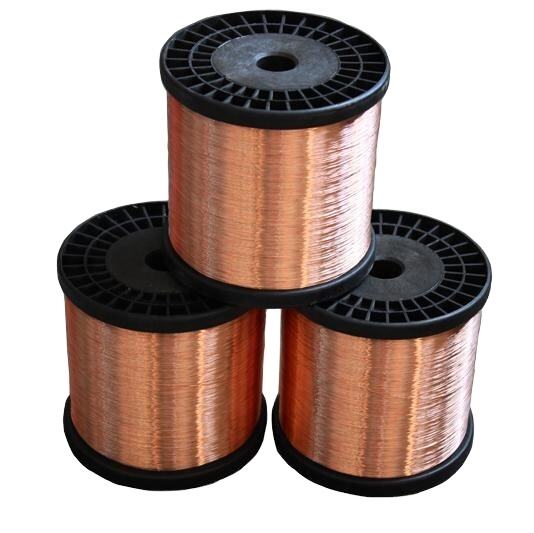
The electrical industry continuously seeks innovative materials that balance performance, cost-effectiveness, and reliability. Among emerging solutions, copper clad aluminum magnesium wire has gained significant attention for its unique properties that combine the best characteristics of multiple metals. This advanced conductor material represents a technological breakthrough that addresses many traditional challenges faced by electrical engineers and manufacturers worldwide.
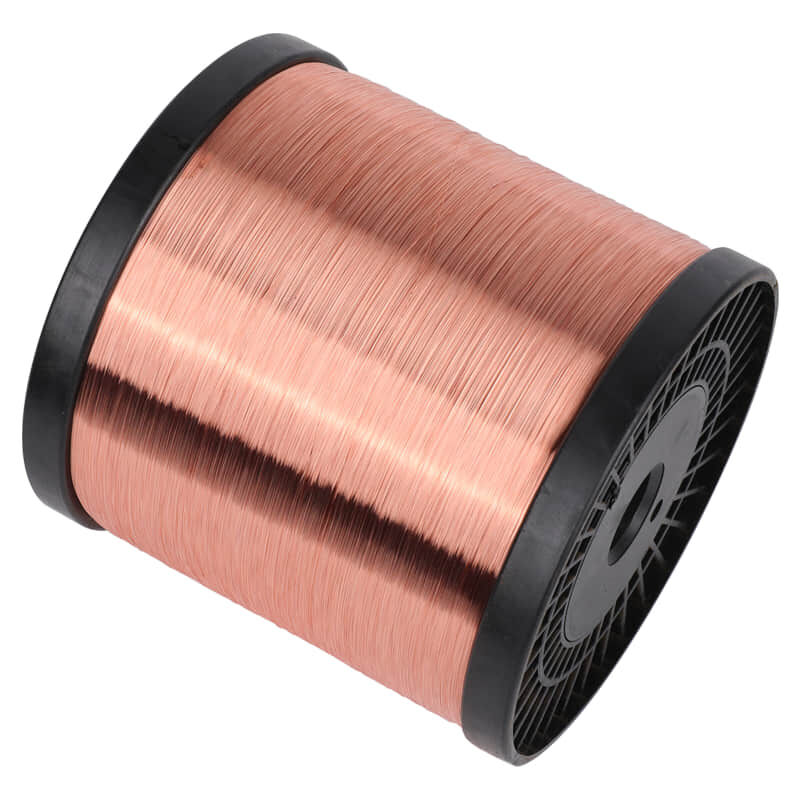
Understanding the flexibility characteristics of copper clad aluminum magnesium wire requires examining its multi-layered construction and material composition. This specialized conductor combines aluminum's lightweight properties with copper's superior conductivity while incorporating magnesium to enhance specific performance attributes. The resulting product offers exceptional flexibility that surpasses traditional aluminum conductors while maintaining cost advantages over pure copper alternatives.
Modern electrical applications demand conductors that can withstand repeated bending, vibration, and mechanical stress without compromising electrical performance. The flexibility of copper clad aluminum magnesium wire makes it particularly suitable for dynamic applications where conventional rigid conductors would fail prematurely. This enhanced flexibility stems from the carefully engineered material structure that allows for controlled deformation while maintaining electrical integrity.
Material Composition and Construction
Multi-Layer Design Benefits
The construction of copper clad aluminum magnesium wire involves sophisticated metallurgical processes that create a composite conductor with distinct performance advantages. The aluminum core provides the primary structural foundation while reducing overall weight significantly compared to solid copper conductors. The copper cladding ensures excellent electrical conductivity at the surface where current flow is most critical, particularly at higher frequencies where skin effect becomes prominent.
Magnesium incorporation enhances the mechanical properties of the base aluminum, improving tensile strength and fatigue resistance. This addition is crucial for applications requiring repeated flexing cycles, as it prevents crack initiation and propagation that typically occur in pure aluminum conductors. The magnesium content is carefully controlled to optimize flexibility without compromising other essential properties like conductivity or corrosion resistance.
Metallurgical Processing Techniques
Manufacturing copper clad aluminum magnesium wire involves advanced drawing and cladding processes that ensure uniform material distribution and optimal bonding between layers. The initial billet preparation combines aluminum and magnesium in precise proportions to achieve desired mechanical properties. Subsequent copper cladding operations create a metallurgical bond that maintains integrity under mechanical stress and thermal cycling.
Quality control during production ensures consistent flexibility characteristics throughout the entire wire length. Advanced testing methods monitor mechanical properties, electrical performance, and bond integrity at various stages of manufacturing. This comprehensive approach guarantees that each copper clad aluminum magnesium wire meets strict specifications for flexibility and durability in demanding applications.
Flexibility Performance Characteristics
Bend Radius Capabilities
The minimum bend radius of copper clad aluminum magnesium wire typically exceeds industry standards for similar gauge conductors, allowing for more compact installations and routing through confined spaces. Laboratory testing demonstrates that this material can withstand bend radii as small as four times the conductor diameter without experiencing performance degradation or structural damage. This exceptional flexibility enables installation in applications where space constraints would otherwise require smaller gauge conductors or more complex routing.
Repeated bending cycles testing shows that copper clad aluminum magnesium wire maintains its electrical and mechanical properties significantly longer than conventional aluminum conductors. The enhanced flexibility translates to reduced installation costs and improved reliability in mobile applications such as robotics, automated machinery, and portable equipment where conductors experience continuous movement.
Fatigue Resistance Properties
Fatigue resistance represents a critical performance parameter for conductors subjected to repetitive mechanical stress. Copper clad aluminum magnesium wire demonstrates superior fatigue life compared to standard aluminum conductors, with test results showing extended operational life under cyclic loading conditions. The magnesium addition creates a more uniform grain structure that resists crack propagation and maintains flexibility throughout the conductor's service life.
Environmental factors such as temperature fluctuations and humidity exposure have minimal impact on the flexibility characteristics of copper clad aluminum magnesium wire. The stable metallurgical structure maintains consistent mechanical properties across wide temperature ranges, ensuring reliable performance in both indoor and outdoor applications. This stability makes the material particularly suitable for aerospace, automotive, and renewable energy applications where environmental conditions vary significantly.
Application-Specific Flexibility Advantages
Automotive Industry Applications
The automotive industry has embraced copper clad aluminum magnesium wire for various applications where flexibility and weight reduction are paramount. Engine harnesses, door wiring systems, and electronic control modules benefit from the enhanced flexibility that allows for easier installation and improved durability under vehicle operation conditions. The material's ability to withstand vibration and thermal cycling makes it ideal for automotive environments where traditional conductors might fail prematurely.
Electric vehicle applications particularly benefit from copper clad aluminum magnesium wire flexibility characteristics. Battery management systems, charging infrastructure, and motor control circuits require conductors that can accommodate thermal expansion while maintaining electrical integrity. The flexible nature of this conductor material enables more compact packaging and improved reliability in high-performance electric vehicle applications.
Aerospace and Defense Systems
Aerospace applications demand conductors that combine lightweight properties with exceptional reliability and flexibility. Copper clad aluminum magnesium wire meets these stringent requirements while providing significant weight savings compared to traditional copper conductors. Aircraft wiring harnesses, satellite systems, and avionics applications benefit from the enhanced flexibility that simplifies installation and reduces mechanical stress on connector interfaces.
Military and defense applications require conductors that maintain performance under extreme conditions including shock, vibration, and temperature extremes. The superior flexibility of copper clad aluminum magnesium wire enables deployment in portable communication systems, field equipment, and mobile radar installations where conductor durability is critical for mission success.
Comparative Analysis with Alternative Materials
Performance Against Standard Aluminum
When compared to standard aluminum conductors, copper clad aluminum magnesium wire demonstrates markedly superior flexibility characteristics across all measured parameters. Standard aluminum conductors typically exhibit brittle behavior under repeated bending, leading to crack formation and eventual failure. The magnesium enhancement in copper clad aluminum magnesium wire significantly improves ductility and fatigue resistance, extending service life in dynamic applications.
Electrical performance comparisons show that copper clad aluminum magnesium wire maintains consistent conductivity even after extensive flexing cycles, while standard aluminum conductors may experience increased resistance due to work hardening and micro-crack formation. This performance advantage translates to more reliable long-term operation in applications requiring frequent conductor movement or vibration exposure.
Comparison with Copper Alternatives
Pure copper conductors offer excellent flexibility but at significantly higher material costs and weight penalties. Copper clad aluminum magnesium wire provides comparable flexibility performance while achieving substantial cost savings and weight reduction. The copper cladding ensures surface conductivity characteristics similar to solid copper while the aluminum-magnesium core provides structural benefits that may actually exceed pure copper in certain applications.
Copper-clad steel alternatives lack the flexibility advantages of copper clad aluminum magnesium wire due to the inherent stiffness of the steel core. While copper-clad steel offers high tensile strength, it cannot match the bending capability and fatigue resistance provided by the aluminum-magnesium core structure. This makes copper clad aluminum magnesium wire the preferred choice for applications where both electrical performance and mechanical flexibility are equally important.
Installation and Handling Considerations
Best Practices for Flexible Applications
Proper installation techniques maximize the flexibility advantages of copper clad aluminum magnesium wire while ensuring long-term reliability. Installation procedures should account for the material's enhanced bending capability by utilizing appropriate bend radii and avoiding sharp edges that could damage the conductor surface. Support spacing can be optimized to take advantage of the material's flexibility while preventing excessive sagging or mechanical stress.
Termination methods must accommodate the multi-layer construction of copper clad aluminum magnesium wire to ensure reliable electrical connections. Specialized connectors and termination hardware may be required to properly interface with the copper cladding while maintaining mechanical integrity of the aluminum-magnesium core. Training installation personnel on proper handling techniques ensures optimal performance and prevents damage during installation.
Long-term Maintenance Requirements
The flexibility characteristics of copper clad aluminum magnesium wire contribute to reduced maintenance requirements compared to less flexible alternatives. The material's resistance to fatigue and work hardening minimizes the risk of conductor failure in dynamic applications, reducing inspection frequency and replacement costs. Regular visual inspections can identify potential issues before they impact system performance.
Environmental protection measures should consider the specific properties of copper clad aluminum magnesium wire to maximize service life. While the material demonstrates excellent corrosion resistance, proper protective measures in harsh environments ensure optimal flexibility retention throughout the operational lifetime. Appropriate cable management systems that support the conductor without restricting movement help maintain flexibility characteristics over extended service periods.
FAQ
What makes copper clad aluminum magnesium wire more flexible than standard aluminum conductors
The enhanced flexibility of copper clad aluminum magnesium wire results from the magnesium addition to the aluminum core, which improves the material's ductility and fatigue resistance. The magnesium creates a more uniform grain structure that allows for greater deformation without crack formation, while the copper cladding provides a protective surface that maintains electrical integrity during bending cycles.
Can copper clad aluminum magnesium wire maintain electrical performance after repeated bending
Yes, copper clad aluminum magnesium wire is specifically designed to maintain consistent electrical performance through numerous bending cycles. The metallurgical bond between the copper cladding and aluminum-magnesium core remains intact under mechanical stress, ensuring stable conductivity characteristics throughout the conductor's operational life in dynamic applications.
How does the flexibility of copper clad aluminum magnesium wire compare to pure copper conductors
Copper clad aluminum magnesium wire offers flexibility performance comparable to pure copper conductors while providing significant advantages in weight reduction and cost savings. In many applications, the aluminum-magnesium core actually provides superior fatigue resistance compared to copper, making it more suitable for high-cycle dynamic applications where repeated flexing is required.
What are the minimum bend radius specifications for copper clad aluminum magnesium wire
The minimum bend radius for copper clad aluminum magnesium wire typically ranges from four to six times the conductor diameter, depending on the specific alloy composition and manufacturing process. This represents a significant improvement over standard aluminum conductors and approaches the flexibility characteristics of premium copper alternatives while maintaining cost and weight advantages.
Table of Contents
- Material Composition and Construction
- Flexibility Performance Characteristics
- Application-Specific Flexibility Advantages
- Comparative Analysis with Alternative Materials
- Installation and Handling Considerations
-
FAQ
- What makes copper clad aluminum magnesium wire more flexible than standard aluminum conductors
- Can copper clad aluminum magnesium wire maintain electrical performance after repeated bending
- How does the flexibility of copper clad aluminum magnesium wire compare to pure copper conductors
- What are the minimum bend radius specifications for copper clad aluminum magnesium wire