EN
EN



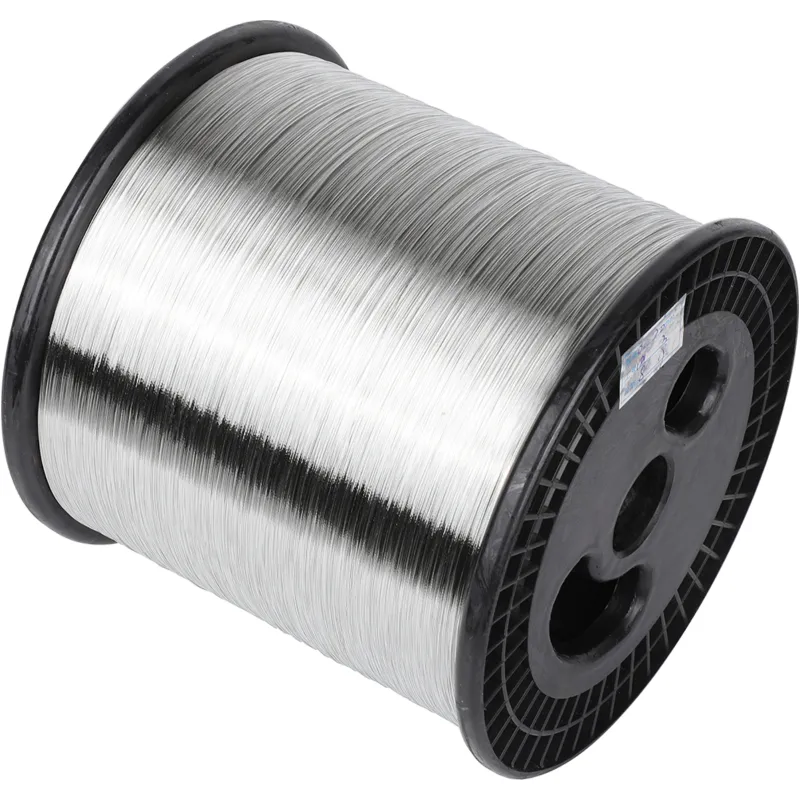
In the world of electrical engineering and telecommunications, choosing the right conductor material is crucial for optimal performance and cost-effectiveness. TCCA wire, which stands for Tin-plated Copper Clad Aluminum, has emerged as an innovative solution that combines the best properties of multiple materials to deliver superior electrical performance. This advanced conductor technology offers significant advantages over traditional copper and aluminum wires, making it an increasingly popular choice across various industrial applications. Understanding the benefits of TCCA wire can help engineers and procurement professionals make informed decisions when selecting conductors for their projects.
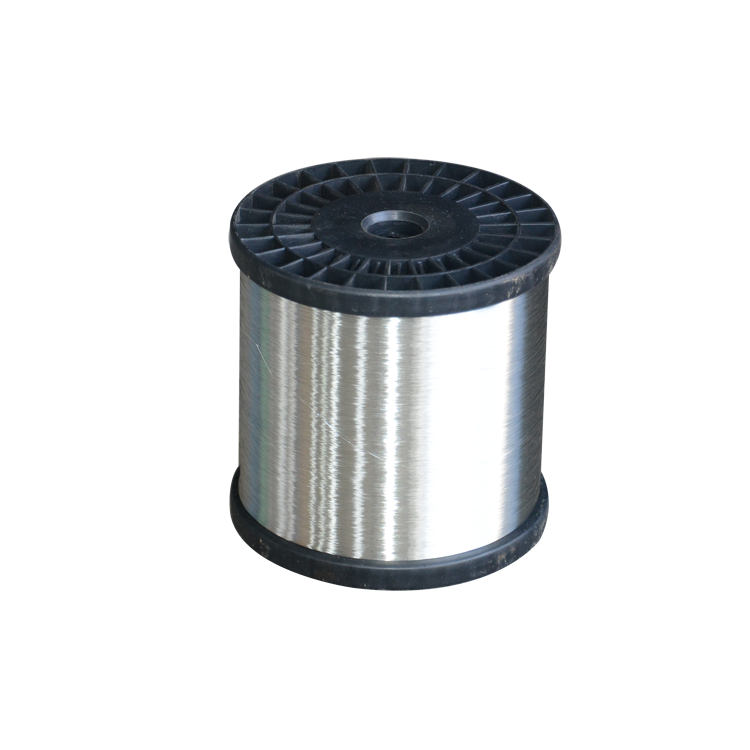
Understanding TCCA Wire Technology
Construction and Composition
TCCA wire represents a sophisticated three-layer construction that maximizes the benefits of each material component. The core consists of lightweight aluminum, which provides the primary structural foundation while maintaining excellent conductivity properties. Surrounding this aluminum core is a copper cladding layer that enhances electrical performance and provides superior current-carrying capabilities. The outermost layer features a tin plating that protects against corrosion and oxidation while ensuring reliable connections over extended periods. This multi-layer approach allows TCCA wire to deliver performance characteristics that often exceed those of single-material conductors.
The manufacturing process of TCCA wire involves precise bonding techniques that create a metallurgical bond between the aluminum core and copper cladding. This bonding ensures that the two materials work together seamlessly, eliminating concerns about delamination or separation that could compromise electrical integrity. The tin plating is applied using advanced electroplating processes that create a uniform, durable surface finish. The result is a conductor that combines the lightweight properties of aluminum with the superior electrical characteristics of copper, all while maintaining the corrosion resistance provided by the tin coating.
Material Science Benefits
The science behind TCCA wire lies in the strategic utilization of each material's unique properties to overcome individual limitations. Aluminum provides excellent strength-to-weight ratios and cost advantages, but traditionally suffers from higher resistance and oxidation issues. Copper offers superior conductivity and reliability but comes with higher costs and weight penalties. The tin plating addresses corrosion concerns while providing excellent solderability and connection reliability. By combining these materials in a carefully engineered structure, TCCA wire eliminates many of the drawbacks associated with single-material conductors.
The thermal properties of TCCA wire also contribute to its superior performance characteristics. The aluminum core provides efficient heat dissipation while the copper cladding ensures minimal electrical losses. This combination results in improved thermal management compared to traditional aluminum conductors, which is particularly important in high-current applications. The tin plating further enhances thermal performance by maintaining consistent surface conditions that prevent the formation of insulating oxide layers that could impede both electrical and thermal conductivity.
Economic Advantages of TCCA Wire
Cost-Effectiveness Analysis
One of the most compelling advantages of TCCA wire is its exceptional cost-effectiveness when compared to pure copper alternatives. The aluminum core significantly reduces material costs while the copper cladding ensures that electrical performance remains at premium levels. This cost advantage becomes particularly significant in large-scale installations where conductor costs represent a substantial portion of the total project budget. Studies have shown that TCCA wire can provide cost savings of 30-50% compared to equivalent copper conductors while maintaining comparable electrical performance characteristics.
The economic benefits extend beyond initial material costs to include reduced installation expenses. The lighter weight of TCCA wire compared to solid copper conductors reduces transportation costs and simplifies handling during installation. Smaller crews can manage larger conductor runs, and less robust support structures may be required for overhead applications. These installation savings, combined with the lower material costs, create a compelling total cost of ownership proposition that makes TCCA wire an attractive option for budget-conscious projects without compromising on performance or reliability.
Long-Term Value Proposition
The long-term economic advantages of TCCA wire become even more apparent when considering maintenance and replacement costs. The tin plating provides excellent corrosion resistance, which extends the service life of the conductor and reduces maintenance requirements. This is particularly valuable in harsh environmental conditions where traditional aluminum conductors might require frequent inspection and potential replacement. The superior connection reliability provided by the tin surface also reduces the likelihood of connection failures that could result in costly downtime and repair expenses.
Energy efficiency represents another significant long-term economic benefit of TCCA wire. The copper cladding ensures low electrical resistance, which translates to reduced power losses during transmission. Over the lifetime of an electrical system, these reduced losses can result in substantial energy cost savings. When combined with the lower initial costs and reduced maintenance requirements, the total economic impact of choosing TCCA wire over alternative conductors can be quite significant, particularly in applications where energy efficiency is a priority.
Superior Electrical Performance Characteristics
Conductivity and Current Capacity
The electrical performance of TCCA wire represents a significant advancement over traditional aluminum conductors while approaching the performance levels of pure copper. The copper cladding layer carries the majority of the electrical current due to the skin effect, where alternating current tends to flow primarily on the outer surface of conductors. This means that the electrical characteristics of TCCA wire are largely determined by the copper cladding rather than the aluminum core, resulting in conductivity levels that closely match those of solid copper conductors.
Current-carrying capacity is another area where TCCA wire excels, particularly in applications involving alternating current. The skin effect ensures that current density is highest in the copper cladding layer, maximizing the utilization of the conductor's most conductive material. This results in current-carrying capacities that often exceed those of equivalent-sized aluminum conductors while maintaining the weight and cost advantages associated with the aluminum core. The combination provides an optimal balance between electrical performance and practical considerations such as weight and installation requirements.
Signal Integrity and Frequency Response
In high-frequency applications, TCCA wire demonstrates superior signal integrity compared to traditional aluminum conductors. The copper cladding provides excellent high-frequency characteristics due to its superior conductivity at elevated frequencies. This makes TCCA wire particularly suitable for telecommunications applications, radio frequency systems, and other high-frequency electrical installations where signal quality is paramount. The consistent surface provided by the tin plating further enhances signal integrity by maintaining stable electrical characteristics over time.
The frequency response characteristics of TCCA wire remain stable across a wide range of operating conditions, which is crucial for maintaining consistent performance in variable environments. Unlike aluminum conductors that may experience performance degradation due to surface oxidation, the tin plating on TCCA wire maintains consistent surface conditions that preserve electrical characteristics throughout the conductor's service life. This stability is particularly important in critical applications where signal integrity cannot be compromised.
Installation and Handling Benefits
Weight Reduction Advantages
The weight advantages of TCCA wire create significant benefits throughout the installation process. Compared to solid copper conductors of equivalent electrical capacity, TCCA wire typically weighs 40-60% less due to the aluminum core. This weight reduction simplifies transportation logistics, reduces shipping costs, and makes installation significantly easier for field crews. Lighter conductors can be handled by smaller teams using less complex equipment, which reduces installation time and labor costs while improving safety conditions for installation personnel.
The reduced weight also has implications for structural requirements in both overhead and underground installations. Support structures for overhead lines can be designed with reduced load-bearing requirements when using TCCA wire, potentially resulting in cost savings for poles, towers, and mounting hardware. In underground applications, the lighter weight simplifies cable pulling operations and reduces the risk of damage during installation. These practical advantages make TCCA wire particularly attractive for retrofit projects where existing infrastructure may have weight limitations.
Termination and Connection Reliability
The tin plating on TCCA wire provides exceptional termination characteristics that ensure reliable electrical connections throughout the system's service life. Tin is highly compatible with standard connection methods including crimping, soldering, and mechanical compression fittings. The tin surface remains stable over time, preventing the formation of oxide layers that could compromise connection integrity. This reliability is particularly important in critical applications where connection failures could result in significant consequences.
Connection procedures for TCCA wire follow standard industry practices, which means that installation crews do not require specialized training or equipment. The familiar handling characteristics and proven connection methods reduce the likelihood of installation errors while maintaining compatibility with existing tools and procedures. This ease of installation contributes to faster project completion times and reduced risk of field problems that could impact project schedules or performance requirements.
Environmental and Sustainability Considerations
Resource Conservation Benefits
TCCA wire contributes to resource conservation efforts by maximizing the utilization of abundant aluminum while minimizing the consumption of copper, which is a more scarce and environmentally intensive resource to extract and process. The aluminum core represents approximately 80-90% of the conductor's volume while requiring significantly less energy to produce compared to copper. This efficient use of materials results in a lower overall environmental impact during the manufacturing process while still delivering the electrical performance characteristics required for demanding applications.
The recycling benefits of TCCA wire also contribute to its environmental advantages. Both aluminum and copper are highly recyclable materials, and the separation techniques for recovering these materials from TCCA wire are well-established. At the end of the conductor's service life, the materials can be efficiently recovered and reused, contributing to circular economy principles and reducing the demand for virgin materials. This recyclability, combined with the extended service life provided by the tin plating, creates a compelling sustainability profile for TCCA wire applications.
Energy Efficiency Impact
The energy efficiency characteristics of TCCA wire contribute to reduced environmental impact during operation. Lower electrical resistance translates to reduced transmission losses, which means less energy is wasted as heat during electrical transmission. This improved efficiency reduces the overall energy requirements of electrical systems and contributes to lower carbon emissions from power generation. In large-scale applications, these efficiency improvements can result in measurable reductions in environmental impact over the system's operational lifetime.
Manufacturing energy requirements for TCCA wire are also generally lower than those required for equivalent copper conductors. The energy-intensive copper production process represents a significant portion of the environmental impact associated with copper conductors. By utilizing an aluminum core with copper cladding, TCCA wire reduces the total amount of copper required while maintaining electrical performance, resulting in lower overall manufacturing energy requirements and associated environmental impacts.
Application-Specific Advantages
Telecommunications and Data Applications
In telecommunications applications, TCCA wire offers particular advantages for both indoor and outdoor installations. The copper cladding provides excellent high-frequency characteristics essential for data transmission, while the aluminum core reduces cable weight in large bundle installations. The tin plating ensures reliable connections in telecommunications equipment where connection integrity is crucial for maintaining service quality. These characteristics make TCCA wire particularly suitable for backbone telecommunications infrastructure where performance, reliability, and cost-effectiveness are all important considerations.
The consistent electrical characteristics of TCCA wire across varying environmental conditions make it ideal for outdoor telecommunications installations. Unlike aluminum conductors that may experience performance variations due to surface oxidation, the tin-plated surface maintains stable characteristics regardless of exposure to moisture, temperature variations, or other environmental factors. This stability is crucial for maintaining consistent signal quality in telecommunications networks where service interruptions or quality degradation can have significant operational and economic impacts.
Power Distribution Systems
For power distribution applications, TCCA wire provides an optimal balance between electrical performance and practical considerations. The current-carrying capacity approaches that of copper conductors while maintaining the weight and cost advantages of aluminum-based construction. This makes TCCA wire particularly suitable for medium-voltage distribution systems where conductor costs represent a significant portion of the total system investment. The reliability provided by the tin plating also reduces maintenance requirements in distribution systems where access for repairs may be challenging or expensive.
The thermal characteristics of TCCA wire contribute to improved performance in power distribution applications. Better heat dissipation compared to aluminum conductors allows for higher current densities while maintaining safe operating temperatures. This thermal advantage can enable the use of smaller conductor sizes for given current requirements, further contributing to cost and weight savings. The combination of electrical and thermal performance makes TCCA wire an attractive option for both new construction and system upgrade applications in power distribution networks.
FAQ
How does TCCA wire compare to pure copper in terms of electrical performance
TCCA wire provides electrical performance that closely matches pure copper conductors due to the skin effect, where current flows primarily through the outer copper cladding layer. In most alternating current applications, the performance difference is negligible while TCCA wire offers significant advantages in weight reduction and cost savings. The copper cladding ensures excellent conductivity and current-carrying capacity, making TCCA wire suitable for applications where copper performance is required but weight and cost are important considerations.
What are the long-term reliability considerations for TCCA wire installations
TCCA wire demonstrates excellent long-term reliability due to the protective tin plating that prevents corrosion and oxidation of the underlying materials. The metallurgical bond between the aluminum core and copper cladding ensures structural integrity throughout the conductor's service life. Proper installation techniques and appropriate connection methods result in reliable performance that often exceeds that of traditional aluminum conductors. Regular inspection protocols similar to those used for other conductor types ensure continued reliable operation over the system's design lifetime.
Are there any special installation requirements or considerations for TCCA wire
TCCA wire installation follows standard industry practices and does not require specialized tools or techniques beyond those used for conventional conductors. The tin plating provides excellent compatibility with standard connection methods including crimping, soldering, and mechanical compression. Installation crews should follow manufacturer recommendations for bending radius and pulling tensions to prevent damage to the conductor layers. The lighter weight of TCCA wire actually simplifies many installation procedures compared to equivalent copper conductors, reducing installation time and labor requirements.
What applications are best suited for TCCA wire versus other conductor types
TCCA wire is particularly well-suited for applications where the combination of electrical performance, weight reduction, and cost-effectiveness provides maximum benefit. These include telecommunications infrastructure, medium-voltage power distribution, building wiring systems, and industrial installations where conductor costs are significant. Applications requiring the highest possible conductivity or those operating in extreme environments may still favor pure copper, while basic applications with less demanding requirements might use standard aluminum conductors. The choice depends on balancing performance requirements with economic and practical considerations specific to each application.
Table of Contents
- Understanding TCCA Wire Technology
- Economic Advantages of TCCA Wire
- Superior Electrical Performance Characteristics
- Installation and Handling Benefits
- Environmental and Sustainability Considerations
- Application-Specific Advantages
-
FAQ
- How does TCCA wire compare to pure copper in terms of electrical performance
- What are the long-term reliability considerations for TCCA wire installations
- Are there any special installation requirements or considerations for TCCA wire
- What applications are best suited for TCCA wire versus other conductor types