EN
EN



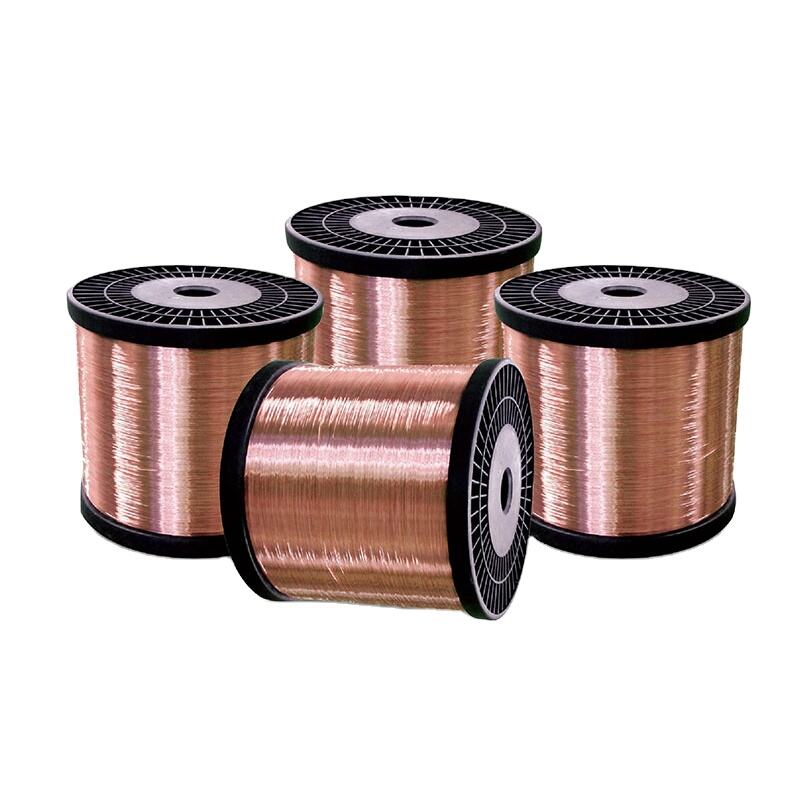
TCCA wire represents a revolutionary advancement in modern communication infrastructure, combining the conductivity benefits of copper with the lightweight properties of aluminum. This innovative wire technology has become increasingly essential in data and signal transmission applications across telecommunications, networking, and industrial sectors. As digital communication demands continue to escalate, understanding the role of TCCA wire in ensuring reliable signal transmission becomes crucial for engineers, technicians, and industry professionals. The unique construction and properties of TCCA wire make it an optimal choice for applications requiring efficient data transfer while maintaining cost-effectiveness and installation flexibility.
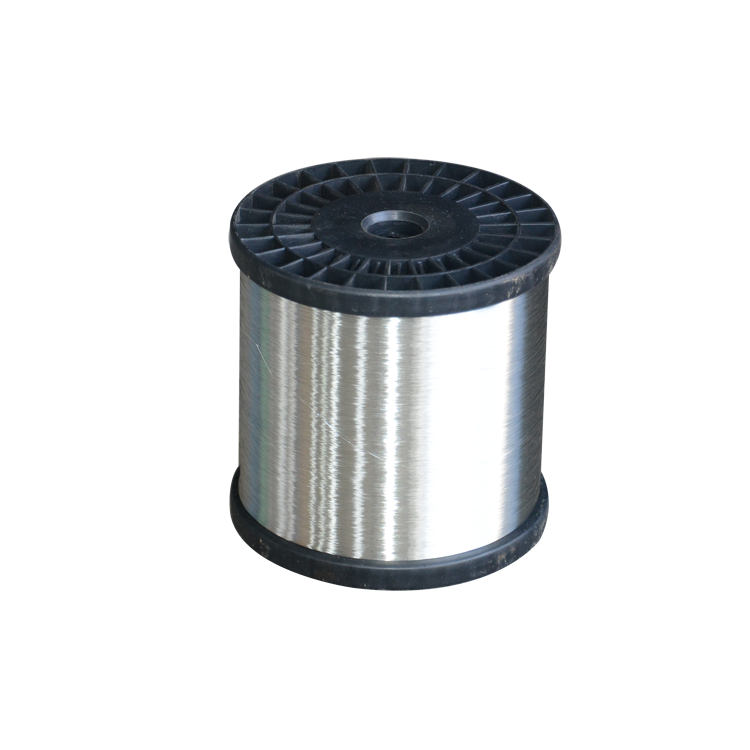
Understanding TCCA Wire Construction and Composition
Core Material Properties
The fundamental structure of TCCA wire consists of an aluminum core surrounded by a thin copper cladding layer, creating a hybrid conductor that leverages the best characteristics of both metals. This construction method involves bonding copper to aluminum through specialized metallurgical processes that ensure seamless electrical continuity and mechanical integrity. The copper cladding provides excellent surface conductivity for high-frequency signals, while the aluminum core contributes to reduced weight and enhanced flexibility. The thickness ratio between the copper layer and aluminum core is precisely engineered to optimize electrical performance while maintaining cost efficiency.
Manufacturing processes for TCCA wire involve sophisticated techniques such as cladding, drawing, and annealing to achieve the desired electrical and mechanical properties. The copper layer typically represents 10-40% of the total cross-sectional area, depending on the specific application requirements and performance specifications. Quality control measures ensure consistent bonding between the copper and aluminum layers, preventing delamination that could compromise signal integrity. Advanced testing protocols verify the electrical continuity, tensile strength, and corrosion resistance of each TCCA wire batch before distribution.
Electrical Characteristics and Performance
The electrical properties of TCCA wire make it particularly suitable for data transmission applications where signal fidelity and low attenuation are critical requirements. The copper cladding ensures excellent surface conductivity, which is essential for high-frequency signal transmission where skin effect phenomena concentrate current flow near the conductor surface. This design allows TCCA wire to maintain signal quality comparable to solid copper conductors while offering significant weight and cost advantages.
Impedance characteristics of TCCA wire can be precisely controlled through careful design of the conductor geometry and cladding thickness. This control enables manufacturers to produce cables with specific impedance values required for different transmission standards, such as 50-ohm coaxial cables or 100-ohm twisted pair configurations. The frequency response of TCCA wire exhibits excellent performance across a wide spectrum, making it suitable for both baseband and broadband applications in modern communication systems.
Applications in Data Transmission Systems
Telecommunications Infrastructure
Telecommunications networks extensively utilize TCCA wire in various infrastructure components, from central office connections to last-mile distribution systems. The wire's superior performance characteristics make it ideal for carrying voice, data, and video signals across long distances without significant degradation. Network operators appreciate the reduced installation costs associated with TCCA wire due to its lighter weight compared to solid copper alternatives. The flexibility of TCCA wire also simplifies routing through conduits and cable trays in complex telecommunications facilities.
Modern fiber-to-the-node and fiber-to-the-home deployments often incorporate TCCA wire for the final copper segments that connect to customer premises equipment. This application leverages the wire's ability to support high-speed digital subscriber line technologies while maintaining compatibility with existing infrastructure. The corrosion resistance provided by the copper cladding ensures long-term reliability in outdoor installations where environmental factors might otherwise degrade performance over time.
Network Infrastructure and Data Centers
Data center environments demand high-performance cabling solutions that can handle increasing bandwidth requirements while maintaining space and power efficiency. TCCA wire meets these demands by providing excellent electrical performance in compact cable designs that reduce the overall bulk of cable installations. The reduced weight of TCCA wire helps minimize loading on cable tray systems and simplifies cable management in high-density server environments. Network administrators benefit from the improved airflow characteristics achieved when using lighter-weight TCCA wire installations.
High-frequency applications in data centers, including gigabit Ethernet and beyond, rely on the superior skin effect performance of TCCA wire to maintain signal integrity over extended cable runs. The consistent impedance characteristics of TCCA wire help minimize reflections and crosstalk that can degrade network performance in high-speed digital systems. Power-over-Ethernet applications also benefit from the current-carrying capacity of TCCA wire while maintaining the voltage drop characteristics necessary for reliable power delivery to connected devices.
Signal Transmission Advantages
Frequency Response and Bandwidth
The frequency response characteristics of TCCA wire provide significant advantages in modern communication systems that require broad bandwidth capabilities. The copper cladding ensures minimal attenuation at high frequencies where skin effect dominates current distribution, allowing TCCA wire to support advanced modulation schemes and high-speed digital protocols. This performance characteristic enables network designers to implement longer cable runs without requiring intermediate amplification or signal conditioning equipment.
Broadband applications particularly benefit from the consistent electrical properties of TCCA wire across wide frequency ranges. Cable television systems, broadband internet services, and multimedia distribution networks rely on the wire's ability to maintain signal quality from low-frequency baseband signals to high-frequency carrier systems. The predictable attenuation characteristics of TCCA wire simplify system design calculations and enable accurate link budget planning for complex distribution networks.
Noise Immunity and Signal Integrity
Signal integrity preservation is a critical requirement in data transmission systems, and TCCA wire excels in maintaining clean signal transmission even in electrically noisy environments. The copper cladding provides effective shielding against electromagnetic interference when properly incorporated into shielded cable designs. The consistent conductor geometry of TCCA wire helps maintain controlled impedance characteristics that are essential for high-speed digital signal transmission without distortion or reflection-induced errors.
Crosstalk performance in multi-conductor TCCA wire cables meets or exceeds industry standards for category-rated communications cables. The precise control of conductor spacing and twist rates in TCCA wire constructions helps minimize near-end and far-end crosstalk that can interfere with adjacent signal pairs. This performance characteristic is particularly important in high-density cable installations where multiple signal paths must coexist without mutual interference.
Economic and Installation Benefits
Cost-Effectiveness and Material Efficiency
The economic advantages of TCCA wire stem from the optimal utilization of copper resources while maintaining performance standards required for professional data transmission applications. By using aluminum as the core material and copper only as a surface coating, manufacturers can significantly reduce raw material costs compared to solid copper conductors. This cost reduction translates directly to project savings for large-scale installations such as campus networks, industrial facilities, and residential developments.
Material efficiency extends beyond initial cost savings to include reduced shipping and handling expenses due to the lighter weight of TCCA wire products. Installation contractors benefit from reduced labor costs associated with pulling lighter cables through conduits and cable pathways. The improved handling characteristics of TCCA wire also reduce the risk of installation damage that can occur with heavier solid copper cables during complex routing procedures.
Installation Flexibility and Mechanical Properties
The mechanical properties of TCCA wire provide significant advantages during installation in challenging environments where cable routing requires tight bends or complex pathways. The aluminum core contributes to enhanced flexibility while the copper cladding maintains the necessary electrical continuity even under mechanical stress. This combination allows installers to route TCCA wire through smaller conduits and around obstacles that might be problematic for solid copper conductors.
Tensile strength characteristics of TCCA wire are carefully engineered to meet installation pulling requirements while maintaining electrical integrity throughout the installation process. The wire's resistance to stretching and deformation ensures that electrical properties remain stable even after installation in demanding environments. Temperature cycling performance of TCCA wire also provides long-term reliability in applications where ambient conditions vary significantly over time.
Technical Standards and Compliance
Industry Specifications and Testing
TCCA wire products must meet rigorous industry standards that govern electrical performance, mechanical properties, and safety characteristics for data transmission applications. International standards organizations such as the International Electrotechnical Commission and national standards bodies establish testing protocols that verify the suitability of TCCA wire for specific applications. These standards ensure interoperability and performance consistency across different manufacturers and installation environments.
Testing procedures for TCCA wire include comprehensive electrical measurements such as DC resistance, impedance characteristics, attenuation versus frequency, and crosstalk performance. Mechanical testing verifies tensile strength, bend radius limitations, and long-term stability under various environmental conditions. Environmental testing protocols evaluate the performance of TCCA wire under temperature extremes, humidity variations, and chemical exposure conditions that might be encountered in real-world installations.
Quality Assurance and Performance Validation
Quality assurance programs for TCCA wire manufacturing involve continuous monitoring of production processes to ensure consistent electrical and mechanical properties in finished products. Statistical process control methods track key parameters such as copper cladding thickness, conductor diameter, and electrical resistance to maintain product specifications within acceptable tolerances. Batch testing protocols verify that each production lot meets or exceeds specified performance criteria before shipment to customers.
Performance validation testing includes accelerated aging studies that simulate years of service life under controlled laboratory conditions. These studies help predict long-term reliability and identify potential failure modes that might affect signal transmission quality over extended periods. Comparative testing against solid copper conductors demonstrates the equivalency of TCCA wire performance in critical applications where signal integrity cannot be compromised.
Environmental Considerations and Sustainability
Resource Conservation and Recycling
The environmental benefits of TCCA wire extend to reduced consumption of copper resources, which are increasingly valuable and energy-intensive to extract and refine. By utilizing aluminum as the primary conductor material with only a thin copper cladding, TCCA wire significantly reduces the total copper content compared to solid copper alternatives. This resource conservation contributes to more sustainable manufacturing practices and helps preserve copper resources for applications where alternatives are not technically feasible.
Recycling processes for TCCA wire are designed to recover both the copper and aluminum components for reuse in new products. Specialized separation techniques allow recyclers to extract maximum value from end-of-life TCCA wire installations while minimizing waste disposal requirements. The recycling efficiency of TCCA wire contributes to circular economy principles in the telecommunications and electrical industries where material recovery is becoming increasingly important for environmental compliance.
Energy Efficiency and Carbon Footprint
Manufacturing processes for TCCA wire typically require less energy than producing equivalent lengths of solid copper conductor due to the reduced copper content and specialized production techniques. The energy savings achieved during manufacturing contribute to a lower overall carbon footprint for TCCA wire products throughout their lifecycle. Transportation energy requirements are also reduced due to the lighter weight of TCCA wire compared to copper alternatives, further improving the environmental profile.
Installation energy costs are minimized when using TCCA wire due to reduced labor requirements and simplified handling procedures. The longer service life achievable with properly installed TCCA wire systems reduces the frequency of replacement activities and associated environmental impacts. These cumulative environmental benefits make TCCA wire an attractive choice for organizations implementing sustainable infrastructure development policies and green building certification programs.
FAQ
What makes TCCA wire suitable for high-frequency data transmission
TCCA wire excels in high-frequency applications due to its copper cladding design that takes advantage of the skin effect phenomenon. At high frequencies, electrical current concentrates near the conductor surface, making the copper cladding the primary current path while the aluminum core provides structural support and weight reduction. This design ensures excellent signal integrity and low attenuation across wide frequency ranges, making it ideal for broadband and high-speed digital communications.
How does TCCA wire compare to solid copper in terms of electrical performance
TCCA wire provides electrical performance that closely matches solid copper conductors for most data transmission applications. The copper cladding ensures equivalent surface conductivity and impedance characteristics while offering significant advantages in weight reduction and cost savings. For applications where DC resistance is critical, TCCA wire may show slightly higher resistance values, but for AC and high-frequency applications, the performance difference is typically negligible.
Can TCCA wire be used in Power over Ethernet applications
Yes, TCCA wire can be successfully used in Power over Ethernet applications when properly designed and manufactured to meet the current-carrying requirements. The aluminum core provides adequate current capacity for most PoE applications while the copper cladding ensures reliable electrical connections. However, careful consideration of voltage drop calculations and thermal management may be necessary for high-power PoE+ and PoE++ implementations to ensure optimal performance and safety compliance.
What are the key installation considerations for TCCA wire
Installation of TCCA wire requires attention to bend radius limitations and pulling tension specifications to prevent damage to the copper-aluminum bond. The wire should be handled with appropriate care during installation to maintain electrical integrity, although it is generally more flexible than solid copper alternatives. Proper termination techniques using compatible connectors and termination hardware ensure reliable long-term connections that maintain the electrical performance advantages of TCCA wire in data transmission applications.