EN
EN



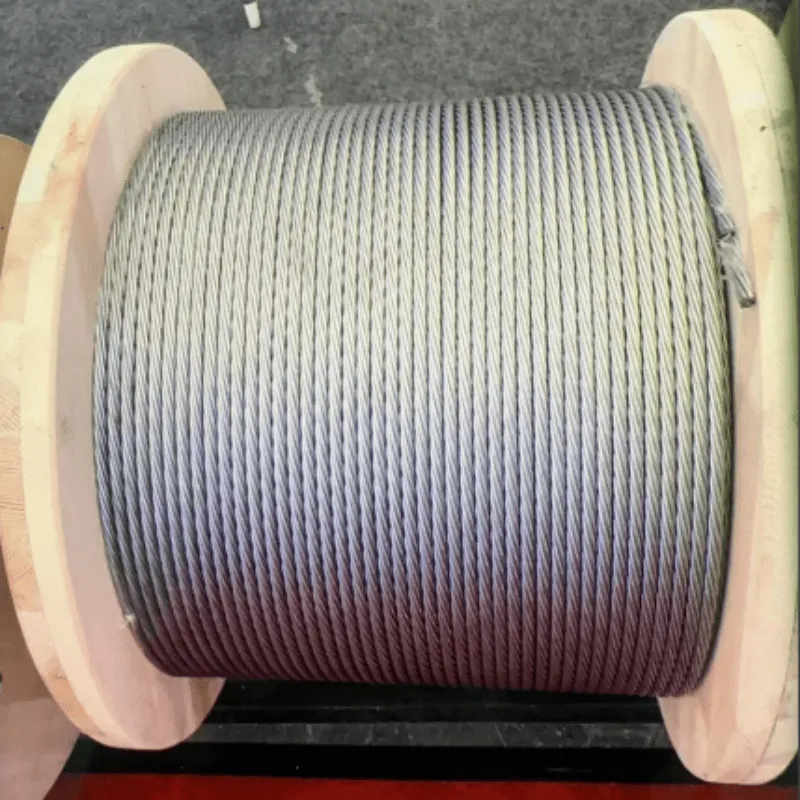
Modern electrical installations increasingly demand sophisticated routing solutions that can navigate confined spaces while maintaining optimal performance and safety standards. In today's compact electronic devices, industrial equipment, and architectural applications, engineers face the constant challenge of fitting complex wiring systems into ever-shrinking spaces. Stranded wire has emerged as the preferred solution for these demanding applications, offering unparalleled flexibility and reliability in tight space routing scenarios.
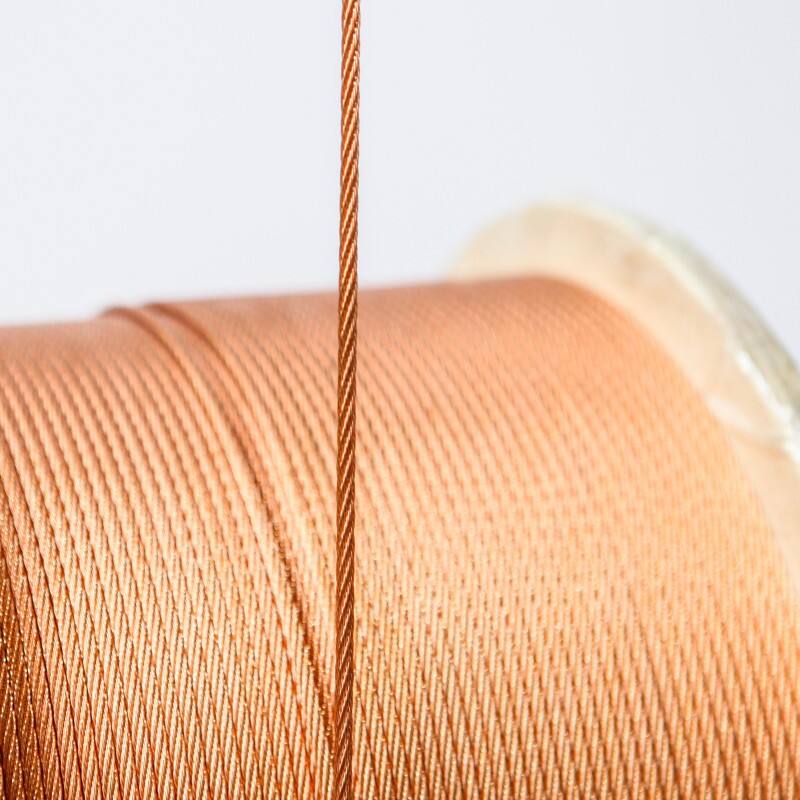
The construction industry has witnessed remarkable transformations in recent decades, with buildings becoming more intelligent and interconnected. This evolution has created unprecedented demands for electrical systems that can accommodate complex routing paths while maintaining structural integrity and performance reliability. Stranded wire technology addresses these challenges by providing enhanced flexibility and durability compared to traditional solid wire alternatives.
Understanding Stranded Wire Architecture for Space-Constrained Applications
Multi-Strand Construction Benefits
The fundamental advantage of stranded wire lies in its multi-strand construction, which consists of multiple thin copper conductors twisted together to form a single flexible cable. This design allows the wire to bend and flex without breaking individual conductors, making it ideal for installations where space limitations require frequent direction changes and tight radius bends. Each strand independently contributes to the overall current-carrying capacity while maintaining mechanical flexibility.
The manufacturing process of stranded wire involves precise engineering to ensure optimal strand count and gauge combinations. Different applications require specific strand configurations to achieve the desired balance between flexibility and current capacity. For tight space routing, manufacturers often employ higher strand counts with smaller individual wire gauges to maximize bendability while maintaining electrical performance standards.
Flexibility Characteristics in Confined Environments
When routing electrical systems through confined spaces, the flexibility of stranded wire becomes critically important for successful installations. The wire's ability to conform to irregular pathways, navigate around obstacles, and make sharp turns without compromising electrical integrity makes it indispensable for modern applications. This flexibility also reduces installation time and labor costs by eliminating the need for complex junction boxes and additional fittings.
The bend radius capabilities of stranded wire significantly exceed those of solid conductors, allowing installers to route cables through spaces that would otherwise be inaccessible. This characteristic proves particularly valuable in retrofit applications where existing structures limit routing options. The wire's resilience to repeated flexing also ensures long-term reliability in applications where thermal expansion and contraction cause movement.
Routing Applications in Space-Limited Environments
Industrial Equipment Integration
Industrial machinery and equipment often present complex routing challenges due to space constraints and operational requirements. Stranded wire solutions enable efficient power and signal distribution within confined equipment enclosures, providing reliable connections while accommodating mechanical movement and vibration. The wire's flexibility allows for neat cable management and reduces the risk of damage during equipment maintenance and operation.
Manufacturing environments frequently require electrical systems that can adapt to changing production line configurations and equipment modifications. Stranded wire installations provide the necessary flexibility to accommodate these changes without requiring complete rewiring. This adaptability reduces downtime and maintenance costs while ensuring continued operational efficiency across diverse industrial applications.
Residential and Commercial Building Systems
Modern building designs increasingly incorporate sophisticated electrical systems that must navigate complex architectural features and structural elements. Stranded wire enables efficient routing through wall cavities, ceiling spaces, and conduit systems while maintaining code compliance and safety standards. The wire's flexibility simplifies installation in buildings with irregular layouts and limited access points.
Smart building technologies require extensive wiring networks to support automation systems, security equipment, and communication infrastructure. Stranded wire facilitates the installation of these complex systems by allowing cables to follow building contours and navigate around structural obstacles. This capability ensures that advanced building technologies can be implemented even in existing structures with space limitations.
Installation Techniques for Optimal Performance
Professional Routing Methodologies
Successful stranded wire installation in tight spaces requires careful planning and adherence to proven routing methodologies. Professional installers employ specific techniques to maximize the wire's flexibility advantages while ensuring long-term reliability and code compliance. These methods include proper support spacing, bend radius management, and environmental protection measures that preserve wire integrity throughout the installation lifecycle.
The installation process begins with thorough route planning that identifies potential obstacles and determines optimal pathways for stranded wire routing. Installers must consider factors such as thermal expansion, mechanical stress, and accessibility for future maintenance when designing routing schemes. Proper documentation of installation routes ensures that future modifications and repairs can be completed efficiently without compromising system integrity.
Safety and Code Compliance Considerations
Electrical code requirements play a crucial role in stranded wire installation design and implementation. Installers must ensure that routing methods comply with local electrical codes while maximizing the space-saving advantages of stranded wire technology. This includes proper conductor sizing, insulation ratings, and protection methods that meet or exceed regulatory requirements for specific applications and environments.
Safety protocols during stranded wire installation require specialized knowledge of the wire's handling characteristics and installation limitations. Proper training ensures that installers can take full advantage of the wire's flexibility without exceeding its mechanical limits or compromising electrical performance. Regular inspection and testing procedures verify that installations meet safety standards and performance requirements throughout their operational lifespan.
Performance Advantages in Demanding Applications
Electrical Characteristics and Reliability
The electrical performance of stranded wire in tight space applications equals or exceeds that of traditional wiring methods while providing superior mechanical characteristics. The multi-strand construction distributes current load across multiple conductors, reducing the risk of hot spots and improving overall system reliability. This design also provides redundancy, as the failure of individual strands does not immediately compromise the entire conductor's performance.
Temperature cycling and thermal expansion effects are better managed with stranded wire installations due to the conductor's ability to accommodate movement without mechanical stress. This characteristic proves particularly valuable in applications where temperature variations are common or where equipment operation generates significant heat. The wire's flexibility prevents stress concentrations that could lead to conductor failure or insulation damage.
Long-Term Durability and Maintenance
Maintenance requirements for stranded wire installations are typically lower than those for rigid wiring systems, particularly in applications where frequent access or modification is necessary. The wire's flexibility allows for easier inspection and replacement without requiring extensive disassembly of surrounding equipment or structures. This accessibility reduces maintenance costs and minimizes operational disruptions during routine service activities.
The durability of stranded wire in challenging environments has been proven through decades of successful applications across diverse industries. Proper installation techniques and appropriate wire selection ensure that stranded wire systems provide reliable service throughout their expected lifespan while accommodating environmental challenges and operational stresses that would compromise less flexible alternatives.
Selecting Appropriate Stranded Wire Specifications
Conductor Sizing and Current Capacity
Proper stranded wire selection requires careful consideration of current capacity requirements, voltage ratings, and environmental conditions specific to each application. The multi-strand construction allows for optimized conductor sizing that balances current-carrying capacity with flexibility requirements. Engineers must evaluate load characteristics, duty cycles, and safety margins when specifying stranded wire for tight space routing applications.
Ampacity calculations for stranded wire installations must account for installation conditions, ambient temperatures, and bundling effects that may influence current capacity. These factors become particularly important in confined spaces where heat dissipation may be limited and multiple cables may be routed in close proximity. Proper derating ensures safe operation while maximizing the wire's performance capabilities within space constraints.
Insulation and Jacketing Options
Environmental protection requirements significantly influence stranded wire selection for tight space applications. Insulation materials and jacketing options must provide adequate protection against moisture, chemicals, temperature extremes, and mechanical abrasion while maintaining the wire's flexibility characteristics. Advanced polymer compounds and specialized insulation systems enable stranded wire to perform reliably in demanding environments.
The selection of appropriate insulation and jacketing materials requires understanding of specific environmental conditions and performance requirements for each installation. Factors such as UV exposure, chemical compatibility, flame resistance, and low-smoke characteristics may influence material selection. Proper specification ensures that stranded wire installations maintain their performance and safety characteristics throughout their operational lifespan.
FAQ
What makes stranded wire better than solid wire for tight space routing
Stranded wire offers superior flexibility compared to solid wire due to its multi-strand construction, allowing it to bend around obstacles and navigate confined spaces without breaking. The individual strands move independently, enabling tighter bend radii and easier installation in cramped conditions while maintaining electrical integrity and current-carrying capacity.
How does stranded wire maintain electrical performance in confined installations
The multi-strand design of stranded wire distributes current across multiple conductors, preventing hot spots and ensuring consistent electrical performance even when routed through tight spaces. This construction also provides redundancy, as individual strand failure does not immediately compromise overall conductor performance, making it ideal for critical applications with space constraints.
What installation considerations are important for stranded wire in tight spaces
Key installation considerations include maintaining proper bend radius limits, ensuring adequate support spacing, and protecting the wire from sharp edges or abrasive surfaces. Installers must also consider thermal expansion, accessibility for future maintenance, and code compliance requirements while maximizing the space-saving advantages of stranded wire flexibility.
Can stranded wire handle repeated flexing in tight space applications
Stranded wire is specifically designed to withstand repeated flexing and movement, making it excellent for applications where thermal expansion, vibration, or operational movement occurs. The multi-strand construction allows individual conductors to move independently, preventing fatigue failures that commonly occur with solid conductors in similar applications.
Table of Contents
- Understanding Stranded Wire Architecture for Space-Constrained Applications
- Routing Applications in Space-Limited Environments
- Installation Techniques for Optimal Performance
- Performance Advantages in Demanding Applications
- Selecting Appropriate Stranded Wire Specifications
-
FAQ
- What makes stranded wire better than solid wire for tight space routing
- How does stranded wire maintain electrical performance in confined installations
- What installation considerations are important for stranded wire in tight spaces
- Can stranded wire handle repeated flexing in tight space applications