EN
EN



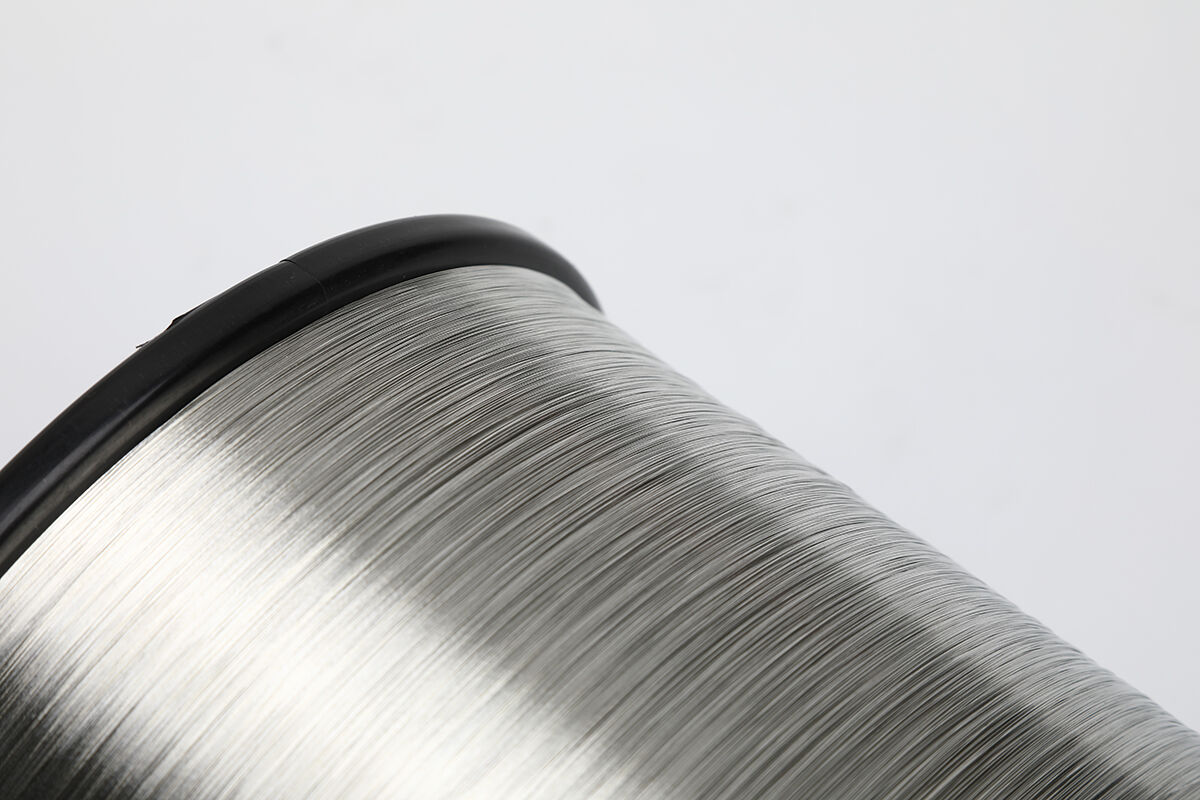
The electrical and telecommunications industries continue to evolve with advanced materials that offer superior performance and cost-effectiveness. Among these innovations, tinned copper clad steel wire has emerged as a versatile solution that combines the conductivity of copper with the strength of steel. This composite material provides exceptional value for applications requiring both electrical performance and mechanical durability, making it an increasingly popular choice across diverse industrial sectors.
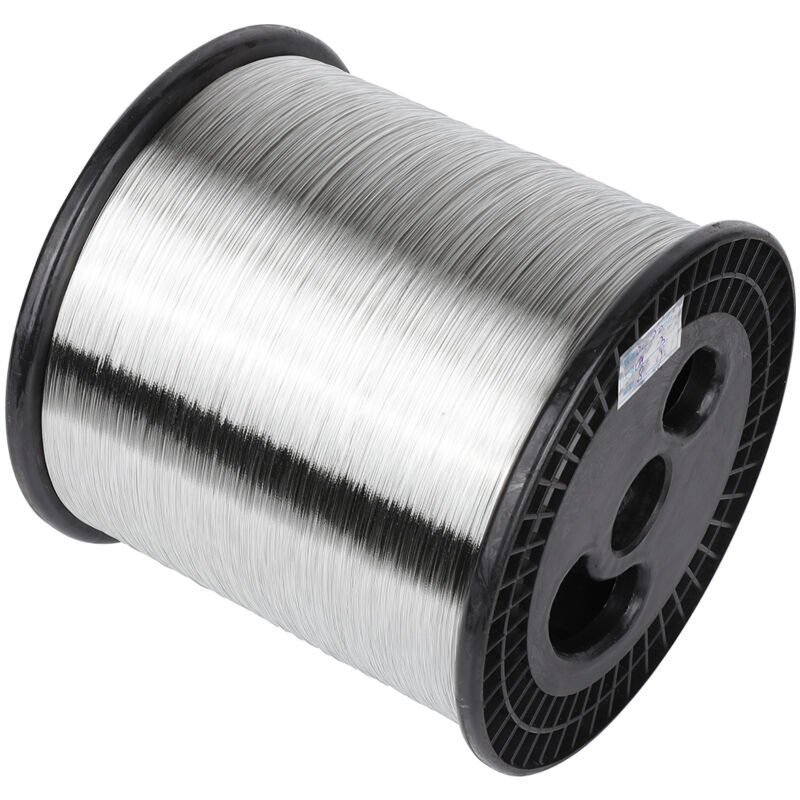
Modern engineering demands materials that can withstand harsh environmental conditions while maintaining optimal electrical characteristics. Tinned copper clad steel wire addresses these requirements through its unique construction and protective coating. The tin plating adds an additional layer of protection against oxidation and corrosion, extending the service life significantly compared to traditional alternatives. This enhanced durability translates to reduced maintenance costs and improved system reliability over extended operational periods.
Superior Conductivity and Electrical Performance
Enhanced Current Carrying Capacity
The copper cladding on tinned copper clad steel wire provides excellent electrical conductivity that rivals pure copper conductors in many applications. The tin coating further optimizes the electrical properties by preventing oxidation at connection points and maintaining consistent conductance over time. This design ensures reliable current transmission with minimal power losses, making it ideal for power distribution systems and telecommunications infrastructure.
Engineering specifications demonstrate that tinned copper clad steel wire maintains conductivity levels of approximately 40% of pure copper while offering significantly enhanced tensile strength. This balance creates opportunities for longer spans in overhead installations and reduced support structure requirements. The electrical performance remains stable across temperature variations, ensuring consistent operation in diverse environmental conditions.
Signal Integrity and Transmission Quality
Signal transmission applications benefit greatly from the uniform surface characteristics provided by tin plating on copper clad steel wire. The smooth, consistent surface reduces signal attenuation and minimizes electromagnetic interference that can degrade communication quality. This makes tinned copper clad steel wire particularly valuable for high-frequency applications and sensitive electronic systems.
The impedance characteristics of tinned copper clad steel wire can be precisely controlled during manufacturing, allowing for customized solutions that meet specific transmission requirements. This precision engineering capability enables optimized performance in coaxial cables, antenna systems, and other applications where signal integrity is paramount. The consistent electrical properties across the entire length ensure reliable performance throughout the installation.
Exceptional Mechanical Strength and Durability
Enhanced Tensile Strength Properties
The steel core construction of tinned copper clad steel wire provides remarkable tensile strength that exceeds pure copper conductors by several times. This mechanical advantage enables longer spans in overhead installations without the need for additional support structures. The high strength-to-weight ratio makes it particularly valuable in applications where mechanical stress is a primary concern, such as overhead power lines and guy wires.
Field testing consistently demonstrates that tinned copper clad steel wire maintains its mechanical properties under extreme weather conditions, including high winds, ice loading, and temperature cycling. The steel core resists stretching and maintains proper tension over extended periods, reducing the frequency of maintenance interventions. This durability characteristic significantly lowers total cost of ownership for utility and telecommunications companies.
Corrosion Resistance and Environmental Protection
The tin plating provides superior protection against environmental factors that typically degrade electrical conductors. Unlike bare copper or steel, tinned copper clad steel wire resists oxidation, moisture penetration, and chemical attack from atmospheric pollutants. This protective barrier maintains both electrical and mechanical properties throughout the service life, even in harsh industrial or marine environments.
Long-term exposure studies show that the tin coating effectively prevents galvanic corrosion between dissimilar metals in connection assemblies. This compatibility reduces maintenance requirements and improves system reliability. The protective properties extend to underground applications where soil chemistry and moisture levels can quickly degrade unprotected conductors.
Cost-Effective Solutions for Various Applications
Reduced Material and Installation Costs
Tinned copper clad steel wire offers significant cost advantages compared to solid copper conductors while maintaining acceptable electrical performance for many applications. The steel core reduces raw material costs while the copper cladding ensures adequate conductivity. This cost-effectiveness becomes particularly apparent in large-scale installations where material costs represent a substantial portion of project budgets.
Installation costs are further reduced due to the enhanced mechanical properties that allow for longer spans and reduced support requirements. The lighter weight compared to equivalent copper installations reduces handling costs and transportation expenses. These economic benefits accumulate throughout the project lifecycle, making tinned copper clad steel wire an attractive option for budget-conscious installations.
Long-Term Value and Return on Investment
The extended service life of tinned copper clad steel wire provides excellent long-term value through reduced replacement and maintenance costs. The combination of corrosion resistance and mechanical durability ensures reliable operation for decades under normal operating conditions. This longevity translates to improved return on investment for utility companies and industrial facilities.
Lifecycle cost analysis demonstrates that tinned copper clad steel wire often provides lower total cost of ownership compared to alternative materials when maintenance, replacement, and downtime costs are considered. The initial cost savings combined with reduced operational expenses create a compelling economic case for many applications. This financial advantage continues to drive adoption across various industrial sectors.
Versatile Applications Across Industries
Telecommunications and Data Transmission
The telecommunications industry extensively utilizes tinned copper clad steel wire for various applications ranging from drop cables to antenna systems. The excellent signal transmission characteristics combined with mechanical durability make it ideal for outdoor installations where environmental exposure is a concern. The tin coating prevents oxidation at connection points, ensuring reliable long-term performance in communication networks.
Data centers and network infrastructure benefit from the consistent electrical properties and reduced electromagnetic interference provided by tinned copper clad steel wire. The material's stability across temperature ranges ensures reliable data transmission in climate-controlled environments. The mechanical strength also provides advantages in cable management systems where repeated handling and routing are required.
Power Distribution and Electrical Systems
Electrical utility companies increasingly specify tinned copper clad steel wire for distribution systems where both electrical performance and mechanical strength are critical. The material excels in overhead line applications where wind loading and span requirements favor high-strength conductors. The tin coating provides additional protection against atmospheric corrosion that can degrade electrical connections over time.
Industrial electrical systems benefit from the reliability and durability of tinned copper clad steel wire in harsh operating environments. The material maintains electrical performance in the presence of chemical vapors, moisture, and temperature extremes commonly found in manufacturing facilities. This reliability reduces unplanned downtime and maintenance costs associated with conductor failures.
Manufacturing Quality and Standards Compliance
Quality Control and Testing Procedures
Manufacturing processes for tinned copper clad steel wire incorporate rigorous quality control measures to ensure consistent performance characteristics. Each production batch undergoes electrical, mechanical, and coating thickness testing to verify compliance with applicable standards. This quality assurance approach ensures that every length of wire meets specified performance criteria before shipment to customers.
Advanced testing equipment monitors the cladding process to maintain uniform copper thickness and tin coating distribution throughout the wire length. Tensile strength testing verifies that the steel core meets mechanical property requirements while conductivity measurements confirm electrical performance. These comprehensive testing procedures provide confidence in product reliability and performance consistency.
Industry Standards and Certifications
Tinned copper clad steel wire production follows established industry standards that define minimum performance requirements for various applications. Compliance with these standards ensures compatibility with existing systems and provides assurance of long-term reliability. Certification programs verify that manufacturing processes consistently produce wire that meets or exceeds these requirements.
International standards organizations continue to develop specifications that address emerging applications and performance requirements for tinned copper clad steel wire. These evolving standards incorporate lessons learned from field experience and technological advances in manufacturing processes. Adherence to these standards ensures that the material will perform reliably in diverse applications and environmental conditions.
Environmental Impact and Sustainability
Resource Conservation and Efficiency
The use of tinned copper clad steel wire contributes to resource conservation by reducing copper consumption while maintaining acceptable electrical performance. The steel core utilizes readily available materials while the thin copper cladding provides necessary electrical properties. This efficient use of materials reduces environmental impact compared to solid copper alternatives.
Manufacturing processes for tinned copper clad steel wire generate less waste compared to traditional wire drawing operations for solid copper conductors. The cladding process applies copper only where needed for electrical performance, minimizing material waste. This efficiency extends to packaging and transportation where the lighter weight reduces fuel consumption and shipping costs.
Recyclability and End-of-Life Considerations
Tinned copper clad steel wire components can be separated and recycled at the end of service life, recovering valuable materials for reuse in new products. The copper cladding and tin coating can be recovered through established metal recycling processes. The steel core provides additional recyclable material that contributes to the overall environmental benefits of the product.
Recycling programs for tinned copper clad steel wire continue to develop as awareness of environmental benefits increases. The material composition allows for efficient separation and recovery of constituent metals using existing recycling infrastructure. This recyclability supports circular economy principles and reduces the environmental footprint of electrical and telecommunications installations.
FAQ
What are the main advantages of using tinned copper clad steel wire over pure copper wire
Tinned copper clad steel wire offers several key advantages including significantly higher tensile strength, better corrosion resistance due to the tin coating, and lower material costs while maintaining adequate electrical conductivity for many applications. The steel core provides mechanical durability that allows for longer spans in overhead installations, while the tin plating prevents oxidation and extends service life compared to bare copper alternatives.
How does the electrical conductivity of tinned copper clad steel wire compare to solid copper
Tinned copper clad steel wire typically provides approximately 40% of the electrical conductivity of solid copper wire, which is sufficient for many telecommunications and power distribution applications. The copper cladding ensures good electrical performance while the steel core adds mechanical strength. For applications requiring maximum conductivity, solid copper may be preferred, but for installations where mechanical strength and cost are important factors, tinned copper clad steel wire provides an excellent balance of properties.
In what applications is tinned copper clad steel wire most commonly used
Tinned copper clad steel wire finds extensive use in telecommunications infrastructure including coaxial cables, antenna systems, and drop cables. It is also widely used in electrical power distribution systems, particularly overhead lines where mechanical strength is critical. Other common applications include grounding systems, guy wires for antenna towers, and industrial electrical installations where environmental protection and durability are important considerations.
What maintenance requirements are associated with tinned copper clad steel wire installations
Tinned copper clad steel wire requires minimal maintenance due to its corrosion-resistant tin coating and durable construction. Regular visual inspections of connections and support points are recommended, along with periodic electrical testing to verify continued performance. The tin coating protects against oxidation at connection points, reducing the frequency of cleaning and retightening operations compared to bare copper installations. Overall maintenance requirements are significantly lower than many alternative conductor materials.
Table of Contents
- Superior Conductivity and Electrical Performance
- Exceptional Mechanical Strength and Durability
- Cost-Effective Solutions for Various Applications
- Versatile Applications Across Industries
- Manufacturing Quality and Standards Compliance
- Environmental Impact and Sustainability
-
FAQ
- What are the main advantages of using tinned copper clad steel wire over pure copper wire
- How does the electrical conductivity of tinned copper clad steel wire compare to solid copper
- In what applications is tinned copper clad steel wire most commonly used
- What maintenance requirements are associated with tinned copper clad steel wire installations