EN
EN



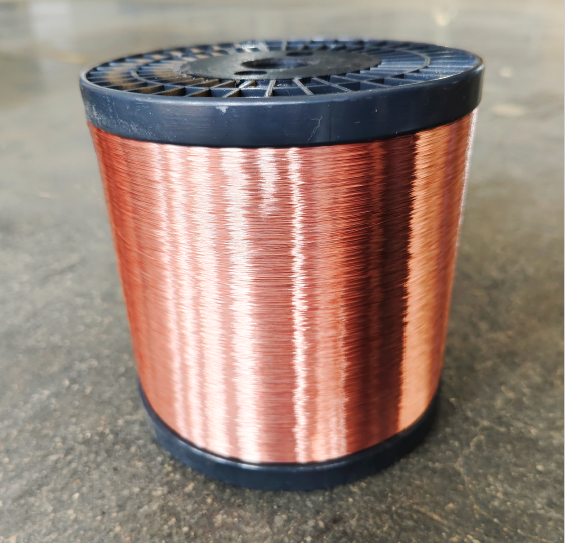
The electrical and telecommunications industries continue to evolve with innovative materials that offer superior performance while maintaining cost-effectiveness. Among these groundbreaking solutions, tinned copper clad aluminum wire has emerged as a game-changing conductor that combines the best properties of both copper and aluminum. This advanced wire technology delivers exceptional conductivity, corrosion resistance, and mechanical strength, making it an ideal choice for demanding applications across various industrial sectors.
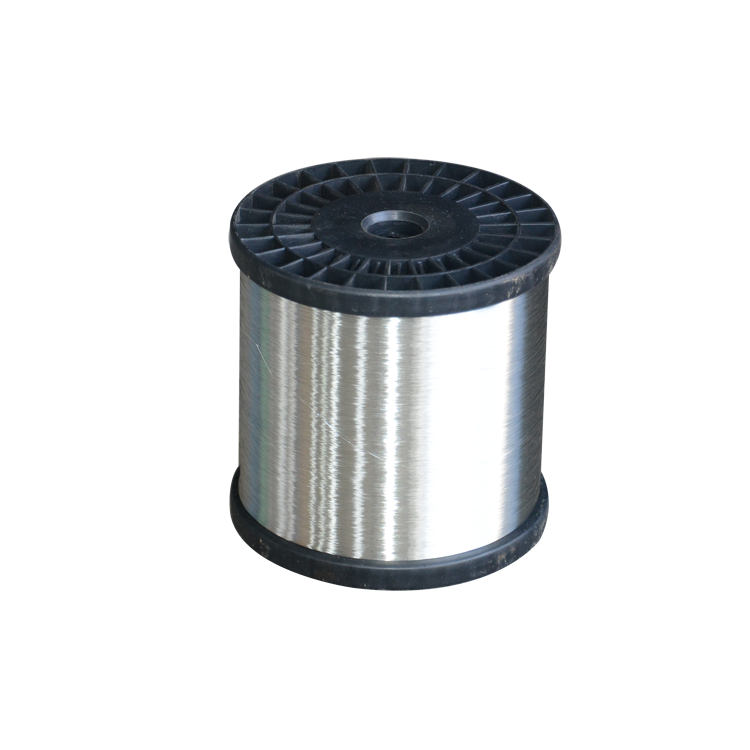
Superior Electrical Performance and Conductivity
Enhanced Current Carrying Capacity
The unique construction of tinned copper clad aluminum wire provides exceptional electrical performance that rivals traditional copper conductors while offering significant weight advantages. The copper cladding ensures optimal current flow along the wire surface, where most electrical conduction occurs according to the skin effect principle. This design maximizes the conductor's current-carrying capacity while maintaining efficient power transmission across long distances.
Engineers and electrical designers appreciate how tinned copper clad aluminum wire maintains consistent electrical properties even under varying temperature conditions. The aluminum core provides structural integrity and reduces overall conductor weight, while the copper cladding ensures reliable electrical connectivity. This combination results in a conductor that performs exceptionally well in high-frequency applications where skin effect becomes increasingly important.
Reduced Signal Loss and Impedance
Signal integrity represents a critical factor in modern electrical systems, and tinned copper clad aluminum wire excels in minimizing transmission losses. The copper surface layer provides low-resistance pathways for electrical signals, reducing impedance variations that can cause signal distortion or power loss. This characteristic makes the wire particularly valuable in telecommunications applications, data transmission systems, and precision electronic equipment.
The uniform copper cladding thickness ensures consistent impedance characteristics throughout the entire wire length, eliminating the performance variations that can occur with other conductor types. This consistency translates to improved system reliability and reduced maintenance requirements, factors that contribute significantly to long-term operational efficiency and cost savings.
Cost-Effectiveness and Economic Advantages
Material Cost Optimization
One of the most compelling advantages of tinned copper clad aluminum wire lies in its exceptional cost-effectiveness compared to solid copper conductors. The aluminum core significantly reduces raw material costs while the thin copper cladding provides all the electrical benefits of a solid copper conductor. This innovative design approach can result in material cost savings of 30-50% depending on current copper market prices.
Manufacturing facilities benefit from the predictable cost structure that tinned copper clad aluminum wire provides, as aluminum prices typically exhibit less volatility than copper prices. This price stability enables better project budgeting and long-term planning, particularly important for large-scale installations or multi-phase construction projects where material costs represent a significant portion of total project expenses.
Installation and Labor Savings
The lighter weight of tinned copper clad aluminum wire translates directly into reduced installation costs and improved worker safety. Electrical contractors report significant time savings during installation due to the wire's enhanced flexibility and reduced physical strain on installation crews. The weight reduction can be as much as 40% compared to equivalent solid copper conductors, making cable pulling operations faster and less labor-intensive.
Transportation costs also decrease substantially when using tinned copper clad aluminum wire for large projects. Shipping companies can deliver more wire per truck load, and job sites require less storage space for wire inventory. These logistical advantages compound the direct material savings, creating comprehensive cost benefits that extend throughout the entire project lifecycle.
Enhanced Durability and Corrosion Protection
Tin Plating Benefits
The tin plating applied to tinned copper clad aluminum wire provides exceptional protection against environmental corrosion and oxidation. This protective layer acts as a barrier between the copper cladding and atmospheric moisture, preventing the formation of copper oxides that can increase electrical resistance over time. The tin coating also facilitates superior solderability, ensuring reliable connections in electronic assemblies and terminal connections.
Industrial environments often expose conductors to harsh conditions including temperature extremes, humidity variations, and chemical contaminants. The tin plating on tinned copper clad aluminum wire maintains its protective properties under these challenging conditions, extending the operational lifetime of electrical systems and reducing maintenance requirements. This enhanced durability proves particularly valuable in marine applications, chemical processing facilities, and outdoor installations.
Long-Term Reliability
Field testing and laboratory studies demonstrate that tinned copper clad aluminum wire maintains stable electrical properties over extended operational periods. The copper-aluminum bond remains intact under thermal cycling conditions, and the tin plating prevents galvanic corrosion that might otherwise occur at connection points. This long-term stability ensures consistent system performance and reduces the likelihood of unexpected failures.
Maintenance teams report fewer issues with tinned copper clad aluminum wire installations compared to other conductor types, particularly in environments where moisture intrusion poses ongoing challenges. The combination of materials creates a conductor system that ages gracefully, maintaining electrical performance characteristics well beyond typical design life expectations.
Versatile Applications and Industry Adoption
Telecommunications Infrastructure
The telecommunications industry has embraced tinned copper clad aluminum wire for various applications including coaxial cables, antenna feeders, and grounding systems. The wire's excellent high-frequency performance characteristics make it particularly suitable for RF applications where signal integrity remains paramount. Network infrastructure providers value the weight savings and cost reductions that tinned copper clad aluminum wire provides without compromising signal quality.
Data center applications benefit from the thermal management advantages that tinned copper clad aluminum wire offers. The aluminum core provides excellent heat dissipation characteristics, while the copper cladding ensures reliable data transmission. This combination proves essential in high-density server environments where both electrical performance and thermal management are critical considerations.
Power Distribution Systems
Utility companies increasingly specify tinned copper clad aluminum wire for overhead distribution lines and underground cable installations. The conductor's ability to handle substantial current loads while maintaining reduced weight makes it ideal for long-span applications where mechanical stress on support structures becomes a limiting factor. The corrosion resistance provided by tin plating ensures reliable operation in challenging environmental conditions.
Industrial power systems benefit from the flexibility that tinned copper clad aluminum wire provides in terms of installation options and routing configurations. The wire's enhanced bendability compared to solid copper conductors allows for more efficient cable management in crowded electrical panels and conduit systems, improving overall installation quality and accessibility for future maintenance.
Manufacturing Quality and Standards Compliance
Production Process Excellence
The manufacturing process for tinned copper clad aluminum wire involves sophisticated metallurgical techniques that ensure consistent bonding between the aluminum core and copper cladding. Advanced production methods create a molecular bond between these dissimilar metals, resulting in a conductor that performs as a unified material rather than separate layers. Quality control measures throughout the manufacturing process verify conductor dimensions, electrical properties, and coating thickness.
Modern production facilities utilize continuous monitoring systems to maintain precise control over the copper cladding thickness and tin plating uniformity. This attention to manufacturing detail ensures that every meter of tinned copper clad aluminum wire meets specified performance standards and provides consistent electrical characteristics throughout extended wire lengths.
Industry Standards and Certifications
Reputable manufacturers produce tinned copper clad aluminum wire in accordance with international standards including ASTM, IEC, and other relevant industry specifications. These standards define requirements for electrical conductivity, mechanical properties, corrosion resistance, and manufacturing quality that ensure reliable performance across diverse applications. Compliance with these standards provides engineers and specifiers with confidence in the wire's suitability for critical applications.
Testing protocols for tinned copper clad aluminum wire include comprehensive evaluations of tensile strength, electrical conductivity, adhesion between layers, and environmental resistance. Independent testing laboratories verify that production batches meet or exceed specified requirements, providing additional assurance of product quality and performance consistency.
Environmental Considerations and Sustainability
Resource Efficiency
The use of tinned copper clad aluminum wire contributes to more sustainable electrical infrastructure development by optimizing the use of finite copper resources. Since copper represents a limited natural resource with increasing demand from multiple industries, the efficient utilization provided by copper cladding technology helps preserve these valuable materials for applications where solid copper remains essential.
Aluminum production requires significantly less energy per unit weight compared to copper mining and refining operations. By utilizing an aluminum core structure, tinned copper clad aluminum wire reduces the overall environmental impact associated with conductor production while maintaining the electrical performance characteristics that applications require.
Recycling and End-of-Life Management
Both copper and aluminum components in tinned copper clad aluminum wire retain their value for recycling operations when the conductor reaches the end of its operational life. Specialized recycling processes can separate these metals for reuse in new manufacturing applications, contributing to circular economy principles and reducing waste generation. The tin plating also has recycling value and can be recovered through appropriate metallurgical processes.
Environmental regulations increasingly favor materials and products that support sustainable development goals. Tinned copper clad aluminum wire aligns with these objectives by providing efficient resource utilization, reduced material consumption, and end-of-life recycling opportunities that minimize environmental impact while maintaining essential electrical infrastructure performance.
FAQ
What is the typical lifespan of tinned copper clad aluminum wire in outdoor applications
Tinned copper clad aluminum wire typically provides 25-30 years of reliable service in outdoor applications when properly installed and maintained. The tin plating significantly extends the conductor's resistance to environmental corrosion, while the copper-aluminum bond remains stable under normal temperature cycling conditions. Regular inspection and maintenance of connection points help ensure optimal performance throughout the wire's operational life.
Can tinned copper clad aluminum wire be used in high-temperature applications
Yes, tinned copper clad aluminum wire performs well in elevated temperature applications up to the limits specified by the insulation system and applicable electrical codes. The conductor itself maintains stable electrical properties at temperatures commonly encountered in industrial applications. However, connection techniques and terminal hardware must be appropriate for the specific temperature requirements of each installation.
How does the electrical performance of tinned copper clad aluminum wire compare to solid copper
Tinned copper clad aluminum wire provides electrical performance that closely matches solid copper conductors for most practical applications. The copper cladding ensures excellent conductivity where current flow is concentrated, while the aluminum core contributes structural strength and weight reduction. In high-frequency applications, the performance often equals or exceeds solid copper due to the skin effect phenomenon.
What special considerations apply when terminating tinned copper clad aluminum wire
Terminating tinned copper clad aluminum wire requires attention to proper connection techniques and compatible hardware. Standard copper termination methods work well with the tin-plated surface, and the tin coating facilitates reliable soldered connections when appropriate. It's important to avoid over-tightening mechanical connections and to use anti-oxidant compounds when specified by installation standards or manufacturer recommendations.
Table of Contents
- Superior Electrical Performance and Conductivity
- Cost-Effectiveness and Economic Advantages
- Enhanced Durability and Corrosion Protection
- Versatile Applications and Industry Adoption
- Manufacturing Quality and Standards Compliance
- Environmental Considerations and Sustainability
-
FAQ
- What is the typical lifespan of tinned copper clad aluminum wire in outdoor applications
- Can tinned copper clad aluminum wire be used in high-temperature applications
- How does the electrical performance of tinned copper clad aluminum wire compare to solid copper
- What special considerations apply when terminating tinned copper clad aluminum wire