EN
EN



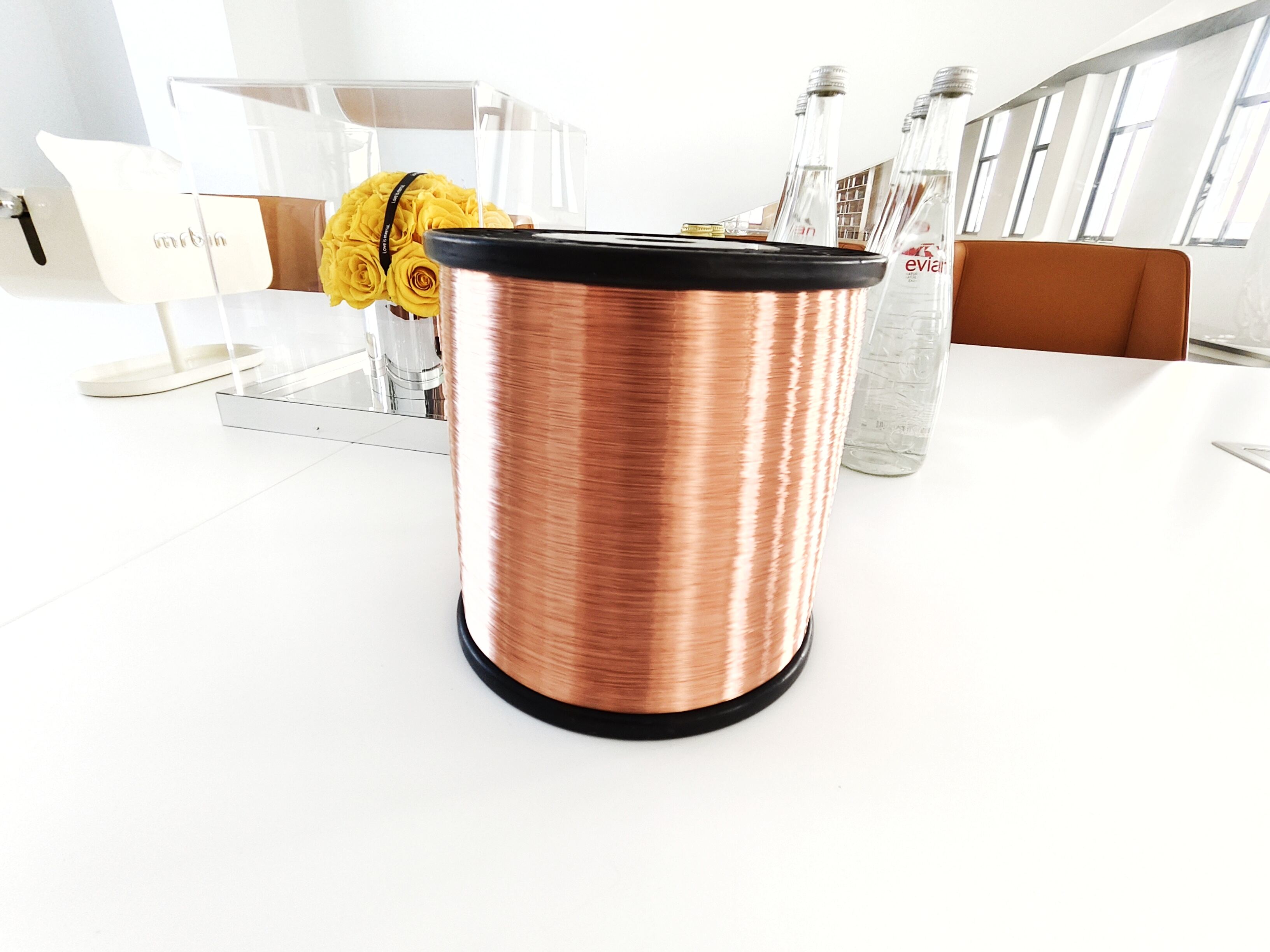
The electrical industry continues to evolve with innovative materials that deliver enhanced performance while reducing costs. Among these groundbreaking solutions, CCAM wire has emerged as a game-changing conductor that combines the best properties of copper, aluminum, and magnesium. This advanced composite material offers electrical manufacturers and contractors a superior alternative to traditional copper wiring, providing exceptional conductivity while significantly reducing material costs and weight.
Industries worldwide are increasingly recognizing the substantial advantages of copper clad aluminum magnesium technology. From telecommunications infrastructure to residential electrical systems, this innovative conductor material addresses the growing demand for cost-effective yet high-performance electrical solutions. The unique composition of CCAM wire delivers remarkable benefits that extend far beyond simple cost savings, making it an essential component for modern electrical applications.
Superior Electrical Performance and Conductivity
Enhanced Current Carrying Capacity
The electrical performance of CCAM wire represents a significant advancement over traditional aluminum conductors. The copper cladding provides excellent surface conductivity while the aluminum magnesium core delivers structural integrity and reduced weight. This combination results in superior current carrying capacity that closely matches pure copper performance at a fraction of the cost.
The magnesium addition to the aluminum core enhances the overall conductivity characteristics by creating a more stable crystal structure. This improvement translates to reduced electrical resistance and better power transmission efficiency. Electrical engineers consistently report improved system performance when implementing CCAM wire in high-current applications.
Reduced Signal Loss and Interference
Signal integrity represents a critical consideration in modern electrical installations, particularly in data transmission and telecommunications applications. The copper cladding layer in CCAM wire provides an excellent conductive path that minimizes signal attenuation and electromagnetic interference. This characteristic makes it ideal for applications requiring high-frequency signal transmission.
The smooth copper surface ensures consistent impedance characteristics throughout the conductor length. This uniformity prevents signal reflections and maintains data integrity in sensitive electronic systems. Communication networks utilizing CCAM wire demonstrate significantly improved signal quality and reduced transmission errors compared to standard aluminum conductors.
Cost Effectiveness and Economic Advantages
Material Cost Reduction
The economic benefits of CCAM wire implementation extend far beyond initial material costs. While copper prices continue to fluctuate dramatically in global markets, the aluminum magnesium core provides price stability and predictability for project budgeting. This cost advantage typically ranges from 30-50% compared to equivalent copper conductors.
Manufacturing facilities utilizing CCAM wire in their electrical systems report substantial material cost savings without compromising performance standards. The reduced material costs allow for more competitive project pricing while maintaining healthy profit margins. Long-term cost projections consistently favor CCAM wire installations due to stable raw material pricing.
Installation and Labor Savings
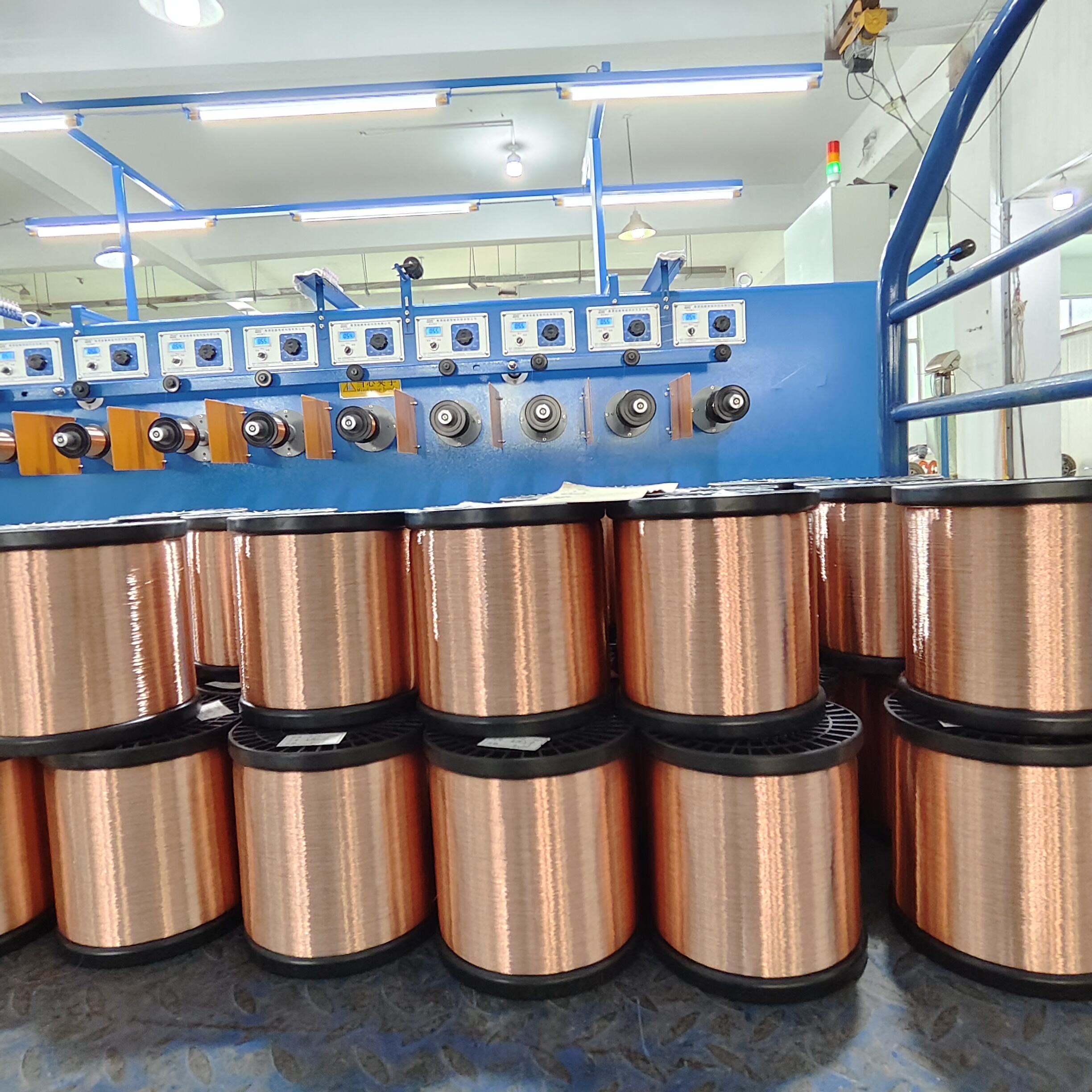
The lightweight nature of CCAM wire significantly reduces installation time and labor costs. Electrical contractors report faster cable pulling and reduced physical strain on installation crews. The weight reduction, typically 40-60% compared to copper, allows for easier handling of large conductor bundles and reduces the need for heavy lifting equipment.
Transportation costs also decrease substantially due to the reduced weight characteristics. Shipping and logistics expenses for CCAM wire projects are significantly lower, contributing to overall project cost reduction. These savings become particularly significant in large-scale installations where thousands of feet of conductor are required.
Mechanical Properties and Durability
Corrosion Resistance and Longevity
The copper cladding provides exceptional protection against environmental factors that typically cause degradation in aluminum conductors. The outer copper layer acts as a barrier against moisture, chemicals, and atmospheric contaminants that can compromise conductor integrity over time. This protection ensures long-term reliability in challenging environmental conditions.
Field testing demonstrates that CCAM wire maintains its electrical and mechanical properties even after extended exposure to harsh conditions. The magnesium addition to the aluminum core further enhances corrosion resistance by creating a more stable alloy structure. These durability characteristics translate to extended service life and reduced maintenance requirements.
Flexibility and Workability
Installation flexibility represents another significant advantage of CCAM wire technology. The material exhibits excellent bending characteristics that facilitate routing through tight spaces and complex pathways. Electricians appreciate the improved workability compared to traditional aluminum conductors, which can be brittle and prone to cracking during installation.
The enhanced flexibility also reduces the risk of conductor damage during installation and service. This improved durability minimizes warranty claims and service calls related to conductor failure. The combination of flexibility and strength makes CCAM wire ideal for applications requiring frequent movement or vibration resistance.
Environmental and Sustainability Benefits
Reduced Carbon Footprint
The environmental impact of CCAM wire production is significantly lower than pure copper conductor manufacturing. The reduced copper content decreases energy consumption during production while the aluminum component offers excellent recyclability characteristics. This combination results in a substantially lower carbon footprint for electrical installations.
Sustainability initiatives in construction and manufacturing increasingly favor materials with reduced environmental impact. CCAM wire technology aligns with green building standards and environmental certification requirements. Organizations implementing sustainable practices find that CCAM wire contributes positively to their environmental goals without sacrificing performance.
Resource Conservation
The efficient use of copper resources through cladding technology helps conserve this valuable metal for applications where it is absolutely essential. By utilizing aluminum and magnesium as core materials, CCAM wire reduces the overall demand for copper mining and processing. This resource conservation approach supports sustainable development practices across the electrical industry.
End-of-life recyclability represents another important environmental consideration. Both copper and aluminum components in CCAM wire can be effectively recycled, reducing waste and supporting circular economy principles. This recyclability characteristic ensures that the material value is preserved even after the conductor reaches the end of its service life.
Application Versatility and Industry Adoption
Telecommunications and Data Centers
The telecommunications industry has rapidly adopted CCAM wire for various applications due to its excellent signal transmission characteristics and cost effectiveness. Data centers utilize this technology for power distribution and grounding systems where high current capacity and reliability are essential. The reduced weight also simplifies installation in overhead cable tray systems.
Fiber optic cable manufacturers integrate CCAM wire as strength members and grounding conductors in their products. The compatibility with existing termination hardware and connection systems facilitates easy adoption without requiring specialized tools or training. This seamless integration has accelerated market acceptance across the telecommunications sector.
Industrial and Manufacturing Applications
Manufacturing facilities increasingly specify CCAM wire for motor feeds, control circuits, and power distribution systems. The material's ability to handle high current loads while maintaining flexibility makes it ideal for applications involving moving machinery and equipment. Industrial automation systems benefit from the improved signal integrity characteristics.
The chemical and petrochemical industries have found CCAM wire particularly suitable for hazardous location applications. The enhanced corrosion resistance provides additional safety margins in environments where chemical exposure is a concern. Offshore and marine applications also benefit from the superior environmental resistance characteristics.
FAQ
What is the typical lifespan of CCAM wire compared to standard copper wire
CCAM wire typically offers a service life comparable to copper wire, often exceeding 25-30 years in properly designed installations. The copper cladding provides excellent protection against environmental factors while the aluminum magnesium core maintains structural integrity over time. Regular inspection and proper installation techniques ensure optimal longevity for CCAM wire systems.
Can CCAM wire be terminated using standard copper termination methods
Yes, CCAM wire can be terminated using conventional copper termination hardware and techniques. The copper cladding surface provides excellent compatibility with standard lugs, connectors, and splicing materials. However, proper preparation of the conductor end is essential to ensure optimal connection integrity and prevent galvanic corrosion between dissimilar metals.
How does CCAM wire perform in high-temperature applications
CCAM wire demonstrates excellent thermal performance characteristics, typically handling temperatures up to 90°C or higher depending on the insulation system. The aluminum magnesium core provides good thermal conductivity while the copper cladding maintains electrical performance at elevated temperatures. Proper derating calculations should be applied for high-temperature applications following standard electrical codes.
What are the key considerations for CCAM wire installation and handling
Installation of CCAM wire requires attention to proper bending radius limits and pulling tension to prevent damage to the conductor structure. The material should be stored in dry conditions to prevent moisture infiltration and handled using appropriate techniques to avoid surface damage. Training installation crews on CCAM wire characteristics ensures optimal installation quality and long-term performance.