EN
EN



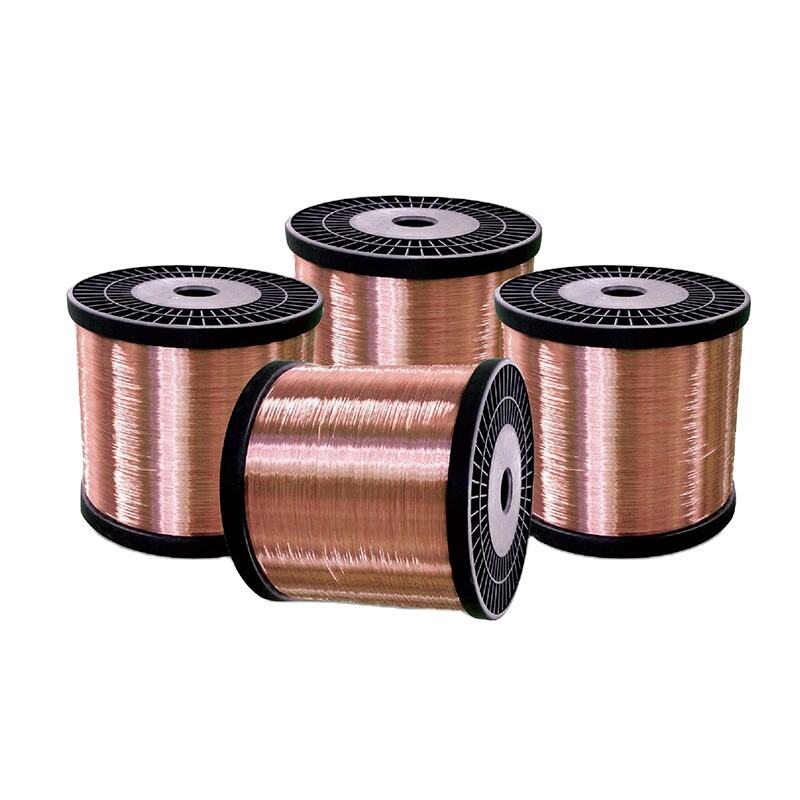
In the rapidly evolving world of electrical conductors, engineers and manufacturers constantly seek materials that deliver both superior performance and cost-effectiveness. The emergence of copper-clad aluminum magnesium (CCAM) technology represents a significant breakthrough in wire manufacturing, offering an innovative solution that addresses the traditional trade-offs between conductivity, weight, and mechanical strength. This advanced conductor combines the excellent electrical properties of copper with the lightweight characteristics of aluminum, enhanced by magnesium's unique strengthening properties to create a versatile wire solution for modern applications.
Understanding CCAM Wire Construction and Technology
Advanced Multi-Layer Design Architecture
The construction of CCAM wire involves a sophisticated multi-layer approach where a thin copper layer is metallurgically bonded to an aluminum-magnesium alloy core. This process creates a conductor that maintains the superior electrical conductivity of copper at the surface while benefiting from the reduced weight and enhanced mechanical properties provided by the aluminum-magnesium core. The manufacturing process ensures complete molecular bonding between the layers, eliminating delamination risks and providing uniform electrical characteristics throughout the conductor's length.
The copper cladding thickness is precisely controlled to optimize both electrical performance and material efficiency. Typically ranging from 10% to 40% of the total conductor radius, this copper layer provides the primary conduction path while protecting the aluminum core from oxidation and corrosion. The aluminum-magnesium alloy core contributes significantly to the overall mechanical strength, offering improved tensile properties compared to pure aluminum conductors while maintaining excellent flexibility for installation in various environments.
Magnesium Enhancement Properties
The addition of magnesium to the aluminum core represents a crucial innovation in CCAM wire technology. Magnesium acts as a strengthening agent that significantly improves the mechanical properties of the aluminum base material without compromising its lightweight characteristics. This alloying process creates a fine-grained microstructure that enhances both tensile strength and fatigue resistance, making the conductor suitable for applications requiring frequent flexing or vibration resistance.
Furthermore, magnesium contributes to improved corrosion resistance by forming a protective oxide layer that prevents degradation in harsh environmental conditions. This enhanced corrosion resistance extends the operational lifespan of CCAM wire installations, reducing maintenance requirements and overall system costs. The magnesium content is carefully balanced to maximize these benefits while maintaining the desired electrical and mechanical performance characteristics.
Mechanical Strength Characteristics and Performance
Tensile Strength and Load-Bearing Capacity
CCAM wire demonstrates exceptional tensile strength that often exceeds that of conventional aluminum conductors by 20% to 30%. This enhanced strength results from the synergistic combination of the copper cladding's ductility and the aluminum-magnesium core's improved mechanical properties. The conductor can withstand significant pulling forces during installation without permanent deformation or damage, making it particularly suitable for long-span applications and installations in challenging terrain.
The load-bearing capacity of CCAM wire makes it an excellent choice for overhead power lines, where mechanical stress from wind loading, ice accumulation, and thermal expansion must be considered. The conductor's ability to maintain structural integrity under these varying load conditions ensures reliable power transmission while reducing the need for frequent maintenance or replacement. Testing has shown that CCAM wire maintains its mechanical properties across a wide temperature range, from extreme cold to high-temperature operating conditions.
Flexibility and Bend Radius Performance
One of the most significant advantages of CCAM wire is its exceptional flexibility, which facilitates easier installation and routing in complex electrical systems. The conductor can be bent to smaller radii compared to solid copper wire of equivalent current-carrying capacity, reducing installation time and labor costs. This flexibility is particularly valuable in building wiring applications where conductors must navigate tight spaces and multiple direction changes.
The improved flexibility of CCAM wire stems from the optimized balance between the copper cladding and aluminum-magnesium core materials. The copper layer provides the necessary ductility for repeated bending operations, while the aluminum core maintains structural support and prevents work-hardening that could lead to conductor failure. This combination allows for multiple installation and repositioning operations without degrading the conductor's electrical or mechanical performance.
Electrical Performance and Conductivity Analysis
Current Carrying Capacity and Ampacity Ratings
The electrical performance of CCAM wire is characterized by excellent current-carrying capacity that approaches that of solid copper conductors while offering significant weight advantages. The copper cladding provides the primary conduction path, ensuring low resistance and minimal power losses during operation. The ampacity ratings of CCAM wire are typically 85% to 90% of equivalent-sized copper conductors, making it a viable alternative for most electrical applications.
Temperature coefficient characteristics of CCAM wire are carefully controlled through the manufacturing process to ensure stable performance across varying operating conditions. The conductor maintains consistent electrical properties from startup through full-load operation, with minimal resistance variation due to temperature changes. This stability is crucial for applications requiring precise electrical control or where power quality is paramount.
Resistance and Power Loss Characteristics
CCAM wire exhibits low electrical resistance due to the high-conductivity copper cladding that forms the primary current path. The DC resistance values are comparable to conventional copper conductors of similar cross-sectional area, ensuring efficient power transmission with minimal energy losses. AC resistance characteristics are also favorable, with skin effect considerations well-managed through the conductor's design and construction.
Power loss analysis shows that CCAM wire delivers excellent efficiency in both power transmission and distribution applications. The low resistance characteristics translate directly to reduced energy losses during operation, contributing to improved system efficiency and lower operating costs. This efficiency advantage becomes particularly significant in high-current applications where even small resistance reductions can result in substantial energy savings over the conductor's operational lifetime.
Applications and Industry Implementation
Power Transmission and Distribution Systems
CCAM wire has found widespread acceptance in power transmission and distribution systems where the combination of strength and flexibility provides significant operational advantages. Overhead power lines benefit from the conductor's enhanced mechanical properties, which allow for longer spans between support structures and improved resistance to environmental stresses. The reduced weight compared to copper conductors also minimizes structural requirements for poles and towers, reducing overall system installation costs.
Underground distribution applications leverage the flexibility advantages of CCAM wire for easier cable pulling and installation in conduit systems. The conductor's ability to navigate complex routing paths while maintaining electrical integrity makes it particularly valuable in urban environments where space constraints and installation challenges are common. Utility companies have reported significant installation time savings and reduced labor costs when using CCAM wire in these applications.
Industrial and Commercial Building Systems
In industrial and commercial building applications, CCAM wire provides an optimal balance of performance and cost-effectiveness for branch circuit and feeder applications. The conductor's flexibility facilitates installation in cable trays, conduits, and other building infrastructure while its strength ensures long-term reliability in demanding industrial environments. Manufacturing facilities particularly benefit from the conductor's resistance to vibration and mechanical stress.
Commercial building installations utilize CCAM wire for its space-saving characteristics and ease of handling during construction. The reduced weight compared to copper conductors simplifies installation logistics and reduces structural loading requirements for cable support systems. Building owners appreciate the long-term cost benefits of CCAM wire, including reduced maintenance requirements and improved system reliability.
Comparative Analysis with Alternative Conductor Technologies
CCAM Wire Versus Copper Conductors
When comparing CCAM wire to traditional copper conductors, several key performance advantages emerge that make it an attractive alternative for many applications. While copper conductors offer slightly higher electrical conductivity, CCAM wire provides approximately 85-90% of copper's current-carrying capacity at significantly reduced weight and material cost. The mechanical strength of CCAM wire often exceeds that of copper, particularly in terms of tensile strength and fatigue resistance.
Cost analysis consistently favors CCAM wire due to reduced material costs and installation savings. The lighter weight of CCAM wire reduces shipping costs and simplifies handling during installation, leading to lower labor requirements and faster project completion times. Additionally, the enhanced mechanical properties of CCAM wire often allow for longer installation spans and reduced support structure requirements, further contributing to overall system cost savings.
Performance Comparison with Aluminum Conductors
Compared to conventional aluminum conductors, CCAM wire offers superior electrical performance due to the copper cladding that provides better conductivity and corrosion resistance. The aluminum-magnesium core provides enhanced mechanical strength compared to pure aluminum, resulting in improved durability and longer service life. Connection reliability is also improved with CCAM wire, as the copper surface provides better contact characteristics than aluminum.
Environmental resistance represents another significant advantage of CCAM wire over aluminum conductors. The copper cladding protects against galvanic corrosion and oxidation that can affect aluminum conductors in certain environments. This protection extends the operational lifespan of electrical installations and reduces maintenance requirements, particularly in coastal or industrial environments where corrosive conditions are prevalent.
Installation Considerations and Best Practices
Termination and Connection Methods
Proper termination of CCAM wire requires specific techniques to ensure reliable electrical connections and long-term performance. The copper cladding allows for conventional copper termination methods, including compression connectors, mechanical lugs, and welded connections. However, special attention must be paid to prevent damage to the cladding during termination preparation, as exposed aluminum core material could lead to galvanic corrosion issues.
Connection integrity is maintained through proper torque specifications and the use of appropriate contact compounds when required. The copper surface of CCAM wire provides excellent contact characteristics, reducing the likelihood of connection heating or degradation over time. Regular inspection and maintenance protocols should include verification of termination integrity and monitoring for signs of corrosion or overheating at connection points.
Handling and Storage Requirements
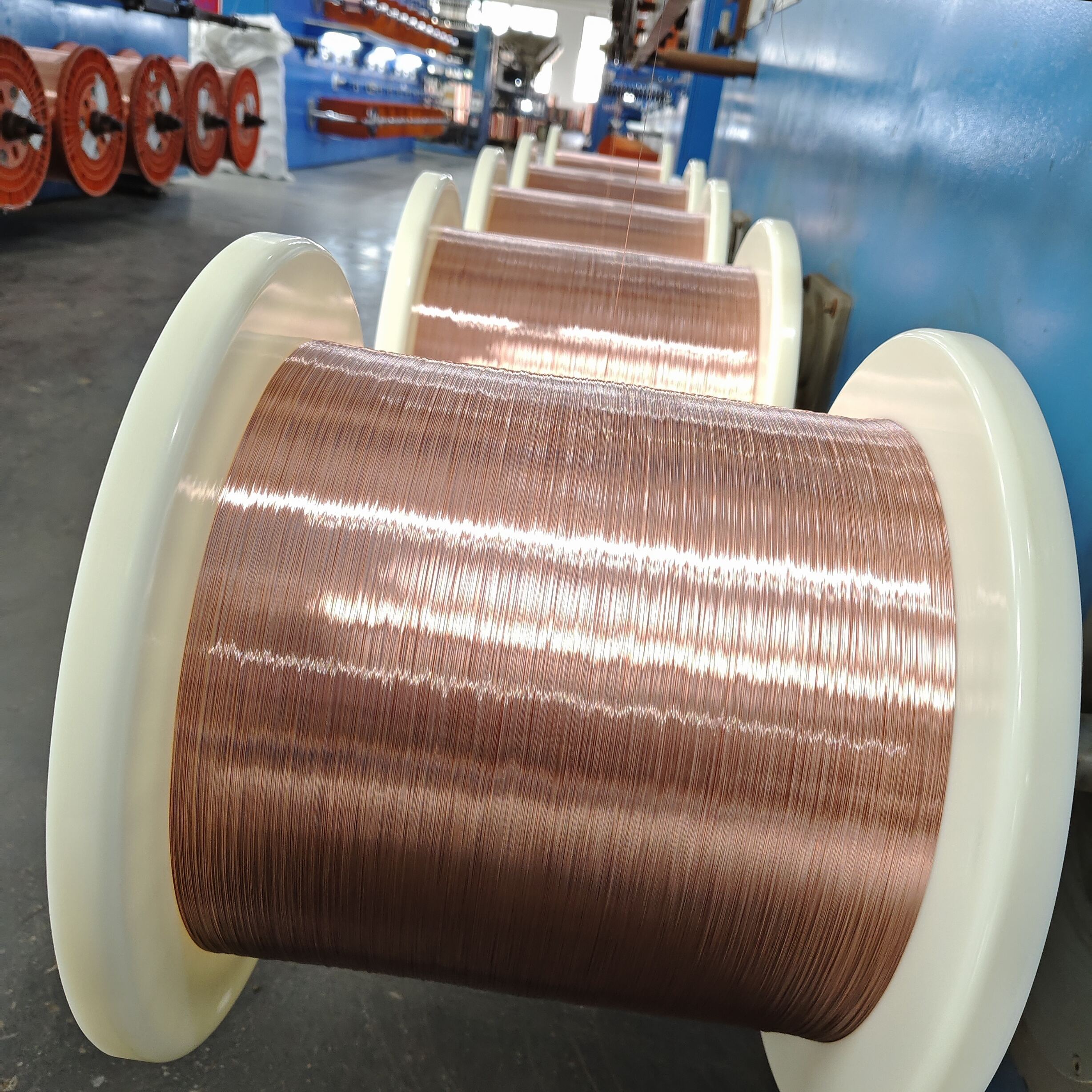
CCAM wire requires careful handling during transportation and storage to preserve the integrity of the copper cladding and prevent damage that could compromise performance. Proper spooling and unreeling techniques prevent excessive stress concentrations that could cause cladding separation or work-hardening of the conductor. Storage conditions should protect against environmental contamination and physical damage while maintaining appropriate temperature and humidity levels.
Installation tools and techniques must be selected to accommodate the specific characteristics of CCAM wire. Cable pulling equipment should be calibrated to prevent excessive force application, while bending operations should respect the conductor's minimum bend radius specifications. Training of installation personnel on CCAM wire characteristics and handling requirements is essential for achieving optimal installation results and long-term system performance.
FAQ
What is the typical lifespan of CCAM wire in electrical installations?
CCAM wire typically offers a service life of 25-30 years or more in properly designed and installed electrical systems. The copper cladding provides excellent corrosion resistance, while the aluminum-magnesium core maintains mechanical integrity over extended periods. Actual lifespan depends on environmental conditions, installation quality, and maintenance practices, but field experience has shown CCAM wire to match or exceed the longevity of conventional copper conductors in most applications.
Can CCAM wire be used in all applications where copper wire is specified?
CCAM wire can be used in most applications where copper wire is specified, provided that proper engineering analysis confirms compatibility with system requirements. The conductor offers approximately 85-90% of copper's current-carrying capacity, so sizing adjustments may be necessary for critical applications. Code compliance should be verified for specific installations, as some jurisdictions or applications may have restrictions on alternative conductor materials.
How does CCAM wire perform in high-temperature environments?
CCAM wire demonstrates excellent performance in high-temperature environments, with operating capabilities typically matching or exceeding those of conventional aluminum conductors. The copper cladding provides stability at elevated temperatures, while the aluminum-magnesium core maintains mechanical properties across a wide temperature range. Proper insulation and installation practices are essential for high-temperature applications to ensure long-term reliability and safety.
What are the cost savings associated with using CCAM wire instead of copper?
Cost savings from CCAM wire implementation typically range from 20-40% compared to copper conductors, depending on market conditions and application requirements. Savings result from reduced material costs, lower shipping expenses due to lighter weight, faster installation times, and decreased support structure requirements. Long-term savings include reduced maintenance costs and improved system reliability, making CCAM wire an economically attractive option for many electrical installations.
Table of Contents
- Understanding CCAM Wire Construction and Technology
- Mechanical Strength Characteristics and Performance
- Electrical Performance and Conductivity Analysis
- Applications and Industry Implementation
- Comparative Analysis with Alternative Conductor Technologies
- Installation Considerations and Best Practices
- FAQ