EN
EN


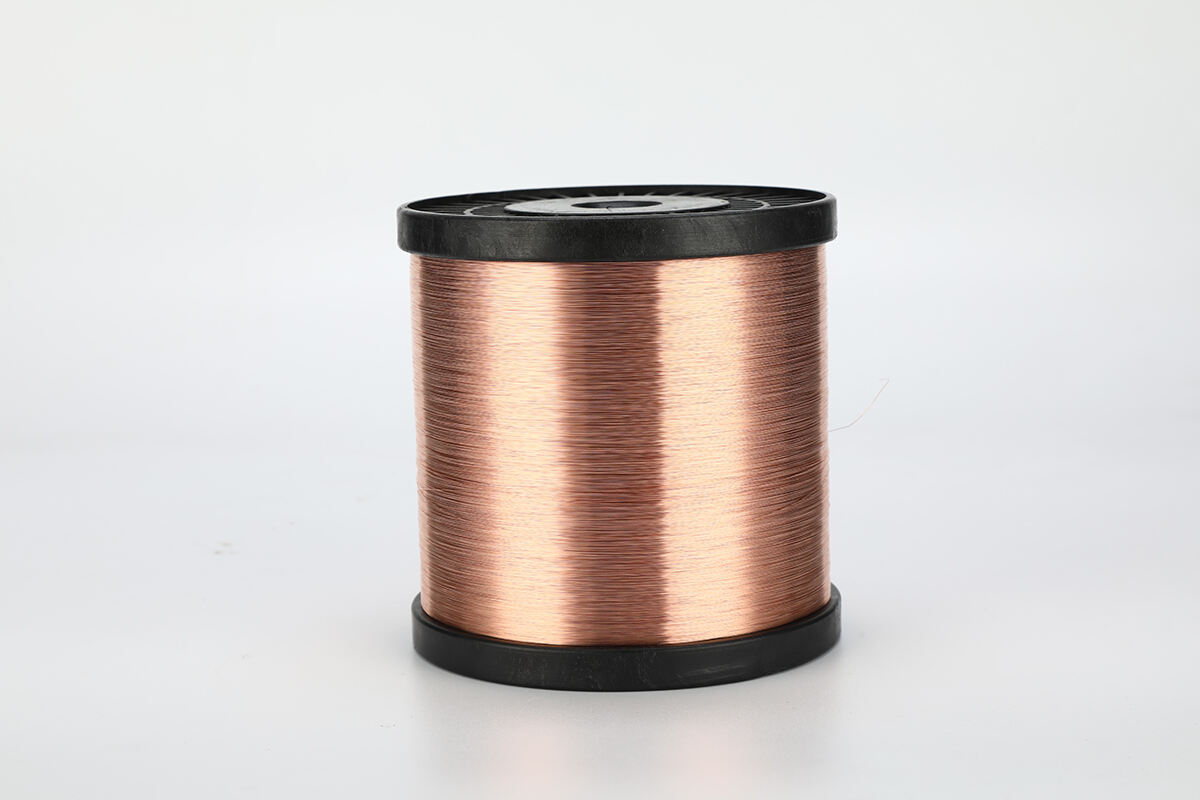
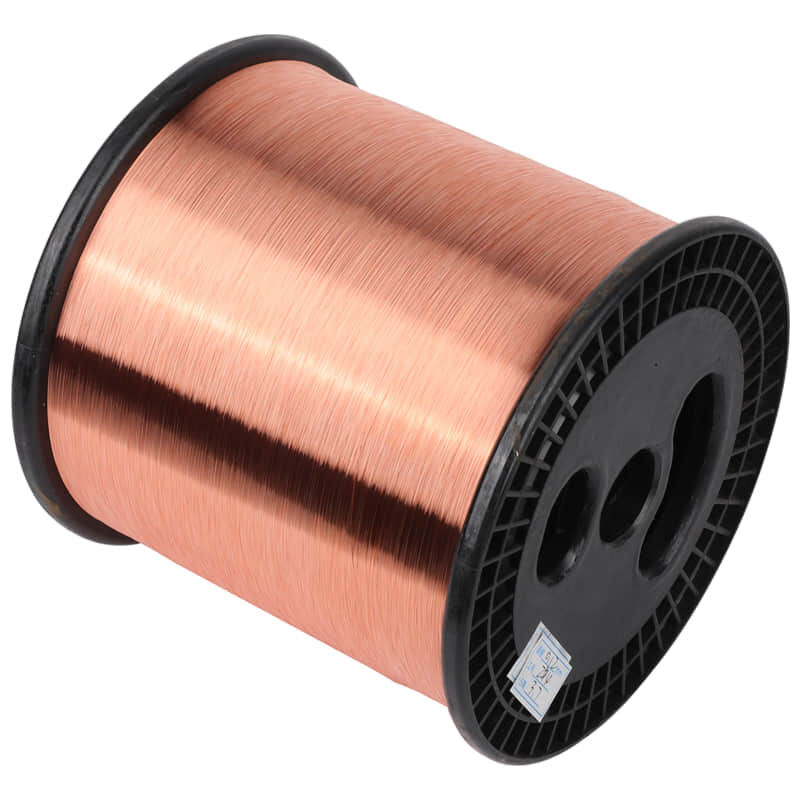
The telecommunications and electrical industries continuously seek materials that deliver optimal performance while maintaining cost-effectiveness and durability. CCS Wire has emerged as a revolutionary solution that combines the excellent conductivity of copper with the mechanical strength of steel, creating a composite material that addresses numerous industry challenges. This innovative wire technology offers significant advantages over traditional copper or steel alternatives, making it an increasingly popular choice for various applications ranging from telecommunications infrastructure to grounding systems. Understanding the specific benefits of CCS Wire helps engineers and project managers make informed decisions when selecting materials for their projects.
Superior Cost-Effectiveness and Economic Benefits
Reduced Material Costs Compared to Pure Copper
One of the most compelling advantages of CCS Wire lies in its significant cost reduction compared to solid copper conductors. The steel core provides the necessary mechanical properties while the copper cladding ensures adequate electrical conductivity, resulting in a material that costs substantially less than pure copper wire. This cost advantage becomes particularly pronounced in large-scale projects where thousands of meters of cable are required, such as telecommunications networks or electrical distribution systems.
Manufacturing processes for CCS Wire have been optimized to maximize efficiency while maintaining quality standards. The controlled application of copper cladding over the steel core allows manufacturers to achieve precise thickness ratios, ensuring consistent performance characteristics throughout the production run. This manufacturing efficiency translates directly into cost savings for end users, making CCS Wire an attractive option for budget-conscious projects without compromising on performance requirements.
Long-Term Economic Value Through Extended Service Life
The economic benefits of CCS Wire extend well beyond initial purchase costs through its exceptional longevity and reduced maintenance requirements. The steel core provides superior tensile strength and resistance to mechanical stress, significantly reducing the likelihood of cable failures due to physical damage or environmental factors. This durability translates into lower replacement costs and reduced system downtime, contributing to improved total cost of ownership over the cable's operational lifespan.
Installation costs also benefit from the use of CCS Wire, as its enhanced mechanical properties allow for longer cable runs with fewer intermediate supports. The reduced weight compared to equivalent solid copper installations further decreases installation complexity and associated labor costs, while the improved tensile strength enables installations in challenging environments where traditional copper cables might require additional reinforcement or protection measures.
Enhanced Mechanical Strength and Durability
Superior Tensile Strength Properties
The steel core of CCS Wire provides exceptional tensile strength that far exceeds the capabilities of solid copper conductors. This enhanced mechanical performance allows for longer cable spans without intermediate supports, reducing installation complexity and overall system costs. The typical tensile strength of CCS Wire ranges from 300 to 600 MPa, depending on the steel core composition and manufacturing process, compared to approximately 220 MPa for hard-drawn copper wire.
This superior tensile strength makes CCS Wire particularly valuable in overhead installations where cables must support their own weight over considerable distances. The enhanced mechanical properties also provide better resistance to wind loading and ice accumulation in outdoor installations, reducing the risk of cable failure during adverse weather conditions. These characteristics make CCS Wire an excellent choice for rural telecommunications networks and power distribution systems where long spans between support structures are common.
Improved Resistance to Environmental Factors
Environmental resistance represents another significant advantage of CCS Wire, particularly in challenging installation conditions. The steel core provides excellent resistance to corrosion when properly manufactured with appropriate protective coatings, while the copper cladding maintains its conductivity properties even when exposed to moisture and atmospheric contaminants. This combination results in a cable that performs reliably across a wide range of environmental conditions.
Temperature cycling effects, which can cause expansion and contraction stress in traditional cables, are better managed with CCS Wire due to the thermal properties of the steel core. The coefficient of thermal expansion for steel is lower than that of copper, resulting in reduced stress on cable connections and support structures during temperature variations. This characteristic is particularly beneficial in applications where cables are exposed to significant temperature fluctuations throughout their service life.
Excellent Electrical Performance Characteristics
Optimized Conductivity for High-Frequency Applications
The electrical performance of CCS Wire is specifically optimized for high-frequency applications where skin effect becomes a significant factor. At higher frequencies, electrical current tends to flow primarily in the outer layer of a conductor, making the copper cladding the primary current-carrying path. This phenomenon means that CCS Wire can achieve electrical performance very similar to solid copper wire in many telecommunications and RF applications while maintaining the mechanical advantages of the steel core.
The thickness of the copper cladding in CCS Wire is carefully engineered to provide adequate conductivity for specific frequency ranges and current requirements. Typical cladding thicknesses range from 10% to 40% of the total wire diameter, allowing manufacturers to tailor the electrical characteristics to match specific application requirements. This flexibility in design enables CCS Wire to serve effectively in applications ranging from low-frequency power distribution to high-frequency telecommunications systems.
Consistent Impedance Control and Signal Integrity
Signal integrity in telecommunications applications depends heavily on consistent impedance characteristics throughout the cable length. CCS Wire manufacturing processes ensure uniform copper cladding thickness and consistent core dimensions, resulting in predictable and stable impedance characteristics. This consistency is crucial for maintaining signal quality in data transmission applications and reducing reflections that can degrade system performance.
The dielectric properties of CCS Wire installations also benefit from the stable geometry provided by the steel core. Unlike solid copper conductors that may deform under mechanical stress, the rigid steel core maintains consistent spacing between conductors in multi-conductor cables, preserving the designed impedance characteristics throughout the cable's service life. This stability is particularly important in high-speed data transmission applications where even small variations in impedance can cause significant signal degradation.
Versatile Application Range and Compatibility
Telecommunications Infrastructure Applications
CCS Wire has found extensive application in telecommunications infrastructure due to its unique combination of electrical and mechanical properties. Drop cables for fiber-to-the-home installations frequently utilize CCS Wire for strength members and electrical conductors, taking advantage of the material's ability to provide both mechanical support and electrical connectivity in a single component. The reduced weight compared to steel-reinforced copper cables simplifies aerial installations while maintaining the necessary strength for outdoor environments.
Coaxial cable applications represent another significant market for CCS Wire, particularly in the center conductor of RG-type cables used for cable television and internet distribution. The high-frequency performance characteristics of CCS Wire make it an ideal choice for these applications, where signal quality and mechanical durability are equally important. The cost advantages of CCS Wire also make it attractive for large-scale cable television distribution networks where thousands of kilometers of cable may be required.
Grounding and Earthing System Applications
Electrical grounding systems represent another important application area where CCS Wire provides significant advantages over traditional materials. The combination of good electrical conductivity and superior corrosion resistance makes CCS Wire an excellent choice for grounding electrodes and ground grid conductors. The mechanical strength of the steel core allows for easier installation in rocky or difficult soil conditions where solid copper conductors might be damaged during installation.
The longevity of CCS Wire in grounding applications is particularly noteworthy, as the steel core provides structural integrity even if the copper cladding experiences some corrosion over time. This characteristic ensures that grounding systems maintain their effectiveness throughout their designed service life, providing reliable electrical safety protection for facilities and equipment. The cost advantages of CCS Wire also make it attractive for large industrial grounding systems where substantial quantities of conductor are required.
Manufacturing Quality and Standards Compliance
Advanced Production Techniques and Quality Control
Modern CCS Wire manufacturing employs sophisticated production techniques that ensure consistent quality and performance characteristics. The cladding process typically involves either electroplating or mechanical bonding methods, each optimized for specific applications and performance requirements. Advanced quality control systems monitor cladding thickness, adhesion strength, and electrical properties throughout the production process, ensuring that each length of CCS Wire meets specified performance standards.
Metallurgical bonding between the copper cladding and steel core is critical to the long-term performance of CCS Wire. Modern manufacturing processes achieve excellent bonding through carefully controlled temperature and pressure conditions, creating a metallurgical interface that maintains integrity under mechanical stress and thermal cycling. This bonding quality is verified through standardized testing procedures that evaluate adhesion strength and thermal shock resistance.
International Standards and Certification Compliance
CCS Wire products are manufactured to comply with various international standards including ASTM, IEC, and national telecommunications standards. These standards specify requirements for electrical conductivity, tensile strength, cladding thickness, and environmental performance, ensuring that CCS Wire products meet the necessary performance criteria for their intended applications. Compliance with these standards provides users with confidence in product quality and compatibility with existing systems and installation practices.
Certification processes for CCS Wire often include extensive testing of electrical, mechanical, and environmental performance characteristics. These tests verify that the wire will perform reliably under specified operating conditions and maintain its characteristics throughout its expected service life. Documentation accompanying certified CCS Wire products provides detailed performance specifications that enable engineers to make informed design decisions and ensure proper application of the material.
FAQ
What is the typical lifespan of CCS Wire in outdoor installations
CCS Wire typically provides a service life of 20 to 30 years in outdoor installations when properly manufactured and installed according to industry standards. The steel core provides excellent mechanical durability, while the copper cladding maintains electrical performance throughout this period. Environmental factors such as exposure to corrosive atmospheres or extreme temperature cycling may affect longevity, but proper material selection and installation practices can ensure reliable performance throughout the expected service life.
How does the electrical resistance of CCS Wire compare to solid copper wire
The electrical resistance of CCS Wire is typically 15% to 30% higher than equivalent solid copper wire for DC applications, depending on the cladding ratio and frequency of operation. However, for high-frequency AC applications where skin effect is significant, the performance difference becomes minimal because current flows primarily in the copper cladding. This makes CCS Wire particularly suitable for telecommunications and RF applications where high-frequency performance is more important than DC resistance characteristics.
Can CCS Wire be used in direct burial applications
Yes, CCS Wire can be successfully used in direct burial applications when properly protected with appropriate jacketing materials and corrosion-resistant coatings. The steel core provides excellent resistance to mechanical damage during installation and service, while proper protective measures ensure long-term corrosion resistance. Many telecommunications and electrical utilities use CCS Wire in underground installations, particularly where mechanical strength is important for preventing damage from soil movement or external forces.
What are the temperature limitations for CCS Wire applications
CCS Wire can typically operate reliably in temperature ranges from -40°C to +85°C, depending on the specific construction and protective materials used. The thermal expansion characteristics of the steel core are well-matched to many common insulation materials, reducing stress on cable assemblies during temperature cycling. For applications requiring operation outside these temperature ranges, specialized CCS Wire constructions with appropriate materials and protective coatings can extend the operational temperature range to meet specific application requirements.