EN
EN


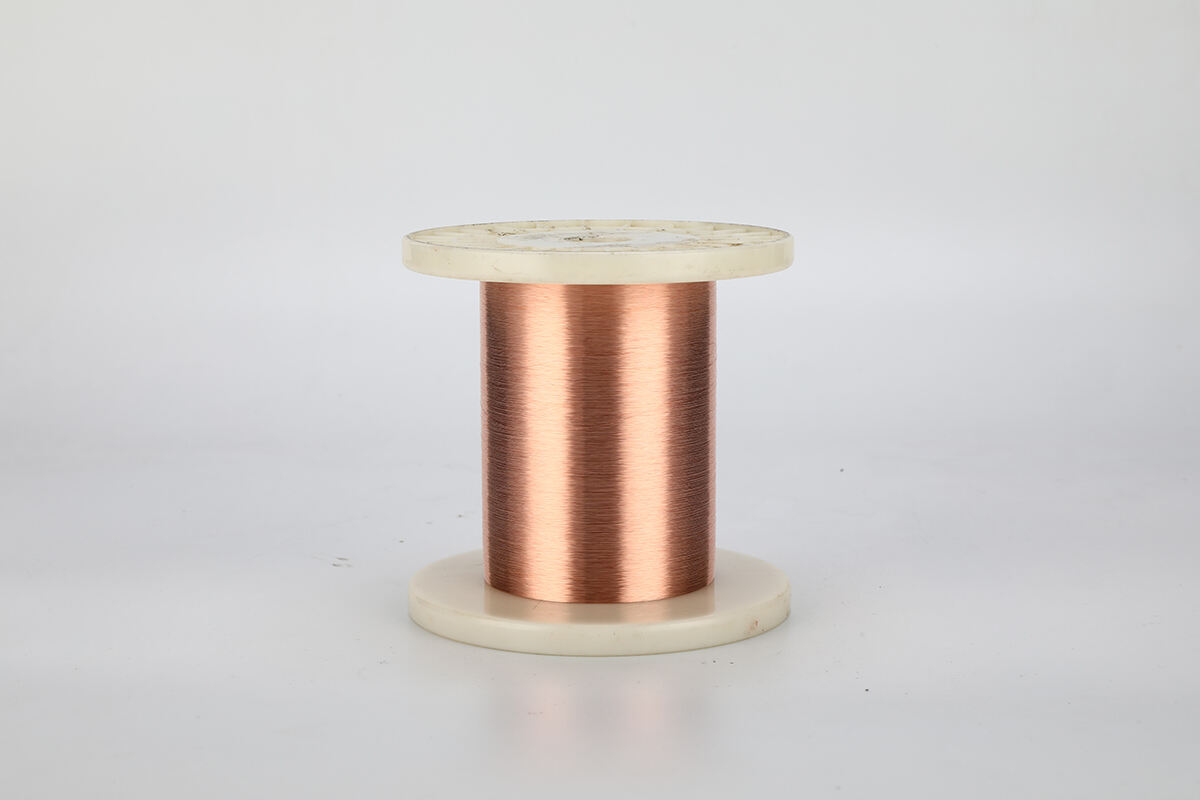
Modern infrastructure projects demand materials that deliver exceptional strength, conductivity, and long-term reliability. Copper clad steel strand wire emerges as a superior solution that combines the electrical conductivity of copper with the mechanical strength of steel, creating an optimal balance for demanding applications. This innovative wire construction offers enhanced stability characteristics that make it indispensable for telecommunications, power transmission, and grounding systems where performance cannot be compromised.
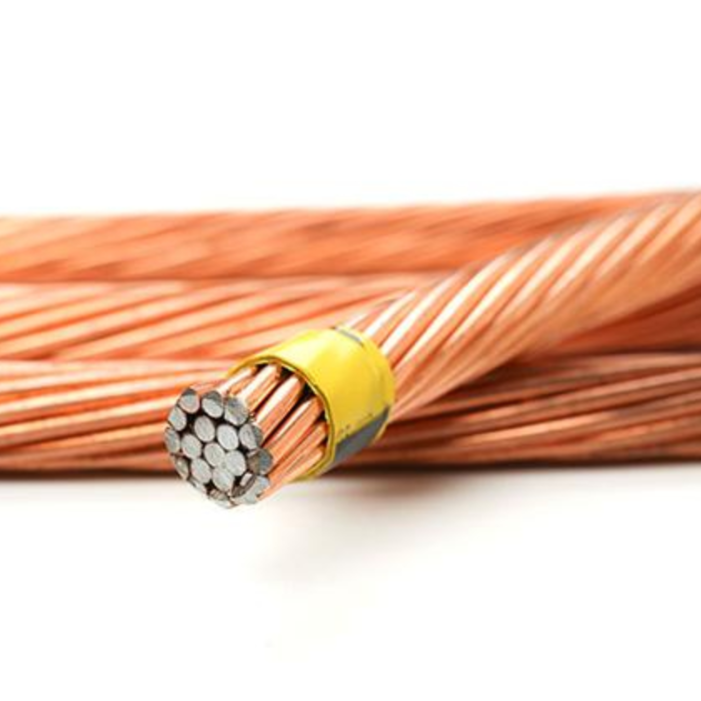
The engineering principles behind copper clad steel strand wire construction deliver measurable advantages across multiple performance metrics. Unlike traditional copper wire, this specialized conductor maintains structural integrity under extreme mechanical stress while preserving excellent electrical characteristics. The steel core provides tensile strength that prevents stretching and breakage during installation and operation, while the copper cladding ensures efficient current flow and corrosion resistance.
Fundamental Characteristics of Copper Clad Steel Construction
Material Composition and Manufacturing Process
The manufacturing process for copper clad steel strand wire involves precision welding or electroplating techniques that bond copper to a high-strength steel core. This creates a metallurgical union where the copper layer typically ranges from 10% to 40% of the total cross-sectional area, depending on application requirements. The steel core maintains the wire's structural backbone while the copper exterior handles current conduction responsibilities.
Advanced production methods ensure uniform copper distribution across the steel surface, eliminating weak points that could compromise performance. The stranding process combines multiple individual copper clad steel wires into configurations ranging from 7 to 37 strands, creating flexible conductors that resist fatigue failure. Quality control measures throughout manufacturing guarantee consistent electrical and mechanical properties across every meter of produced wire.
Electrical Performance Characteristics
Copper clad steel strand wire delivers electrical conductivity typically ranging from 20% to 40% of pure copper, depending on the copper cladding thickness. This conductivity level proves sufficient for many applications while providing significant mechanical advantages. The skin effect at higher frequencies concentrates current flow in the copper cladding, maximizing electrical efficiency where it matters most.
Resistance characteristics remain stable across temperature variations, making this conductor reliable in environments with extreme thermal cycling. The copper cladding also provides excellent corrosion resistance, maintaining electrical performance over decades of service. These properties make copper clad steel strand wire particularly valuable for outdoor installations and underground applications where environmental exposure is unavoidable.
Superior Stability Benefits in Critical Applications
Mechanical Strength Advantages
The steel core construction of copper clad steel strand wire provides tensile strength values typically three to four times higher than equivalent gauge copper wire. This increased strength translates to reduced sag in overhead installations, extended span capabilities between support structures, and improved resistance to wind loading and ice accumulation. The enhanced mechanical properties directly contribute to system stability by minimizing conductor movement and stress concentration points.
Installation procedures benefit significantly from the increased strength characteristics, as copper clad steel strand wire resists damage during pulling operations and maintains integrity when subjected to installation tensions. The combination of flexibility and strength allows for easier routing through conduits and around obstacles while preserving the conductor's structural properties. This durability reduces installation failures and maintenance requirements throughout the system's operational life.
Environmental Stability Performance
Environmental factors that commonly degrade pure copper conductors have minimal impact on copper clad steel strand wire performance. The steel core resists thermal expansion and contraction cycles that can cause pure copper conductors to develop stress fractures over time. This thermal stability maintains consistent electrical connections and reduces the risk of joint failures in critical systems.
Corrosion resistance provided by the copper cladding protects the steel core from environmental exposure while maintaining electrical conductivity at connection points. The galvanic compatibility between copper and steel in this construction eliminates the corrosion concerns typically associated with dissimilar metal contacts. This environmental durability ensures stable performance in coastal, industrial, and underground applications where traditional conductors may fail prematurely.
Applications Where Stability is Critical
Telecommunications Infrastructure
Telecommunications networks rely on copper clad steel strand wire for central office grounding, antenna guy wires, and messenger cables where signal integrity and physical stability are paramount. The conductor's ability to maintain low resistance connections while withstanding mechanical stress ensures reliable communication system performance. Telephone and data transmission systems particularly benefit from the stable electrical characteristics provided by this conductor type.
The reduced weight compared to pure copper alternatives makes copper clad steel strand wire ideal for tower installations and aerial cable support applications. Installation crews can handle longer cable runs with standard equipment, reducing project costs and installation time. The mechanical stability prevents cable movement that could disrupt sensitive telecommunications equipment or create intermittent connection problems.
Power System Grounding Networks
Electrical grounding systems depend on copper clad steel strand wire to provide low-impedance paths for fault currents while maintaining structural integrity under ground movement and thermal cycling. The conductor's superior strength prevents breakage in underground installations where soil shifting and freeze-thaw cycles create ongoing mechanical stress. Power substations and industrial facilities utilize this conductor type to ensure grounding system reliability over multi-decade service periods.
Lightning protection systems incorporate copper clad steel strand wire for down conductors and grounding electrodes because the material can handle high current surges without compromising structural integrity. The combination of electrical conductivity and mechanical strength makes it ideal for applications where both electrical performance and physical durability are essential for system protection.
Installation and Performance Advantages
Cost-Effective Implementation
The material cost savings achieved with copper clad steel strand wire compared to pure copper conductors can reach 50% or more, depending on current copper market prices. These savings extend beyond initial material costs to include reduced transportation expenses due to lower weight and decreased installation labor requirements. The conductor's strength characteristics often allow for reduced support structure requirements, further improving project economics.
Maintenance costs remain lower throughout the system lifecycle because copper clad steel strand wire resists the common failure modes that affect pure copper installations. Reduced conductor replacement requirements and improved connection reliability translate to ongoing operational savings. The extended service life typically associated with this conductor type provides excellent return on investment for infrastructure projects.
Long-Term Reliability Factors
Field experience demonstrates that properly installed copper clad steel strand wire systems maintain stable performance for 30-50 years or more in typical applications. The conductor's resistance to fatigue failure under repeated stress cycles contributes to this longevity, particularly in applications subject to wind-induced vibration or thermal cycling. Connection points maintain low resistance over time because the copper cladding provides a stable interface for termination hardware.
The predictable aging characteristics of copper clad steel strand wire allow engineers to design systems with confidence in long-term performance parameters. Unlike some conductor types that may experience gradual performance degradation, this material maintains stable electrical and mechanical properties throughout its service life. This reliability factor makes it particularly valuable for critical infrastructure applications where system failures have significant consequences.
Frequently Asked Questions
What makes copper clad steel strand wire more stable than pure copper wire
Copper clad steel strand wire achieves superior stability through its steel core construction, which provides three to four times the tensile strength of equivalent pure copper wire. This increased strength prevents stretching, reduces sag in overhead installations, and maintains structural integrity under mechanical stress. The copper cladding preserves electrical conductivity while the steel core handles mechanical loads, creating an optimal balance for demanding applications.
How does environmental exposure affect copper clad steel strand wire performance
Environmental factors have minimal impact on copper clad steel strand wire due to the corrosion-resistant copper cladding and the thermal stability provided by the steel core. The conductor resists degradation from moisture, temperature cycling, and chemical exposure that commonly affect other wire types. This environmental durability maintains stable electrical and mechanical performance throughout extended service periods in harsh conditions.
What applications benefit most from using copper clad steel strand wire
Applications requiring both electrical conductivity and mechanical strength benefit most from copper clad steel strand wire, including telecommunications grounding systems, power system earthing networks, lightning protection installations, and antenna support cables. The conductor excels in outdoor and underground applications where environmental exposure and mechanical stress are primary concerns. Critical infrastructure projects particularly value the long-term reliability and stability characteristics this conductor provides.
How does copper clad steel strand wire compare in terms of installation and maintenance costs
Copper clad steel strand wire typically costs 40-60% less than equivalent pure copper conductors while requiring reduced support structure and installation labor due to its superior strength characteristics. Maintenance costs remain lower throughout the service life because the conductor resists common failure modes affecting copper installations. The extended service life and improved reliability provide excellent return on investment for infrastructure projects requiring long-term performance stability.
Table of Contents
- Fundamental Characteristics of Copper Clad Steel Construction
- Superior Stability Benefits in Critical Applications
- Applications Where Stability is Critical
- Installation and Performance Advantages
-
Frequently Asked Questions
- What makes copper clad steel strand wire more stable than pure copper wire
- How does environmental exposure affect copper clad steel strand wire performance
- What applications benefit most from using copper clad steel strand wire
- How does copper clad steel strand wire compare in terms of installation and maintenance costs