
 EN
EN


Electrical wiring systems form the backbone of modern infrastructure, from residential buildings to industrial complexes. Among the various conductor options available, copper clad aluminium wire has emerged as an innovative solution that combines the best properties of both copper and aluminum materials. This hybrid conductor technology addresses many traditional challenges faced by electrical contractors and engineers while offering significant cost advantages over pure copper alternatives.
The development of copper clad aluminium wire represents a sophisticated engineering approach to conductor design. By bonding a thin layer of copper to an aluminum core through specialized manufacturing processes, this technology creates a conductor that leverages aluminum's lightweight properties while maintaining copper's superior electrical characteristics at the surface where current primarily flows. This innovative design has revolutionized how engineers approach large-scale electrical installations.
Understanding Copper Clad Aluminium Wire Technology
Manufacturing Process and Material Composition
The production of copper clad aluminium wire involves a complex metallurgical process that ensures permanent bonding between the copper cladding and aluminum core. Advanced manufacturing techniques such as continuous casting and rolling, or draw-and-ironing processes, create a molecular bond that prevents delamination under normal operating conditions. The copper layer typically comprises 10-15% of the total conductor volume, strategically positioned to carry the majority of electrical current due to the skin effect phenomenon.
Quality control measures during manufacturing ensure consistent cladding thickness and adherence across the entire wire length. Temperature control, pressure application, and precise material feed rates are critical parameters that determine the final product's electrical and mechanical properties. The resulting conductor maintains the structural integrity of aluminum while providing the corrosion resistance and conductivity characteristics of copper at the current-carrying surface.
Electrical Properties and Performance Characteristics
The electrical performance of copper clad aluminium wire closely matches that of solid copper conductors in most applications. The copper cladding carries approximately 60-80% of the total current at typical operating frequencies due to skin effect, where current naturally concentrates near the conductor surface. This phenomenon makes the copper layer highly effective for current conduction while the aluminum core provides structural support and reduces overall weight.
Impedance characteristics, voltage drop calculations, and ampacity ratings for copper clad aluminium wire are well-established through extensive testing and standardization efforts. The conductor exhibits excellent high-frequency performance, making it suitable for data transmission applications and power distribution systems operating at various frequencies. Thermal expansion coefficients and temperature-related resistance changes are predictable and fall within acceptable ranges for most electrical applications.
Cost-Effectiveness and Economic Benefits
Material Cost Advantages
One of the most compelling advantages of copper clad aluminium wire lies in its significant cost reduction compared to solid copper conductors. With copper prices experiencing substantial volatility in global markets, the aluminum core provides cost stability while maintaining performance standards. Project budgets can realize savings of 30-50% on conductor costs alone, which translates to substantial overall project savings on large installations.
The economic benefits extend beyond initial material costs to include reduced transportation expenses due to lower weight, decreased installation labor costs, and simplified handling procedures. These cumulative savings make copper clad aluminium wire an attractive option for budget-conscious projects without compromising electrical performance or safety standards. Long-term cost analysis often reveals even greater advantages when considering the conductor's durability and maintenance requirements.
Installation and Labor Cost Reduction
The lightweight nature of copper clad aluminium wire significantly reduces installation labor costs and complexity. Electrical contractors report faster installation times due to easier handling and reduced physical strain on installation crews. Cable pulling forces are substantially lower, reducing the need for heavy-duty pulling equipment and minimizing the risk of conductor damage during installation.
Reduced weight also translates to lower requirements for cable support systems, conduit sizing, and structural load considerations. This copper clad aluminium wire characteristic allows for more flexible routing options and can reduce overall installation costs in complex building environments. The ease of termination and connection procedures further contributes to labor cost savings throughout the installation process.
Performance Advantages in Electrical Applications
Corrosion Resistance and Durability
The copper cladding provides excellent corrosion resistance, protecting the underlying aluminum core from environmental factors that could compromise conductor performance. This protection is particularly important in harsh industrial environments, coastal areas with salt exposure, or underground installations where moisture and chemical exposure are concerns. The copper surface maintains its protective properties over extended periods, ensuring long-term reliability.
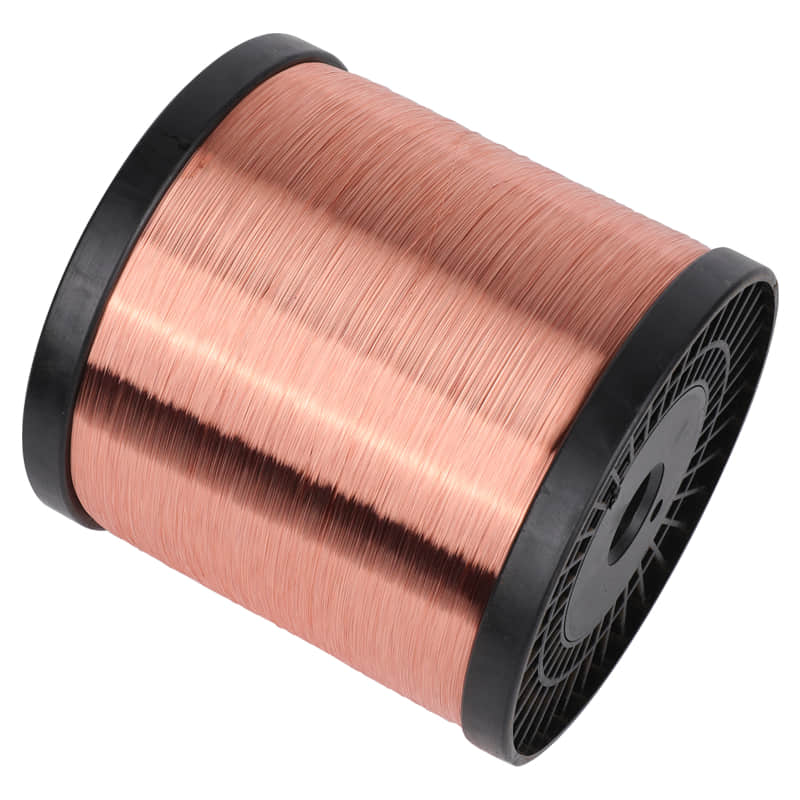
Galvanic corrosion concerns that typically affect aluminum conductors in contact with dissimilar metals are largely eliminated due to the copper surface layer. This characteristic allows for standard connection practices and termination hardware without special precautions or dissimilar metal concerns. The result is improved system reliability and reduced maintenance requirements over the conductor's operational lifetime.
Mechanical Properties and Flexibility
Copper clad aluminium wire exhibits excellent mechanical properties that facilitate installation and ensure reliable long-term performance. The aluminum core provides structural strength while maintaining flexibility for routing through complex pathways and around obstacles. Bend radius requirements are typically less restrictive than solid copper conductors of equivalent current-carrying capacity.
The conductor's fatigue resistance and ability to withstand repeated flexing make it suitable for applications involving movement or vibration. Industrial machinery connections, mobile equipment applications, and installations subject to thermal cycling benefit from these mechanical characteristics. The copper cladding helps prevent work hardening and maintains conductor integrity under dynamic loading conditions.
Applications and Industry Usage
Power Distribution Systems
Power distribution applications represent the largest market segment for copper clad aluminium wire technology. Utility companies utilize these conductors for transmission lines, distribution networks, and substation connections where weight reduction and cost savings are critical factors. The conductor's performance characteristics meet or exceed requirements for voltage regulation, power quality, and system reliability in utility applications.
Industrial power distribution systems benefit from the conductor's ability to handle high current loads while maintaining manageable installation requirements. Manufacturing facilities, data centers, and large commercial buildings increasingly specify copper clad aluminium wire for main feeders and distribution panels. The conductor's proven performance in these demanding applications has established its credibility among electrical engineers and system designers.
Telecommunications and Data Applications
The telecommunications industry has embraced copper clad aluminium wire for various applications including coaxial cables, antenna feeds, and grounding systems. The conductor's high-frequency performance characteristics make it suitable for radio frequency applications where skin effect concentrates current flow in the copper cladding layer. Signal integrity and transmission quality remain excellent while achieving significant cost and weight reductions.
Data center and network infrastructure applications utilize copper clad aluminium wire for power distribution and grounding systems. The conductor's electromagnetic compatibility characteristics and reliable performance under high-frequency switching conditions make it well-suited for modern electronic environments. Installation flexibility and reduced infrastructure requirements provide additional advantages in space-constrained data center environments.
Environmental and Sustainability Benefits
Resource Conservation and Recycling
The use of copper clad aluminium wire contributes to resource conservation by reducing copper consumption while maintaining electrical performance standards. This approach helps preserve copper resources for applications where solid copper is absolutely necessary, supporting more sustainable resource utilization across the electrical industry. The aluminum core utilizes abundant aluminum resources more efficiently than traditional all-copper solutions.
Recycling programs for copper clad aluminium wire have developed sophisticated separation techniques that recover both copper and aluminum materials for reuse. End-of-life conductor processing has become increasingly efficient, with specialized facilities capable of separating the materials while maintaining their value for future applications. This recycling capability supports circular economy principles and reduces environmental impact compared to traditional disposal methods.
Energy Efficiency in Transportation and Installation
The reduced weight of copper clad aluminium wire translates to lower energy consumption during transportation from manufacturing facilities to installation sites. Shipping costs and fuel consumption are reduced, contributing to lower carbon footprint for electrical projects. This environmental benefit becomes more significant for large projects requiring substantial conductor quantities.
Installation energy requirements are also reduced due to lighter weight and easier handling characteristics. Construction equipment operates more efficiently, and reduced labor intensity contributes to overall energy savings during project execution. These cumulative environmental benefits make copper clad aluminium wire an attractive choice for environmentally conscious projects and green building initiatives.
Technical Specifications and Standards
Industry Standards and Certification Requirements
Copper clad aluminium wire manufacturing and application are governed by comprehensive industry standards that ensure safety, performance, and reliability. Organizations such as ASTM International, IEEE, and various national standards bodies have developed specific requirements for conductor design, testing, and installation practices. These standards provide guidance for engineers and contractors regarding proper application and installation techniques.
Certification programs verify that copper clad aluminium wire products meet established performance criteria through rigorous testing protocols. Electrical properties, mechanical strength, environmental resistance, and long-term reliability are evaluated according to standardized procedures. Third-party certification provides assurance to specifying engineers and regulatory authorities that products will perform as expected in their intended applications.
Testing and Quality Assurance Procedures
Quality assurance programs for copper clad aluminium wire include comprehensive testing at multiple stages of manufacturing and installation. Electrical testing verifies conductivity, impedance, and current-carrying capacity while mechanical testing ensures adequate strength and flexibility characteristics. Environmental testing evaluates performance under various temperature, humidity, and chemical exposure conditions.
Field testing procedures have been developed to verify installation quality and conductor performance after installation. These procedures include resistance measurements, insulation testing, and connection integrity verification. Regular monitoring and maintenance protocols help ensure continued reliable performance throughout the conductor's service life, supporting long-term system reliability and safety.
FAQ
How does the performance of copper clad aluminium wire compare to solid copper wire
Copper clad aluminium wire performs very similarly to solid copper wire in most electrical applications due to the skin effect phenomenon, where current naturally flows near the conductor surface where the copper cladding is located. The copper layer carries the majority of current while the aluminum core provides structural support and weight reduction. Electrical characteristics such as ampacity, voltage drop, and impedance are comparable to solid copper conductors of similar size, making it a suitable replacement in many applications.
What are the connection and termination requirements for copper clad aluminium wire
Connection and termination of copper clad aluminium wire follows standard practices similar to solid copper conductors due to the copper surface layer. Standard copper termination hardware and connection methods can be used without special precautions for dissimilar metals. Proper torque specifications, anti-oxidant compounds, and standard electrical connection practices ensure reliable long-term performance. The copper cladding eliminates many of the connection concerns traditionally associated with aluminum conductors.
Is copper clad aluminium wire suitable for high-frequency applications
Yes, copper clad aluminium wire is well-suited for high-frequency applications because the skin effect concentrates current flow in the copper cladding layer at higher frequencies. This makes the conductor particularly effective for radio frequency applications, telecommunications systems, and power systems with significant harmonic content. The copper surface provides excellent conductivity for high-frequency signals while the aluminum core reduces weight and cost compared to solid copper alternatives.
What maintenance considerations apply to copper clad aluminium wire installations
Copper clad aluminium wire installations require minimal maintenance due to the corrosion-resistant copper cladding and stable connection characteristics. Regular inspection of connections and terminations follows standard electrical maintenance practices without special requirements for aluminum conductors. The copper surface prevents oxidation and maintains reliable electrical contact over time. Periodic thermal imaging and electrical testing can verify continued proper performance, but maintenance requirements are generally less demanding than traditional aluminum conductor installations.
Table of Contents
- Understanding Copper Clad Aluminium Wire Technology
- Cost-Effectiveness and Economic Benefits
- Performance Advantages in Electrical Applications
- Applications and Industry Usage
- Environmental and Sustainability Benefits
- Technical Specifications and Standards
-
FAQ
- How does the performance of copper clad aluminium wire compare to solid copper wire
- What are the connection and termination requirements for copper clad aluminium wire
- Is copper clad aluminium wire suitable for high-frequency applications
- What maintenance considerations apply to copper clad aluminium wire installations
