EN
EN



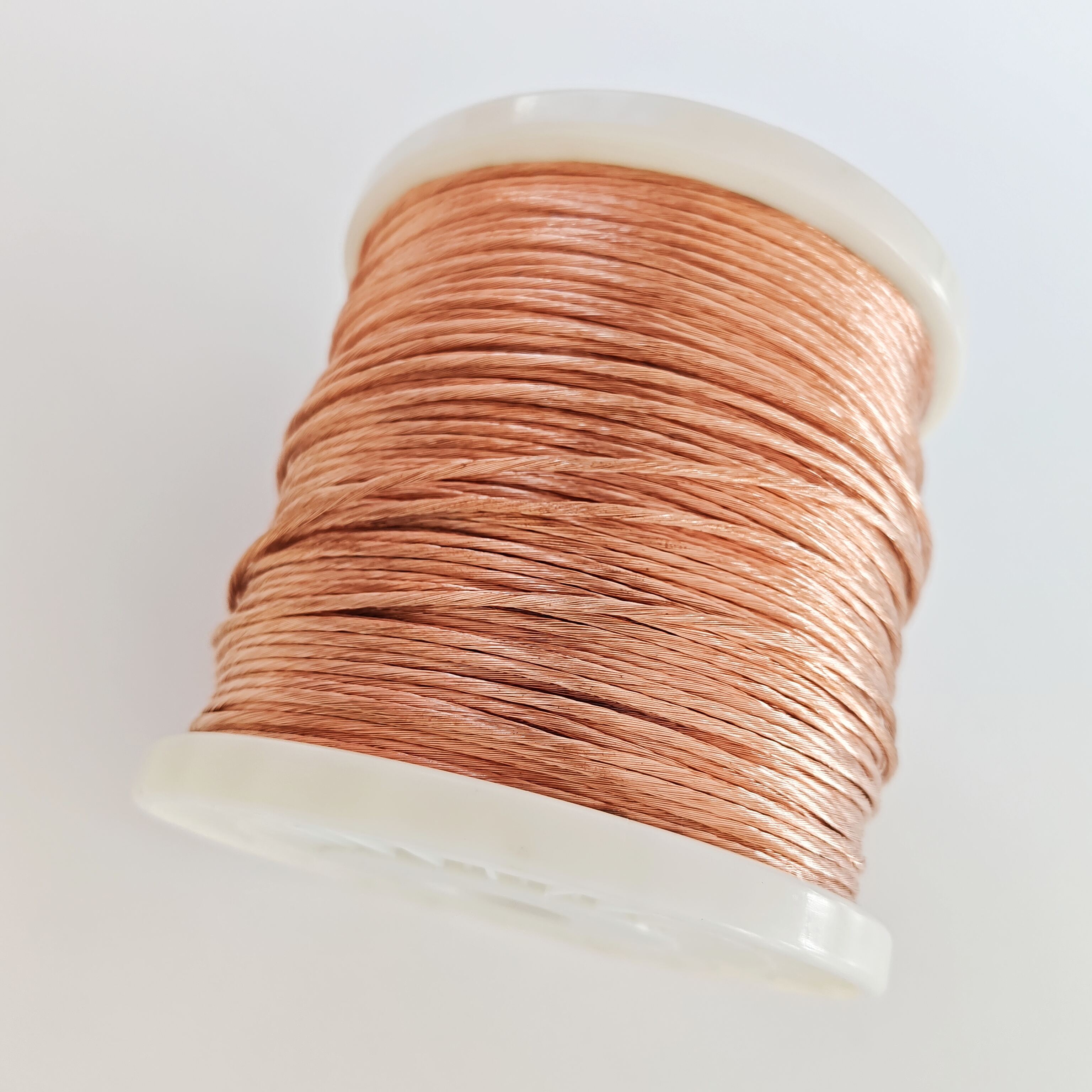
The electronics industry has evolved dramatically over the past few decades, with manufacturers constantly seeking materials that offer superior performance, reliability, and cost-effectiveness. Among the most critical components in electronic applications, copper strip stands out as an indispensable material that forms the backbone of countless electronic devices. From smartphones and laptops to industrial control systems and automotive electronics, copper strip provides the essential conductive pathways that enable modern technology to function seamlessly. Understanding the advantages of copper strip in electronics applications reveals why this versatile material continues to dominate the industry despite the availability of alternative conductive materials.
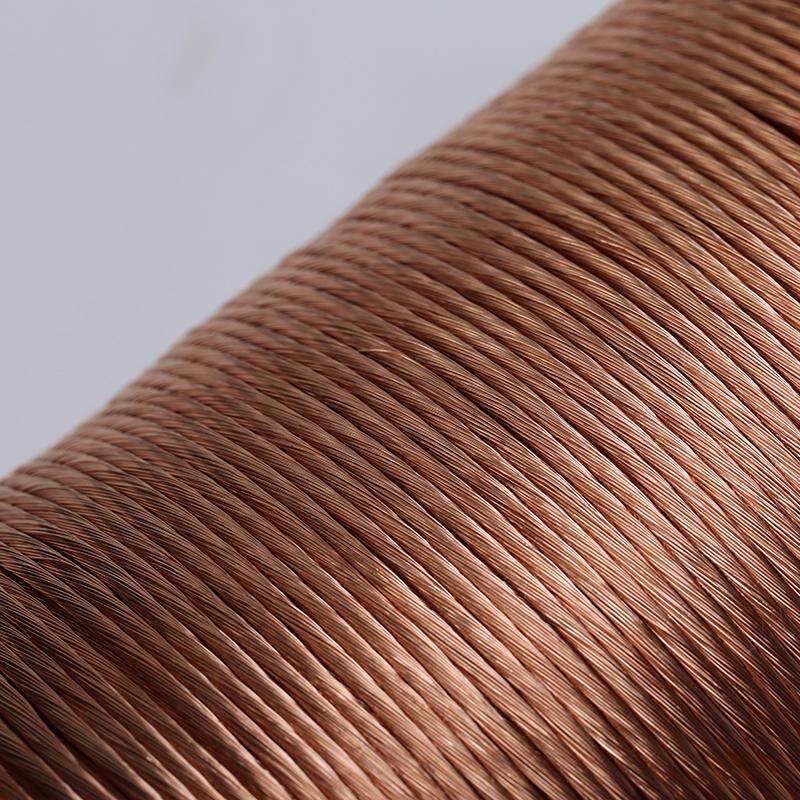
Superior Electrical Conductivity Properties
Exceptional Conductance Performance
Copper strip delivers outstanding electrical conductivity that significantly exceeds most other commercially available conductive materials. With a conductivity rating of approximately 59.6 million siemens per meter, copper strip enables efficient current flow with minimal resistance losses. This exceptional conductance translates directly into improved device performance, reduced energy consumption, and enhanced overall system efficiency. Electronic devices utilizing copper strip components experience lower operating temperatures due to reduced resistive heating, which contributes to extended component lifespan and improved reliability.
The molecular structure of copper creates an ideal environment for electron movement, allowing electric current to flow with remarkable ease through copper strip applications. This fundamental property makes copper strip the preferred choice for high-frequency applications where signal integrity is paramount. Engineers designing sophisticated electronic systems rely on copper strip to maintain signal quality while minimizing electromagnetic interference that could compromise device functionality.
Consistent Performance Across Temperature Ranges
Temperature stability represents another crucial advantage of copper strip in electronic applications. Unlike many alternative materials that experience significant conductivity variations across different temperature ranges, copper strip maintains relatively stable electrical properties from extremely low temperatures to elevated operating conditions. This thermal stability ensures consistent device performance regardless of environmental conditions or operational demands.
The temperature coefficient of resistance for copper strip remains predictable and manageable, allowing engineers to design circuits with confidence that performance characteristics will remain within acceptable parameters throughout the device's operational life. This reliability factor makes copper strip particularly valuable in applications where environmental conditions vary significantly or where precise electrical performance is essential for proper system operation.
Mechanical Durability and Flexibility
Exceptional Malleability for Complex Designs
The mechanical properties of copper strip provide significant advantages for electronic device manufacturing and design flexibility. Copper's natural malleability allows manufacturers to form copper strip into complex shapes, tight bends, and intricate configurations without compromising structural integrity or electrical performance. This flexibility enables designers to create compact electronic layouts that maximize functionality while minimizing overall device size and weight.
Manufacturing processes benefit tremendously from the workability of copper strip, as the material can withstand repeated forming operations, stamping procedures, and precision machining without developing cracks or stress fractures. This durability reduces production waste, improves manufacturing yield rates, and enables the creation of sophisticated electronic components that would be impossible or impractical with less malleable materials.
Vibration Resistance and Structural Integrity
Electronic devices frequently operate in environments subject to mechanical stress, vibration, and physical impact. Copper strip demonstrates excellent resistance to fatigue failures that commonly affect other conductive materials under cyclic loading conditions. The crystalline structure of copper allows it to absorb and distribute mechanical stresses effectively, preventing the formation of stress concentrations that could lead to premature failure.
Applications in automotive electronics, aerospace systems, and industrial equipment particularly benefit from the mechanical robustness of copper strip. These demanding environments require conductive materials that can maintain electrical continuity while withstanding significant mechanical challenges throughout extended operational periods.
Corrosion Resistance and Longevity
Natural Oxidation Protection
The corrosion resistance characteristics of copper strip contribute significantly to the long-term reliability of electronic systems. When exposed to atmospheric conditions, copper naturally forms a protective oxide layer that prevents further oxidation and maintains electrical continuity over extended periods. This self-protecting mechanism eliminates the need for expensive protective coatings in many applications while ensuring consistent performance throughout the device's operational life.
Unlike materials that require extensive surface treatments or protective measures, copper strip provides inherent resistance to environmental degradation. This natural protection reduces maintenance requirements, extends service intervals, and minimizes the total cost of ownership for electronic systems incorporating copper strip components.
Chemical Compatibility and Environmental Stability
Chemical compatibility represents another important advantage of copper strip in electronic applications. The material demonstrates excellent resistance to most chemicals commonly encountered in electronic manufacturing processes, cleaning procedures, and operational environments. This chemical stability ensures that copper strip maintains its electrical and mechanical properties even when exposed to various solvents, fluxes, and other substances used in electronic assembly operations.
Environmental factors such as humidity, temperature cycling, and atmospheric pollutants have minimal impact on the performance characteristics of copper strip. This environmental stability makes copper strip suitable for electronic applications in challenging conditions where other materials might deteriorate rapidly or require extensive protection measures.
Cost-Effectiveness and Manufacturing Advantages
Economic Benefits and Material Availability
The cost-effectiveness of copper strip provides compelling advantages for electronic manufacturers seeking to balance performance requirements with economic constraints. Copper remains relatively abundant and readily available compared to precious metals like silver or gold, making copper strip an economically viable solution for large-scale electronic production. The established supply chain infrastructure for copper ensures consistent availability and stable pricing for manufacturers planning long-term production schedules.
Manufacturing costs benefit significantly from the processability of copper strip. The material's excellent machining characteristics, forming properties, and joining capabilities reduce production complexity and minimize specialized tooling requirements. These factors contribute to lower overall manufacturing costs while maintaining high quality standards and production efficiency.
Recycling and Sustainability Considerations
Sustainability concerns increasingly influence material selection decisions in electronic design and manufacturing. Copper strip offers excellent recyclability characteristics, allowing manufacturers to recover and reuse copper content from end-of-life electronic products. This recycling capability supports circular economy principles while reducing environmental impact and material costs for future production cycles.
The energy requirements for processing recycled copper strip are significantly lower than those needed for primary copper production, making copper strip an environmentally responsible choice for electronics applications. This sustainability advantage aligns with corporate environmental goals while providing tangible cost benefits through reduced material expenses and waste disposal requirements.
Advanced Applications and Future Developments
High-Frequency and Signal Integrity Applications
Modern electronic systems increasingly operate at higher frequencies, demanding conductive materials that can maintain signal integrity across broad frequency ranges. Copper strip excels in high-frequency applications due to its low skin effect losses and excellent electromagnetic shielding properties. These characteristics make copper strip essential for radio frequency circuits, microwave applications, and high-speed digital systems where signal quality directly impacts system performance.
The surface characteristics of copper strip can be optimized through various treatments and processing techniques to further enhance high-frequency performance. These advanced copper strip configurations enable the development of sophisticated electronic systems that push the boundaries of current technology while maintaining reliability and performance standards.
Emerging Technologies and Innovation Opportunities
Technological advancement continues to create new applications and opportunities for copper strip in electronic systems. Flexible electronics, wearable devices, and Internet of Things applications increasingly rely on copper strip to provide reliable electrical connections in compact, lightweight configurations. The material's combination of conductivity, flexibility, and durability makes it ideally suited for these emerging applications.
Research and development efforts focus on enhancing the properties of copper strip through alloying, surface treatments, and advanced processing techniques. These innovations promise to expand the application range of copper strip while improving performance characteristics and enabling new technological possibilities in electronic system design and manufacturing.
FAQ
What makes copper strip superior to aluminum for electronic applications
Copper strip offers significantly higher electrical conductivity compared to aluminum, approximately 60% better conductance performance. Additionally, copper strip provides superior corrosion resistance, better mechanical properties including flexibility and durability, and more reliable electrical connections over time. While aluminum is lighter and less expensive, copper strip delivers better overall performance for most electronic applications where conductivity and reliability are priorities.
How does copper strip perform in high-temperature electronic environments
Copper strip maintains excellent electrical conductivity and mechanical integrity across a wide temperature range, typically from -200°C to over 200°C in most electronic applications. The material's thermal stability ensures consistent performance characteristics even under temperature cycling conditions. Copper strip also provides excellent thermal conductivity, helping to dissipate heat generated in electronic circuits and contributing to overall system thermal management.
Can copper strip be used in flexible electronic applications
Yes, copper strip is exceptionally well-suited for flexible electronic applications due to its natural malleability and ductility. The material can withstand repeated bending and flexing without losing electrical continuity or developing fatigue cracks. Copper strip maintains its conductivity and mechanical properties through thousands of flex cycles, making it ideal for applications such as flexible printed circuits, wearable electronics, and moving electrical connections.
What surface treatments are available for copper strip to enhance performance
Various surface treatments can be applied to copper strip to enhance specific properties. Common treatments include tin plating for improved solderability and corrosion resistance, nickel plating for enhanced durability and electrical contact performance, and silver plating for maximum conductivity in high-frequency applications. These surface treatments allow copper strip to be optimized for specific electronic applications while maintaining the base material's excellent conductivity and mechanical properties.