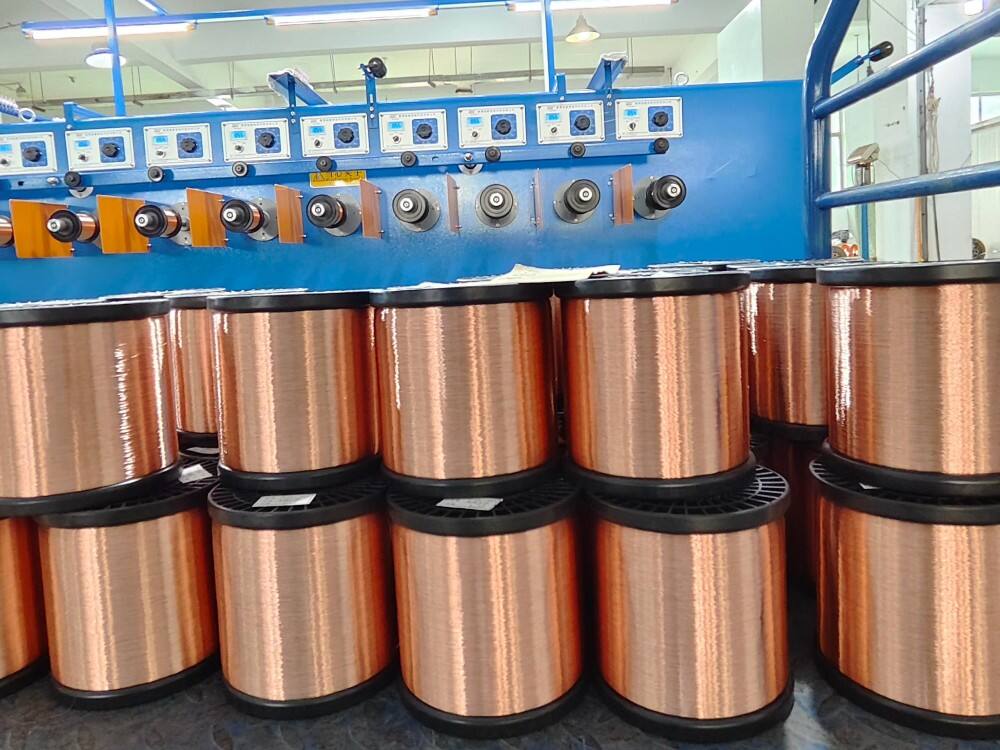
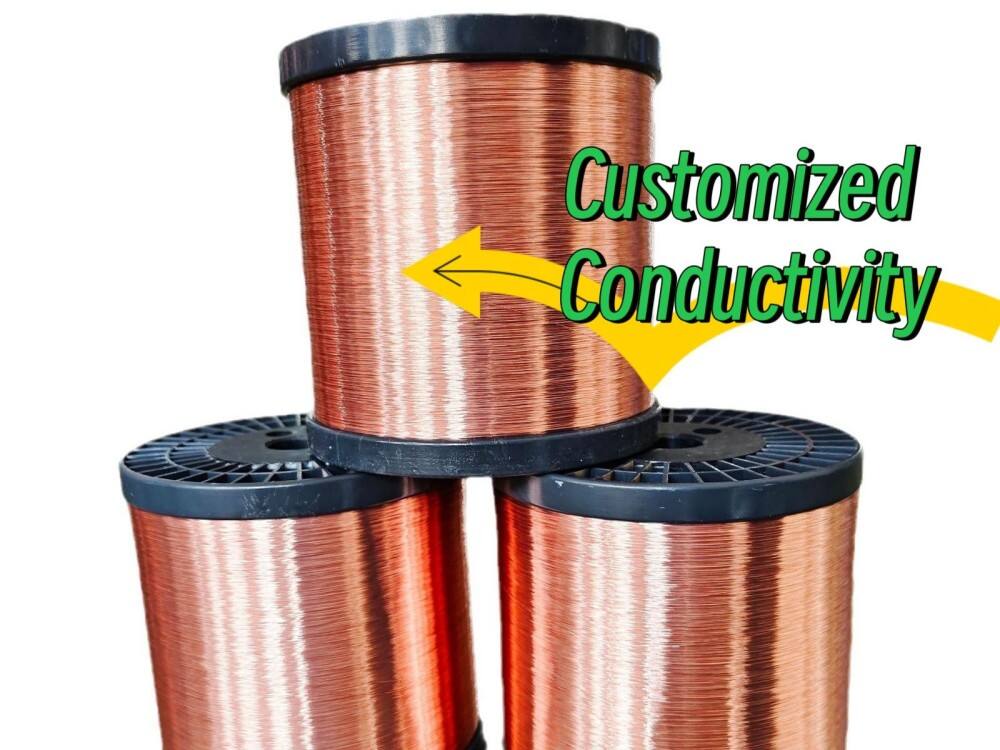
Stranded Wire Types: Advanced Flexible Conductors for Superior Electrical Performance

Get a Free Quote

Our representative will contact you soon.
Email
Name
Company Name
Title
Message
0/1000

stranded wire types

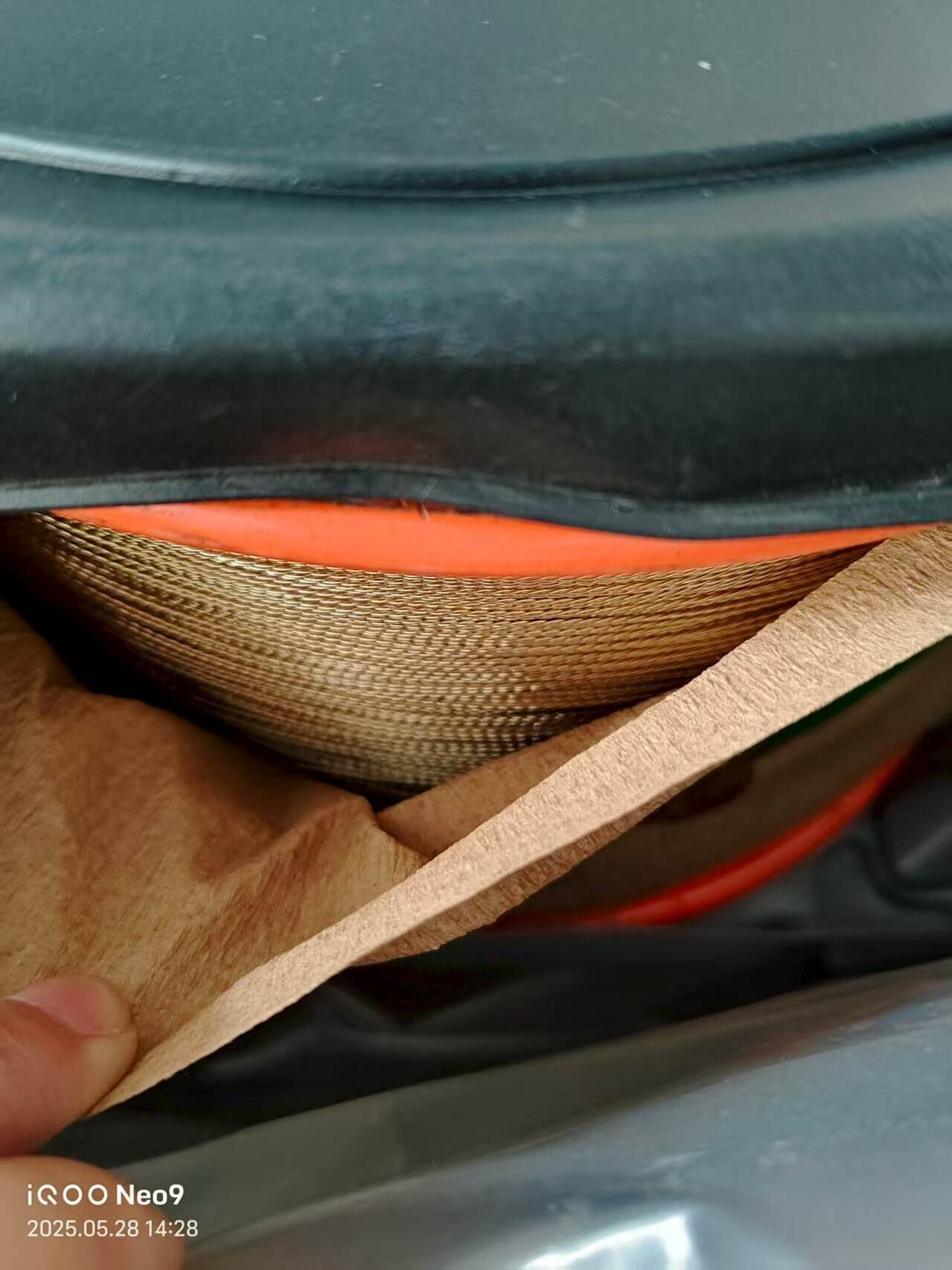
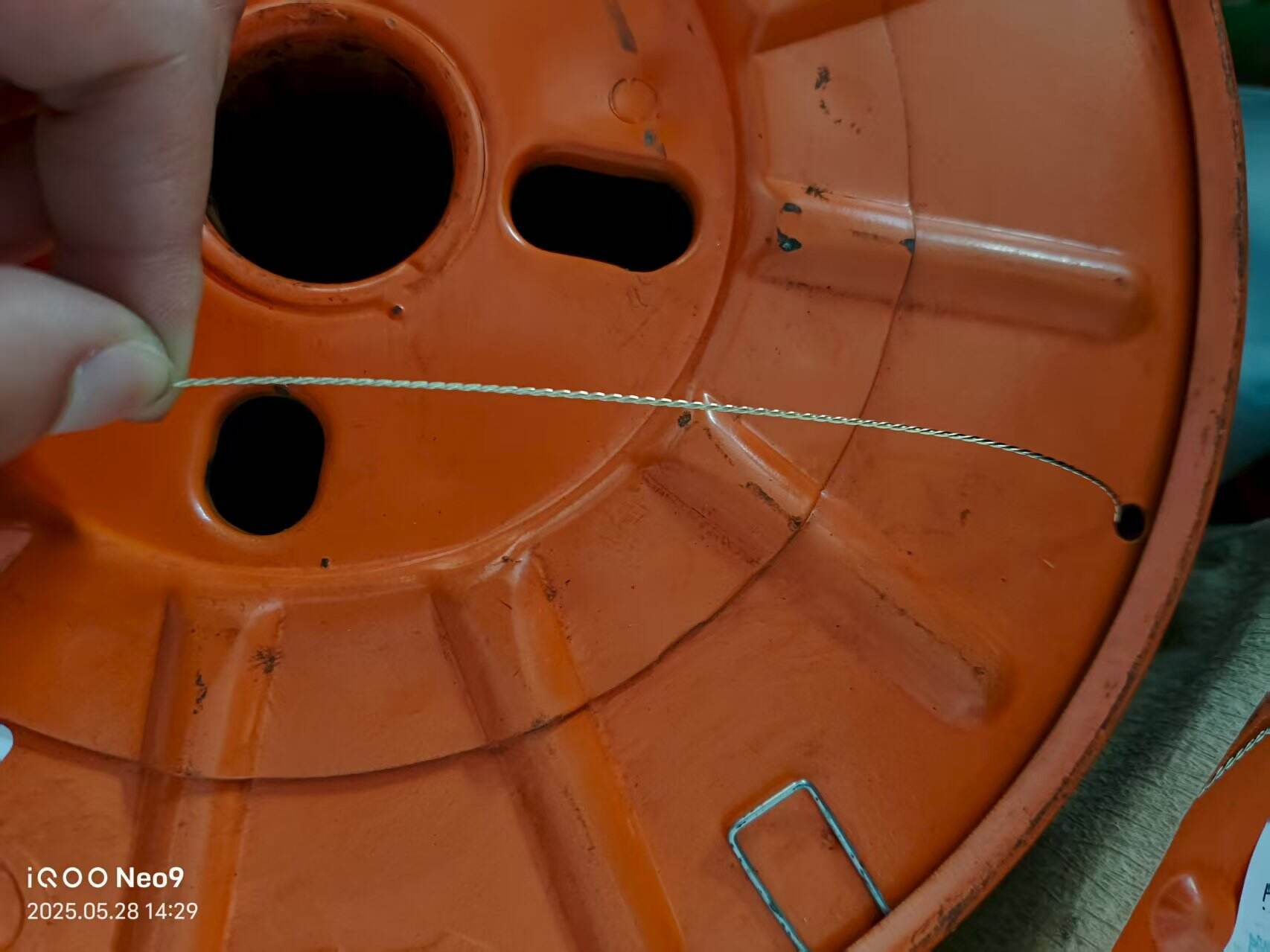
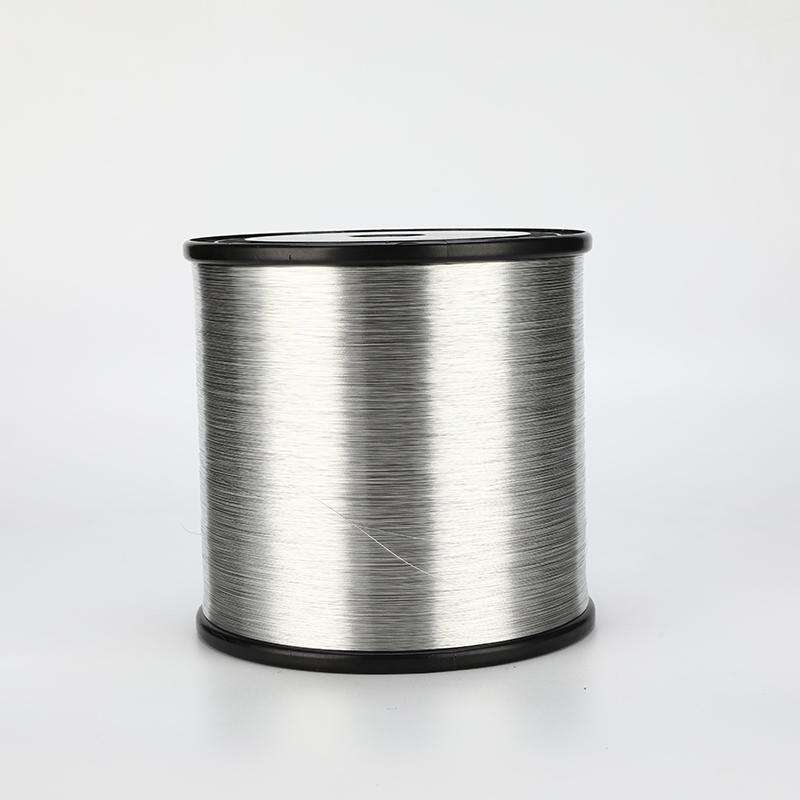
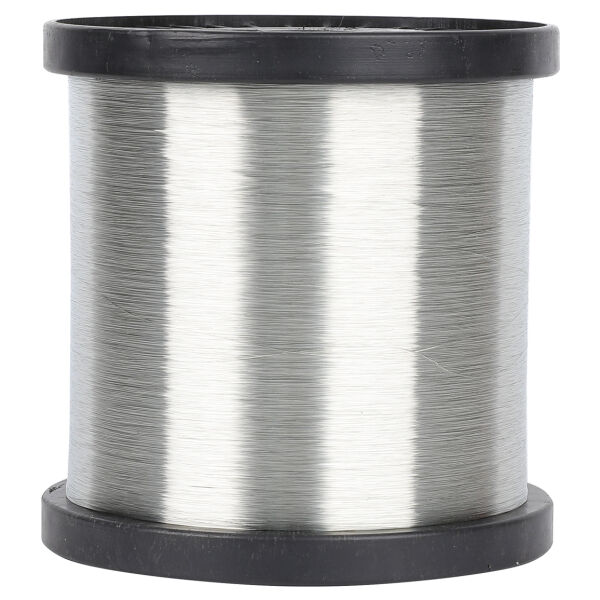
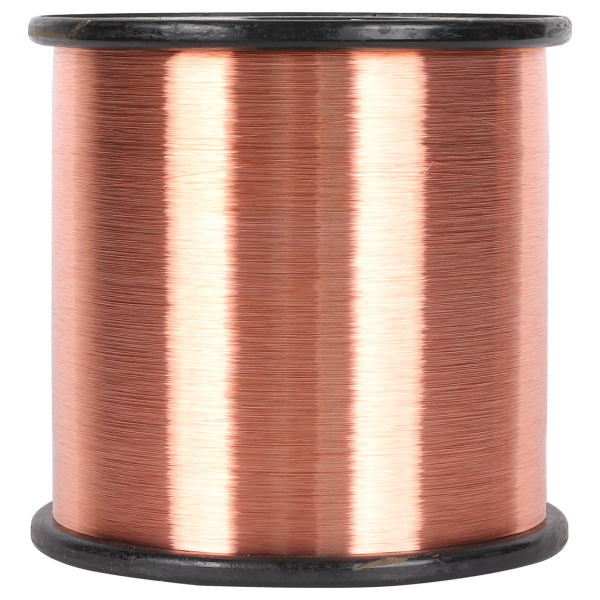
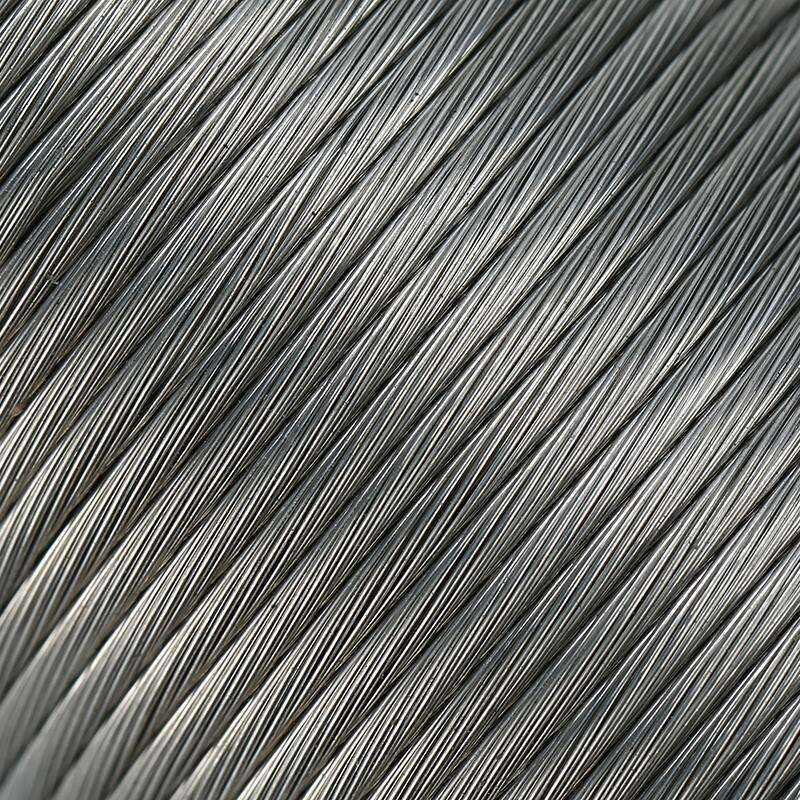
Stranded wire types represent a sophisticated evolution in electrical conductor design, consisting of multiple smaller wires twisted together to form a single conductor. These wires come in various configurations, including concentric, rope lay, and bunch stranded designs, each serving specific applications. The fundamental structure involves a central wire surrounded by one or more layers of helically wrapped wires, creating a flexible and durable conductor. Common variants include Class B, Class C, and Class D stranding, offering different levels of flexibility and conductor count. The manufacturing process ensures optimal electrical conductivity while maintaining mechanical strength. These wires are particularly valued in applications requiring frequent movement or installation in tight spaces, making them ideal for both industrial and commercial uses. The design allows for superior flexibility compared to solid conductors, while maintaining excellent electrical properties. Stranded wires are available in various materials, including copper, aluminum, and their alloys, each offering specific advantages for different applications. The stranding pattern and number of individual wires directly influence the wire's characteristics, affecting everything from bend radius to current carrying capacity.
Popular Products

Stranded wire types offer numerous compelling advantages that make them the preferred choice in many electrical applications. The primary benefit lies in their exceptional flexibility, allowing for easy installation in complex routing situations and reducing the risk of wire fatigue in applications involving movement. This flexibility translates to improved durability and longer service life, particularly in environments with vibration or frequent bending. The multiple-wire construction provides superior current distribution compared to solid conductors, resulting in better heat dissipation and increased current carrying capacity. The design also offers enhanced resistance to mechanical stress and vibration, making these wires particularly suitable for mobile equipment and machinery. Installation efficiency is significantly improved due to the wire's malleable nature, reducing labor time and costs. The stranded construction provides better resistance to breakage under repeated flexing, making it ideal for applications in robotics and automated systems. In terms of electrical performance, stranded wires exhibit excellent conductivity while maintaining mechanical integrity. Their design allows for better performance in high-frequency applications due to reduced skin effect. The multiple pathways for current flow ensure continued operation even if individual strands are damaged. These wires also demonstrate superior heat resistance and maintain their flexibility across a wide temperature range, making them suitable for various environmental conditions. The versatility of stranded wire types extends to their compatibility with different connection methods and termination systems.

Tips And Tricks

Innovation Breakthrough: Non-magnetic copper-clad steel brings New opportunities

27

Jun

Innovation Breakthrough: Non-magnetic copper-clad steel brings New opportunities

View More
The Necessity of Rohs Certification for Copper-Clad Steel Wire Rods

30

Jun

The Necessity of Rohs Certification for Copper-Clad Steel Wire Rods

View More
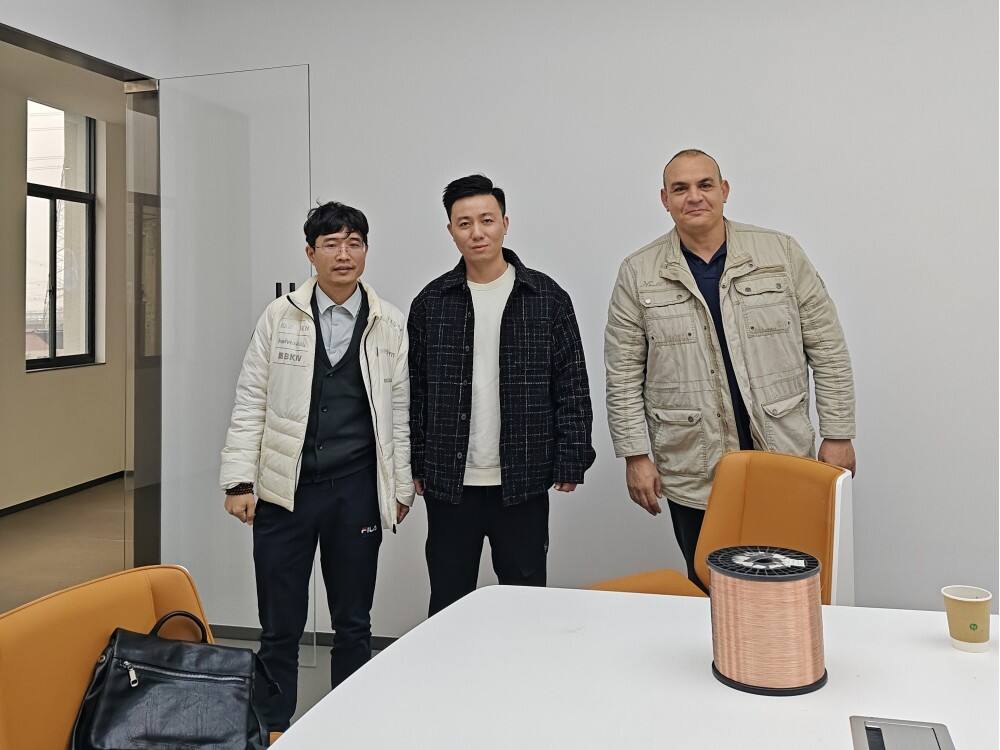
Foreign Clients Visited and Conducted an In-depth Inspection of the Factory

27

Jun

Foreign Clients Visited and Conducted an In-depth Inspection of the Factory

View More

Get a Free Quote

Our representative will contact you soon.
Email
Name
Company Name
Title
Message
0/1000

stranded wire types

Enhanced Flexibility and Durability

Enhanced Flexibility and Durability

The distinctive construction of stranded wire types delivers unparalleled flexibility while maintaining structural integrity. This unique characteristic stems from the deliberate arrangement of multiple smaller conductors, allowing the wire to bend and flex without compromising its electrical or mechanical properties. The design incorporates carefully calculated lay lengths and strand patterns that work together to distribute mechanical stress evenly across the conductor assembly. This engineering approach results in a wire that can withstand repeated bending cycles while maintaining its original shape and performance characteristics. The enhanced flexibility proves particularly valuable in applications requiring frequent movement or installation in confined spaces, where rigid conductors would be impractical or prone to failure. The durability aspect is further reinforced by the wire's ability to resist metal fatigue, making it an excellent choice for long-term installations in dynamic environments.
Superior Current Distribution

Superior Current Distribution

Stranded wire types excel in their ability to efficiently distribute electrical current across multiple pathways, resulting in optimized performance and improved safety. The multiple strand design creates numerous parallel conductors, effectively reducing the overall impedance and improving current handling capacity. This configuration allows for better heat dissipation compared to solid conductors, as the increased surface area of the individual strands facilitates more efficient cooling. The improved current distribution also helps minimize the effects of electromagnetic interference and reduces power losses due to the skin effect at higher frequencies. The multiple current paths provide redundancy, ensuring continued operation even if some strands become damaged. This characteristic is particularly valuable in critical applications where maintaining electrical continuity is essential.
Installation and Cost Efficiency

Installation and Cost Efficiency

The practical benefits of stranded wire types extend significantly to installation efficiency and long-term cost effectiveness. The inherent flexibility of these conductors dramatically reduces installation time and effort, particularly in applications involving complex routing paths or tight bends. This ease of installation translates directly to labor cost savings and reduced risk of damage during the installation process. The wire's ability to conform to various configurations without requiring excessive force helps prevent installation-related stress on both the conductor and connected equipment. The long-term cost benefits are realized through reduced maintenance requirements and extended service life, as the stranded construction better resists mechanical fatigue and environmental stress. Additionally, the wire's ability to maintain consistent performance over time reduces the need for premature replacement, contributing to lower lifecycle costs.

Get a Free Quote

Our representative will contact you soon.
Email
Name
Company Name
Title
Message
0/1000
Contact Us Stranded Wire Types: Advanced Flexible Conductors for Superior Electrical Performance

Copyright © 2025 Changzhou Yuzisenhan Electronic Co.,Ltd. All right reserved  -  Privacy policy