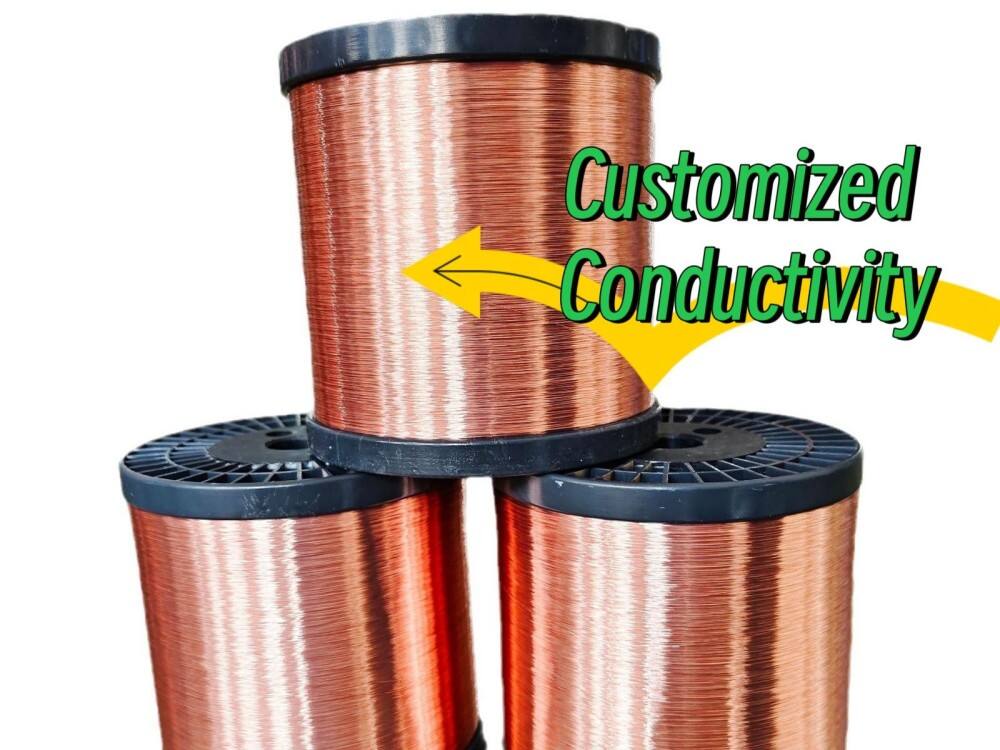
soldering stranded wire
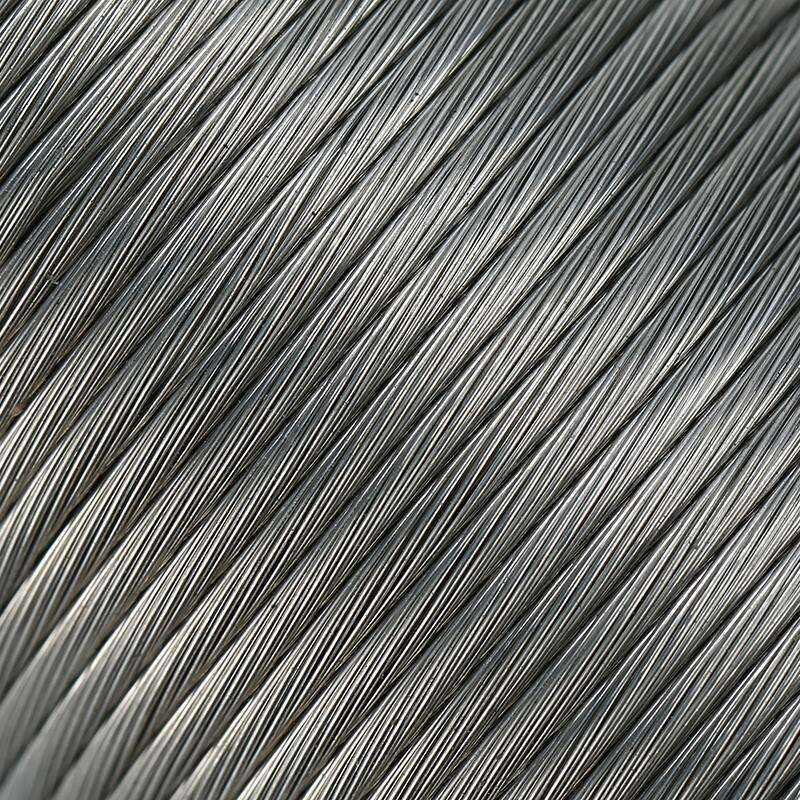
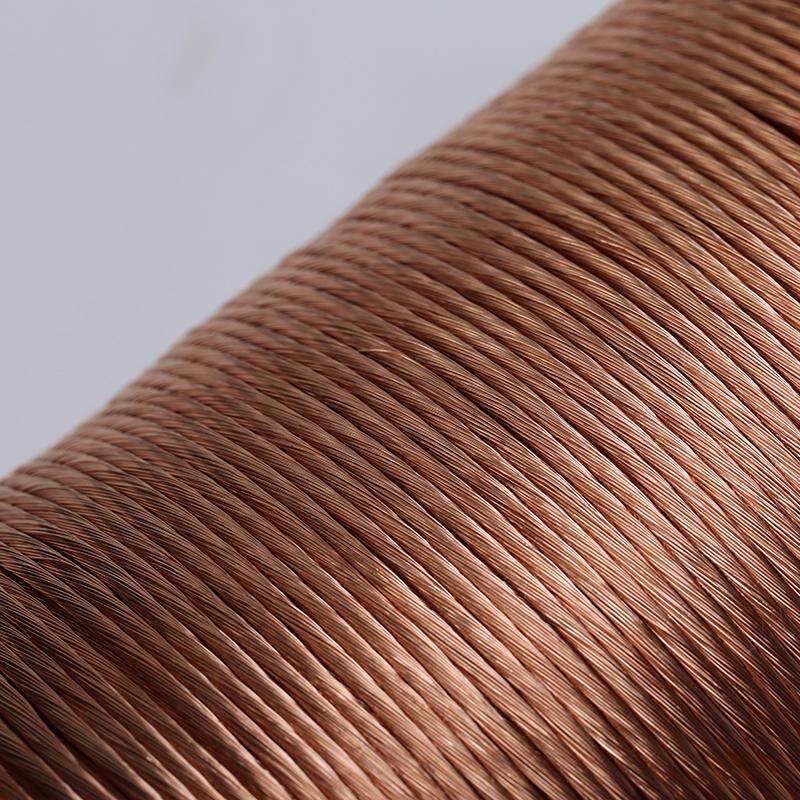
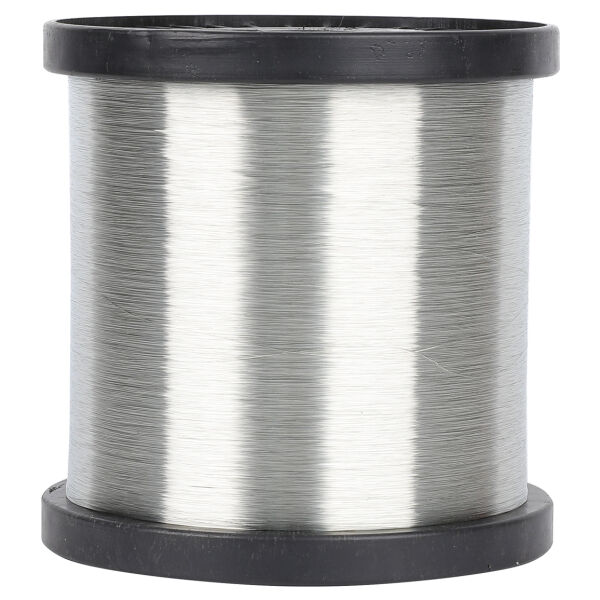
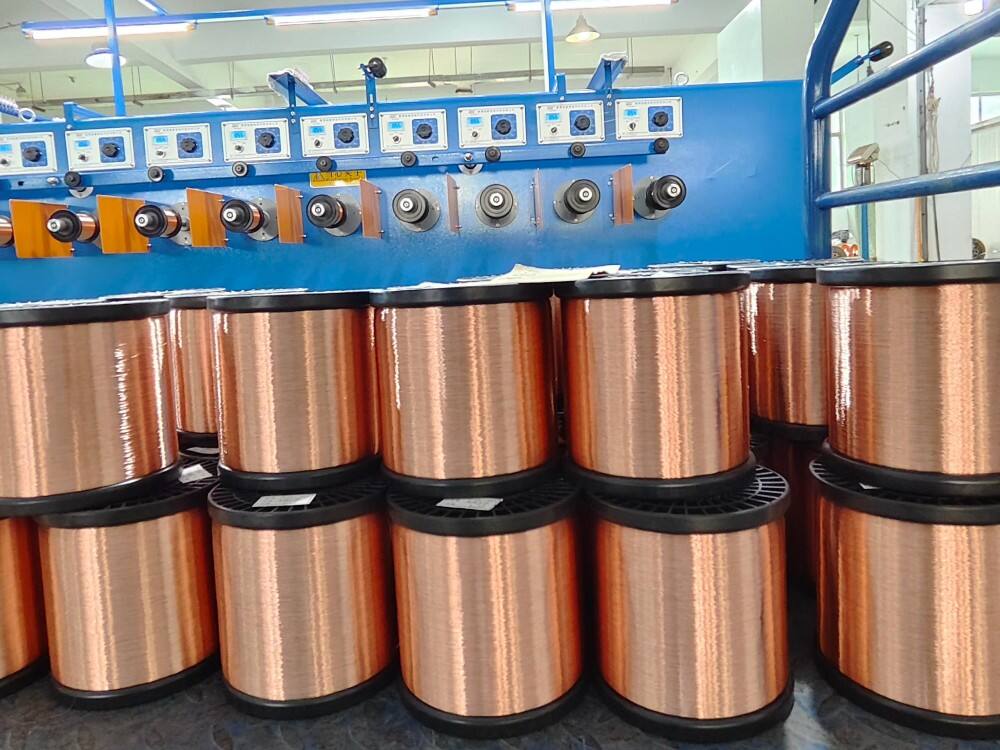
Soldering stranded wire is a crucial technique in electrical and electronic assembly that requires precision and proper methodology to ensure reliable connections. This process involves joining multiple thin copper strands using solder, creating a solid and conductive connection. The technique is essential for maintaining flexibility while providing excellent electrical conductivity. When soldering stranded wire, the individual strands are first twisted together and then tinned with solder to prevent fraying and ensure a clean connection. The process typically employs rosin core solder, which contains a flux that helps clean the wire surface and promote better adhesion. Temperature control is vital during soldering to prevent damage to the wire insulation and ensure proper flow of the solder. Professional technicians often use specialized tools such as temperature-controlled soldering irons, helping them achieve consistent results. The method is widely used in automotive wiring, audio equipment assembly, computer hardware manufacturing, and various electronic devices where reliable electrical connections are essential. Proper soldering of stranded wire results in connections that are both mechanically strong and electrically efficient, making it an indispensable skill in modern electronics assembly.
 ×
×




 EN
EN