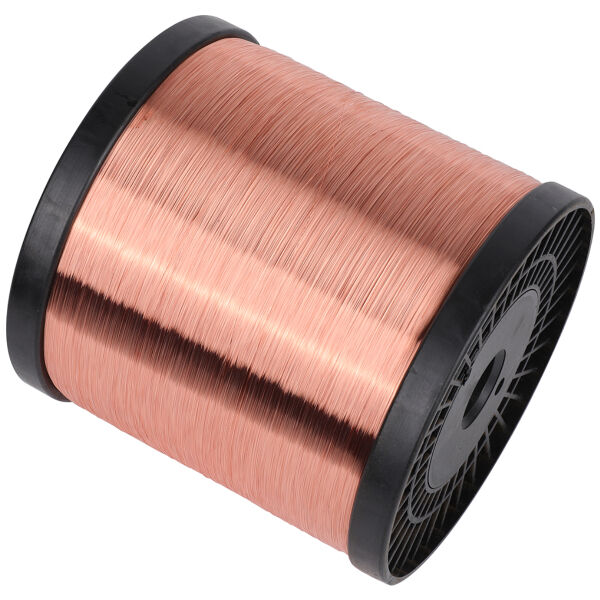
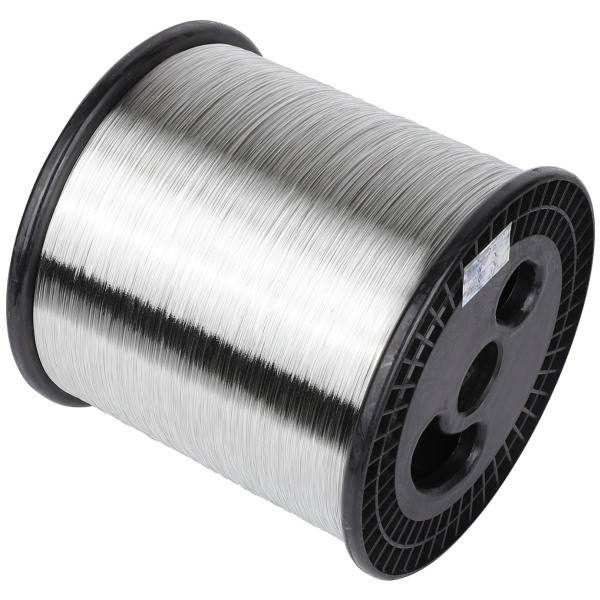
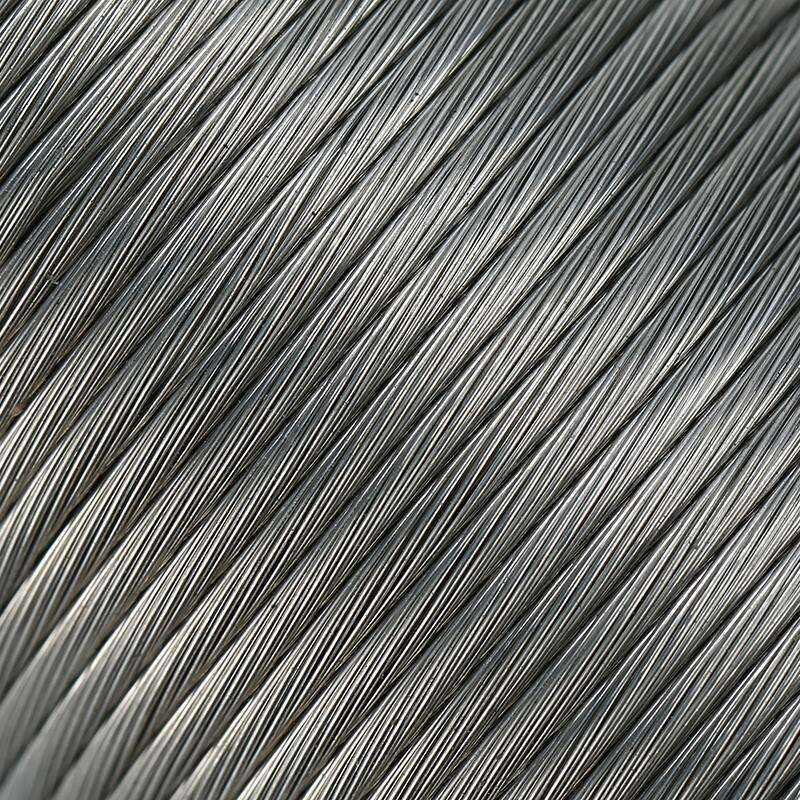
crimping stranded wire
Crimping stranded wire is a critical process in electrical connections that ensures reliable and secure electrical joints. This technique involves compressing a connector or terminal onto stranded wire using specialized crimping tools, creating a permanent mechanical and electrical connection. The process works by deforming the connector around the wire strands, eliminating air spaces and creating a gas-tight seal that prevents oxidation and ensures long-term conductivity. Modern crimping technology employs precise pressure distribution and specific die shapes to achieve optimal compression without damaging the wire strands. The process is particularly effective for stranded wire applications because it maintains the wire's flexibility while providing a strong connection point. Professional crimping tools often feature ratcheting mechanisms that ensure consistent pressure application and prevent under-crimping, which could lead to connection failure. This method is widely used in various industries, including automotive manufacturing, aerospace, telecommunications, and industrial automation, where reliable electrical connections are crucial for system performance and safety. The technology has evolved to accommodate different wire gauges, connector types, and environmental conditions, making it a versatile solution for both simple and complex electrical installations.
 ×
×



 EN
EN