EN
EN



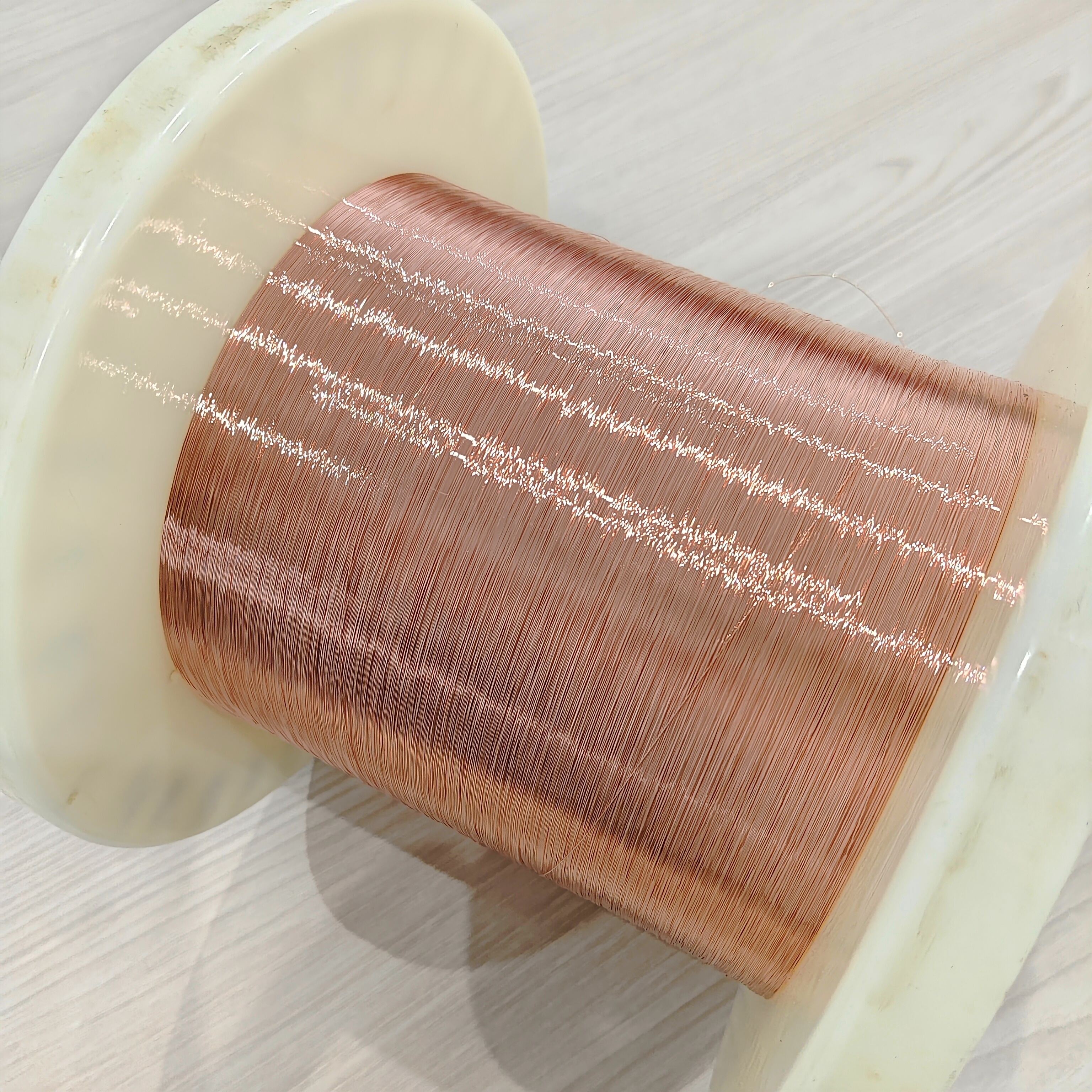
Katika matumizi ya kisasa ya umeme na elektroniki, kipande cha shaba hufanya kama moja ya vifaa vya kuwasilisha vyenye uwezo mkubwa zaidi na muhimu sana katika viwanda vingi. Kipande hiki cha chuma kinachowasiliisha kikamilifu hutoa vipawa vya kielektroni vya juu, upungufu wa uvimbe, na ustahimilivu wa kiashiria ambavyo huifanya iwe ya kipekee kwa matumizi ya kisayansi mbalimbali. Kutoka kwenye mifumo ya uingizaji wa dunia ya viwanda hadi suluhisho la ulinzi wa umeme, kipande cha shaba bado hufanya kama chaguo la wataalam na wahandisi wanaotafuta utendaji bora katika mazingira ya kushindwa.
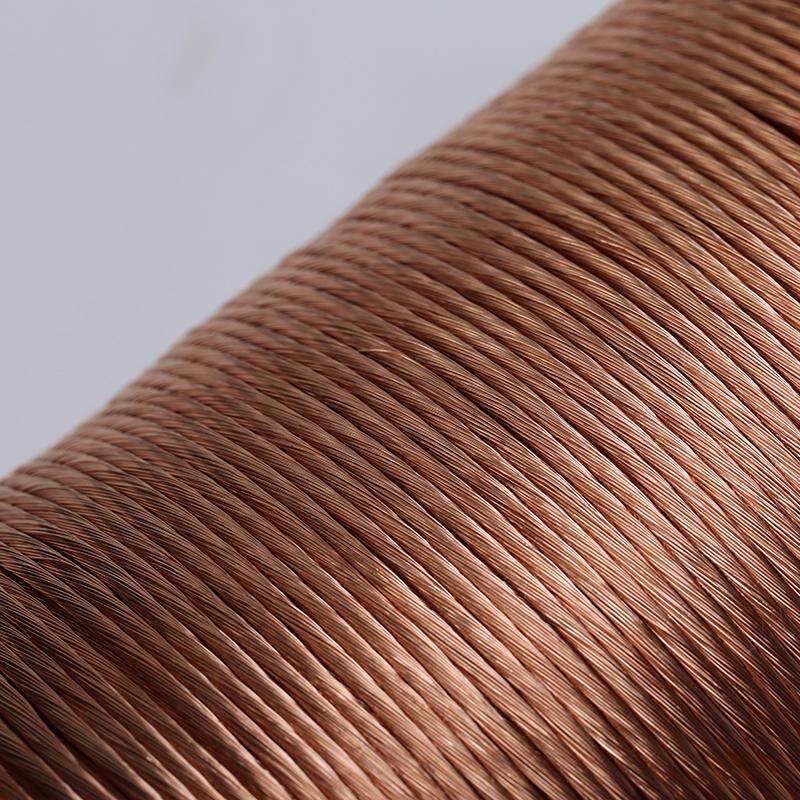
Ufanisi wa kipande cha shaba katika matumizi ya umeme unatokana na uwezo wake wa kufanya umeme kwa kiwango cha juu cha takriban siemens 58 milioni kwa mita, ikifanya iwe ya pili baada ya fedha kwa kuwa na uwezo wa kufanya umeme. Sifa hii ya kipekee, pamoja na uwezo wake wa kubadilishwa kwa urahisi na upinzani dhidi ya ukovu wa anga, huifanya kipande cha shaba kuwa chaguo la kwanza katika matumizi ambayo yanahitaji utendaji wa umeme unaosimama kwa muda mrefu. Viwanda vya kuzungumza hadi kuzalisha umeme vinategemea suluhisho za kipande cha shaba ili kudumisha utendaji wa kikamilifu na viashiria vya usalama.
Kuelewa matumizi ya tofauti ya kipande cha shaba kinamsaidia mtaalamu kuchagua vitu vya kujenga kwa mradi maalum ya umeme kwa njia ya hekima. Je, inatumika katika mfumo wa kujisafisha (grounding), ulinzi dhidi ya kuvuruga kwa umeme (electromagnetic interference shielding), au muunganisho maalum ya umeme, kipande cha shaba hutoa uaminifu na vipengele vya utendaji ambavyo mfumo wa umeme wa leo unahitaji. Uwezo wa chombo hicho kujiadaptisha kwa njia mbalimbali za kufupisha na hali za mazingira zinazopatikana zaidi hukidhi thamani yake katika matumizi ya uhandisi wa umeme wa leo.
Matumizi ya Mfumo wa Kujisajili
Ulinzi wa Vifaa vya Viwanda
Mazingira ya viwanda vina tumia kwa wingi chuma cha shaba katika matumizi ya kufunga kifaa kwa sababu ya uwezo wake mzuri wa kusambaza umeme na upungufu wa kuharibika. Viwanda vya uzalishaji, vya ukusanyaji, na vitendo vya viwandi vya kubwa vinahitaji mifumo ya kufunga yenye nguvu ili kuhakikisha usalama wa wafanya kazi na ulinzi wa vifaa. Chuma cha shaba hutoa njia ya kupungua kivinjari ambayo inahitajika kuelekeza vibaya vya umeme na umeme wa statiki mbali na vifaa vya kisasa na eneo la watu.
Uwekaji wa kipande cha shaba katika mifumo ya kujisajili kwenye viwanda kawaida huwahusisha kuunda mitandao iliyowekwa pamoja ambayo inaunganisha vifaa vyote vya chuma na miundo kwenye kituo cha kujisajili kwa pamoja. Mfumo huu wa kujisajili unaosha kwa ujumla unasaidia kuzuia tofauti za voltage zinazoweza kusababisha hatari kati ya uso la vifaa na kupunguza hatari ya uvimbe wa umeme au uvimbe wa vifaa wakati wa mafaulu. Urahisi wa kipande cha shaba kunaruhusu uwekaji rahisi kupitia vikwazo na mahali pa upatikanaji mdogo ambao mara nyingi hupatikana katika mazingira ya viwanda.
Mazoezi ya utunzaji kwa mfumo wa kujisajili kwa kutumia chuma cha shaba cha viwanda hujiunga na uchunguzi wa mara kwa mara kwa ajili ya uvimbu, uvimbu wa kiashiria, au mifupi isiyofanya kazi vizuri ambayo inaweza kuharibu umoja wa mfumo. Kilele cha oksidi cha asili kinachounda kwenye chuma cha shaba hakikisha kwamba kinapunguza uvimbu, kihusisho na uaminifu wa muda mrefu katika mazingira ya viwanda yanayotahadharika. Uchunguzi wa mara kwa mara wa thamani za upinzani wa kujisajili unahakikisha kwamba mfumo wa kujisajili kwa kutumia chuma cha shaba unaweza kuendelea kufuata standa za usalama na mahitaji ya utendaji wote kwa wakati wa maisha yake ya huduma.
Kujisajili Kwa Mstari wa Mawasiliano
Mifumo ya miinjia ya mawasiliano inategemea sana barabara ya shaba kwa ajili ya mifumo ya kufunga kikamilifu cha minara ambayo inahakikisha ulinzi wa vifaa vya umeme vya uchunguzi kutoka kwa mvua ya nuru na mafuta ya umeme. Minara za simu, antena za kusambaza, na vifaa vya mawasiliano vinahitaji mitandao ya kufunga kubwa ili kupunguza kwa usalama mafuta ya umeme ya nishati ya juu ambayo inaweza kuharibu vifaa vya ghali au kuvuruga upatikanaji wa huduma.
Uundaji wa mifumo ya kufunga kwa minara ya mawasiliano kwa kutumia barabara ya shaba unahusisha kuunda njia mbalimbali za kushirikiana kwa ajili ya kupunguza sasa ya kushindwa, kuhakikisha upanuzi wa uwezekano na uaminifu wa mfumo. Viringo vya kufunga, vifungo vya radial, na vifungo vya vertikal vya kufunga vinatumia barabara ya shaba ili kuunda maelezo ya kushirikiana yenye upungufu wa kujaribu ambayo yanaweza kuchukua nishati ya umeme isiyo salama kwenye ardhi. Uwepo wa uwezekano wa kushirikiana kwa barabara ya shaba unapunguza kiasi kikubwa kwa kilele cha utaratibu wakati wa hali ya kushindwa, kuhakikisha ulinzi wa vifaa na watu.
Sababu za mazingira kama vile utendaji wa udongo, kiwango cha unyevu, na tarkib ya kemikali huathiri utendaji wa pua za chuma mifumo ya kujisajili kwenye maombi ya mawasiliano. Tekniki za kusakinisha kwa usahihi, ikiwa ni pamoja na kina cha kusakinisha kwa ufasaha na hatua za kulinda dhidi ya uvunjifu, zinahakikisha utendaji wa muda mrefu wa mitandao ya kujisajili kwa mpira wa shaba. Ufuatiliaji mara kwa mara na uzimaji wa mifumo hii unasaidia kudumisha viwango vya ulinzi bora kwa miundombinu muhimu ya mawasiliano.
Suluhisho la Kupinga Usumbukaji wa Umeme
Ulinzi wa Mifupa ya Kielektroniki
Watengenezaji wa vifaa vya kielektroniki hutumia sana kamba ya shaba kwa ajili ya kinga ya kuingiliwa na sumakuumeme katika vizimba na makabati nyeti ya kielektroniki. Upitishaji bora wa upitishaji na ufanisi wa kinga wa kamba ya shaba hufanya iwe bora kwa kuunda athari za ngome ya Faraday ambazo huzuia mionzi ya sumakuumeme isiyohitajika kuingiliana na saketi za kielektroniki au kutoroka kutoka kwenye vizimba vya vifaa. Uwezo huu wa kinga ni muhimu kwa kudumisha utangamano wa sumakuumeme katika mazingira ya kielektroniki ya leo yanayozidi kuwa magumu.
Matumizi ya kifurushi cha shaba katika ulinzi wa kielektroniki huwachanganya vifurushi vya uendelezaji wa umeme karibu na vipengele vya uchunguzi au kwenye mifupa ya vifaa vyote. Mbinu za usakinisho sahihi huzuia kuwa kifurushi cha shaba kina uendelezaji wa umeme kwenye vikwambo, mistari ya kuunganishwa, na maeneo ya kufikia ambapo nishati ya umeme inaweza kuingia au kutoka nje. Uwezo wa kifurushi cha shaba kuunganishwa kwa urahisi unaruhusu kufitisha kwa usahihi karibu na muundo wa kipekee na mahitaji ya ukubwa mdogo yanayotumiwa kwa kawaida katika ubunifu wa vifaa vya kielektroniki.
Vipimo vya uwezo wa kulinda vinavyoonyesha kwamba kifurushi cha shaba kilichosakinishwa kwa usahihi kinaweza kupatia kushuka kwa kiwango cha zaidi ya desibel 80 kwenye aina ya mzunguko wa mafrekuenzi, ikifanya iwe salama kwa matumizi yanayohitaji kiu ya juu ya ulinzi wa umeme. Uzito na mtiririko wa kifurushi cha shaba husawa moja kwa moja na uwezo wa kulinda, na vitu vya uzito zaidi na ngazi nyingi zinatoa ulinzi bora zaidi kwa matumizi ya kikali zaidi.
Matumizi ya Ufunguzi wa Mifumo ya Kuchukua
Mifumo ya kuchukua ya utendaji wa juu mara nyingi hujumuisha mpira wa shaba kama kitu cha kufungua ili kuzuia ushindani wa umeme na kuhakikisha uaminifu wa ishara katika matumizi yanayotahitisha. Mifumo ya kutuma data, uvumbuzi wa mitambo, na mifumo ya kusambaza nguvu yote yanafaida kutoka kwa sifa za kufungua bora za mpira wa shaba dhidi ya ushindani wa umeme wa nje na kushindana kwa ishara ndani.
Kitendo cha uzalishaji cha mifumo ya kuchukua iliyofunguliwa kwa mpira wa shaba kinajumuisha kufunika mpira mdogo wa shaba juu ya vifungo vya kuchukua au mifumo ya kuchukua ili kujenga ufunguzi unaofanya kazi kwa ufanisi. Safu hii ya kufungua inazima kwa ufanisi ushindani wa umeme wakati pia inatoa njia ya kushinjika chini ya upinzani kwa mikondo iliyosababishwa ambayo inaweza kushindana na kutuma ishara. Uwezo wa kubadilika wa mpira wa shaba unaruhusu uwasilishaji rahisi wakati wa uzalishaji wa mifumo ya kuchukua wakati huweza kudumisha ufunguzi wa kudumu.
Ujaribisho wa utendaji wa mikondo ya kabele yenye kinga ya shaba inaonyesha uwezo bora zaidi wa kupuuza ushindani wa umeme kuliko vifaa vingine vya kinga, hasa katika matumizi ya mawimbi ya kihalisi ambapo athari ya uso huwa muhimu. Uwiano mzuri wa uvimbe wa shaba unahakikisha usambazaji wa kuvutia kwa umeme kwenye uso wa kinga, kuhakikisha uwezo bora wa kinga wakati huo huo ukidhoofisha chini ya uboreshaji wa ishara katika mifumo muhimu ya mawasiliano na udhibiti.
Matumizi ya Usambazaji wa Nishati
Mifumo ya moshi
Mifumo ya usambazaji wa nguvu ya umeme hutumia kofia ya shaba kama kitu cha msingi cha ujenzi wa barra za umeme kwa sababu ya uwezo wake mzuri wa kusambaza sasa na sifa zake za usimamizi wa joto. Vifaa vya kuzima viwili, paneli za usambazaji, na vituo vya umeme vinaamini barra za shaba za kofia ili kusambaza nguvu ya umeme kwa usalama na ufanisi katika mifumo ya umeme ya majengo. Uwiano wa juu wa uvimbe na uvimbe wa joto wa kofia ya shaba unawezesha ubunifu wa barra za umeme zenye ukubwa mdogo ambazo zinaweza kushughulikia mzigo mkubwa wa sasa bila kujutoa joto kali.
Uhandisi wa mfumo wa barra za shahada za kupura unahitaji kuzingatia makini ukubwa wa densiti ya sasa, ukuanguka wa joto, na mambo ya stress ya kimwili ambayo yanasababisha uwezekano wa kufanya kazi kwa muda mrefu na utendaji. Uchaguzi wa ukubwa wa barra za kupura kwa njia ya sahihi husafisha uwezekano wa kusafirisha sasa kwa kutosha wakati hupunguza mapotezo ya nguvu na kuzalisha joto. Tabia nzuri za kimwili za barra za kupura zinawezesha uvamizi na njia za kuunganisha zinazohakikisha uendelezi wa umeme chini ya mizani tofauti za mzigo.
Mazoea ya kufunga mfumo wa barra za shaba zinazingatia muhimu kwa ubunifu wa muunganisho na mbinu za kuunganisha ili kupunguza upinzani na kuzuia eneo la moto (hot spots) ambalo lingeweza kusababisha uvunjaji wa mfumo. Uchunguzi mara kwa mara na utunzaji wa barra za shaba unajumuisha kufuatilia alama za joto kali, uharibisho kwa sababu ya uvumbuzi, au uharibisho wa kimwili ambalo lingeweza kuharibu utendaji na usalama wa mfumo. Tabia za kawaida za kuzingatia umri wa barra za shaba zinachangia uaminifu wa muda mrefu katika matumizi ya barra za shaba.
Mashirika ya Miongozo
Miongozo ya nguvu na miongozo ya usambazaji mara nyingi hutumia barra za shaba kwa muunganisho ya ndani ya miongozo na muunganisho ya nje ya mifupa ambayo inahitaji uwezo wa kubeba sasa kubwa na utendaji wa kielektriki unaofaa. Upinzani mdogo na tabia bora za kujisafisha joto za barra za shaba zinamfanya kuwa bora sana kwa matumizi ya miongozo ambapo ufanisi na kujisafisha joto ni mambo muhimu ya utendaji.
Watajiri wa mabadilisho wanachagua kofia ya shaba kulingana na mahitaji maalum ya umeme na ya kimechaniki ikiwemo uwezo wa kushirikisha sasa, uwezo wa kubadilishwa kwa joto, na vizingiti vya ukubwa ndani ya muundo wa mabadilisho. Uwezo wa kufanyika kwa kofia ya shaba unaruhusu uundaji wa usahihi na ubadilishaji wa umbo ili kupanua muundo wa mabadilisho wenye ufanisi wa juu wa umeme. Mbinu za usakinisho sahihi zinahakikisha kuwa muunganisho ya umeme ni imara na inaweza kubeba mashakili ya kimechaniki na mabadiliko ya joto yanayotokana na uendeshaji wa mabadilisho.
Vitendo vya udhibiti wa ubora kwa muunganisho ya kipande cha shaba katika mabadilisho vinajumuisha majaribio ya umeme kuthibitisha thamani za upinzani na majaribio ya kimechaniki kuhakikisha nguvu ya muunganisho. Uthabiti wa muunganisho ya kipande cha shaba unatumika moja kwa moja kwenye utendaji na uendelevu wa mabadilisho, kama hivyo chaguo la kitu na njia za kusakinisha ni mambo muhimu sana katika muundo na utengenezaji wa mabadilisho.
Maombisho ya Kipekee ya Kifaa
Muunganisho ya Mfumo wa Betri
Mifumo ya uhifadhi wa nishati na benki za betri zinatumia kipande cha shaba kwa ujumla kuhusisha seli za betri binafsi na kujenga mitandao ya usambazaji wa sasa ya juu ndani ya mafunzo ya betri. Uwepo wa uvutaji mzuri wa umeme na upungufu wa kuvuruga kipande cha shaba unamfanya kuwa bora sana kwa matumizi ya betri ambapo muunganiko mzuri wa umeme na udumu wa muda mrefu ni muhimu sana kwa utendaji wa mfumo na usalama.
Watawakilishi wa mfumo wa betri wanaelezea kipande cha shaba kulingana na mahitaji ya kubeba sasa, hali ya mazingira, na vizingilio vya kihisabati ndani ya makabati ya betri. Uwezo wa kipande cha shaba kuzunguka kwa urahisi unasaidia kuelekeza kwa ufanisi kati ya mikono ya betri wakati mwingine ukizungumzia upungufu wa volti na hasara za nguvu ambazo zinaweza kuharibu utendaji wa mfumo. Matumizi sahihi ya mbinu za kufunga husaidia kuhakikisha muunganiko salama wa kihisabati ambao unadumisha uendelezaji wa umeme wote kwa mzunguko wa kuchakua na kutoa betri.
Majina ya mazingira kwa ajili ya kofia ya shaba katika matumizi ya betri inajumuisha ulinzi dhidi ya elektroliti zinazouawa na mabadiliko ya joto ambayo yanaweza kuathiri uaminifu wa muunganisho. Mchakato wa kawaida wa utunzaji wa muunganisho ya kofia ya shaba ya betri unahusisha ukaguzi wa alama za uvunjivu, upungufu wa uvamuo, au udharura ambao unaweza kuharibu utendaji wa mfumo. Sifa asilia za kofia ya shaba zinachangia utendaji bora wa muda mrefu katika mazingira ya mfumo wa betri yenye mahitaji ya juu.
Mifumo ya Kulinda Dhahabu
Mifumo ya ulinzi wa majengo na mitandao ya ulinzi wa maji ya mvua hutumia kofia ya shaba kama chombo kikuu cha kusambaza nishati ya mvua ya maji kwenye ardhi kwa usalama bila kuharibu majengo au vifaa. Uwezo wa kusafirisha mkondo wa juu na sifa za kujibia haraka za kofia ya shaba huzifanya ziwe za kutosha kwa matumizi ya ulinzi wa mvua ambapo kusafirisha nishati haraka ni muhimu sana kwa ufanisi wa mfumo.
Uundaji wa mfumo wa ulinzi dhidi ya mvuto unaotumia kipande cha shaba husababisha kutengeneza mitandao ya kina ya vituo vya hewa, vifungo vya chini, na vifungo vya kusambaza umeme ambavyo hutolewa njia nyingi za kusambaza umeme wa mvuto. Uwezo mzuri wa kusambaza umeme wa kipande cha shaba hufanya upungufu mdogo wa kuzuia mgando wa umeme wa mvuto, kuhakikisha kuwa hakuna uwezekano wa kujengwa kwa tawala kali ya umeme au matukio ya kuvuta kwa upande mwingine ambayo yanaweza kusababisha uvurugu wa mali au hatari kwa usalama.
Viashiria vya usanidi kwa mfumo wa ulinzi dhidi ya mvuto unaotumia kipande cha shaba vinataja vipimo vya chini, njia za kuunganisha, na masharti ya kusafirisha ili kuhakikisha kuwa kuna ulinzi wa kutosha kwa aina mbalimbali za majengo na makundi ya hatari. Uchunguzi mara kwa mara na utajuzi wa sehemu za mfumo wa ulinzi dhidi ya mvuto unaotumia kipande cha shaba unasaidia kudumisha utendaji wa mfumo na ufuatiliaji wa viashiria vya usalama vya kawaida na viashiria vya kisayansi. Uthabiti wa kipande cha shaba katika mazingira ya nje unasaidia kuweka uhakika wa uaminifu wa mfumo wa ulinzi kwa muda mrefu.
Mambo ya Kuzingatia Kuhusu Kuweka na Kudumisha
Vitendo vya usimamizi wa kifani
Uwekaji wa mstari wa shaba unaofanikiwa unahitaji kufuata mafundisho na viwango vya sekta vilivyopangwa ili kuhakikisha utendaji bora wa umeme na uaminifu wa muda mrefu. Mchakato wa uwekaji unapaswa kusambaza mambo kama vile umbizo sahihi wa msaada, kikomo cha radius ya kuzungusha, na njia za kuunganisha zinazohakikisha uendelezi wa umeme wakati huweza kubadilisha upanuzi wa joto na mashakili ya kifisiki. Tabia za asili za mstari wa shaba zinawezesha mbinu mbalimbali za uwekaji kulingana na mahitaji ya matumizi maalum na hali ya mazingira.
Tekniki za uunganisho kwa ajili ya mafunzo ya vifurushi vya shaba vinajumuisha njia za kufunga kwa njia ya kiashiria, mchakato wa kuunganisha kwa kutumia moto, na mikutano ya kipekee ya kuunganisha ambayo huunda miundo ya umeme yenye uhakika kati ya vipande vya vifurushi vya shaba na vituo vya mwisho. Uandaa salama wa uso la vifurushi vya shaba hukidhi mawasiliano ya umeme ya bora na kuchunguza kikomo cha uunganisho ambacho kinaweza kusababisha moto au upungufu wa voltage. Zana za uwekaji na vifaa vilivyoundwa hasa kwa matumizi ya vifurushi vya shaba hushirikiana kufikia matokeo ya usawa na kudumisha usalama wa wafanyikazi wakati wa mchakato wa uwekaji.
Vipimo vya uhakika wa ubora wakati wa kusakinisha kifurushi cha shaba hujumuisha majaribio ya umeme ili kuthibitisha uendelezaji sahihi na thamani za upinzani, inspeksheni ya macho kwa ajili ya usambazaji sahihi na msaada, na kurekodi mchakato wa kusakinisha kwa marejeleo ya baadaye. Utekelezaji wa kanuni na viwango vya umeme vinavyotumika husaidia kuhakikisha kwamba kusakinisha kifurushi cha shaba kimepatikana kwa mahitaji ya usalama na vipimo vya utendaji kwa matumizi yake yanayotarajewa.
Matendo ya Kupokea Muda Mrefu
Mipango ya utunzaji bora kwa kusakinisha kifurushi cha shaba inazingatia kudumisha utendaji wa umeme na kuzuia uvimbe ambao unaweza kuharibu uaminifu wa mfumo au usalama. Mipangilio ya inspeksheni ya mara kwa mara inapaswa kusonga masuala ya uwezekano ikiwemo ukatilifu, uvimbe wa kiashiria, maelezo ya kushikilia yanayopungua, na athari za joto ambazo zinaweza kuathiri utendaji wa kifurushi cha shaba kwa muda mrefu. Uwezo wa kifurushi cha shaba kuzuia ukatilifu kwa asili unafanya utunzaji kuwa rahisi kuliko vitu vingine vilivyobadilishwa.
Mifumo ya kufanya majaribio ya uchunguzi kwa mfumo wa vifurushi vya shaba inajumuisha vipimo vya upinzani, utafutaji wa picha za joto, na ukaguzi wa macho ambavyo husaidia kupatikana na matatizo ya ujuzi kabla huyavutia mafaili ya mfumo. Kufuata miongozo ya majaribio kwa muda mrefu hutoa taarifa muhimu kuhusu hali ya mfumo na husaidia kuboresha muda wa usimamizi wa vifurushi vya shaba.
Mazoezi ya kuhifadhi taarifa na kurekodi shughuli za usimamizi wa vifurushi vya shaba husaidia kufuata masharti ya sheria na kutoa taarifa za zamani kwa ajili ya kuchambua utendaji wa mfumo. Mifumo ya usimamizi ya sahihi husaidia kuhakikisha kwamba vifurushi vya shaba vinavyotumika bado vinafuata vipengele vya ubunifu wao na masharti ya usalama wakati wote wa uhamisho wao wa mtume.
Maswali Yanayoulizwa Mara kwa Mara
Ni nini faida kuu za kutumia vifurushi vya shaba kuliko vitu vingine vya kueleza umeme
Kipande cha shaba kina faida muhimu kadhaa ikiwemo utendaji wa kuvinjari kwa umeme unaofaa sana, ambao unafuata moja kwa moja ya dhahabu, uwezo mzuri wa kupuuza uvunjika kwa sababu ya uundaji wa oksidi ya asili, utendaji mzuri wa kuvinjari joto kwa kusambaza joto, na uwezo mzuri wa kubadilishwa kwa umbo lolote la kuchanganya. Sifa hizi zinajumuisha kutoa utendaji bora wa muda mrefu katika matumizi ya umeme yanayohitaji kiasi kikubwa, wakati huo huo kudumisha uwezo wa kufanya kazi kwa bei rahisi kuliko vitu vya mitambo ya thamani.
Ninajifunza ukubwa gani wa kipande cha shaba kinachofaa kwa matumizi yangu ya kujisalimisha
Ukubwa wa kipande cha shaba kwa matumizi ya kujisalimisha unategemea kiasi cha sasa ya kushindwa, muda wa kutendeka, upungufu wa upinzani wa udongo, na kanuni za umeme zinazotumika. Kwa kawaida, eneo la msalaba kubwa linatoa upungufu mdogo na uwezo bora wa kuvinjari sasa. Kuhusiana na wenginee wa umeme na kurejelea kanuni kama IEEE 80 au NEC Article 250 husaidia kuhakikisha kuchaguliwa kwa kipande cha shaba kwa mahitaji maalum ya mfumo wa kujisalimisha.
Sababu zipi za mazingira huzua utendaji wa kipande cha shaba katika uwekaji nje ya majengo
Sababu za mazingira zinazopatikana katika uwekaji wa kipande cha shaba nje ya majengo ni kiwango cha unyevu, mabadiliko ya joto, ubaguzi wa UV, kemikali za udongo, na uvururaji wa anga. Ingawa kipande cha shaba kina uwezo wa kuzuia uvururaji kwa asili, hali kali zinaweza kutahitaji madawati ya kulinda au mbinu bora zaidi ya uwekaji. Kina cha kufunika kwa usahihi, upatikanaji bora wa kutoa maji, na ukaguzi mara kwa mara husaidia kudumisha utendaji wa kipande cha shaba katika mazingira magumu ya nje ya majengo.
Je, kipande cha shaba kinaweza kutumika katika matumizi ya kulinda dhana ya umeme wa kifupi kwenye mzunguko wa kifupi?
Ndiyo, kipande cha shaba kinatoa ufanisi mzuri wa kulinda dhana ya umeme na magnetismu katika mfuatano wa mafrekuenzi wote ikiwemo matumizi ya mafrekuenzi ya juu. Athari ya uso (skin effect) katika mafrekuenzi ya juu inaleta utangulizi wa mtiririko wa sasa karibu na uso la shaba, ikifanya kipande cha shaba cha kifupi kuwa bora sana kwa kulinda ishara za redio (RF). Uwekaji sahihi unaopitia muunganiko wa umeme wa mstari mmoja na mapenga ya chini ya kiasi kinauhakikisha ufanisi bora wa kulinda dhana ya umeme na magnetismu kwa kulinda ushindani wa umeme na magnetismu wa mafrekuenzi ya juu.
Orodha ya Maudhui
- Matumizi ya Mfumo wa Kujisajili
- Suluhisho la Kupinga Usumbukaji wa Umeme
- Matumizi ya Usambazaji wa Nishati
- Maombisho ya Kipekee ya Kifaa
- Mambo ya Kuzingatia Kuhusu Kuweka na Kudumisha
-
Maswali Yanayoulizwa Mara kwa Mara
- Ni nini faida kuu za kutumia vifurushi vya shaba kuliko vitu vingine vya kueleza umeme
- Ninajifunza ukubwa gani wa kipande cha shaba kinachofaa kwa matumizi yangu ya kujisalimisha
- Sababu zipi za mazingira huzua utendaji wa kipande cha shaba katika uwekaji nje ya majengo
- Je, kipande cha shaba kinaweza kutumika katika matumizi ya kulinda dhana ya umeme wa kifupi kwenye mzunguko wa kifupi?