EN
EN



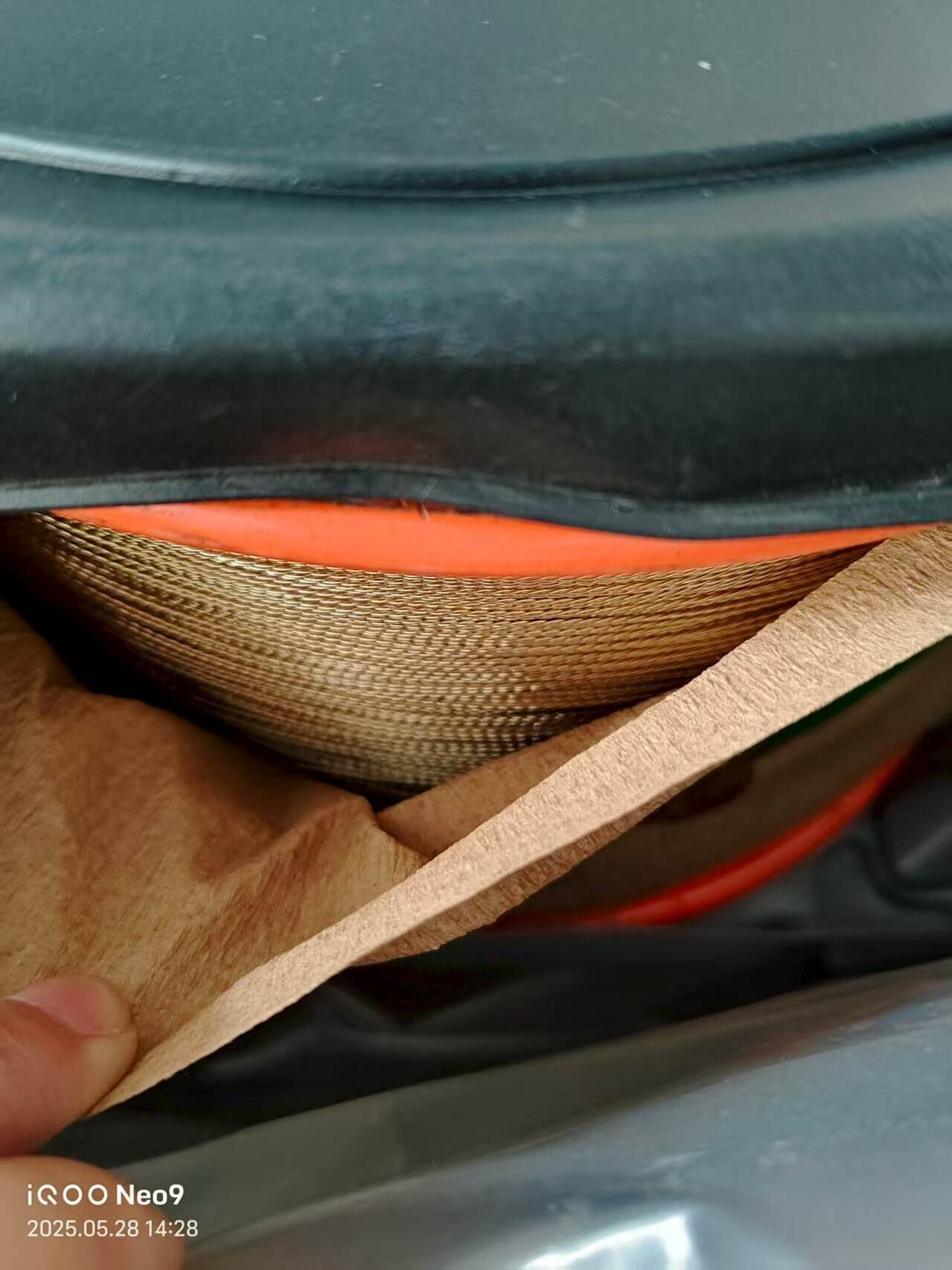
Simu ya kuvuliwa ni moja ya vifaa muhimu zaidi katika uhandisi wa umeme wa kisasa, inafanya kazi kama msingi wa matumizi mengi ya umeme na ufanisi katika viwango vya tofauti vya sekta. Mtambo huu maalum unaunganisha utendaji wa shaba au aluminium na kuvuliwa chini cha kuvuliwa kinachosaidia ufanisi wa ufanisi wa umeme na kuzuia mabega ya umeme. simala ya Enamel ina maana isiyotokana na matokeo yake rahisi, kwa sababu inafanya kazi kama nyuzi muhimu ya mizani, moto, kijenereta, na vifaa vingine vya umeme vya wingi ambavyo vinatoa nguvu kwa ulimwengu wetu wa kisasa.
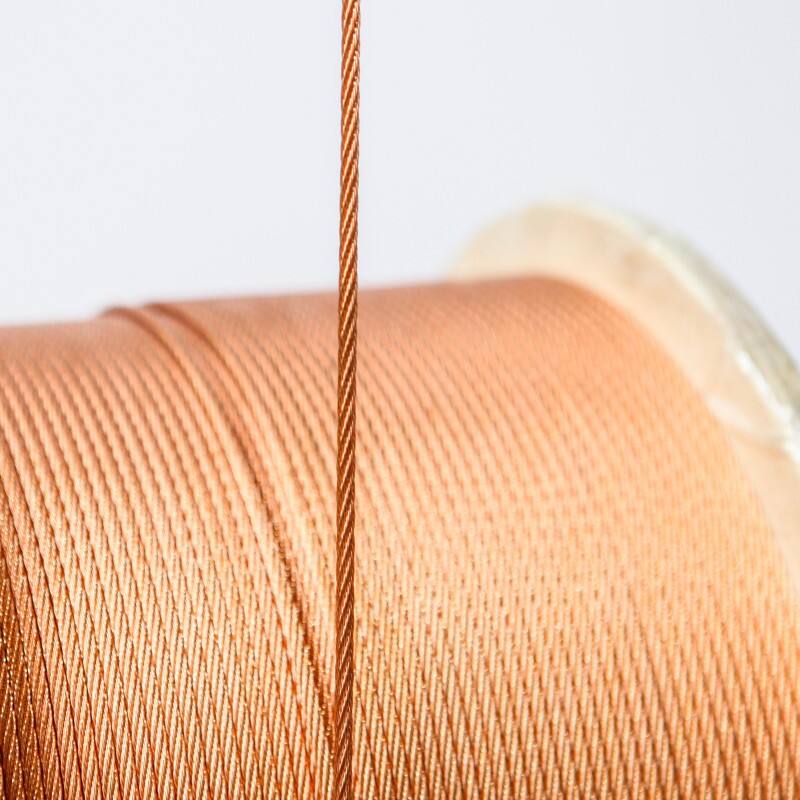
Uwindaji wa mchakato wa kutengeneza waya wenye kipenyo hususia uhandisi wa uhakika ili kufikia vipengele vya utendaji bora zaidi. Waya wa shaba au aluminium hupitia mchakato mingi ya kupaka ambapo vitu vya sintetiki vya resin huandaliwa kwa ngazi nyembamba na sawa. Kipaka hiki cha kuzima kinahitaji kushinda mgawo wa kifisiki, mabadiliko ya joto, na ubaguzi wa kemikali wakati unavyotunza utendaji wa umeme. Matokeo ni waya ambaye unaweza kuzungukwa katika mizunguko ya msingi bila kupoteza vipengele vya kuzima, ikifanya kuwa muhimu sana kwa matumizi ya umeme ambapo ufanisi wa nafasi na uaminifu ni muhimu zaidi.
Kuelewa Ujenzi na Vitu Vilivyotengenezwa kwa Waya wenye Kipenyo
Vitu vya Msingi wa Waya na Vipengele vyao
Msingi wa kila simu ya kuvaa kwa mafuta huanza na chombo cha msingi wake cha mtambo, kawaida ni shaba au aluminium, ambayo kila moja inatoa faida tofauti kwa matumizi maalum. Simu ya kuvaa kwa mafuta ya shaba inatoa uwezo bora wa kueleza umeme na uwezo wa kubadilika kwa kiwango cha juu, ikawa chaguo la kwanza kwa mitambo ya utendaji wa juu na vifaa vya umeme na kielelezo vya uhakika. U safi wa shaba uliotumika katika uzalishaji wa simu ya kuvaa kwa mafuta unapaswa kuhusiana moja kwa moja na utendaji, na shaba ya ukali wa juu bila oksijeni hutoa matokeo bora zaidi kwa matumizi yanayotahadharisha.
Simu ya alumini yenye kipimo cha kuvutia inatoa faida kubwa ya kupunguza uzito wakati inabaki na uwezo wa kusambaza umeme kwa kiwango kinachokubalika kwa matumizi mengi. Uchaguzi wa chombo hiki huuwa muhimu sana katika uzalishaji wa moto kubwa ambapo mambo ya uzito huathiri gharama za usafirishaji na mahitaji ya kufupisha. Vipengele vya kuongezeka kwa joto la alumini vinahitaji kuchambuliwa kwa makini wakati wa kubuni moto ili kuhakikisha uaminifu wa muda mrefu na ustahili wa utendaji.
Mifumo na Teknolojia ya Kupaka Kipimo cha Kuvutia
Simu ya kuvutia ya kisasa inatumia mifumo ya kipimo cha polimeri ya kisasa iliyoundwa kushikilia mahitaji maalum ya joto na mazingira. Kipimo cha polyurethane kinatoa uwezo mzuri wa kuzunguka na uwezo wa kushikiliana moja kwa moja na solda, ikawa bora sana kwa vitu vya elektroniki za watumiaji na matumizi ya magari. Kipimo hiki kinadumisha vipimo vyake vya kuvutia katika vyanzo vya joto vya upana wakati inatoa uwezo mzuri wa kuzuia uvunjaji wa kimwili wakati wa kuzungusha.
Makaburi ya polyeshter na polyeshter-imidi yanatoa ustahimilivu bora wa joto kwa matumizi ya mitambo ya viwandani inayotumika katika mazingira ya joto kali. Muundo wa molekuli ya polyme hizi unazalisha vikwazo dhidi ya kuingia kwa unyevu na uvurugu wa kemikali, kuhakikisha kuongezeka kwa muda wa uendeshaji wa mitambo katika mazingira ya viwandani yenye changamoto. Mchanganyiko wa makaburi ya kisasa unajumuisha vitu vya kuongeza ambavyo vinaboresha ufunguo kwenye mtambo wakati wa kudumisha ubora wa upana wa sawa.
Matumizi ya Mitambo na Faida za Utendaji
Mifumo ya Kukandwa kwa Mitambo ya Umeme
Mitambo ya umeme hujitawala kwenye mitambo iliyokandwa kwa usahihi simala ya Enamel mizizi ili kuzalisha mashamba ya umeme yanayohitajika kwa harakati ya mzunguko. Tabia za kuvunja umeme za waya uliofungwa kwa mafuta zinawezesha watawala wa moto kuunda mizizi ya ukubwa mdogo ambayo inahakikisha uwezo wa nguvu wa juu na kufanya ukubwa wa jumla wa moto kuwa mdogo. Mizizi ya stator hutumia ngazi nyingi za waya uliofungwa kwa mafuta zilizopangwa kwa mtiririko maalum ili kuboresha usambazaji wa mtiririko wa kuvunja umeme na kupunguza mapotezi ya nishati.
Moto ya kuvunja kwa njia ya kaswalu yanafaida kutokana na uwezekano wa kuvunja na uaminifu wa uvunja umeme wa waya uliofungwa kwa mafuta, ikiruhusu uzalishaji unaofaa kwa gharama wakati inavyoendelea kuhakikisha ufanisi unaofaa. Moto ya kuvunja kwa fomu inahitaji waya uliofungwa kwa mafuta wenye tabia za kimkono zinazopanua ili kushinda mchakato wa kufanya fomu na kuingiza bila kuharibu uvunja umeme. Uchaguzi kati ya daraja tofauti za waya uliofungwa kwa mafuta unatumika moja kwa moja kwenye ufanisi wa moto, utendaji wa joto, na gharama za uzalishaji.
Mazingatio ya Usimamizi wa Joto na Ufanisi
Ufanisi wa mawashi unategemea sana vipengele vya joto vya mfumo wa uvinyo wa simu ya chuma. Simu ya chuma ya ubora wa juu inaruhusu mawashi kufanya kazi katika majoto ya juu bila kujitokeza kwa uvinyo au upungufu wa utendaji. Kiwango cha daraja la joto cha simu ya chuma kinataja joto la juu la kuzingatia kwa muda mrefu, kinachofanya mabadiliko moja kwa moja kwenye uwezo wa nguvu wa mawashi na ufaali wa matumizi yake.
Vipengele vya uhamisho wa joto vya simu ya chuma vinathabiti mahitaji ya kuponya mawashi na muundo wa jumla wa mfumo. Vituo vya uvinyo vya nyembamba vinaruhusu uhamisho bora zaidi wa joto kutoka kwenye migodi ya mionzi wakati wanavyotunza uvinyo wa umeme kati ya mzunguko ya karibu. Uwezo huu wa usimamizi wa joto unakuwa muhimu zaidi kama mawashi yanayotendeka kuelekea uwezo wa nguvu wa juu na muundo wa kifupi zaidi kwa matumizi ambayo inahitaji nafasi ndogo.
Mitarizo ya Usanii na Ufahamu wa Kupendeza
Viashiria vya Sekta na Viwajibikaji
Viashiria vya kimataifa vya kisheria vinachukua mamlaka ya uzalishaji wa waya wenye kisha kwa kuhakikisha ubora na utendaji wa kudumu katika masoko ya kimataifa. IEC 60317 inatoa maelekezo ya kina kuhusu sifa za waya wenye kisha, ikiwemo uvurugu wa vipimo, u thickness wa kisha, na sifa za umeme. Viashiria hivi vinasaidia wazalishaji wa mitambo kubainisha mahitaji ya waya wenye kisha kwa ujasiri, wakiwa wamejua kuwa waya wenye kisha waliyopimwa na kuthibitishwa bidhaa watakwenda kujifunga kwa matarajio ya utendaji.
Mchakato wa udhibiti wa ubora kwa uzalishaji wa waya wenye kisha unajumuisha ukaguzi wa mara kwa mara wa uvurugu wa kisha, nguvu ya kushikiana, na sifa za umeme wakati wa mchakato wa uzalishaji. Njia za kujaribu za kisasa zinathibitisha uaminifu wa kisha chini ya mashakiki ya kiufundi, mabadiliko ya joto, na mazingira ya mazingira ambayo yanahakikisha mazingira halisi ya utendaji wa mitambo. Ufuatiliaji wa viashiria vilivyothibitishwa kuhakikisha kuwa waya wenye kisha hutenda kwa uaminifu katika maombi ya mitambo tofauti na mazingira ya utendaji.
Njia za Kujaribu na Uthibitisho wa Utendaji
Mbinu za kujaribu kwa ujumla zinathibitisha utendaji wa waya uliofungwa kabla ya kuingizwa katika mchakato wa kutengeneza motor. Jaribio la voltage ya kupasuka linathibitisha nguvu ya uburudani chini ya mazingira ya kuvutia umeme ambayo inazidi mipaka ya uendeshaji wa kawaida. Jaribio la mvuto wa joto linatathmini ustahili wa gula wakati unapoambuliwa kwa mabadiliko ya joto ya haraka yanayotokea wakati wa kuanzisha na kumaliza motor.
Jaribio la uvimbe linatathmini ustahili wa kifisikali cha uburudani wa waya uliofungwa wakati wa kufanya kazi ya kuzungusha na uendeshaji wa baadaye wa motor. Jaribio la kuzungusha kwenye mandrel linahakikisha masharubu ya uvimbe unaopatikana wakati wa kundua kofia, kuhakikisha kwamba uburudani hauvunjiki wala hauchanganyiki. Jaribio la upinzani wa kemikali linathibitisha utendaji wakati unapoambuliwa kwa mafuta ya motor, maji ya kusafisha, na vitu vingine vinavyotumiwa katika mazingira ya kawaida ya motor.
Matumizi ya Kina na Maendeleo Yatokuayo
Matumizi ya Motor ya Joto Kuu
Mifumo ya kipekee ya waya vilivyopakwa kwa kipanga cha juu inaruhusu shughuli za mawashi katika mazingira ya joto kali ambayo awali yalikuwa haiwezi kutumika kwa vifaa vya umeme. Matumizi ya anga na nje ya anga yanahitaji waya vilivyopakwa kwa kipanga ambavyo huendelea kuwa na sifa za kuzuia umeme katika majoto yanayozidi 200°C pamoja na kushinda mgogoro wa uvibaravu na mabadiliko ya joto. Mifumo ya kipekee ya kipanga kinachojumuisha vinyongo vya kisasa au vya fluoropolymer hutoa ustabili wa joto unahitajika kwa matumizi haya magumu.
Matumizi ya viwanda vya moto ya gari yanahitaji waya vilivyopakwa kwa kipanga ambavyo huendelea kufanya kazi kwa uaminifu hata baada ya kuchukuliwa na joto la mawashi, vapori za mafuta, na mabadiliko ya joto. Mawashi ya kuvuma ya vihurumia vya umeme (EV) hutumia waya vilivyopakwa kwa kipanga cha juu ili kufikia densiti za nguvu zinazohitajika kwa utendaji bora wa gari na mbadala ya mbadala. Maendeleo ya vitu vya kipanga vipya yanavyoendelea kukuza mipaka ya uwezo wa kujitumia kwa mawashi kwa kuzingatia joto la kufanya kazi.
Ukubwa wa chini na Matumizi ya Kifrekuenso Cha Juu
Trendi za kisasa za elektroniki zinazotendelea kuwa ndogo zinavuta mahitaji ya nguzo za uvukivu ndogo zaidi kwenye waya uliojaa uvukivu bila kuharibu utendaji wa umeme. Mikro-motors katika vifaa vya watumiaji vinahitaji waya uliojaa uvukivu wenye uhakika mkubwa wa ukubwa na uaminifu wa uvukivu hata kama upana wa kofia unapungua. Teknolojia za kuzalisha ya juu zinaweza kuzalisha nguzo za uvukivu ndogo sana ambazo zinahifadhi vipimo vya voltage ya kupasuka wakati wanapunguza mahitaji ya nafasi.
Matumizi ya motor ya mawimbi ya juu yanawakilisha changamoto maalum kwa muundo wa waya uliojaa uvukivu kwa sababu ya dhishara ya uso na dhishara ya karibu. Muundo maalum ya mchakato na muundo maalum ya uvukivu hunafanya dhishara hizi ziwe chini wakati wanahifadhi uwezo wa kufunika kwa mikono kwa ufanisi wa uzalishaji. Maendeleo ya muundo wa waya la litz kwa kutumia mistari mbalimbali iliyojaa uvukivu inajibu mahitaji ya utendaji wa mawimbi ya juu kwa matumizi maalum ya motor.
Majukumu ya Kiuchumi na Mazingira
Ufanisi wa Gharama katika Uzalishaji wa Motor
Uathiri wa kiuchumi wa kuchagua waya vilivyopakwa unapana kote katika uzalishaji wa moto na gharama za muda wote wa maisha. Waya vilivyopakwa ya daraja la juu zaidi yenye sifa bora za joto huzuia muundo wa moto wenye mahitaji ya kuponya chini na ukubwa mdogo zaidi, kubadilisha ongezeko la gharama ya vitu kwa uchumi wa mfumo mzima. Ufanisi wa uzalishaji unafaida kutokana na ubora wa mara moja wa waya vilivyopakwa ambao hupunguza makosa ya kufunika na gharama zinazohusiana na kufanya tena.
Faida za kuendelea kwa ubora wa waya vilivyopakwa ya kikamilifu hupunguza kiwango cha kushindikana kwa moto na gharama za dhamana zinazohusiana kwa watazamishi. Uwekezaji wa awali katika waya vilivyopakwa ya kisasa ya kikamilifu mara nyingi hutoa faida chanya kupitia kupungua kwa makosa ya kwanza na kuboresha uridhika wa wateja. Watazamishi wa moto wanavyoongezeka kuanza kuthibitisha manufaa ya gharama ya uendelezaji wa jumla yanayohusiana na kuchagua waya vilivyopakwa ya ubora wa juu kwa matumizi ya muhimu.
Uathiri wa Mazingira na Uendelevu
Majina ya mazingira yanavyoathiri maendeleo ya waya wenye kipenyo cha kuvutia kuelekea matukio ya viwango vya kudumu zaidi na taratibu za uzalishaji. Mifumo ya kuvutia bila solvent inapunguza upepo wa kipekee cha kivuli cha kivuli (VOC) wakati wa uzalishaji bila kuchanganya vipengele vya utendaji. Viwango vya kuvutia vinavyoweza kurudiwa tena vinasaidia kanuni za uchumi wa mzunguko na kupunguza athari za mazingira katika hatua ya mwisho ya maisha au uwekaji tena.
Uboreshaji wa ufanisi wa nishati katika mita ambayo hutumia waya wenye kipenyo cha kuvutia kina mchanganyiko wa kupunguza matumizi ya nishati ya kimataifa na faida zinazohusiana na mazingira. Utendaji bora zaidi wa joto la waya wenye kipenyo cha kuvutia la kisasa unahakikisha uboreshaji wa ufanisi wa mita ambao unapunguza maputo ya kaboni kote katika muda wa kazi ya mita. Taratibu za kuzalisha kwa njia ya kudumu katika uzalishaji wa waya wenye kipenyo cha kuvutia zinasaidia majukumu ya kujitambulisha kwa mazingira ya makampuni katika sekta ya mita.
Vigezo vya Kuchagua na Miongozo ya Kutumia
Mahitaji ya Viwango vya Kiufundi
Uchaguzi wa sahihi wa waya uliofungwa kwa mafuta unahitaji kufikiria kwa makini mahitaji ya umeme, ya joto, na ya kimwili yanayotokana na matumizi yoyote ya moto. Mahitaji ya utaratibu hutambua ukuu wa chombo cha kufunga cha chini na vipengele vya utaratibu wa kuvunjika vinavyohitajika kwa uendelezaji salama. Hisabati za kituo cha sasa zinapinga mahitaji ya eneo la msalaba wa mtambo na vipengele vya usimamizi wa joto vinavyohusiana kwa uwezo wa moto kuendelea kwa uaminifu.
Mazingira ya mazingira ikiwemo ukubwa wa joto, uwepo wa unyevu, na uwezekano wa uchafuzi wa kemikali hushawishi uchaguzi wa nyenzo ya kufunga kwa ajili ya uhamisho bora. Kiasi cha masharubu ya kimwili wakati wa kufunga na wakati wa kufanya kazi hukamata mahitaji ya uwezo wa kuzunguka na uwezo wa kuzuia uvunjaji wa mbegu za waya uliofungwa kwa mafuta. Mahitaji ya uwezo ya matumizi maalum ya kila kitu lazima yashindanishwe na mahitaji ya gharama ili kupata suluhisho bora ya ubunifu wa moto.
Mazoea Bora ya Kufunga na Kushughulikia
Mifumo ya kushughulikia kwa usahihi huweka salama uhai wa simu ya kuvuliwa wakati wa mchakato wa kutengeneza motori na huhakikisha utendaji bora katika bidhaa zilizotengenezwa. Hali za uhifadhi, ikiwemo kiwango cha joto na unyevu, huzuia uvurugu wa kuvuliwa kabla ya kutumika katika mchakato wa uzalishaji. Udhibiti wa mgawo wa kuvuta huondoa uharibifu wa kifizi wakati wa kufanya mzunguko na kuhakikisha msimamo sahihi wa mzunguko na vipengele vya utendaji wa umeme na ufanisi.
Mifumo ya uhakikisho wa ubora wakati wa kujenga motori huangalia uhai wa kuvuliwa kwa usahihi na kugundua makosa ya uwezekano kabla ya majaribio ya mwisho ya motori. Mbinu za kuingilia kwa macho zinagundua uvurugu wa kuvuliwa au uchafu ambao unaweza kuharibu uaminifu wa motori. Mifumo ya majaribio ya umeme huangalia upinzani wa kuvuliwa na kuhakikisha kuwa mzunguko umefanyika kwa usahihi kwa kutumia aina na mpangilio maalum ya simu ya kuvuliwa.
Maswali Yanayoulizwa Mara kwa Mara
Nini kinachofanya simu ya kuvuliwa tofauti na simu ya kuvuliwa kawaida
Simu ya kuvaa kina urefu wa kuvaa mdogo zaidi kuliko simu ya kuvaa ya kawaida, na kwa kawaida unapima mikrometer chache tu. Kuvaa hiki kidogo kunaruhusu mpangilio wa kuvaa kwa njia ya karibu zaidi na densiti ya kubwa ya mchakato katika matumizi ya umeme na ukuaji. Kuvaa huunda kwa matukio ya sintetiki yanayotumiwa kupitia mbinu maalum za kuvaa ambazo zinazalisha ukovu wa sawa bila mapinduzi. Tohara ya plastiki au kauti ambayo hutumiwa kwenye simu ya kawaida ni tofauti na kuvaa kwa simu ya kuvaa ambayo inaandaliwa hasa kwa matumizi ya umeme na ukuaji ambapo ufanisi wa nafasi na utendaji wa joto ni muhimu sana.
Ninajifunza upi gauge sahihi ya simu ya kuvaa kwa matumizi yangu ya motor
Mahitaji ya sasa ya motori na vikwazo vya nafasi ya kuzungusha mizizi huamua ukubwa wa waya uliofungwa kwa mafuta kwa matumizi maalum. Tafuta uwezo wa kubeba sasa unachohitajika kulingana na nguvu ya motori na vituo vya volt, kisha chagua ukubwa wa waya unaotupatia eneo la msalaba wa kutosha la mtunzwi pamoja na kipimo cha usalama kinachofaa. Fikiria vikwazo vya juu ya joto na uwezo wa kuponya wakati wa kuamua kikomo cha densiti ya sasa. Tumia maelekezo ya ubunifu wa motori na vituo vya mfanyabiashara ili kuthibitisha kwamba waya uliofungwa kwa mafuta uliochaguliwa unaakidisha mahitaji ya joto na volt kwa mazingira ya matumizi yaliyopangwa.
Je, waya uliofungwa kwa mafuta unaweza kurepariwa ikiwa uliofungwa kwa mafuta umepasuka wakati wa usanidi?
Uharibifu mdogo wa uchafuzi kwenye simu ya kuvutia mara nyingi unaweza kurepariwa kwa kutumia mafuta ya kuchafua au bandi za kuchafua zilizotengenezwa kwa matumizi ya umeme, lakini kubadilisha kabisa ni kawaida kushauriwa kwa utendaji bora wa muda mrefu. Ufanisi wa urepari unategemea kiasi na mahali pa uharibifu, na vikwazo vidogo au vinyozi vinaweza kurepariwa vizuri kuliko kufuta kina cha kichafuzi. Watoa watakatifu wa moto wanatangaza kufanya upya kuvuta simu nzima wakati uharibifu wa simu ya kuvutia unagunduliwa ili kuhakikisha uwekewe wa uchafuzi kwa usahihi na kuepuka matatizo ya uaminifu baadaye. Uthibitisho wa wataalamu wa kina cha uharibifu unasaidia kuamua je, urepari au ubadilishaji unatoa suluhisho bora zaidi kwa gharama.
Ni vipi vya joto vipi vinavyofaa kuzingatiwa wakati wa kuchagua simu ya kuvutia kwa moto za viwandani
Matumizi ya mitambo ya viwanda kawaida hahitaji waya uliofutwa kwa mafuta yenye uwezo wa kubakia kwenye joto kati ya 155°C na 220°C kulingana na mazingira ya kufanya kazi na mahitaji ya utendaji. Mifumo ya ubakia wa daraja la F iliyopimwa kwa 155°C inafaa kwa zaidi ya matumizi ya viwanda ya kawaida na ina mipaka ya usalama ya kutosha kwa uendeshaji wa kawaida. Mifumo ya daraja la H iliyopimwa kwa 180°C inatoa uwezo wa juu zaidi wa kubakia kwenye joto kwa matumizi magumu yenye joto la mazingira lililopanda au uwezo mdogo wa kuponya. Uwezo wa kubakia kwenye joto la juu zaidi unasaidia kuunda mitambo yenye ukubwa mdogo zaidi lakini unahitaji kuzingatia makini sehemu nyingine za mfumo na mipaka yao ya joto ili kuhakikisha uaminifu na uendelevu wa mitambo kwa jumla.
Orodha ya Maudhui
- Kuelewa Ujenzi na Vitu Vilivyotengenezwa kwa Waya wenye Kipenyo
- Matumizi ya Mitambo na Faida za Utendaji
- Mitarizo ya Usanii na Ufahamu wa Kupendeza
- Matumizi ya Kina na Maendeleo Yatokuayo
- Majukumu ya Kiuchumi na Mazingira
- Vigezo vya Kuchagua na Miongozo ya Kutumia
-
Maswali Yanayoulizwa Mara kwa Mara
- Nini kinachofanya simu ya kuvuliwa tofauti na simu ya kuvuliwa kawaida
- Ninajifunza upi gauge sahihi ya simu ya kuvaa kwa matumizi yangu ya motor
- Je, waya uliofungwa kwa mafuta unaweza kurepariwa ikiwa uliofungwa kwa mafuta umepasuka wakati wa usanidi?
- Ni vipi vya joto vipi vinavyofaa kuzingatiwa wakati wa kuchagua simu ya kuvutia kwa moto za viwandani