EN
EN



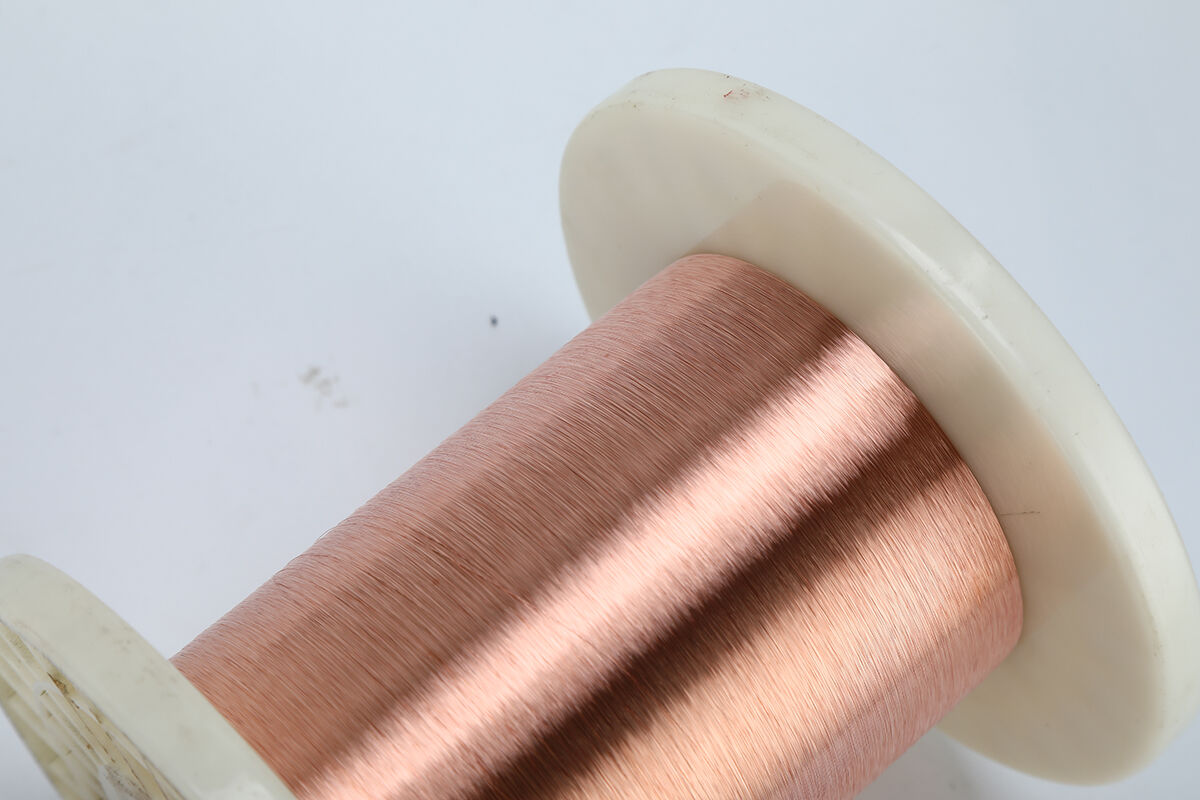
Simu ya chuma cha shaba iliyopakwa inawakilisha maendeleo ya kirevushioni katika matumizi ya umeme na mawasiliano, ikijiunganisha uwezo bora wa kufanya umeme wa shaba na nguvu ya kipekee na ubora wa chuma. Hii ni nyenzo ya kipekee ambayo imebadilisha viwanda vya kuzungumzia mfumo wa kujisajili kwenye ardhi hadi mistari ya kutumia umeme juu ya ardhi, ikutoa suluhisho la kubadilika kwa wataalamu wa umeme na wafanyabiashara ambao linatoa utendaji bora sana wakati huo huo unahifadhi uchafu wa gharama. Ujenzi wa kipekee unaunganisha safu ya shaba kwenye moyo wa chuma, kujenga simu ambayo inatumia sifa bora za metali zote mbili kwa matumizi ambapo simu za chombo moja za kawaida hazijafanikiwa.
Sifa Bora Za Utendaji Wa Umeme
Sifa za Kuongeza Uwezo wa Kuzaa Umeme
Utendaji wa umeme wa shaba ya shaba mizizi ya waya hutokana na ujenzi wake wa kisasa ambao unapongeza uwezo wa msingi wa shaba kwa kutumia utendaji wake wa asili kwa umeme, wakati huo hupanga usio na mgawo wa muundo. Kupakia shaba hutoa njia bora za umeme, ikidhibiti upungufu wa kutosha na kutumika kwa ufanisi wa ishara katika mzunguko wa mafrekuenzi yote. Ujenzi huu unaruhusu waya kusafirisha sasa la umeme kwa ufanisi, wakati muda huo mwingine, mko wa chuma cha kifahari hutoa msaada ya kiashiria ambao hukuzuza kushuka na kuchukua kwenye mchakato wa mzigo.
Mbinu za uzalishaji za kisasa zinahakikisha kuwa upana wa shaba ni sawa kote kwenye urefu wa waya, kubadilisha maeneo ya udhaifu ambayo yanaweza kuharibu utendaji wa umeme. Mchakato wa kushirikiana unaunda uhusiano wa kimetali kati ya shaba na chuma, ukidhibiti kuvunjika kwa sahani na kudumisha vipengele vya umeme vya kawaida kote katika muda wa kazi ya waya. Uthabiti huu unafanya waya uliojaa shaba na chuma kuwa thamani sana katika matumizi ya miundombinu muhimu ambapo utendaji wa kawaida ni muhimu zaidi.
Uboreshaji wa Uj response wa Mafrekuenzi
Ujenzi wa kipekee wa waya wa shaba uliofungwa kwa steele hutoa vipengele vya majibu ya mzunguko ambavyo vinazidisha uwezo wa vifaa vya kawaida vingi vya kuburudisha. Katika mzunguko wa juu, athari ya uso (skin effect) husababisha mtiririko kuenda kwa kiasi kikubwa kupitia safu ya nje ya shaba, kuhakikisha faida kubwa za uwezo bora wa kuburudisha wa shaba. Dhahara hii inafanya waya kuwa bora sana kwa matumizi ya mzunguko wa redio na mfumo wa kutumika kwa data ya kasi ya juu.
Watafiti wanaodizaina mfumo wa antena na mitandao ya kujisalimisha kwenye mzunguko wa redio (RF) mara nyingi hukiriwaya waya wa shaba uliofungwa kwa steele kwa sababu ya uwezo wake wa kudumisha upungufu mdogo katika vyanzo vya mzunguko vya upana. Mwili wa steele unatoa athari ndogo sana kwenye utendaji wa umeme wakati unachukua nguvu ya kimechaniki inayohitajika kwa usanidi wa nje ambao unapopaswa kwa mzima wa uvuvi na mabadiliko ya joto. Uunganisho huu wa vipengele vya umeme na kimechaniki unafanya waya huu kuwa chaguo bora kwa miundo ya mawasiliano na matumizi ya kusambaza.
Faida za Uzito wa Kimechaniki na Uthabiti
Kuboresha Uwezo wa Kupigwa Kwa Mwisho
Makororo ya chuma katika waya ya chuma chenye kofia ya shaba inatoa uwezo wa kupigwa kwa mwisho ambao unapita sana uwezo wa waya za shaba safi zenye kipenyo sawa. Uwezo huu wa kimekaniki unaondoa mahitaji ya mifupa ya muda mrefu kati ya miundo ya msingi, kubadilisha gharama za uwekaji na ufanisi katika matumizi ya juu ya ardhi. Waya hii inaweza kushinda nguvu kubwa za kupigwa wakati wa uwekaji bila kubadilika mara moja au kuharibika vipengele vya umeme.
Wafanyakazi wa ujenzi wanapenda hatari ndogo ya kuvunjika kwa waya wakati wa kushughulikia na kuweka, ambayo inamaanisha kukoma kidogo cha muda na kupungua kwa uvurugu wa vitu. Ujenzi mwenye nguvu pia unaruhusu kutumia waya zenye kipenyo kidogo kwa utendaji sawa wa umeme, kubadilisha mzigo wa uzito kwenye miundo ya msingi na kuruhusu muundo wa mfumo wenye ukubwa mdogo. Uwezo huu wa kimekaniki unakuwa muhimu sana katika mazingira ya uwekaji yanayotahadharika ambapo waya za shaba za kawaida zinaweza kushindwa.
Upinzani wa Hali ya Hewa na Urefu wa Muda
Mafunzo ya nje ya majengo yanahitaji vitu ambavyo vinaweza kubaki katika hali ngumu za mazingira bila kupungua katika utendaji au uwezo wa kushikilia muundo. Waya ya Shaba Iliyopigwa Kinyesi cha Chuma inafanana vizuri katika hali ngumu hizi kwa sababu ya uso lake la shaba linaloingia kwenye uvimbu na msingi wake wa chuma kali. Kipengele cha shaba kinahakikisha ulinzi dhidi ya uvimbu wa anga wakati sehemu ya chuma kinachokaa imara inadumisha uwezo wa kushikilia muundo kote katika vikwazo vya joto na baridi.
Uwezo wa kitu hiki kuondoka na kujengwa tena kwa sababu ya joto na baridi unasaidia kudumisha mgawanyo sahihi wa mafunzo ya juu, kuzuia kuvunjika kwa sababu ya uvimbu ambalo unaweza kutokea kwa aina nyingine za mitambo. Ustahili huu unapunguza mahitaji ya usafi na kuhakikisha maisha ya muda mrefu ya mfumo wa umeme. Uwezo wa waya hii kudumisha tabia zake za utendaji katika mzunguko wa baridi-na-joto na mabadiliko ya joto unafanya iwe thamani sana kwa mafunzo katika eneo linaloona hali ya hewa kali.
Faida za kiuchumi na ufanisi wa bei
Uboreshaji wa Gharama ya Vitu
Faida za kiuchumi za waya wa chuma uliofunikwa kwa shaba zinaonekana wazi wakati wa kuzingatia gharama za awali za nyenzo na gharama za uendeshaji wa muda mrefu. Kwa kutumia kiini cha chuma chenye kifuniko cha shaba, watengenezaji wanaweza kutoa utendaji sawa wa umeme kwa kondakta imara wa shaba huku wakitumia vifaa vya bei nafuu sana. Sehemu ya chuma hupunguza kiwango cha jumla cha shaba bila kuathiri sifa muhimu za umeme zinazohitajika kwa matumizi mengi.
Wameneji wa miradi na wataalamu wa kununua hukiri faida za bajeti ya kuchagua simu ya chuma iliyopakwa kwa shaba kwa miradi mikubwa ya uwekaji. Ongozo la gharama za vitu vinaweza kuwa kubwa sana katika miradi inayohitaji miongozo mingi ya vifaa, ikiruhusu usambazaji bora zaidi ya rasilimali kwa sehemu nyingine muhimu za mfumo. Pia, uzito mdogo kuliko vifaa vya shaba vya sawa vinaweza kupunguza gharama za usafirishaji na kufanya uhandisi wa miradi ya ujenzi iwe rahisi zaidi.
Ongozo la Uwekaji na Utunzaji
Mali ya usanidi wa simu ya shaba iliyopakwa kwa chuma huchangia kwa kiasi kikubwa kupunguza gharama ya jumla ya mradi kwa kusababisha muda mfupi wa usanidi na kupunguza mahitaji ya kazi. Urahisi na nguvu za simu hii zinamfanya muhanga kuifanya kwa urahisi wakati wa usanidi, kuhakikisha kuwa hakuna hitaji la vifaa vya maalum au wanachama wengine wa kikundi. Upungufu wa hatari ya uvunjika wakati wa usanidi hupunguza gharama za kubadilisha vitu na muda wa kukoma mradi.
Gharama za matumizi ya muda mrefu zinapungua kwa sababu ya uwezo wa kudumu na upinzani wa simu hii kwa mambo ya mazingira ambayo mara nyingi husababisha uvunjika wa msukumo. Mali za umeme na za kimkono zinazostahili kusudi huzingatia kuwa hakuna mafaili ya mfumo mara kwa mara na hupunguza hitaji la mashauri ya kuzuia matatizo. Uthabiti huu unasababisha kupungua kwa gharama ya mchakato wote na kuboresha faida ya kubofya kwenye miradi ya miundombinu ambapo simu ya shaba iliyopakwa kwa chuma inatumika.
Aina mbalimbali za matumizi
Matumizi ya Mfumo wa Kujisajili
Mifumo ya kujisajili (grounding) inawakilisha moja ya matumizi muhimu zaidi ya waya wa chuma kiliwaliwa kwa steele, ambapo utendaji wa umeme na uwezo wa kudumu kwa kiutamia ni muhimu sana kwa usalama na utendaji bora. Uwezo wa waya huu wa kubeba mikondo ya kushindwa kwa usalama wakati wa kudumisha uhai wa kimwili chake chini ya ardhi unafanya iwe bora kwa mitandao ya kujisajili ya mifumo ya umeme. Uso wa nje wa chuma unatoa utendaji wa umeme unaohitajika kwa kusambaza kwa ufanisi mikondo ya kushindwa, wakati sehemu ya ndani ya steele inahakikisha kwamba waya huendelea kuwa imara katika hali za kushindwa.
Vituo vya kuzalisha nguvu, vituo vya kubadilisha (substations), na viwanja vya viwanda vinategemea waya wa chuma kiliwaliwa kwa steele kwa mitandao yao ya kujisajili kwa sababu ya utendaji wake uliothibitishwa katika matumizi ya mikondo ya kushindwa kubwa. Uwezo wa waya huu wa kupunguza uvunjaji unapongeza muda wa maisha wa mifumo ya kujisajili, hasa kwa mitandao iliyowekwa chini ya udongo unaounganisha kwa njia mbaya. Urefu huu wa maisha unahakikisha kwamba usalama wa umeme na ulinzi wa mfumo unadumu kwa miaka mingi ya uendeshaji.
Miundombinu ya Mawasiliano
Industri ya mawasiliano imekubali waya wa chuma chenye shaba kwa matumizi mbalimbali ya miundombinu, ikiwemo mfumo wa antena, waya za kushikilia (guy wires), na mitandao ya kujisajili (grounding networks) kwa minara ya mawasiliano. Tabia nzuri za waya huu za umeme wa kifupi (RF) zinamfanya kuwa bora sana kwa vipengele vya antena na mfumo wa radial ambapo utendaji wa umeme unapaswa moja kwa moja kuhusiana na ubora wa ishara na ufanisi wa kutumika.
Watoa huduma za mawasiliano wanapenda uwezo wa waya huu wa kudumisha utendaji wake katika mazingira ya nje yanayopatwa na upepo, mzigo wa barafu, na joto na baridi sana. Uzito wa kiashiria unaruhusu usimamizi salama wa antena na kupunguza hatari ya kishindani cha mfumo kwa sababu ya uvunjika wa mtunzaji. Tabia za umeme zinahakikisha kupungua kwa kiasi kidogo kwa ishara na utendaji bora wa antena katika vikoa vya frekuensi vilivyotumika kwa huduma za mawasiliano ya kisasa.
Ubora wa Uzalishaji na Viwango
Ufanisi wa Mchakato wa Uzalishaji
Uzalishaji wa waya ya chuma cha shaba kwa ubora wa juu unahitaji udhibiti wa sawa wa mchakato wa kufunga ili kuhakikisha kipimo cha utendaji kwa kila mchakato wa uzalishaji. Vyuo vya uzalishaji vya juu vinatumia mbinu za kushirikiana zinazozalisha uhusiano wa kimetali kwa muda mrefu kati ya shaba na chuma. Uhusiano huu unadhibitisha upungufu wa kufunga na kuhakikisha uaminifu wa muda mrefu katika matumizi yanayotakiwa kwa nguvu.
Vitendo vya udhibiti wa ubora katika mchakato wa uzalishaji vinajumuisha ukaguzi wa mara kwa mara wa u thickness wa shaba, uaminifu wa uhusiano, na sifa za umeme. Viwajibiko hivi vya kuchangia kuhakikisha kwamba kila urefu wa waya ya chuma cha shaba unakidhi au unapita mahitaji ya utendaji yaliyoamriwa. Mchakato wa uzalishaji pia unajumuisha mifano ya kujaribu inayohakikisha uwezo wa waya kusubiri mgawo wa kisasa na hali za mazingira ambazo zinatarajiwa katika uwekaji wa kazi katika eneo la kazi.
Ufuatiliaji wa Viwajibiko vya Sekta
Wazalishaji wanaofanya kazi kwa juu wa waya ya chuma cha shaba wanahakikisha kwamba bidhaa kufanana na viwango vya sekta na maelekezo ya kibinafsi kwa uwezo wa umeme na uwezo wa kimekaniki. Ufuafu wa viwango kama vile ASTM B452 na maelekezo mengine ya kimataifa hutoa uhakika wa watafiti na wanaotaka vitu kwa watafiti kuhusu vipengele vya utendaji wa waya na ufanisi wake katika matumizi maalum.
Ufuafu wa viwango vilivyopangwa pia hufaciliti mchakato wa kuidhinisha miradi inayohitaji vitu vilivyoidhinishwa na hukadhi ubunifu wa mfumo wa umeme uliopo na mbinu za kusakinisha. Utajuzi wa pili na uthibitisho kutoka kwa mtu wa nje hutoa uhakika zaidi ya ubora na utendaji wa bidhaa, ukisaidia kuchagua waya wa shaba uliofungwa kwa kupitia shaba katika matumizi ya miundombinu muhimu ambapo uaminifu haupaswi kuharibiwa.
Mazingira na Mazungumzo ya Kuendelea
Madhara ya Uchumi wa Rasilimali
Uundaji wa waya wa chuma kiliyopakwa kwa shaba unasaidia ustawi wa mazingira kwa kutumia rasilimali thabiti za shaba kwa ufanisi wakati unaendelea kuhakikisha utendaji wa umeme uliotarajwa. Mwamba wa shaba unatumia rasilimali nyingi za chuma, kubadilisha mahitaji ya kuwatafuta na kuzisindika shaba. Mtazamo huu unalingana na mafunzo ya ustawi wa uhandisi ambayo inatafuta kupunguza athari za mazingira wakati inatoa utendaji unaohitajika.
Urefu wa muda wa kufanya kazi wa uvamizi wa waya wa chuma kiliyopakwa kwa shaba unapunguza mara za kubadilisha na gharama zinazohusiana na mazingira. Uthabiti na uaminifu wa hii nyenzo unamaanisha rasilimali chache zinazotumiwa katika mzunguko wa maisha ya mfumo wa umeme, kuhusisha kwenye juhudi za kuhifadhi mazingira. Uwezekano wa kurekodi waya hii mwishoni mwa maisha yake unasaidia zaidi kanuni za uchumi wa mzunguko katika sekta ya umeme.
Athari ya Ufanisi wa Nguvu
Mali bora ya kielektriki ya simu ya chuma chenye shaba inachangia kuongeza ufanisi wa nishati katika mifumo ya kielektriki kupitia kupunguza mapungufu ya usambazaji na kuimarisha utendaji wa mfumo. Mali ya upungufu mdogo za upinzani hupunguza mapungufu ya nguvu wakati wa usambazaji wa kielektriki, ikisaidia malengo ya uhifadhi wa nishati katika mifumo ya usambazaji wa nguvu.
Uthabiti wa utendaji wa simu kwa muda mrefu unahakikisha kwamba faida za ufanisi wa nishati zinahifadhiwa kote katika maisha ya utendaji wa mfumo. Uthabiti huu unasaidia malengo ya ustawi wa kudumu kwa kupunguza uvurugu wa nishati unaohusiana na upungufu wa mchakato wa miongo na uvurugu wa mfumo unaoweza kutokea kwa matumizi ya vitu vya ubora mdogo.
Maswali Yanayoulizwa Mara kwa Mara
Nini kinachofanya simu ya chuma chenye shaba kutofautiana na simu ya shaba ya kamili
Simu ya chuma cha shaba iliyopakwa kwa shaba inajumuisha moyo wa shaba na gurudumu la nje la shaba, ikutoa uwezo wa kusambaza umeme wa shaba pamoja na nguvu ya kifizi ya shaba. Ujenzi huu unatoa nguvu ya kupandwa kubwa kuliko simu ya chuma safi wakati inabakia na utendaji mzuri wa umeme. Moyo wa shaba unaruhusu umbizo mrefu zaidi wa kufupisha na uwezo bora zaidi wa kuzuia mgawo wa kifizi, ikifanya iwe nzuri sana kwa matumizi ya juu ya ardhi na mazingira ya kufupisha yanayotahadharika.
Simu ya chuma cha shaba iliyopakwa kwa shaba inafanya kazi vipi katika hali za hewa tofauti
Simu ya shaba iliyopakwa kwa stihi inaonyesha utendaji mzuri katika hali za hewa mbalimbali kwa sababu ya uso wake wa shaba unaolinda dhidi ya uvunjivu na muda mrefu wa stihi yenye ustahimilivu. Hii nyenzo huendelea kuwa na sifa za umeme na za kimkavu zinazolingana kwenye vikwazo vya joto, uwezekano wa kujaa kwa maji, na uvumbuzi wa UV. Ustahimilivu wa joto unadumisha upanuzi na kupungua kwa kiasi cha kutosha ambacho kunaweza kuharibu uthibitisho wa usafishaji, wakati uwezekano wa uvunjivu unahakikisha uaminifu wa muda mrefu katika matumizi ya nje.
Matumizi gani yanafaida zaidi kutoka kwa simu ya shaba iliyopakwa kwa stihi
Simu ya shaba iliyopakwa kwa stihi inafanya kazi nzuri katika mifumo ya uingizaji wa nishati, miundombinu ya mawasiliano ya redio, uvutaji wa antena, na matumizi ya uhamisho wa umeme juu ya ardhi. Uunganisho wa utendaji wa umeme na nguvu ya kiashiria wa hii nyenzo unamfanya iwe thamani sana kwa uvutaji unaohitaji umbali mrefu, nguvu ya kupuliza kubwa, au ubaguzi wa hali za mazingira magumu. Matumizi ya mzunguko wa redio pia yanafaida kutokana na vipengele vya majibu ya mzunguko bora na sifa za upungufu wa kuchanganya.
Bei ya simu ya shaba iliyopakwa kwa stihi inalinganishwa na chaguo zingine za mtunzaji kwa namna gani
Simu ya chuma cha shaba iliyopakwa kwa shaba huwapa faida kubwa za gharama kulingana na vifaa vya chuma safi wakati huvutia utendaji wa umeme sawa kwa matumizi mengi. Upanuzi wa chuma unaojitengeneza hudhoofisha gharama za vitu, na sifa zake za kiashiria zinazopanua zinaweza kupunguza gharama za uwekaji kwa kusonga haraka zaidi na mahitaji ya msaada machache tu. Faida za muda mrefu za gharama zinajumuisha kupungua mahitaji ya usimamizi na kuongeza muda wa uendeshaji, kuhusisha kupungua gharama za mchakato wa maumbile ya umeme.
Orodha ya Maudhui
- Sifa Bora Za Utendaji Wa Umeme
- Faida za Uzito wa Kimechaniki na Uthabiti
- Faida za kiuchumi na ufanisi wa bei
- Aina mbalimbali za matumizi
- Ubora wa Uzalishaji na Viwango
- Mazingira na Mazungumzo ya Kuendelea
-
Maswali Yanayoulizwa Mara kwa Mara
- Nini kinachofanya simu ya chuma chenye shaba kutofautiana na simu ya shaba ya kamili
- Simu ya chuma cha shaba iliyopakwa kwa shaba inafanya kazi vipi katika hali za hewa tofauti
- Matumizi gani yanafaida zaidi kutoka kwa simu ya shaba iliyopakwa kwa stihi
- Bei ya simu ya shaba iliyopakwa kwa stihi inalinganishwa na chaguo zingine za mtunzaji kwa namna gani