EN
EN



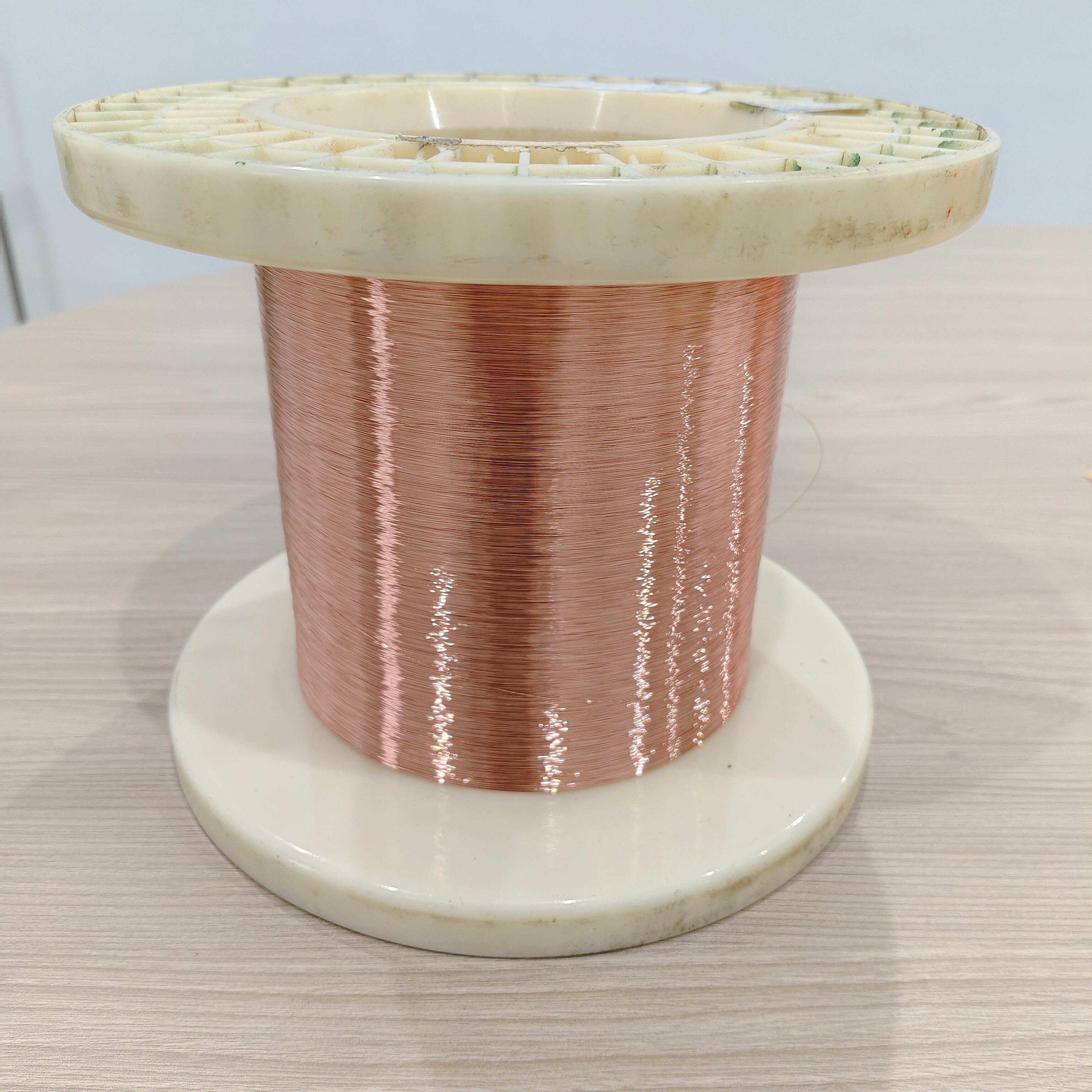
Mipangilio ya kisasa ya umeme na mawasiliano ya simu inahitaji vitu vilivyofanana na uwezo wa kufanya kazi bora sana pamoja na ustawi wa kifurushi. Simu ya shaba iliyojaa chuma ya vitumbi vingi shaba ya shaba simu ya waya imebainika kama suluhisho la mapinduzi linalopatikana kwa mahitaji haya mawili wakati mwingine hutoa faida kubwa za gharama kuliko waya za shaba za kawaida. Teknolojia ya waya hii inayotengeneza ina msingi wa waya wa chuma uliofumbwa na shaba, ikutoa sifa za umeme za shaba pamoja na nguvu ya kifisiki ya chuma. Viwanda vya kufikia kutoka kwa utangazaji hadi usambazaji wa nishati vimeanza kuzidhani zaidi ya aina hii ya waya kwa matumizi ambapo utendaji na uaminifu ni muhimu sana.
Kuelewa Ujenzi wa Waya wa Chuma Kilichofumbwa na Shaba wenye Kamba Nyingi
Msingi wa Chuma wa Mwisho na Utaratibu wa Kufumbwa kwa Shaba
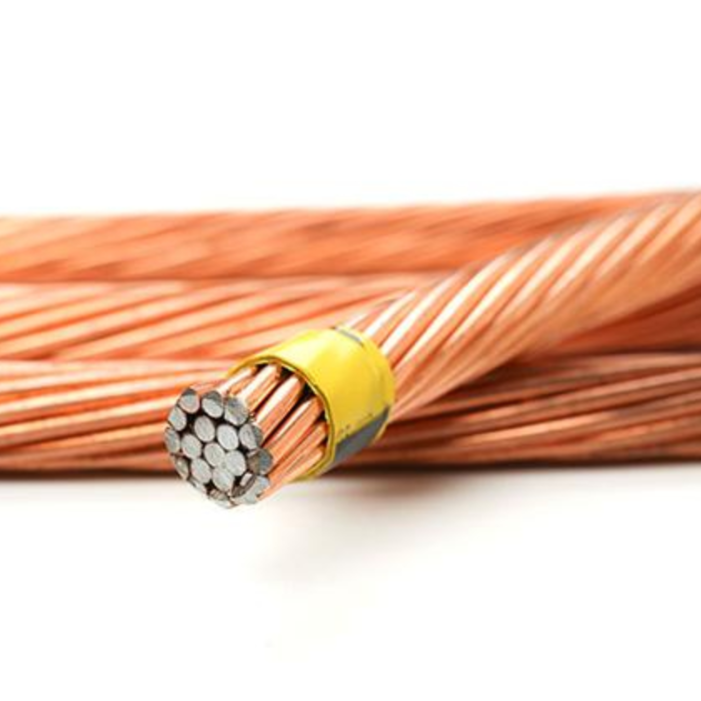
Ujenzi wa waya ya shaba yenye kamba nyingi inanuanisha kwa msingi wa chuma cha kasi ya juu ambao unatoa msingi wa kihisabati kwa mtunzaji. Kioo cha chuma hiki kawaida kinajumuisha waya ya chuma iliyopakwa kwa zinki ambayo inatoa nguvu ya kuvutia bora na uwezekano wa kupoteza kwa sababu ya uvunjika. Ufafanuzi wa shaba unahusisha kuunganisha safu ya shaba safi kwenye kioo cha chuma kwa kutumia mbinu maalum za kimetali kama vile kupepeta kwa umeme au kuchoma kwa muda mrefu. Uunganisho huu hujenga muungano wa kimetali kati ya shaba na chuma, kuhakikisha kwamba sasa ya umeme inapita kwa kiasi kikubwa katika safu ya shaba wakati chuma kinatoa msaada wa kihesabati.
Mchanganyiko wa vifungu vingi hujenga uwezo wa kubadilika na tabia za kushughulikia waya kuliko mbadala ya waya yenye mfuatano mmoja. Kila kifungu cha kimsingi katika waya ya chuma kiliwakilishwa na shaba (CCS) unaofungwa kwa vifungu vingi unafanywa kwa kipekee, kuhakikisha sifa za umeme na za kimkavu zinazotumika kwa usawa kote kwenye urefu wa waya. Mfumo wa kufungwa kwa vifungu unajengwa kwa makini ili kupimiza sifa za umeme na uwezo wa kubadilika kimkavu, kumfanya ufaulu kwa matumizi yanayohitaji kushughulikia mara kwa mara au kusakinisha katika mazingira magumu.
Ukaguzi wa Ubora na Viwajibikaji vya Uzalishaji
Uzalishaji wa waya ya shaba iliyopakwa kwa kupamba kwa mizizi mingi unahitaji kufuata taratibu za udhibiti wa ubora kwa makini ili kuhakikisha utendaji wa mara kwa mara katika vikundi vyote vya uzalishaji. U thickness wa kupamba kwa shaba lazima uwe na udhibiti wa makini ili kudumisha sifa za umeme zinazotarajiwa wakati wa kuboresha matumizi ya vitu. Njia za kujaribu kwa kiwango cha juu, ikiwemo jaribio la sasa ya kuzunguka (eddy current testing) na ukaguzi wa mikroskopiki, huthibitisha umoja wa kawaida wa kupamba kwa shaba na kugundua aina yoyote ya udhaifu ambao unaweza kuharibu utendaji.
Viashiria vya sekta kama vile vitendo vya ASTM na IEC vinavyoongoza uzalishaji na majaribio ya waya wa shaba uliofungwa kwa kupitia mizizi mingi ili kuhakikisha ukweli wa uwezekano wa kufanana na mfumo wa umeme wa kimataifa. Viashiria hivi huyafafanua mahitaji ya upinzani wa mtambo, nguvu ya kupuliza, na upinzani wa mazingira, ikutoa uhakika watajamii wa mwisho katika uwezo wa utendaji wa waya. Wakuzalishi hufanya mfumo wa usimamizi wa ubora unaofaa ambao unafuatilia sifa za vitu kutoka kwa upatikanaji wa vitu vya msingi hadi kulelewa kwa bidhaa ya mwisho.
Sifa Bora Za Utendaji Wa Umeme
Sifa za Uwiano na Kupinga
Uwiano wa umeme wa waya ya chuma kiliyopakwa kwa shaba ya mizizi mingi unafanana sana na wa waya za shaba zilizotengenezwa kwa mtindo wa msingi kwa sababu ya dhisho la athari ya uso katika matumizi ya sasa ya mbadala. Katika mawimbi ya juu, sasa ya umeme huenda kusonga haswa kwenye uso wa nje wa waya, ikifanya kipakuli cha shaba kuwa kipengele kikuu kinachoweza kusonga sasa. Sifa hii inaruhusu waya ya chuma kiliyopakwa kwa shaba ya mizizi mingi kufikia uwiano wa uwezo wa kusonga sasa wa takriban 30–40% ya waya za shaba zenye ukubwa sawa, wakati ikiendelea kuhifadhi thamani za upinzani zinazokubalika kwa matumizi mengi.
Ujenzi wa nguzo nyingi unasaidia kuboresha usambazaji wa sasa kuliko vifaa vya msukumo mmoja, kubadilisha eneo la joto na kuboresha ufanisi wa umeme kwa ujumla. Kila nguzo ndani ya waya wa shaba iliyopakwa kupitia bakari inachukua sehemu ya sasa jumla, ikisambaza mzigo wa umeme kwa usawa zaidi na kupunguza uwezekano wa joto lililochukuliwa katika eneo moja. Sifa hii ya usambazaji ni ya faida kubwa hasa katika matumizi ya sasa kubwa ambapo usimamizi wa joto ni muhimu sana kwa utendaji wa mfumo na uendelevu wake.
Jawabu la Kizimbi na Uthabiti wa Isara
Katika maombi ya mzunguko wa redio na mawasiliano ya umeme, waya wa shaba iliyopakwa kwa shaba yenye nguvu ya chuma inaonyesha vipengele vya majibu ya mzunguko ambavyo yamewezesha kutumika kwa uhamisho wa ishara za upana wa kifupi. Upakaji wa shaba unatoa utendaji wa uso unaohitajika kwa ishara za mzunguko wa juu wakati mko wa chuma unadumisha uwezo wa kisasa unaohitajika kwa uwekaji wa umbali mrefu. Utafiti wa ishara kupitia waya wa shaba iliyopakwa kwa shaba yenye nguvu ya chuma huendelea ndani ya mipaka ya kukubalika kwa zaidi ya maombi ya biashara na ya viwanda.
Sifa za uzuiaji wa waya wa chuma wenye nyuzi nyingi za shaba zinaweza kudhibitiwa kwa usahihi kupitia muundo makini wa usanidi wa nyuzi na unene wa ufunikaji wa shaba. Udhibiti huu huruhusu watengenezaji kutengeneza kondakta zenye thamani maalum za uzuiaji zinazohitajika kwa matumizi maalum kama vile mifumo ya antena na mistari ya upitishaji. Sifa thabiti za uzuiaji huchangia uadilifu wa ishara ulioboreshwa na upotevu mdogo wa uakisi katika mifumo muhimu ya mawasiliano.
Faida za Uzito wa Kimechaniki na Uthabiti
Nguvu ya kupuliza na uwezo wa kubeba mzigo
Kioo cha chuma katika waya ya chuma cha shaba kilichopandwa kwa mifupa mingi hutoa nguvu ya kupigwa kwa kiasi kikubwa ambacho kinazidisha sana kuliko waya za shaba safi zenye eneo la msalaba sawa. Uzima huu uliopanuliwa unaruhusu umbali mrefu zaidi kati ya miundo ya msaada, kujipunguza gharama za uwekaji na kufanya muundo wa mfumo uwe rahisi zaidi. Nguvu ya kupigwa kwa kawaida ya waya ya chuma cha shaba kilichopandwa kwa mifupa mingi ina vigezo vya 1200 hadi 1400 MPa, ikilinganishwa na takriban 200–250 MPa kwa waya za shaba zilizochomwa.
Uwezo wa kubeba mzigo wa simu ya shaba iliyopakwa kwa chuma cha kawaida unafanya iwe na ufaulu zaidi kwa mafunzo ya juu ya ardhi ambapo msimamo lazima asubiri uzito wake mwenyewe pamoja na mzigo ziada kama vile barafu iliyokusanyika au shinikizo la upepo. Uundaji wa simu nyingi unasambaza mzigo wa kimechaniki kwenye simu binafsi nyingi, ukutoa uhakika wa kuzidisha uaminifu wa jumla ya mfumo. Hata kama simu moja tu inapata dharura, simu zilizobaki zinaweza bado kubeba mzigo wa umeme na wa kimechaniki.
Upinzani wa Mazingira na Urefu wa Muda
Simu ya shaba iliyopakwa kwa chuma cha kawaida ya aina ya simu nyingi ina uwezo bora wa kupinga mambo ya mazingira yanayowadhoofisha wakati mrefu msimamo wa umeme. Upakisho wa shaba unatoa uwezo bora wa kupinga uvunjaji, wakati msingi wa chuma uliofungwa kwa zinki unatoa ulinzi ziada dhidi ya uvunjaji na uvunjaji wa oksijeni. Uunganisho huu hutengeneza maisha ya huduma ndefu kuliko msimamo wa aluminium au simu za chuma zisizolindwa zinazotumika kwa matumizi sawa.
Kubadilishana ya joto, ambayo inaweza kusababisha mashakili ya kuongezeka na kupungua katika vifaa vya kuelektwa, haina athari kubwa kwenye safu ya simu ya shaba iliyopakwa kwa chuma kwa sababu ya vikwazo vya kuongezeka kwa joto vya shaba na chuma vya karibu. Uthabiti huu wa joto unapunguza uwezekano wa kushindwa kwa kiutamiaji na unahakikisha umbo la mawasiliano ya kielektriki bila kuharibika katika vikwazo vya joto vya kubwa. Simu hii inaendelea kufanya kazi vizuri katika mazingira kutoka -40°C hadi +90°C, ikawa ya kufaa kwa mafunzo ya ndani na ya nje.
Chaguo cha bei rahisi badala ya vifaa vya kawaida vya kuelektwa
Ulinganisho wa bei ya vitu na faida za kiuchumi
Faida za kiuchumi za simu ya shaba iliyopakwa kwa chuma zinazotumika kwa mizizi mingi huonekana wakati wa kulinganisha gharama za vitu na vifaa vya shaba vilivyotumika kama vile vyovyote. Mwamba wa chuma unareprezenti 80–85% ya ujazo wa simu, wakati shaba lililopakwa linachukua sehemu ya 15–20% iliyobaki. Ujenzi huu unatoa uvurugu mkubwa wa gharama kuliko vifaa vya shaba pekee wakati inayohifadhi sifa za umeme muhimu zinazohitajika kwa matumizi mengi. Uvurugu wa gharama unaweza kuwa kati ya 30–50% kulingana na bei za sasa za shaba ya soko na vipengele maalum vya simu.
Gharama za kazi ya uwekaji mara nyingi hupungua wakati wa kutumia simu ya chuma chenye shaba kilichopangwa kwa mikondo mingi kwa sababu ya sifa zake za kiashiria bora. Uzito wa juu wa mguu unaruhusu umbali mrefu zaidi kati ya mafungo, kuhakikisha idadi ya mashamba au minara inayohitajika kwa uwekaji juu ya ardhi iwe chini. Ujenzi wa mikondo mingi pia unaboresha tabia za kushughulikia wakati wa uwekaji, kuhakikisha muda unaohitajika kwa kuvuta na kufunga simu upungue.
Uchambuzi wa Gharama za Mwisho wa Maisha na Ruzuku ya Uwekezaji
Uchambuzi wa gharama za mwisho wa maisha kwa muda mrefu unahakikisha faida za kiuchumi zaidi za simu ya chuma chenye shaba kilichopangwa kwa mikondo mingi badala ya uvukwaji wa gharama ya kwanza ya vitu. Uthabiti ulioboreshwa na uwezo wa kusimama dhidi ya mazingira unasababisha upungufu wa mahitaji ya usimamizi na kuhakikisha muda mrefu zaidi kabla ya kubadilishwa kuliko aina nyingine za vifaa vya kusambaza umeme. Boresho la uaminifu wa mfumo linapunguza gharama za kusimama na kuboresha ufanisi wa jumla wa matumizi ya miundo muhimu ya msingi.
Ruzuku ya mali kwa uwekaji wa simu ya shaba yenye chuma kwa miundo ya mizizi mingi huwakilishwa kwa kawaida katika miaka 3-5 kupitia kupungua kwa gharama za vitu, gharama ndogo za uwekaji, na mahitaji ya utambarishaji yanayopungua. Kwa miradi kubwa kama vile mitandao ya mawasiliano au mitandao ya usambazaji wa nguvu, uhakika huu unaweza kuwa na upungufu mkubwa wa gharama kote katika muda wa uendeshaji wa mfumo. Faida za kiuchumi huwa wazi zaidi katika matumizi yanayohitaji mizizi ndefu au uwekaji katika hali za mazingira yanayochanganya.
Matumizi Mbalimbali Katika Sekta Mbalimbali
Mifumo ya Mawasiliano ya Telekomunikesheni na Data
Simu ya chuma iliyopakwa kwa shaba ya nguvu nyingi imepata matumizi ya kipekee katika miundo ya mawasiliano ambapo utendaji wa ishara na uwezekano wa kufanya kazi kwa njia ya mekaniki ni muhimu sana. Matumizi ya simu ya kushuka kwa huduma za mtandao ya nyumbani na ya biashara yanafaida kutokana na uwezo wa simu hii kuwasha umbali mrefu zaidi kati ya mipangilio ya msaada bila kuharibu ubora wa ishara. Uundaji wa nguvu nyingi unatoa uwezo wa kubadilisha kwa urahisi wakati wa kusakinisha karibu na majengo na kupitia mfumo wa vifurushi wakati huo simu ya shaba inahakikisha nguvu ya kuvutia kwa kutosha kwa kusakinisha juu ya anga.
Matumizi ya kabeli ya kuunganisha hutumia waya wa shaba uliofungwa kwa chuma kama mtambo wa kati, ukifaidika na vipengele vya kuvuka kwa mzunguko bora vinavyotolewa na funguo la shaba. Mtimbukizi wa chuma unadumisha ustahili wa uwezo wa kubadilika kwa ukubwa wa kawaida ambao unahitajika kwa ajili ya vipengele vya kujieleza kwa usawa wa kuchanganya na pia kutoa nguvu za kimwili inayohitajika kwa ajili ya kufupisha na kushughulikia kabeli. Matumizi haya yamekuwa muhimu sana katika mitandao ya kusambaza kasi kubwa ambapo ubora wa ishara na ufanisi wa kufupisha ni sababu muhimu.
Matumizi ya Usambazaji wa Nguvu na Uunganisho wa Ardhi
Mifumo ya kujisajili kwenye umeme inafaida sana kutokana na sifa za simu ya chuma cha shaba iliyopangwa kwa mikondo mingi, hasa katika matumizi yanayohitaji uwekaji wa mchanganyiko wa kujisajili kwenye uzito wa kina. Uzito wa msingi wa chuma unaruhusu kuchanganya mchanganyiko wa kujisajili katika hali za udongo zinazochukua nguvu bila kuharibika kwa msimamo, wakati upanuzi wa shaba unatoa njia ya kupungua kikomo kinachohitajika kwa kusambaza kivuli cha kushindwa kwa ufanisi. Uwezo wa kupuuza uvunjaji wa upanuzi wa shaba unahakikisha utendaji wa umeme kwa muda mrefu katika matumizi ya mmoja na udongo.
Matumizi ya miongozo ya usambazaji hutumia waya wa shaba iliyopakwa kupitia chuma katika hali ambapo uunganisho wa utendaji wa umeme na nguvu ya kimwili unafaa. Mifumo ya usambazaji wa nguvu za eneo la vijiji mara nyingi yanahitaji umbali mrefu kati ya mishale, ambalo hufanya nguvu ya kupigwa kwa juu ya waya wa shaba iliyopakwa kupitia chuma kuwa ya thamani sana. Uwezo wa waya huu kuleta wakati mwingine mzigo wa umeme na mashakili ya kimwili unaharibu ujenzi wa mishale na kupunguza gharama zote za mfumo.
Majengo na Mfumo Bora wa Kutekeleza
Mchakato wa Kushughulikia na Kukamilisha
Ushirikisho wa kutosha wa waya ya shaba iliyopakwa kupitia chuma cha mbili (multi-strand) unahitaji uelewa wa sifa zake pekee ili kuhakikisha utendaji bora na uendelezewezaji wa muda mrefu. Ujenzi wa waya ya mbili (multi-strand) unatoa uvimbo mzuri kuliko waya ya msalaba (solid conductors), lakini lazima uwe na makini ili kuepuka kuzungusha kwa wingi ambao unaweza kuharibisha mistari yote ya ndani. Timu za ushirikisho zinapaswa kutumia vifaa vya kuvuta vinavyofanya kugawanya mgawanyo wa mchanga kwa usawa juu ya mistari yote ili kuzuia kuanguka kwa haraka ya mistari moja kati ya waya.
Mchakato wa kutekeleza mizizi ya simu ya shaba iliyopakwa kwa chuma cha viti viwili au zaidi unafuata mifano ya kawaida ya mizizi ya vifaa vya uhamisho, lakini inahitaji makini kwa sababu ya tofauti za kuenea kwa upakaji wa shaba na moyo wa chuma. Vifaa vya kutekeleza vinapaswa kusaidia nguvu ya kimechaniki ya mizizi wakati huo huo vikipeleka mawasiliano ya kielektriki yanayofaa kwenye uso wa shaba. Viungo vya aina ya kushikilia (compression-type) ni yanayopendwa zaidi kuliko viungo vya aina ya kimechaniki ili kuhakikisha utendaji bora wa muda mrefu na kusaidia kujumuisha kuenea kwa tofauti kati ya sehemu za shaba na chuma.
Mazingira na Njia za Ulinzi
Ulinzi wa mazingira wa uwekaji wa waya wa shaba iliyopakwa kwa chuma cha mbili au zaidi unategemea kubadilisha kuvunjika kwa kuvunjika kwa galvani na kudumisha utafiti wa upakaji wa shaba. Katika mazingira ya bahari au viwanda yenye yaliyomo ya chumvi kubwa au ubaguzi wa kemikali, vipengele vya ulinzi vya ziada kama vile vifungo vya kipekee au mavazi yanaweza kutakiwa. Uwezo wa kuvunjika kwa asili ya upakaji wa shaba unatoa ulinzi mkubwa katika mazingira ya pengine, lakini hali za kizima zinaweza kutahitaji mfumo wa ulinzi wa ziada.
Uwekaji katika matumizi ya chini ya ardhi unahitaji kuzingatia hali ya udongo na mawasiliano ya kemikali yanayoweza kutokea na vitu vya mtiririko. Waya wa shaba iliyopakwa kwa chuma cha mbili au zaidi unafanya kazi vizuri katika matumizi ya kujaza moja kwa moja chini ya ardhi kwa sababu ya muundo wa chuma cha kuzingatia na upakaji wa shaba. Hata hivyo, kujaribu udongo kunaweza kuwa muhimu katika eneo linalojulikana kuwa na udongo unaofanya kazi vibaya au kwenye vituo vya maji ya chini ya ardhi vinavyoweza kusonga haraka mchakato wa kuvunjika.
Maswali Yanayoulizwa Mara kwa Mara
Muda wa kawaida wa maisha ya waya ya shaba iliyopakwa kwa chuma cha vitumbi vingi katika mazingira ya nje ni gani?
Waya ya shaba iliyopakwa kwa chuma cha vitumbi vingi huweza kufanya kazi kwa miaka 25–30 katika mazingira ya nje chini ya hali za mazingira ya kawaida. Mchanganyiko wa kioo cha chuma kilichopigwa kwa zinki na upakaji wa shaba unatoa uwezo mzuri wa kupunguza uvunjaji kwa sababu ya maji au moto, ambao unahamisha wakati wa kufanya kazi kwa kiasi kikubwa kuliko waya za aluminium au waya za chuma zisizolindwa. Katika mazingira magumu kama vile eneo la pwani linalowekwa na chumvi au mazingira ya viwanda vilivyopandwa na uvurugu wa kemikali, muda wa maisha unaweza kupungua lakini bado huwa kawaida huja kipindi cha miaka 15–20 kwa kutumia njia sahihi za kusakinisha na kudumisha.
Uwiano wa utendaji wa umeme wa waya ya shaba iliyopakwa kwa chuma cha vitumbi vingi unalingana vipi na waya za shaba zenye muundo wa mtambo?
Simu ya chuma kichwa cha shaba iliyopandwa kwa mikanda mingi inafikia uwezo wa kusambaza umeme wa takriban 30–40% wa simu ya chuma safi ya ukubwa sawa, ambayo inakutosha kwa matumizi ya umeme na mawasiliano ya redio katika mifano mingi. Athari ya uso (skin effect) katika mzunguko wa juu huwachukua wimbi kushuka kwa kiasi kikubwa kupitia sahani ya chuma iliyopandwa, ikifanya utendaji wa umeme kuwa sawa sana na wa chuma kwa matumizi ya umeme wa mbadala (AC) na umeme wa mzunguko wa juu (RF). Ujenzi wa mikanda mingi unatoa manufaa kadhaa katika usambazaji wa wimbi na usimamizi wa joto kuliko simu moja ya ukubwa sawa.
Je, simu ya chuma kichwa cha shaba iliyopandwa kwa mikanda mingi inaweza kutumika katika matumizi ya ubunifu wa umeme wa shinikizo la juu?
Simu ya shaba iliyopakwa kwa staleni ya chuma inayotumika kwa vituo vya juu vya umeme, hasa katika mfumo wa usambazaji na mpangilio maalum wa mistari ya kutumika kwa umeme. Uzito mzuri wa kimwili unamfanya kuwa mfaulu kwa uwezo wa kufanya kazi kwa umbali mrefu ambapo uzito wa simu na mzigo wa upepo ni mambo ya wasiwasi. Hata hivyo, upungufu wa kidogo wa upinzani kulingana na simu za shaba safi lazima uchunguzwe katika matumizi ya umeme ya sasa kubwa ambapo mapungufu ya I²R yana umuhimu mkubwa kwa ufanisi wa mfumo. Wafanyikazi wa umeme wengi wanatumia simu ya shaba iliyopakwa kwa staleni ya chuma kwa njia ya mfanukio katika matumizi ya umeme ambapo sifa zake maalum zinatoa faida za kufanya kazi.
Mambo gani ya maalum yanayohitajika wakati wa kushirikisha au kuunganisha simu ya shaba iliyopakwa kwa staleni ya chuma zenye nguvu nyingi
Kuunganisha waya ya shaba iliyopakwa kwa chuma na nguvu nyingi inahitaji uangalizi wa sifa za umeme na za kimkono za mtunziko. Vifaa vya kuunganisha vinapaswa kufanyiwa kwa kuzingatia nguvu ya kupuliza ya waya na kubuniwa ili kufanya mawasiliano yenye uhakika na uso wa shaba lililopakwa. Kuunganisha kwa kushawisha kwa kawaida huupendwa zaidi kuliko kuunganisha kwa njia ya kimkono ili kuhakikisha uhakika wa muda mrefu. Kipindi cha kuunganishwa kinapaswa kuhifadhiwa kutoka kwa mazingira ili kuzuia uvunjivu ambao unaweza kuharibu uhakika wa umeme au wa kimkono wa muunganiko. Mbinu nzuri za kuunganisha huhakikisha kwamba muunganiko unadumisha uwezo wa kusafirisha sasa na nguvu ya kupuliza ya mtunziko wa asili.
Orodha ya Mada
- Kuelewa Ujenzi wa Waya wa Chuma Kilichofumbwa na Shaba wenye Kamba Nyingi
- Sifa Bora Za Utendaji Wa Umeme
- Faida za Uzito wa Kimechaniki na Uthabiti
- Chaguo cha bei rahisi badala ya vifaa vya kawaida vya kuelektwa
- Matumizi Mbalimbali Katika Sekta Mbalimbali
- Majengo na Mfumo Bora wa Kutekeleza
-
Maswali Yanayoulizwa Mara kwa Mara
- Muda wa kawaida wa maisha ya waya ya shaba iliyopakwa kwa chuma cha vitumbi vingi katika mazingira ya nje ni gani?
- Uwiano wa utendaji wa umeme wa waya ya shaba iliyopakwa kwa chuma cha vitumbi vingi unalingana vipi na waya za shaba zenye muundo wa mtambo?
- Je, simu ya chuma kichwa cha shaba iliyopandwa kwa mikanda mingi inaweza kutumika katika matumizi ya ubunifu wa umeme wa shinikizo la juu?
- Mambo gani ya maalum yanayohitajika wakati wa kushirikisha au kuunganisha simu ya shaba iliyopakwa kwa staleni ya chuma zenye nguvu nyingi